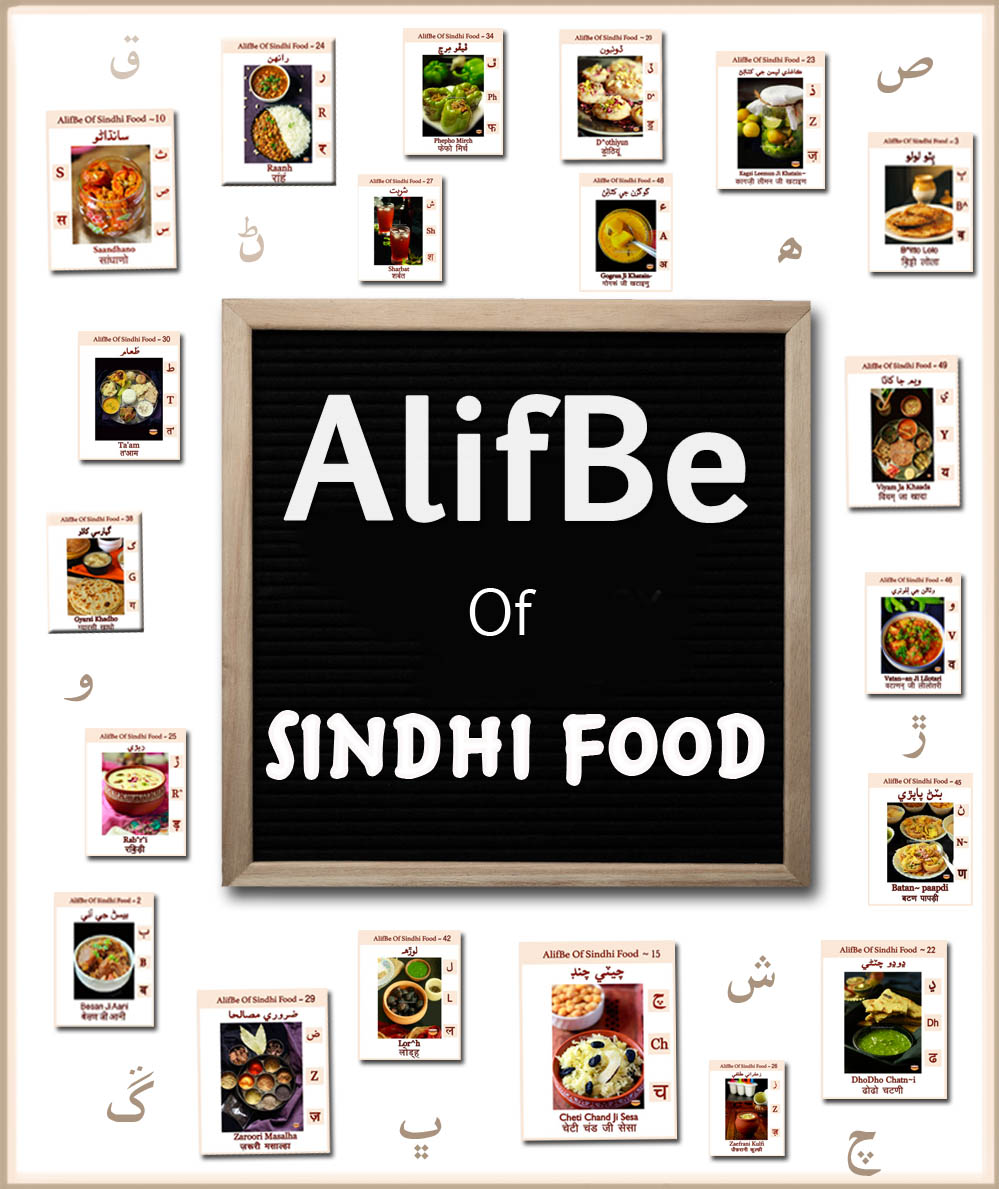
When I started working on my project about documenting ancient, traditional as well as lost recipes from Sindhi cuisine, a few years ago, the biggest challenge I faced was the lack of accessible information about the same. The limited documents that I could access, were in Arabic Sindhi, a script that I never could learn, despite of trying umpteen number of times, since my childhood. I felt stuck up. So the only way to move forward was to learn the Arabic script and to make sure that I don’t give up this time, I took up a challenge; The AlifBe…
-
-
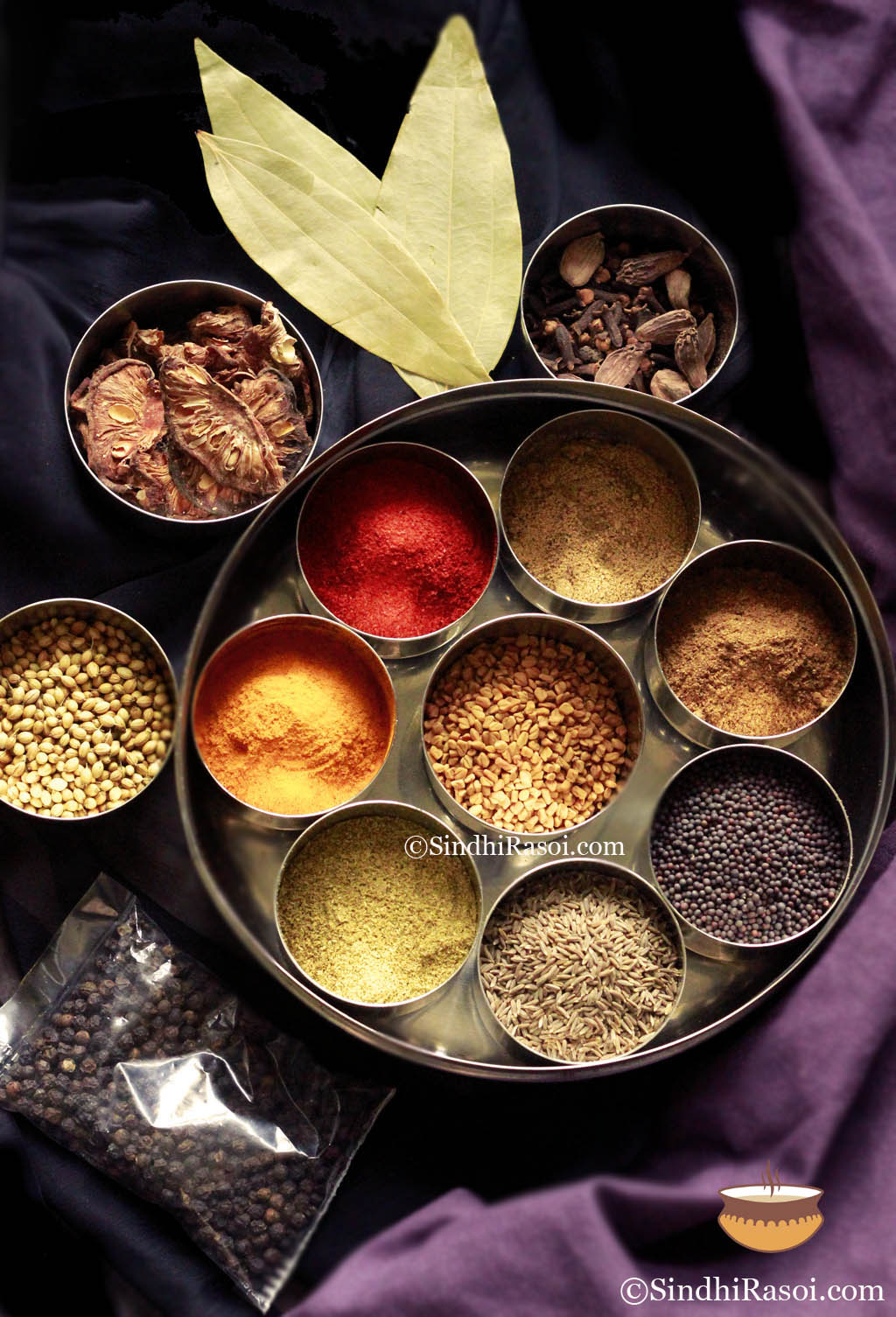
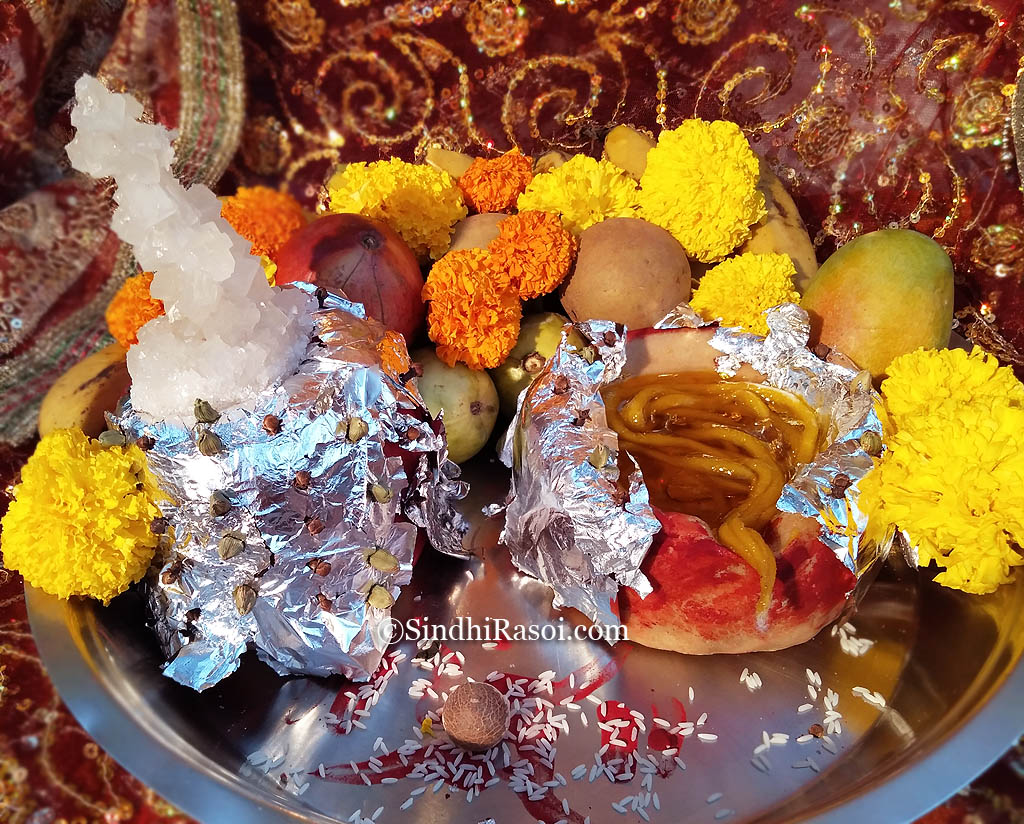
The 29th Consonant in Sindhi AlifBe is ض in Arabic Sindhi, ज़ in Devanagari and ‘Z‘ in Roman Sindhi. ‘Z’ as in ‘Zaroor‘ or ‘Zaroori‘! Yes, ‘Z’ is already covered in the AlifBe series but then, there are 4 variations of ‘Z’ in Persio Arabic Sindhi script. Do read the details here, in case you are interested! Coming back to the ض, since there is no Sindhi dish starting with this consonant, I am here today with a post about essential/important spices i.e ‘Zaroori Masalha ‘ in Sindhi cuisine, for AlifBe of Sindhi Food~29! I am yet to confirm the…
-
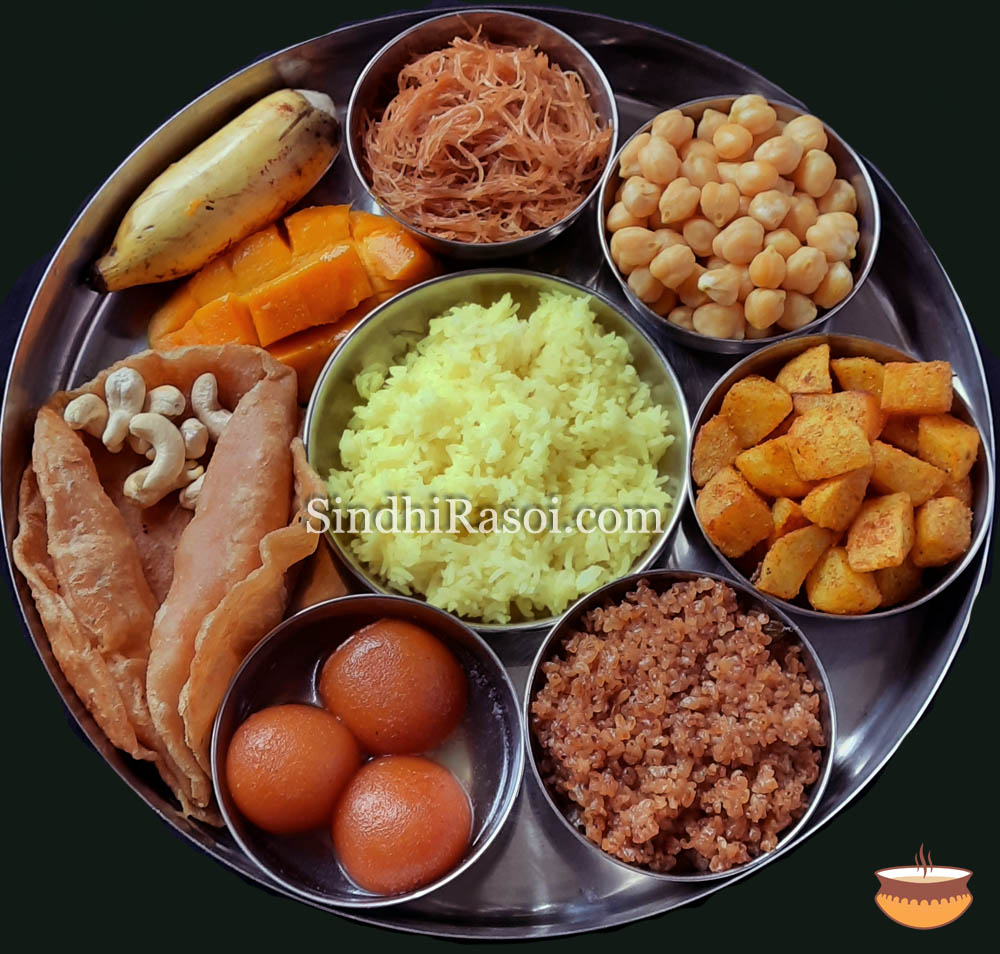
The next consonant in AlifBe (Sindhi ‘alphabet’) is ص in Arabic Sindhi, स in Devanagari and in Roman Sindhi it is ‘S’, as in ‘sandook’. If you have been following the AlifBe Series, you may remember the 10th post in which I have mentioned that in Arabic Sindhi there are three variants of ‘S’ namely; ث , ص, س . Out of these three, two alphabets i.e ث and ص are used only while writing Arabic or Urdu words in Sindhi script while س is used to write words of Sindhi origin. In Roman Sindhi and in Devanagari, these 3…
-
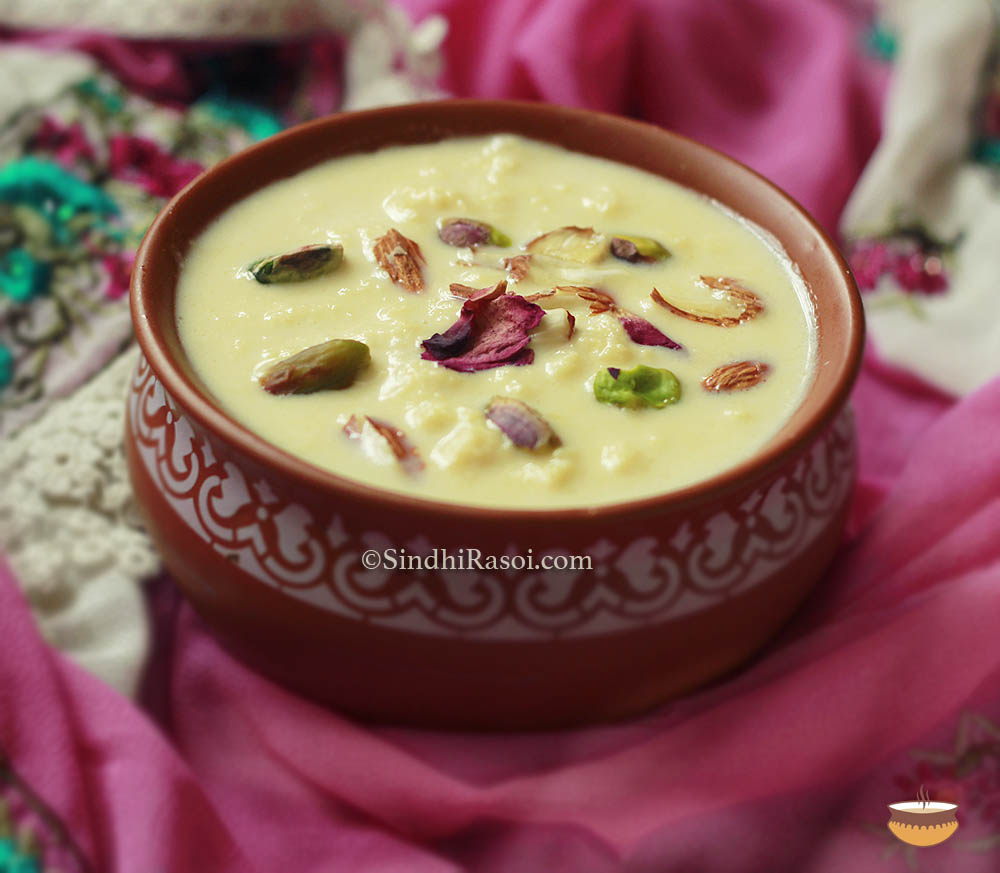
The Dairy products could be divided in many types, for example, heat desiccated (khoya), heat and acid coagulated (paneer, cheese), clarified butter (ghee), frozen (Ice cream), frozen concentrated milk (Kulfi variant) and condensed or concentrated products like Rabdi, Basundi etc. In the spotlight today is the Rabri or Rabdi or as many Sindhis call it, Reb^di! Rabri is a concentrated, sweetened whole fat milk and is considered to be of high nutritive value. It is a traditional preparation and its variations are mentioned in ancient food manuscripts, in food related accounts from 16th century and even in popular Mangal Kavyas…
-
The 12th consonant in Sindhi Alif Be is ڄ, a unique one, because it is used in very few languages, one of it being Sindhi (Saraiki is another language where this is used). In Roman Sindhi it is written as J^ and as ॼ in Devanagari. ڄ is a Voiced (vocal chords vibrate when you utter this) Palatal (middle of the tongue touches hard palate) Implosive ( you breathe in instead of breathing out while uttering this). You can check this link to know how ڄ is pronounced! There are limited number of Sindhi words starting with this alphabet. Some…
-
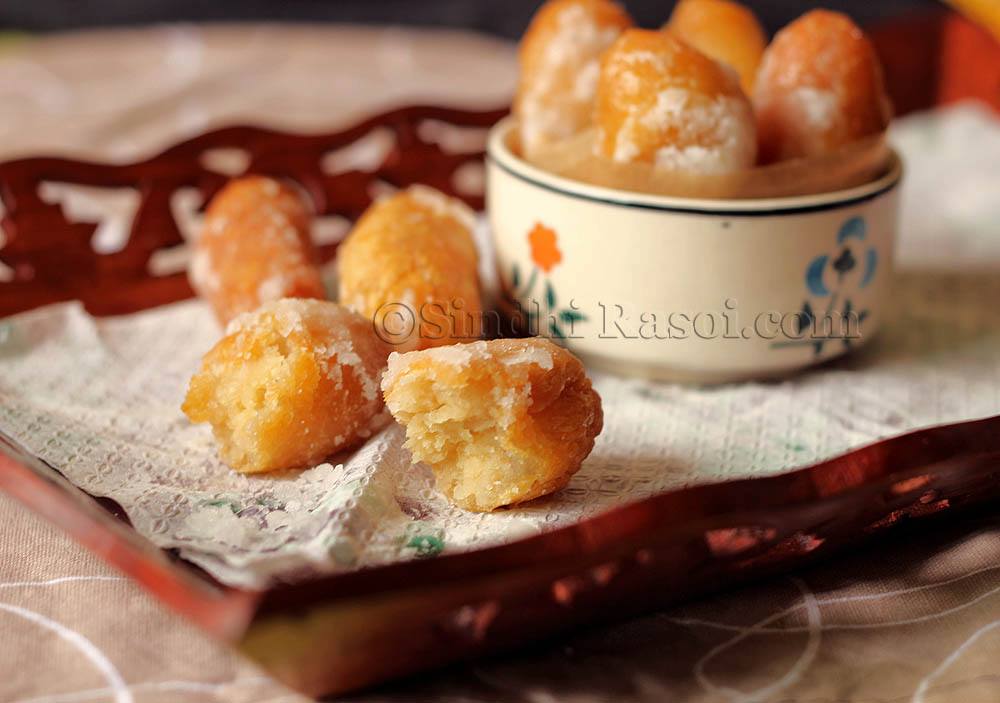
We are now at 6th letter of AlifBe i.e Sindhi Alphabet series and the letter is ت which is त in Devanagari while in Roman Sindhi it is written as T~ i.e by using a Tilde (~) as suffix as we don’t have a corresponding alphabet in English. It is pronounced as T~ as in Taiwan, Taliban, Tabassum etc. In Sindhi it is taught as T~ for Taaro i.e a star! And the Sindhi dish starting with T~ is Tosha! Tosha are very popular Sindhi sweets and these are mostly distributed in Temples as prasad and also in condolence meets,…
-
#Alif Be of Sindhi Food~2 The second alphabet of Arabic Sindhi is ب as B in Baby!As mentioned in the previous post, the Sindhi alphabet is divisible into 16 basic shape groups. In the first shape group we have just one alphabet ا i.e ‘A’! In the second shape group there are 9 alphabets with similar basic shapes, followed by two more alphabets that are similar to some extent. And yet each alphabet is unique because of the position and number of dot/s in each alphabet. So the 1st alphabet of this group, which is the second alphabet of Alifbe…