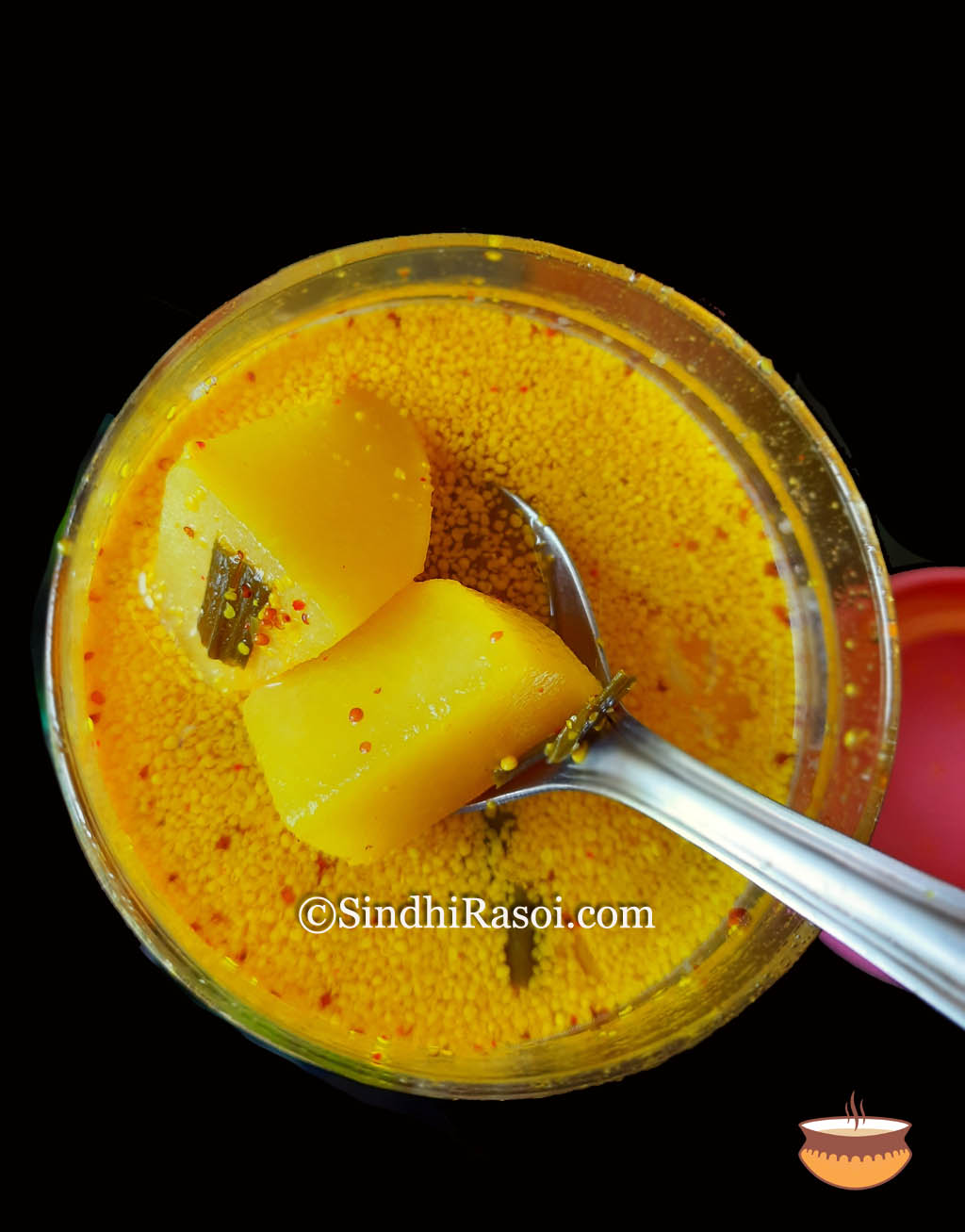
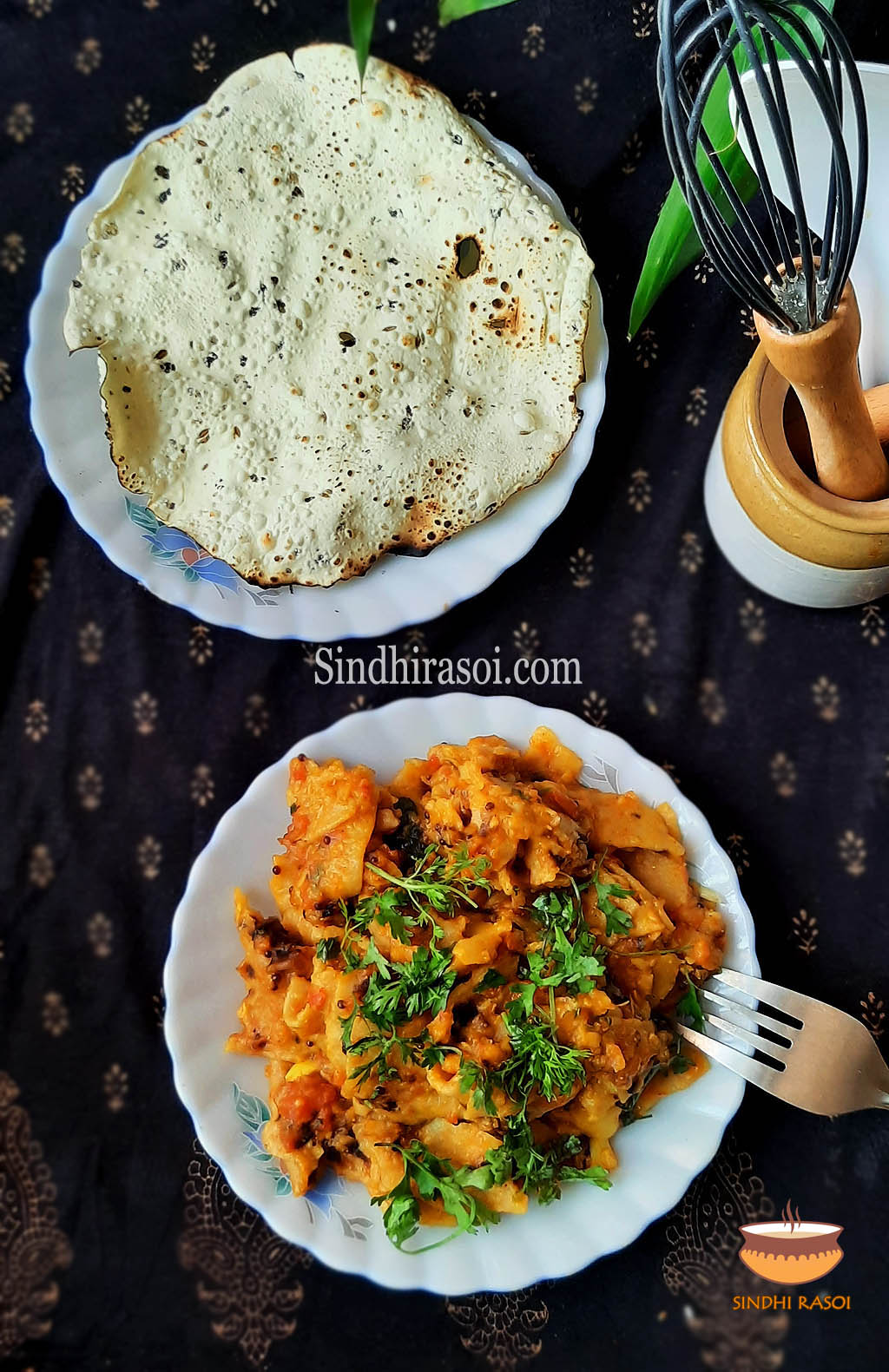
Technically the 17th letter of AlifBe or the Sindhi Alphabet is ح i.e ‘H’ but this particular alphabet is not used for words of Sindhi origin (there is another ‘H’in the AlifBe and it will be covered in future post when we will arrive on it) and hence there is no corresponding dish in Sindhi cuisine. So we will jump to next letter which, again, is used to write words of non Sindhi origin but thankfully we have a popular Sindhi dish starting with that letter. Any guesses?? Well, the 17th letter is خ which is ख़ in Devanagari (Kindly…
-
-
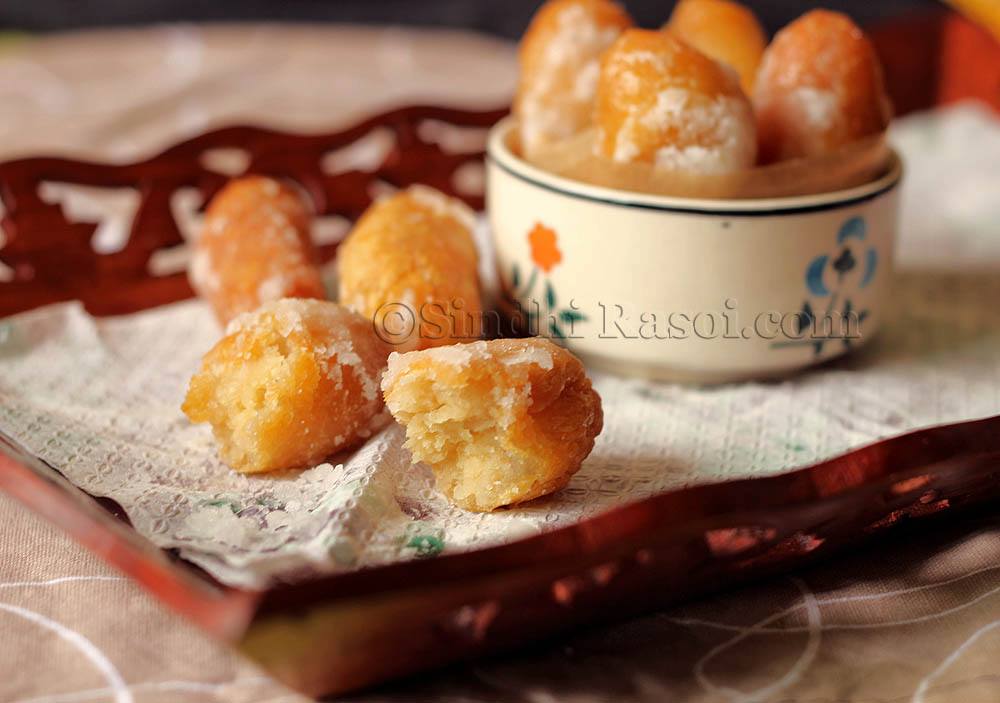
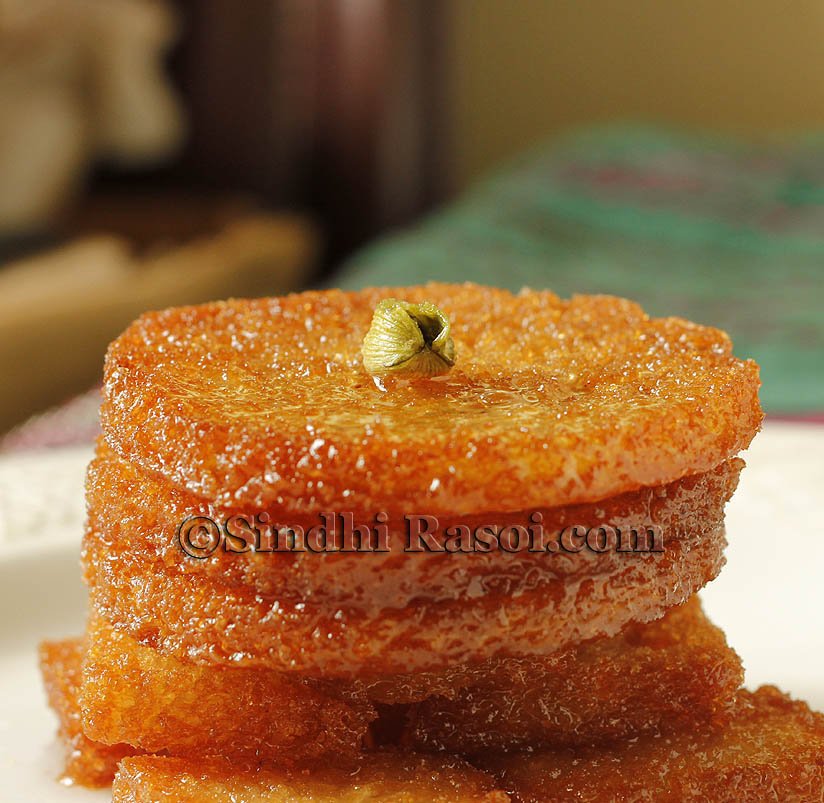
We are now at 6th letter of AlifBe i.e Sindhi Alphabet series and the letter is ت which is त in Devanagari while in Roman Sindhi it is written as T~ i.e by using a Tilde (~) as suffix as we don’t have a corresponding alphabet in English. It is pronounced as T~ as in Taiwan, Taliban, Tabassum etc. In Sindhi it is taught as T~ for Taaro i.e a star! And the Sindhi dish starting with T~ is Tosha! Tosha are very popular Sindhi sweets and these are mostly distributed in Temples as prasad and also in condolence meets,…
-
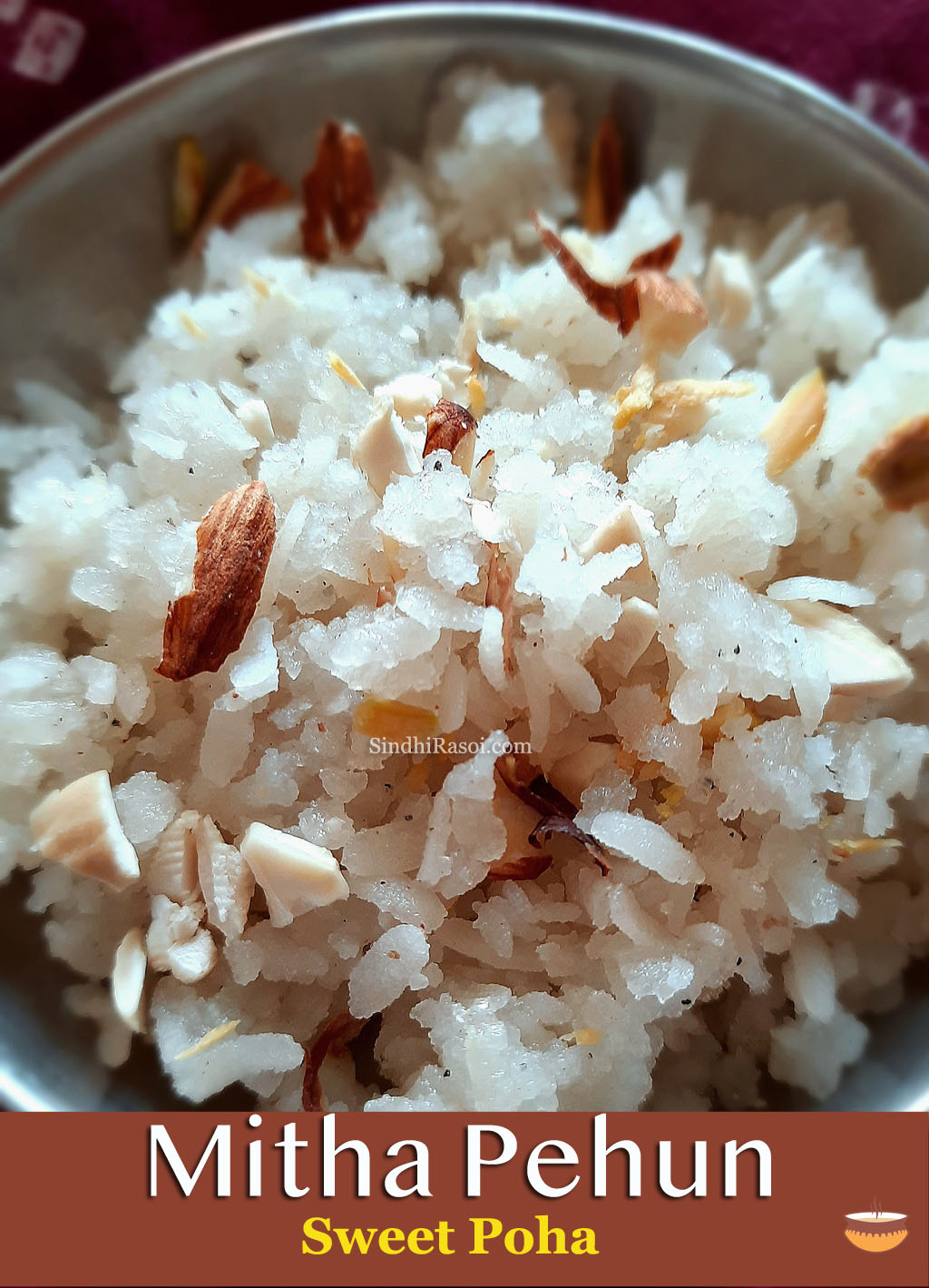
Making Indian sweets at home could be tricky since most of these require perfect consistency of sugar syrup to obtain perfect texture of sweet dish. While some Indian sweets are little forgiving when it comes to syrup consistency (malpua, rasgulla, gulabjamun etc), the texture of batter/dough needs to be perfect for satisfactory results in such cases. For some sweets, the temperature is a deciding factor while some like laddoo need ‘tagar’, a most crucial ingredient to nail the texture and flavours, made by re crystallizing sugar syrup, by vigorously mixing it off flame, till it turns into a coarse powder.…