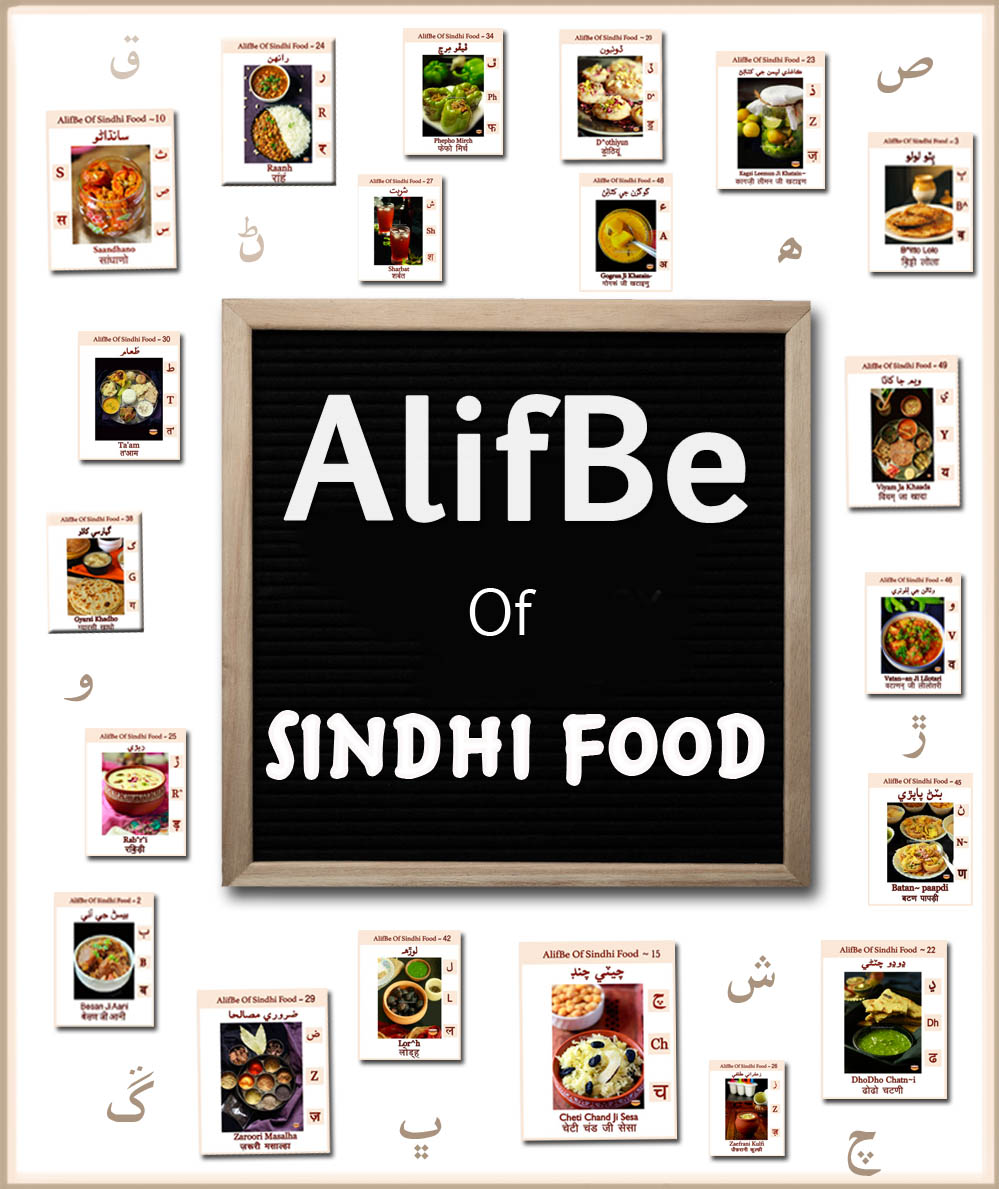
You can check the Insta reel about how to make Turnip pickle here! The 48th Consonant of Sindhi Alphabet is ء, called as ‘Hamzo’ in Sindhi. Hamzo or Amdhro as some call it, is often used as a glottal stop. It is, many a times, used as a vowel glide (when two vowels glide into one another), in a word; for example as in ‘Ma-u‘ (Mother in Sindhi), Mitha-i (sweet) etc. So basically a hamzo is placed in between the two vowels in a word that doesn’t ends with ‘A’ as in Alaph (Alif) ! . There are some set rules…
-
-
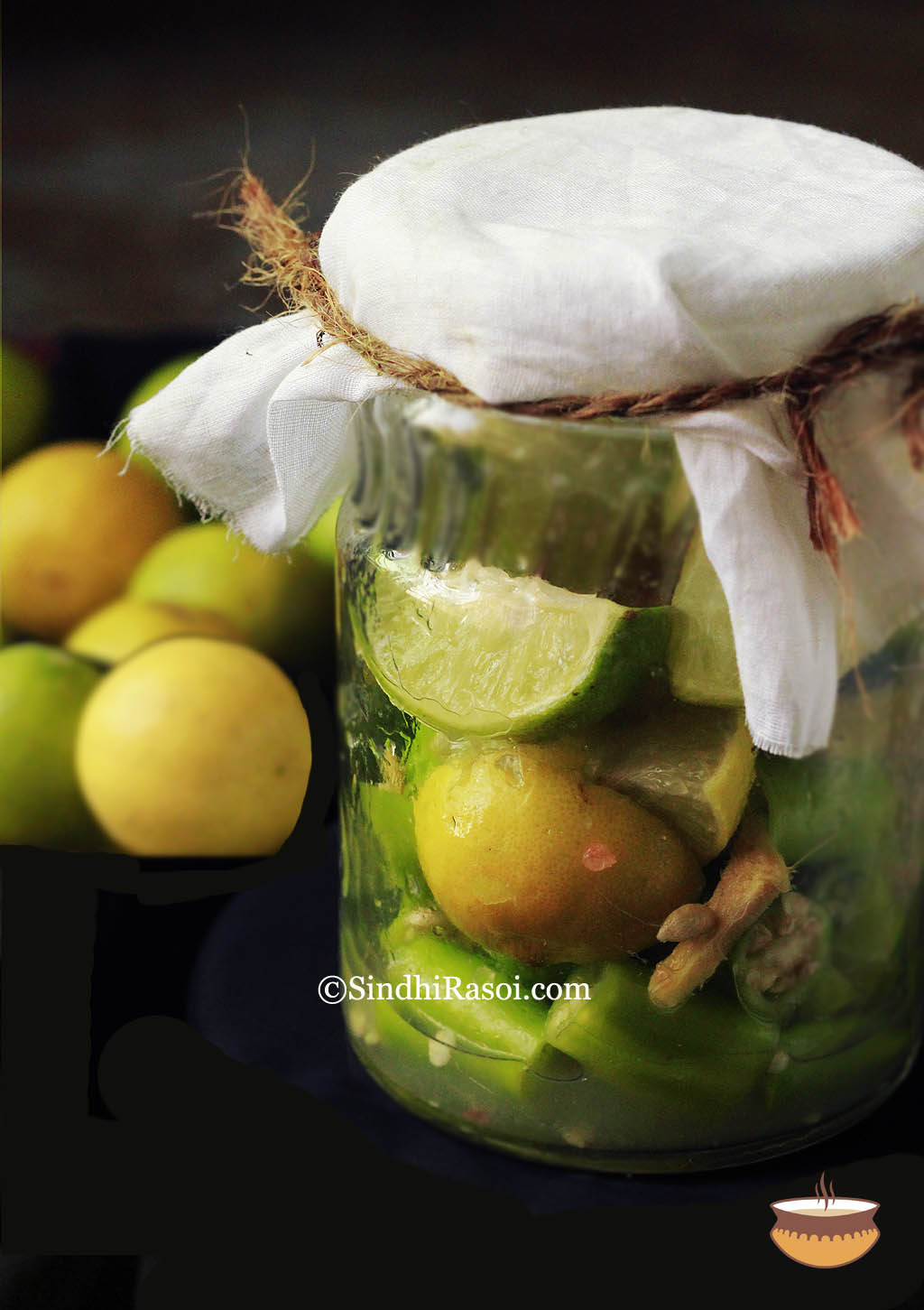
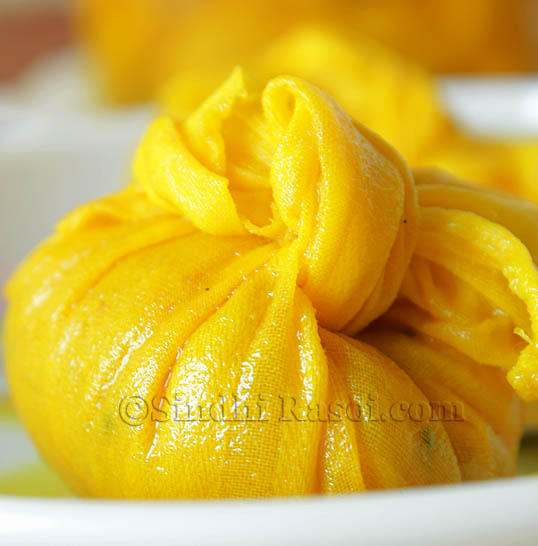
The 23rd letter in Sindhi Alphabet (AlifBe) is ذ i.e ज़ in Devanagari and in Roman Sindhi it is Z as in Zebra ! Ideally this Z i.e ذ is used in words that are not of Sindhi Origin. This Z is known as ‘Zaal‘ and is used in words like ‘Zaro‘(means ‘little’) or Kaagaz (Paper). Since no Sindhi Vegetarian dish starts with this particular Z (There are 3 more ‘Z’s in Arabic Sindhi) I was about to skip this one . But I realised that there is one traditional Sindhi pickle called ‘leemun Ji Khatain~’ (Lemon/lime Pickle) made using…
-
Traditional Sindhi Pickle, Kadhukash is made by pickling grated raw mango mixed with spices and mustard oil tied in small potlis .
-
Awran Jo Murrabo or Indian Gooseberry Conserve is very popular amongst Sindhis, particularly, it is the most favorite of elder generation, because they are well aware of the health benefits of Amla or Indian Gooseberries. Probably all of us have heard about this ‘Wonder Berry’ and the numerous health benefits of consuming Amla on regular basis. Because most toxins in the natural world are bitter, the human body is fine tuned to detect them. A bitter taste on the tongue usually makes us want to spit food out, and the taste receptors we also have in the stomach can detect…