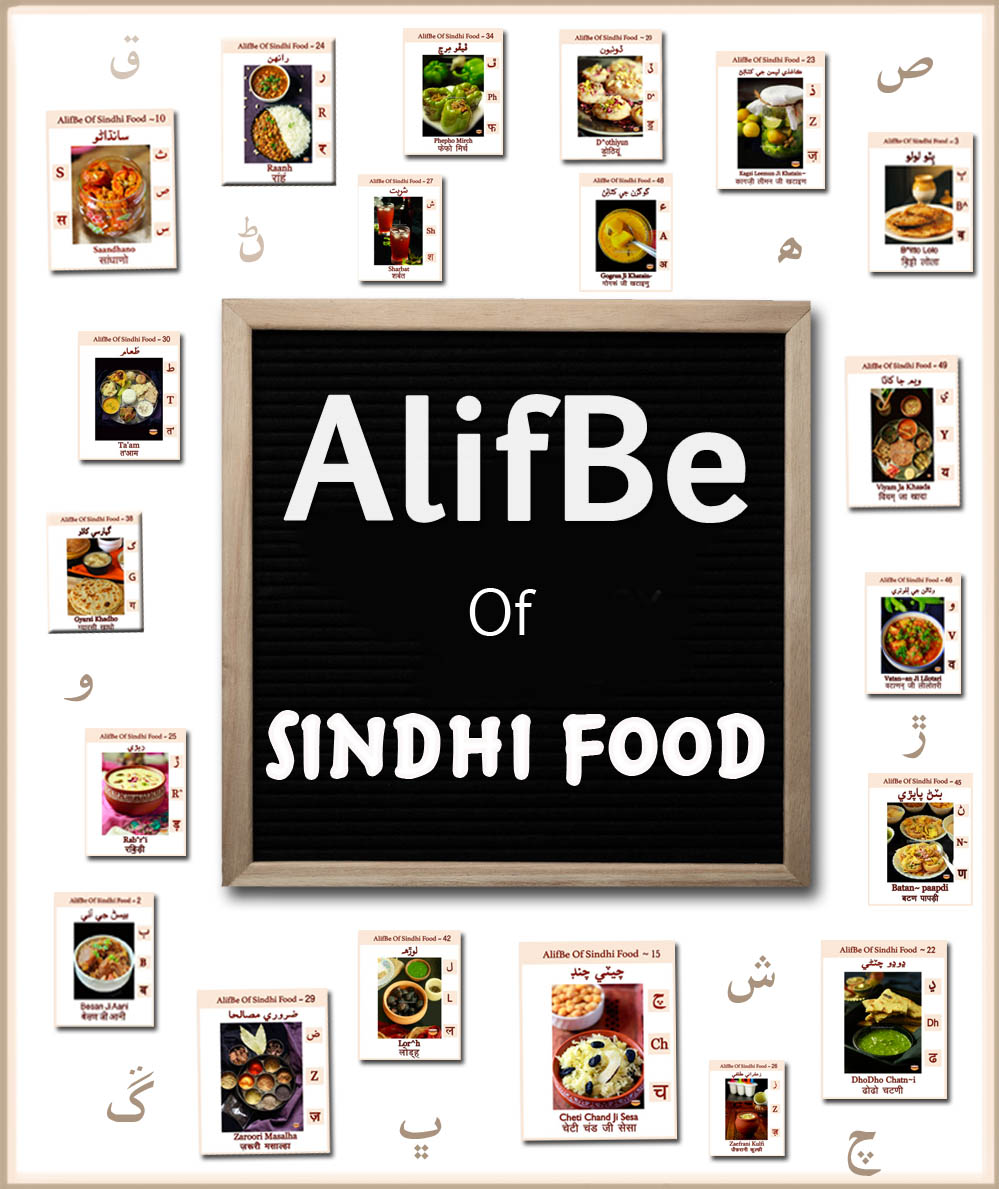
When I started working on my project about documenting ancient, traditional as well as lost recipes from Sindhi cuisine, a few years ago, the biggest challenge I faced was the lack of accessible information about the same. The limited documents that I could access, were in Arabic Sindhi, a script that I never could learn, despite of trying umpteen number of times, since my childhood. I felt stuck up. So the only way to move forward was to learn the Arabic script and to make sure that I don’t give up this time, I took up a challenge; The AlifBe…
-
-
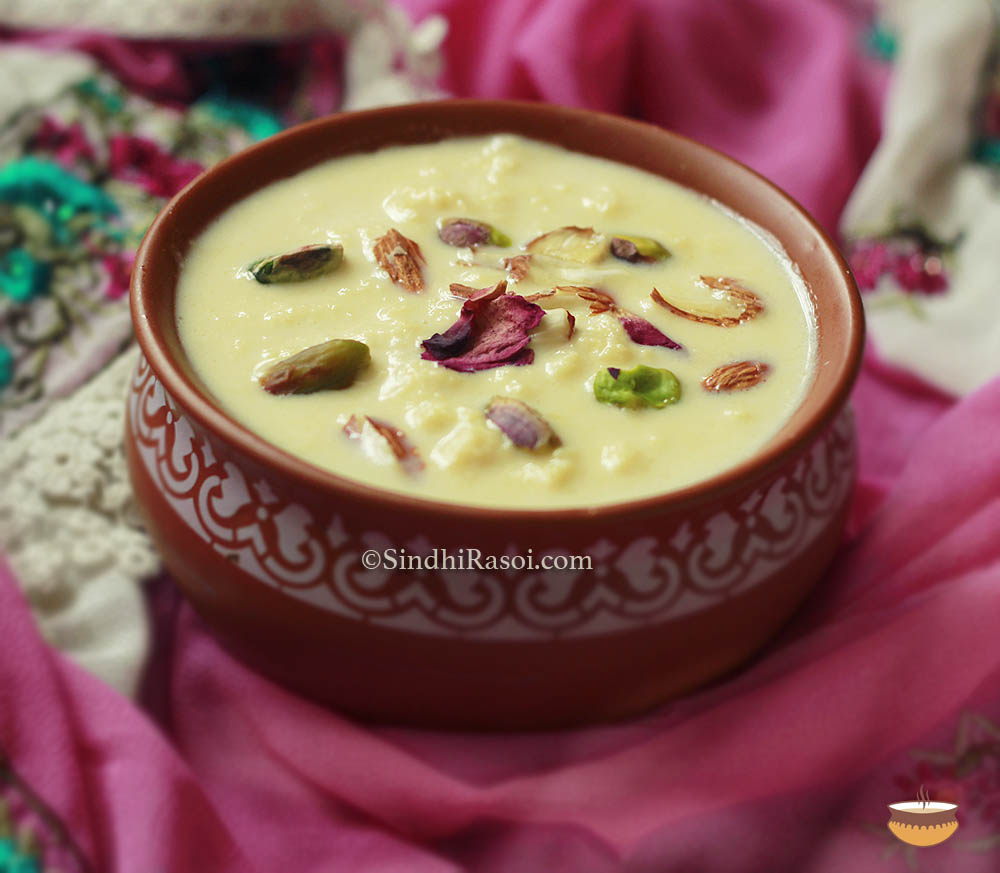
The Dairy products could be divided in many types, for example, heat desiccated (khoya), heat and acid coagulated (paneer, cheese), clarified butter (ghee), frozen (Ice cream), frozen concentrated milk (Kulfi variant) and condensed or concentrated products like Rabdi, Basundi etc. In the spotlight today is the Rabri or Rabdi or as many Sindhis call it, Reb^di! Rabri is a concentrated, sweetened whole fat milk and is considered to be of high nutritive value. It is a traditional preparation and its variations are mentioned in ancient food manuscripts, in food related accounts from 16th century and even in popular Mangal Kavyas…
-
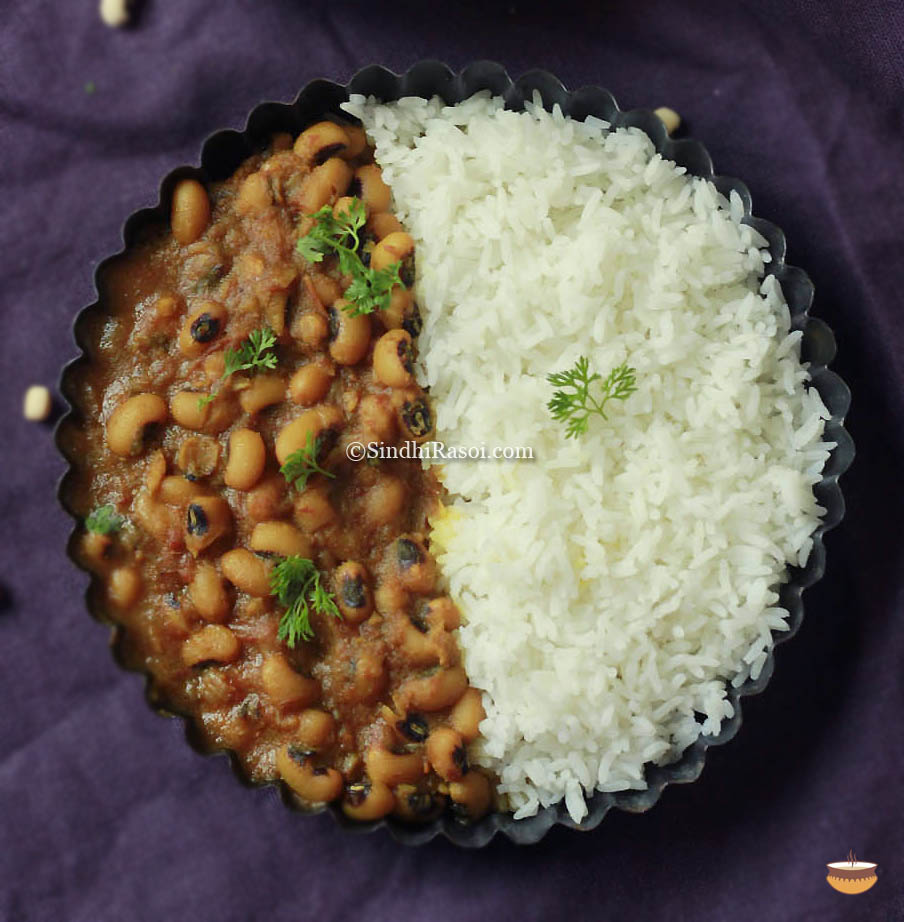
As mentioned many times in the AlifBe series, the 52 letters of Sindhi Alphabet are divisible into 16 shape groups and so far four shape groups are done and dusted! For the recap of the alphabets covered so far, please check this list! In the 5th shape group there are three letters and the first one in this group isر in Arabic Sindhi, र in Devanagari, while in Roman Sindhi it is R as in Ratnagiri/Rajasthan etc. And the corresponding Sindhi dish is Raanh, also called Chauran and Chawli for AlifBe of Sindhi Food #24 Raanh or Black eyed beans…
-
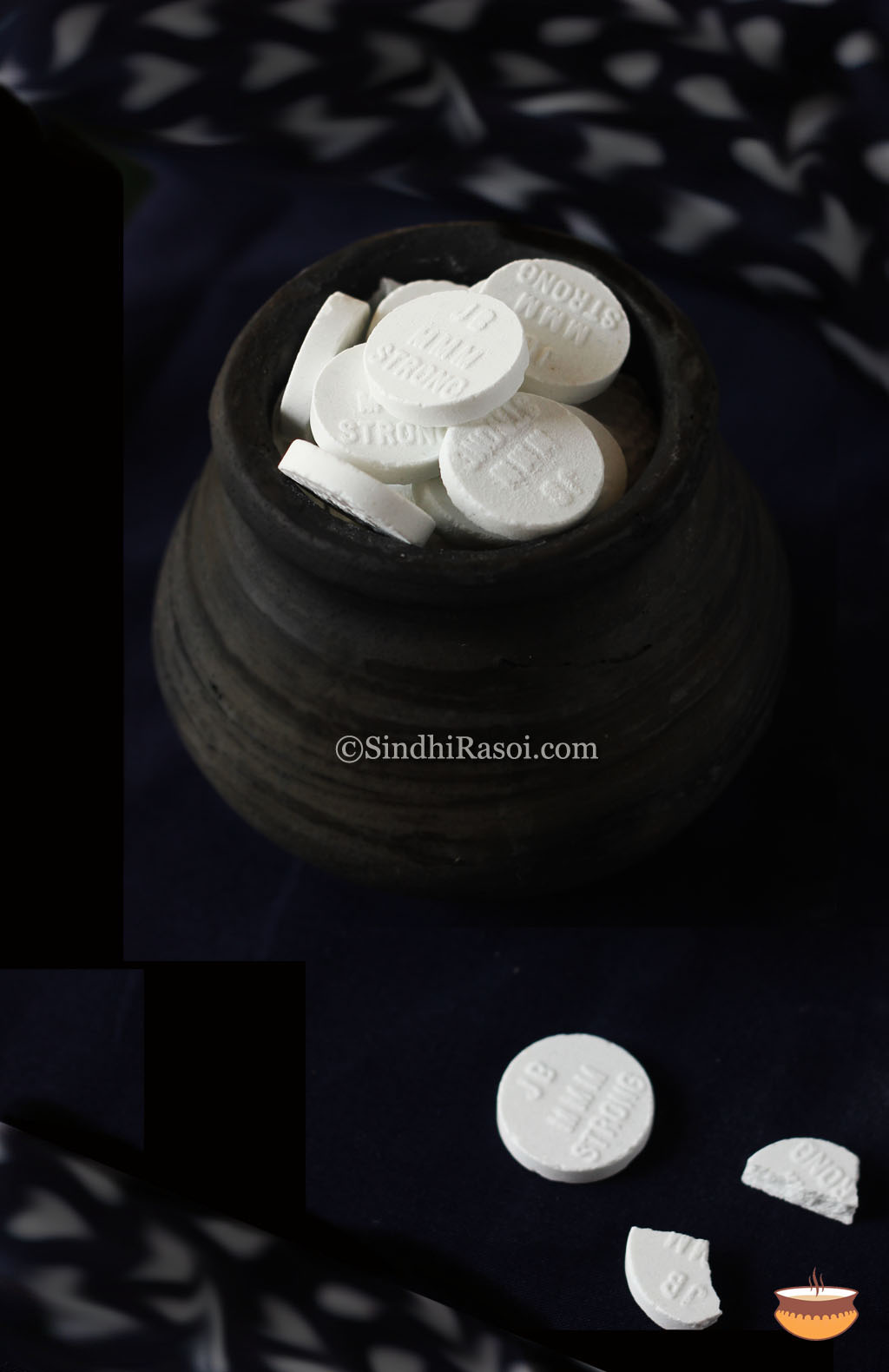
The 11 th letter/consonant of AlifBe series is ج which is J in Roman Sindhi and ज in Devanagari. J as in Jowar, Japan, Java etc. This consonant belongs to third basic shape group. To know more about the 1st and second shape groups you can check this recap post! My hunt for a Sindhi dish starting with Alphabet J led me to Johar/Jwar Ji tikki and when I was discussing it with Ma and Papa (MIL and FIL) I realised that it is indeed very unique. Not sure about the Zen X generation but Millennial Sindhi kids may nod…