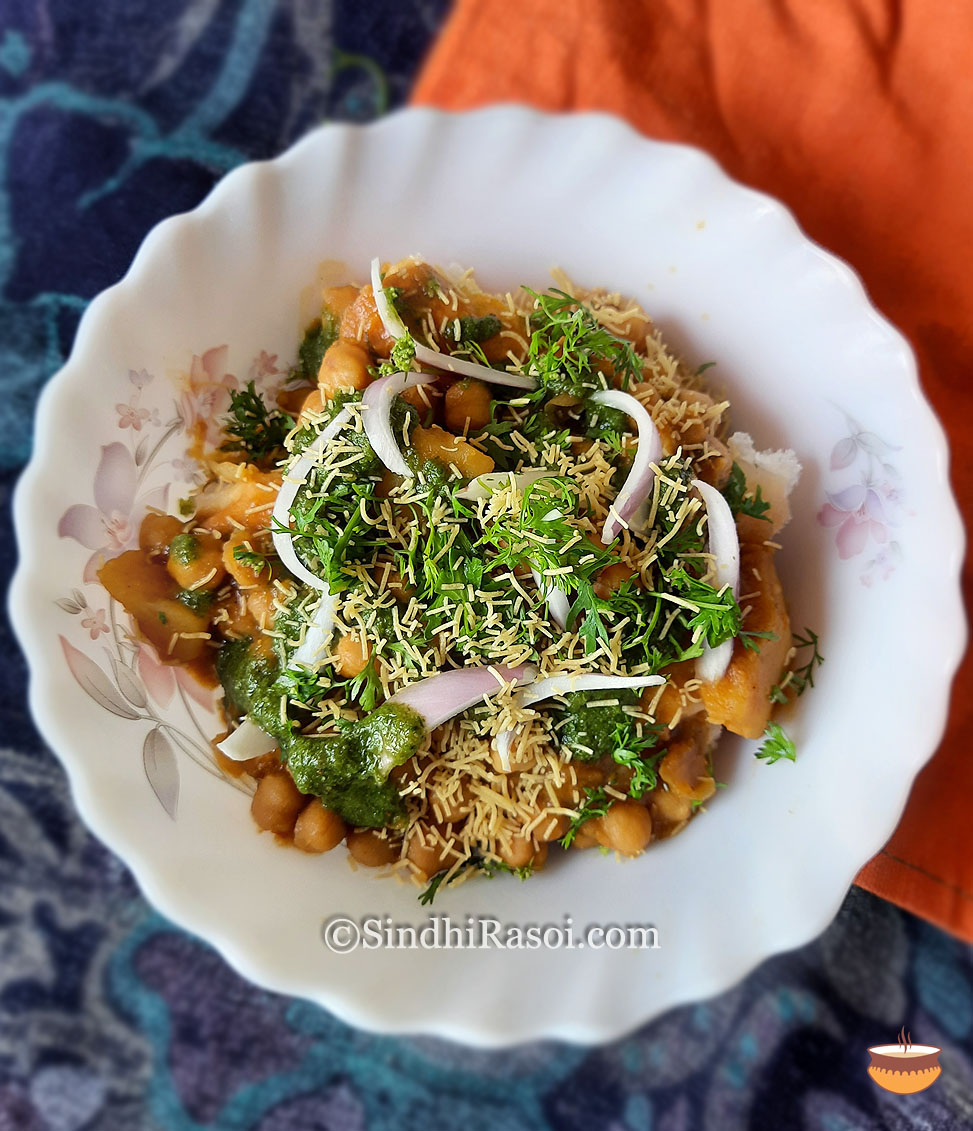
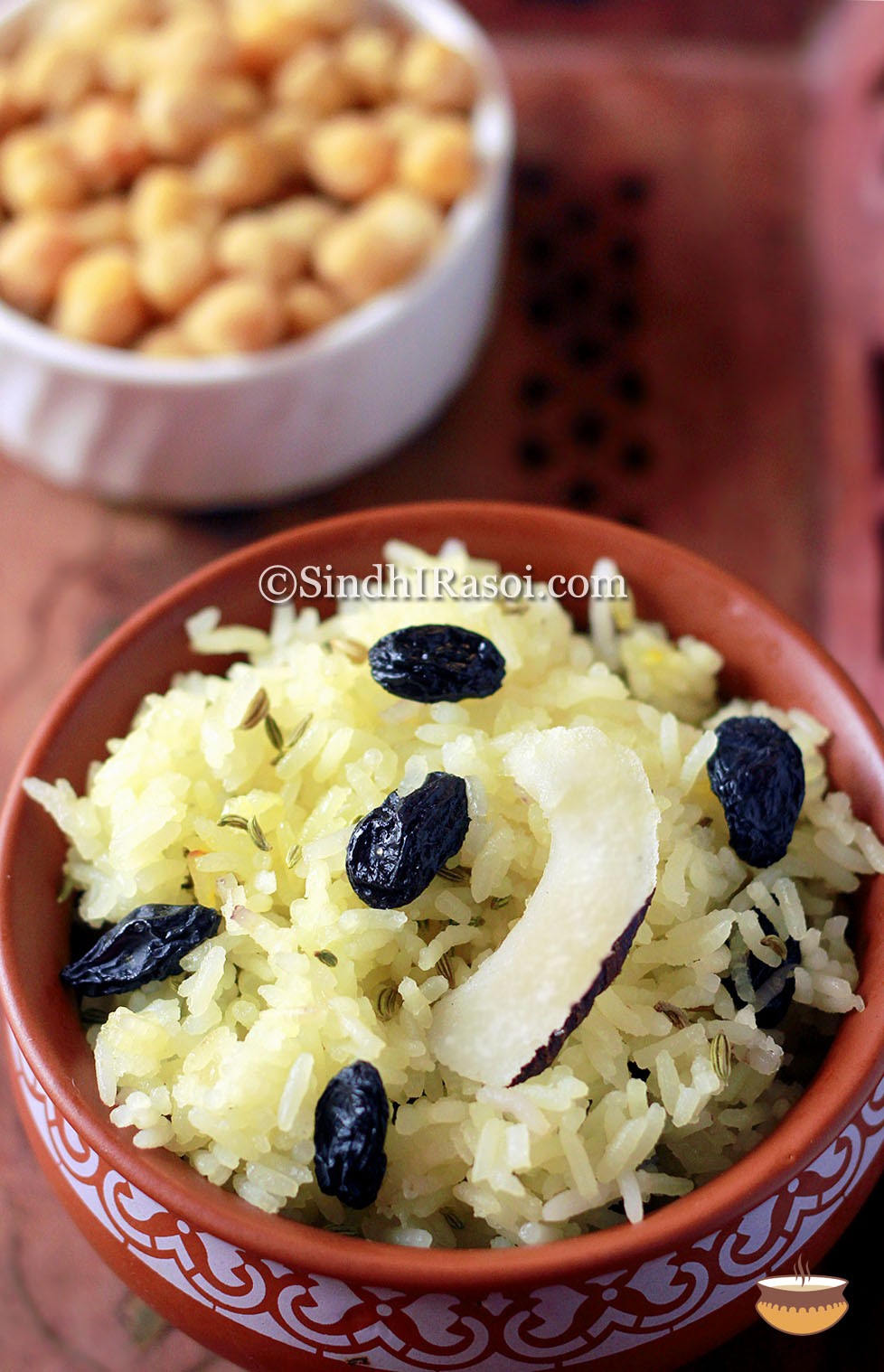
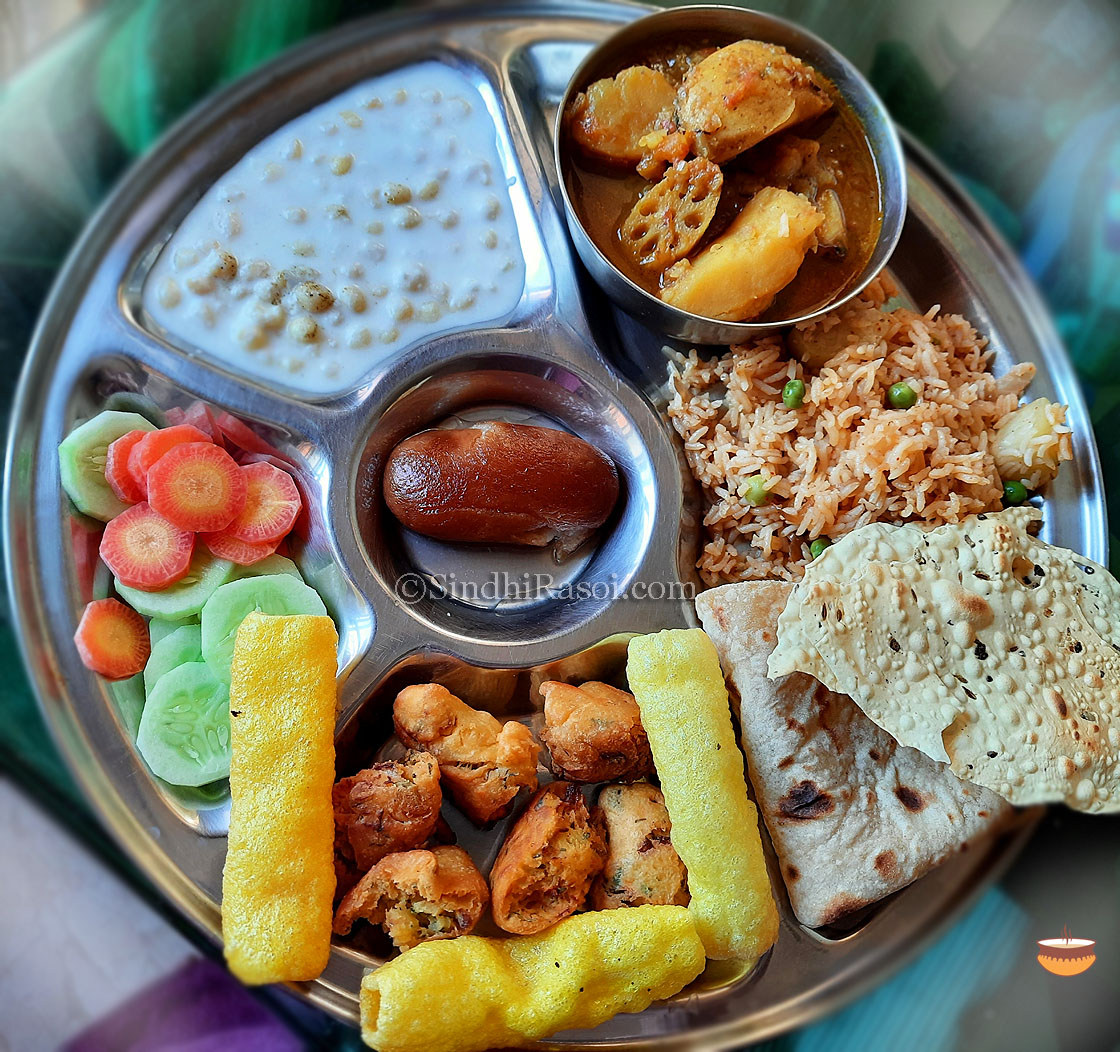
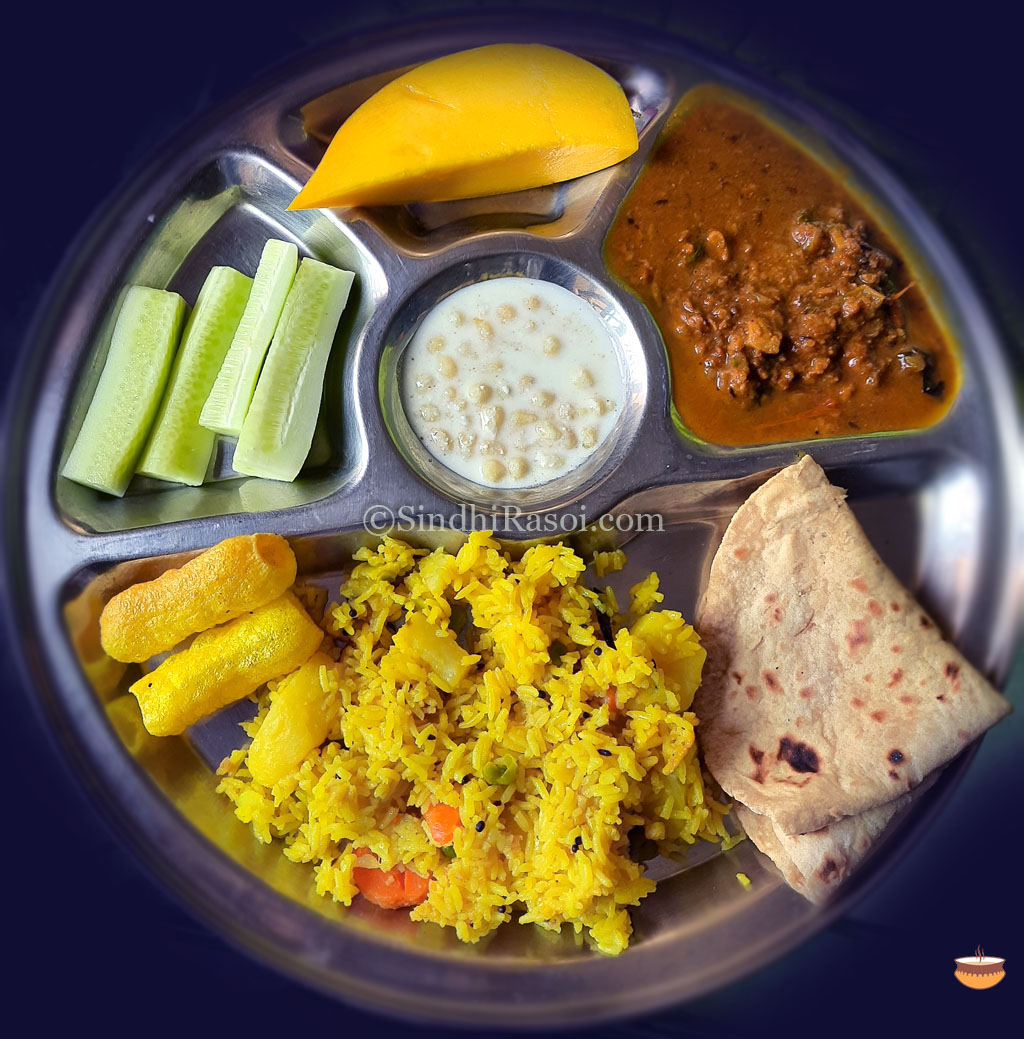
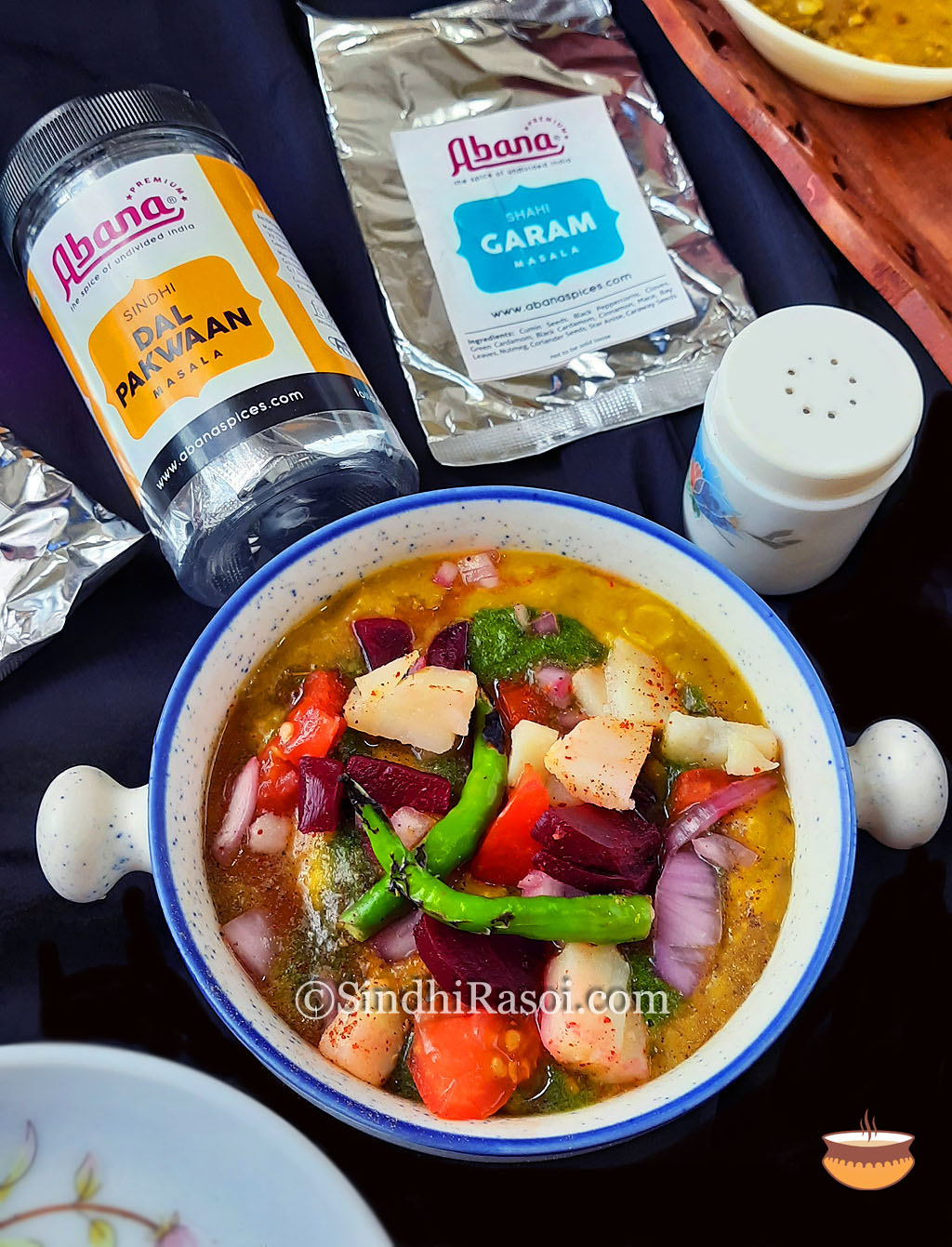
We have arrived at the 4th shape group in Sindhi Script with the 18th letter and it is د or ‘D~’ as in Daawat or as in Dehradun, in Roman Sindhi while द in Devanagari. To Check a recap for AlifBe series kindly click here ! The Sindhi dish starting with د is Dal Dimma or Dal mung! Folks from Sindhi populated areas might know how common it is for people to flock around the carts selling Dal pakwan, early mornings. Though traditionally Sindhi Pakwan is served with Chana dal, it is very common to find carts where you will get…
-
-
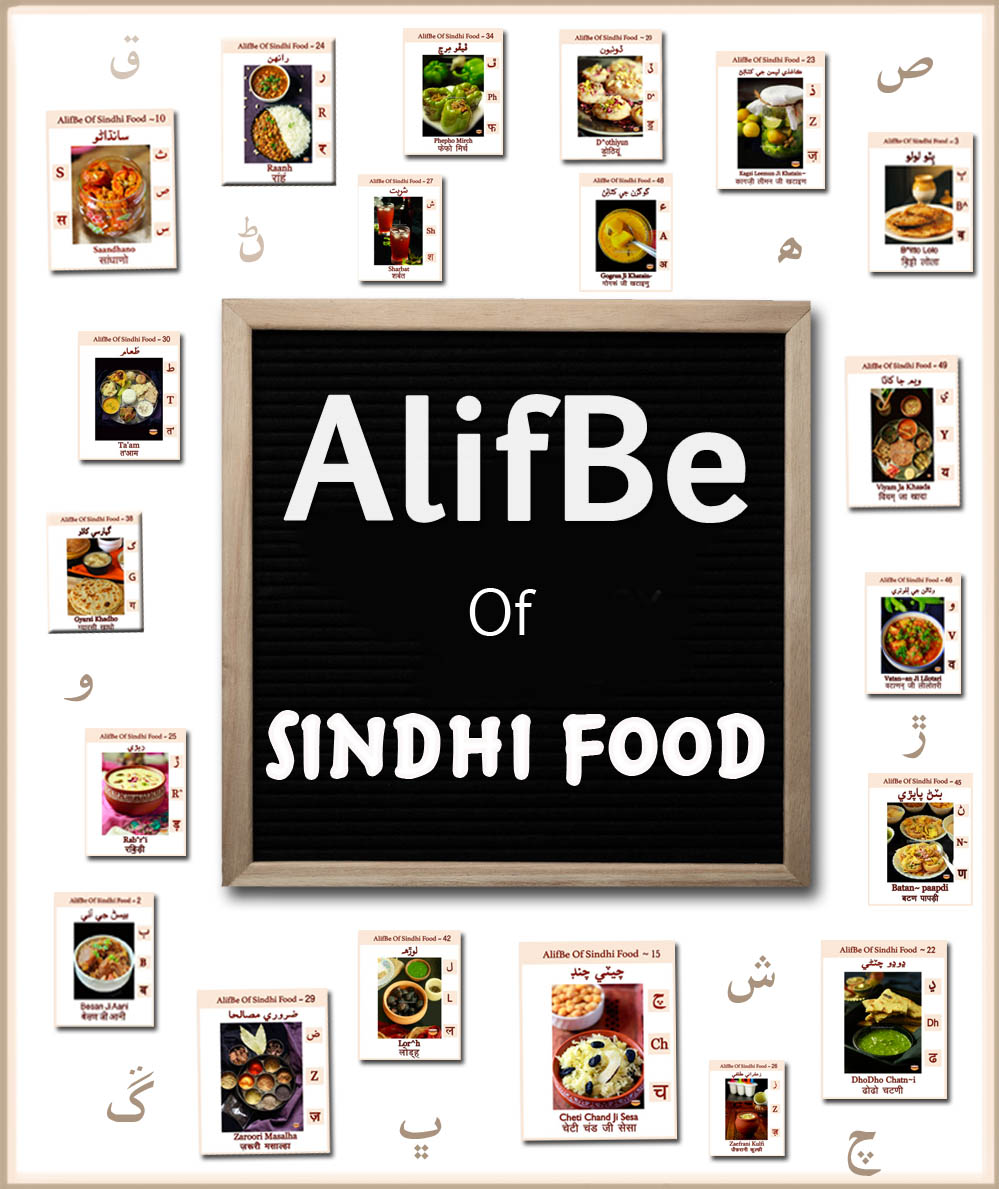
In my first post of AlifBe series I have mentioned that the 52 letters of Sindhi Alphabet, known as AlifBe or Alaph Ambhu, could be divided into sixteen basic shape groups. So far I have covered 17 ( Have skipped one alphabet as it is not used for words of Sindhi origin). Sharing a list of all that are covered so far! A short recap: 1st Shape Group: ا (अ/A) is the only alphabet in first shape group! ا as in ‘Attack’ or ا as in Atte Ja Ladoon The following 9 alphabets come under the second basic shape group characterised…
-
Technically the 17th letter of AlifBe or the Sindhi Alphabet is ح i.e ‘H’ but this particular alphabet is not used for words of Sindhi origin (there is another ‘H’in the AlifBe and it will be covered in future post when we will arrive on it) and hence there is no corresponding dish in Sindhi cuisine. So we will jump to next letter which, again, is used to write words of non Sindhi origin but thankfully we have a popular Sindhi dish starting with that letter. Any guesses?? Well, the 17th letter is خ which is ख़ in Devanagari (Kindly…
-
Chhola /Charaan i.e Kabuli Chana curry is a very popular dish in Sindhi cuisine and it is often had with rice, roti as well as with sliced bread and Pao (laadi paav) too. Sindhi style Chole (Chhole in Roman Sindhi) are made in basic onion tomato gravy style, though many cook it in just tomato gravy. No tea leaves are used (to give color) and also, traditionally, no chole masala (spice mix) is added. The curry gets its flavors from whole spices like Kamaal patt (Tej Patta), vadho photo (Black Cardamom) etc while tomatoes and tamarind (optional) provide tanginess. Few…
-
Today (13th April 2021) is Cheti Chand and we, the Sindhis, celebrate it as our New year, with great enthusiasm. Why do Sindhis Celebrate Cheti Chand? The legend says that people in Sindh (Now in Pakistan) were tortured by an arrogant ruler named Mirikshah who tried to force Hindu Sindhis to accept Islam. Sindhis being followers of Varun Devta, Lord of Waters, gathered on the banks of holy Sindhu (Indus) River and prayed for some miracle to save them. After fasting and praying for many days there was an akashvani that the Lord Vishnu will soon take birth in an…
-
In olden days, a wedding in a Sindhi home would mean a buzzing neighbourhood. The male clan would deal with the logistics of a wedding, distributing wedding cards, booking tickets for relatives traveling from far and wide, making arrangements for their stay, booking Maharaj or cook/s to cater to family/relatives, friends etc. The female clan (from the family as well as from the neighborhood) on the other hand would take charge of stocking spices, grains, pulses etc. Almost a fortnight before marriage eve, ladies in the family and around would wind up the daily chores and come together to make…
-
We are now at the 13th letter of Sindhi alphabet, the AlifBe and the consonant is جهہ as in Jhelum or Jhansi. It is written as ‘Jh‘ in Roman and as झ in Devanagari. Points to note: Some of you who are learning AlifBe with me have asked why the letters appear to be different when used in words as compare to when written individually. Please note that many Sindhi alphabets are formed differently depending upon their individual position in a word. For instance, just check how جهہ is written varyingly depending on its position in any word. Since this…