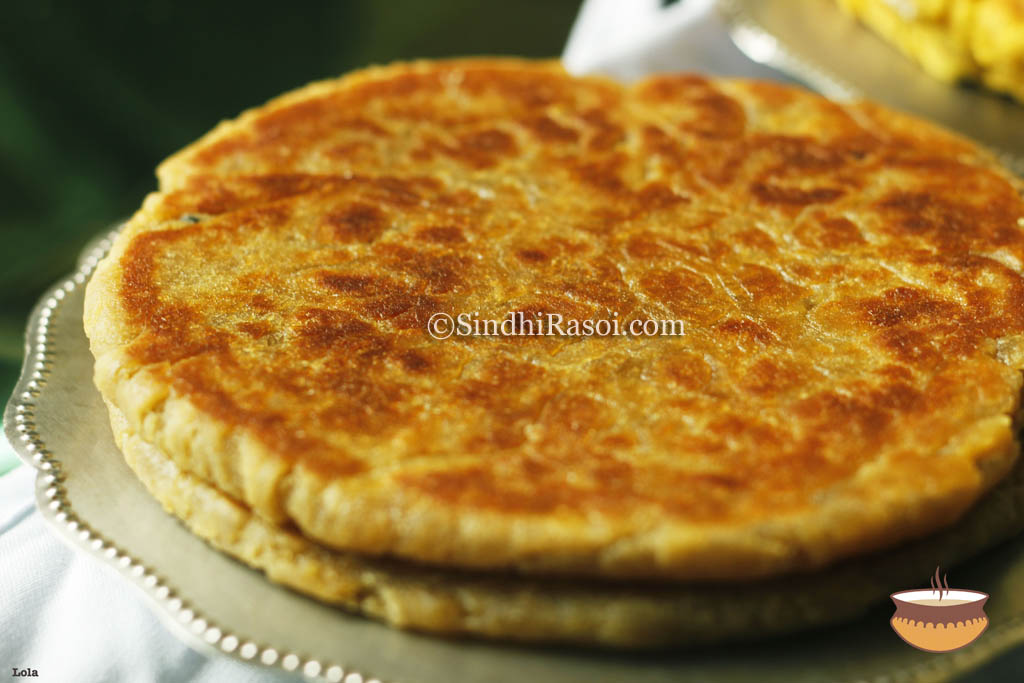
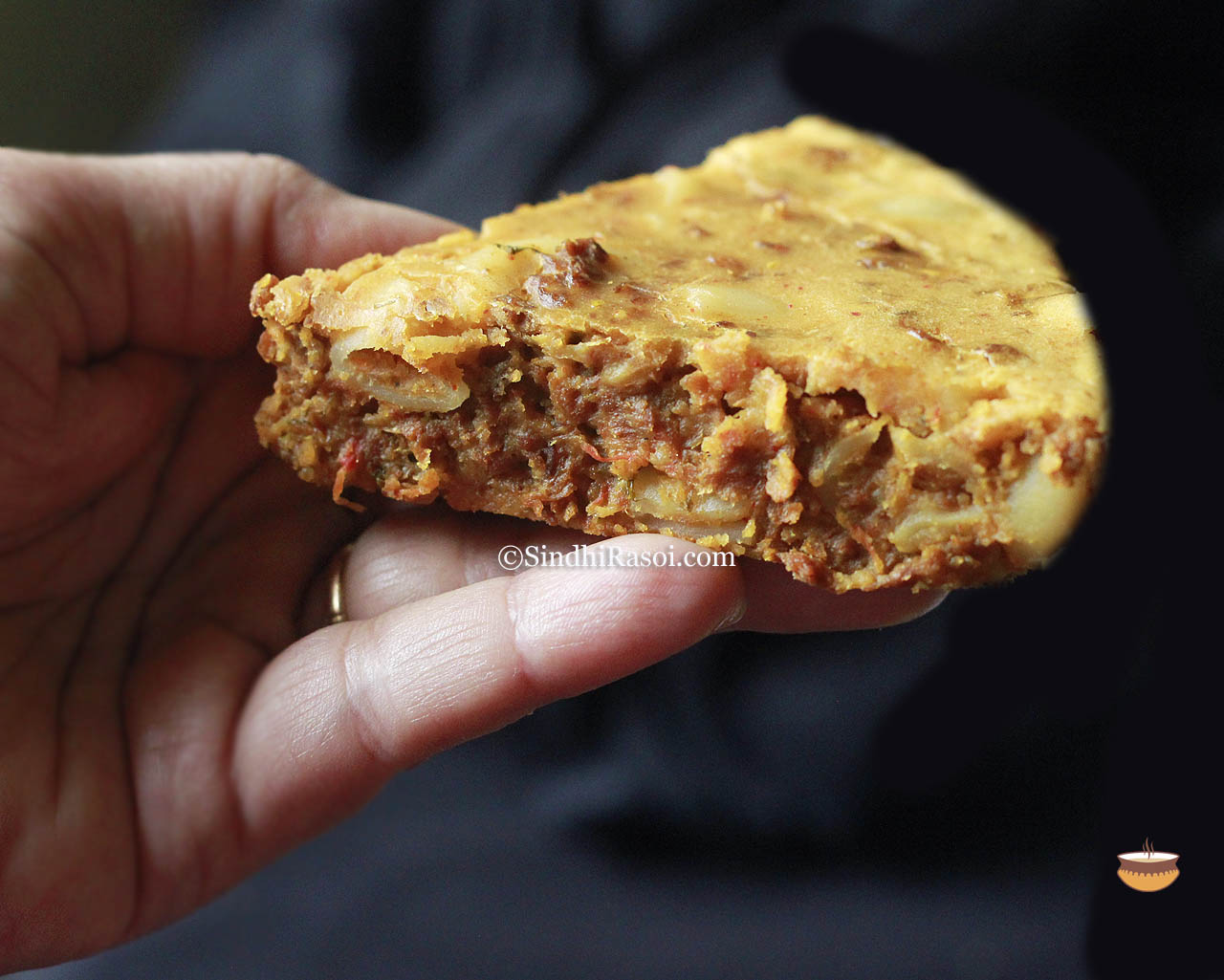
The name of the dish i.e Qeeme Jo Lolo, is very misleading. Let me break down the details in a simpler way! The Name (s)! Qeeme Jo Lolo is also known as Qeema Macaroni cake, Qeema Macaroni pudding and TalleBadhi The Dish A mix of cooked minced meat and macrolyun (macaroni/elbow pasta) binded with beaten eggs, steamed/baked/tawa cooked is called Qeeme Jo Lolo. The confusions 1) The jaggery sweetened Lolo that is made for Puja rituals is called Lolo/Mitho Lolo. I always wondered why some call it Mitho (sweet) Lolo as Lolo is always sweet. But now I know the…
-
-
Gogo or Gogro is a Sindhi festival celebrated in honor of the God of snakes, named Gogal Devta. It is celebrated as Nag panchmi by many Indian communities. Gogo is now observed only by a small percentage of Sindhi families and many are not aware of the rituals as well. But for those who wish to know why and how this festival was celebrated, here I am, with some details about the Gogo festival. The Legend: Gogo (Gogal), as per a legend, was the grandson of King Gopichand who ruled a place in Thatta (Now in Sindh, Pakistan). Gogo’s mother…
-
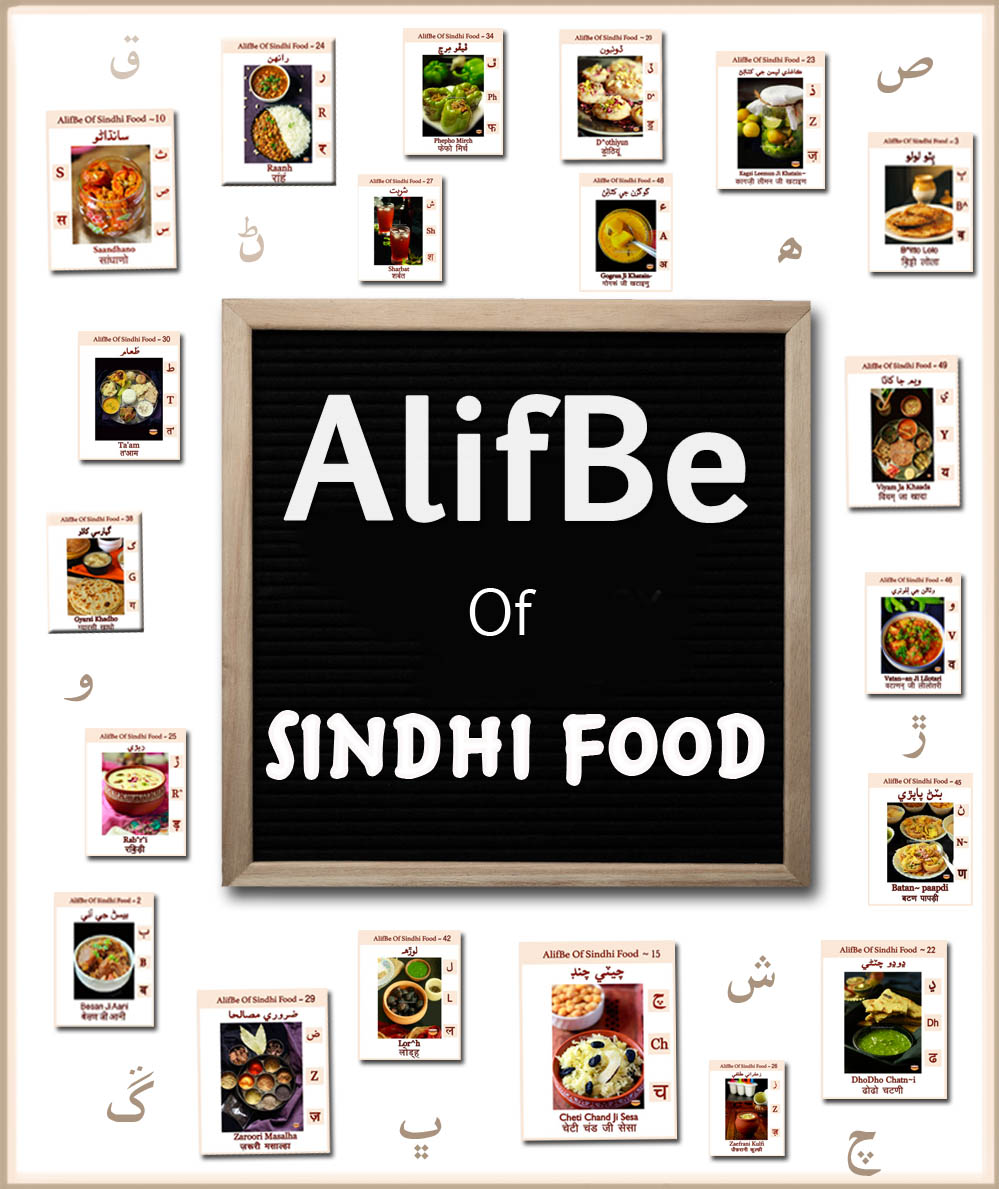
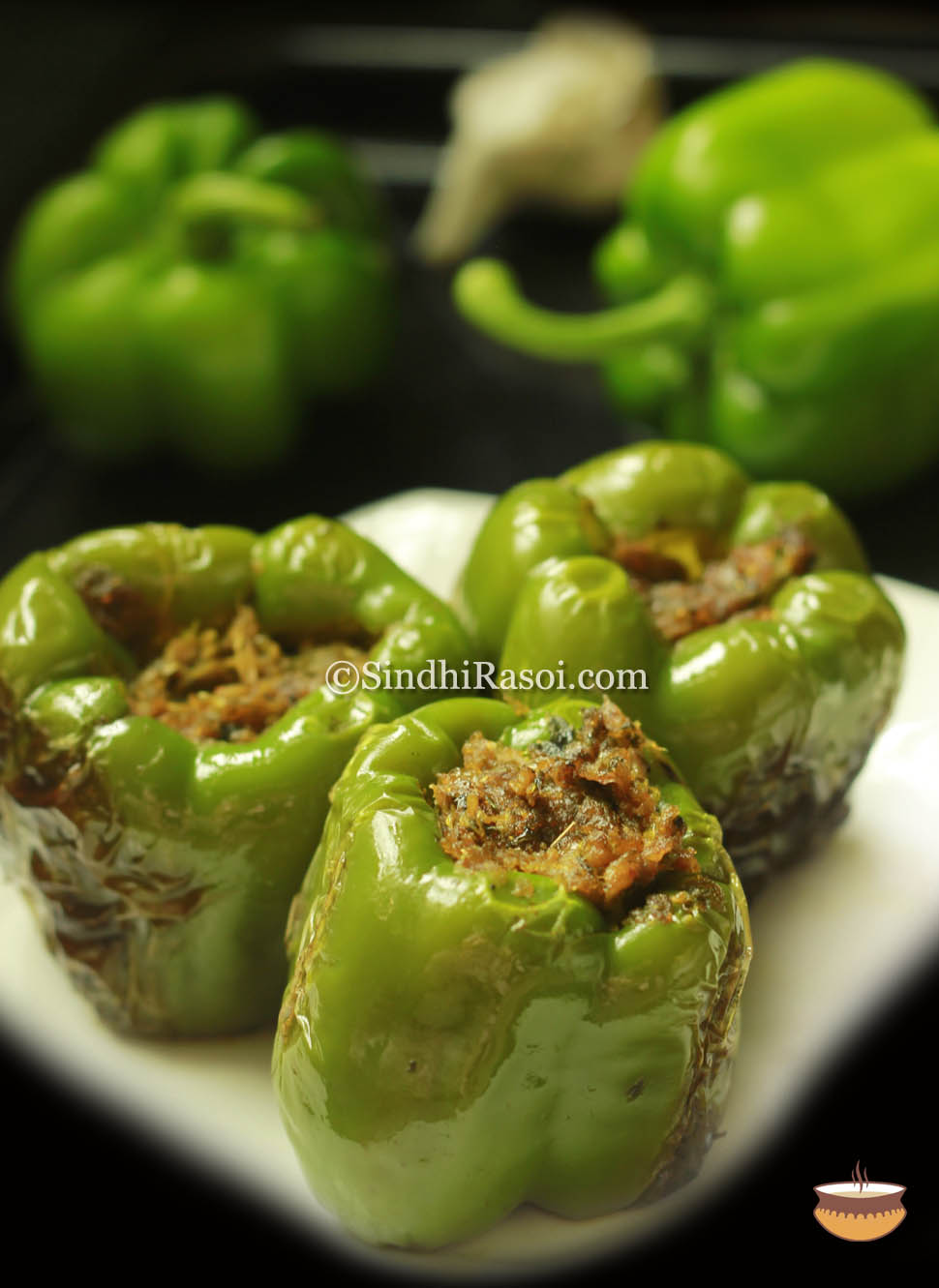
For the Recipe video of Phepho Mirch check this youtube link: Or scroll down to reach text recipe (that you can even print) and video of “how to make Phepho Mirch”! Phepho Mirch (plural= Phepha Mirch-a) is a delicious Sindhi style preparation. It could be had as a side dish with Dal, rice and Roti. The stuffing is a popular Sindhi style mix, often used for stuffing whole vegetables. Coming to AlifBe series, we are now at the 34th Consonant in Arabic Sindhi script and it is ڦ in Sindhi, फ in Devanagari and ‘Ph’, as in photo/phone, in Roman…
-
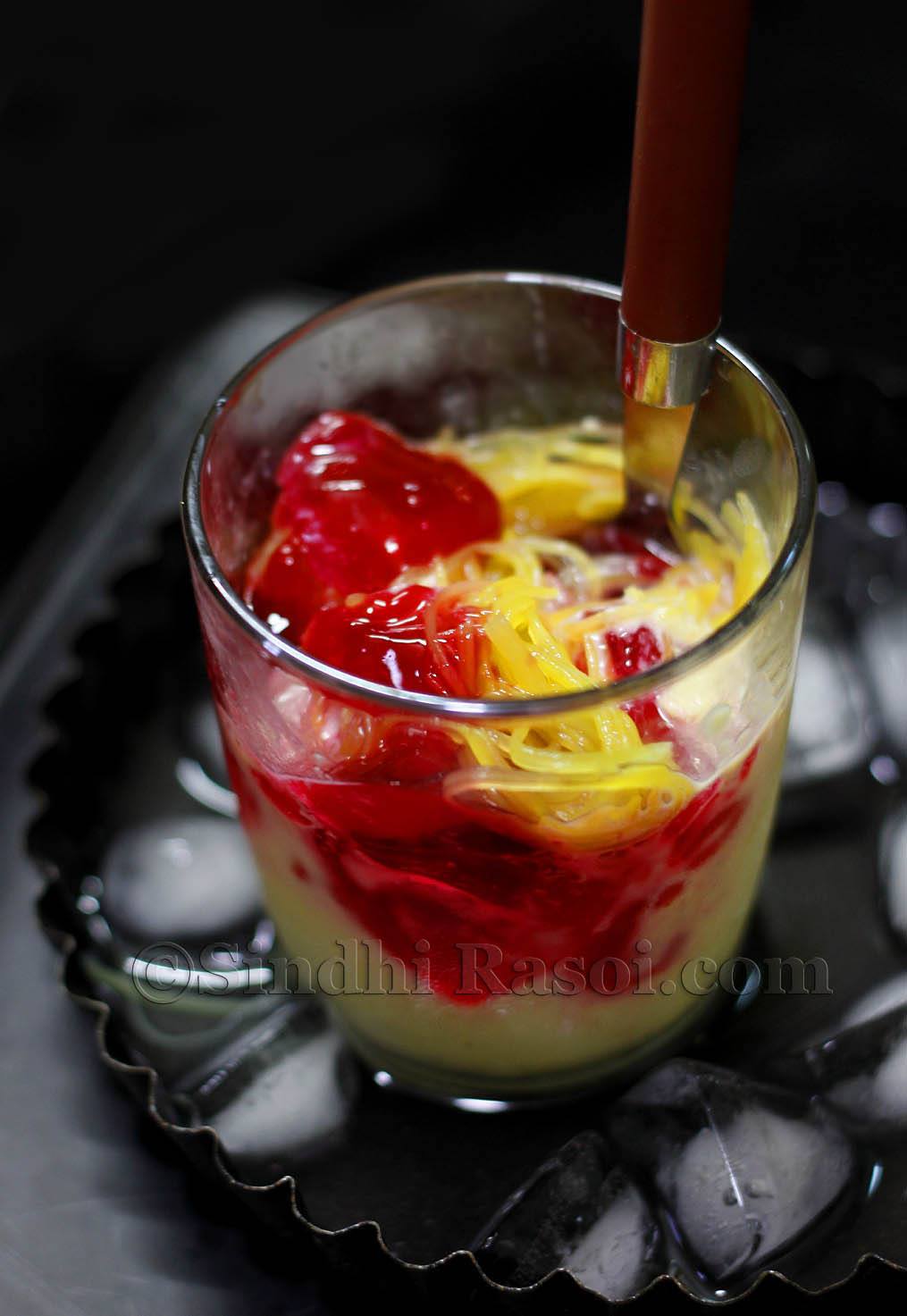
Watch the video about how to make Faluda Sev at home. It is my first video recipe: If you assume that making Faluda sev at home is difficult, then please do check today’s recipe! Hello everyone, hope you all are doing good! I am here today to share a very simple recipe of Faluda sev. It barely takes 15-20 minutes to make it at home. But before I hop on to the recipe, let’s talk about today’s alphabet i.e ف in Arabic Sindhi, फ़ in Devanagari and ‘F‘ in Roman. There ain’t any Sindhi Dish starting with this…
-
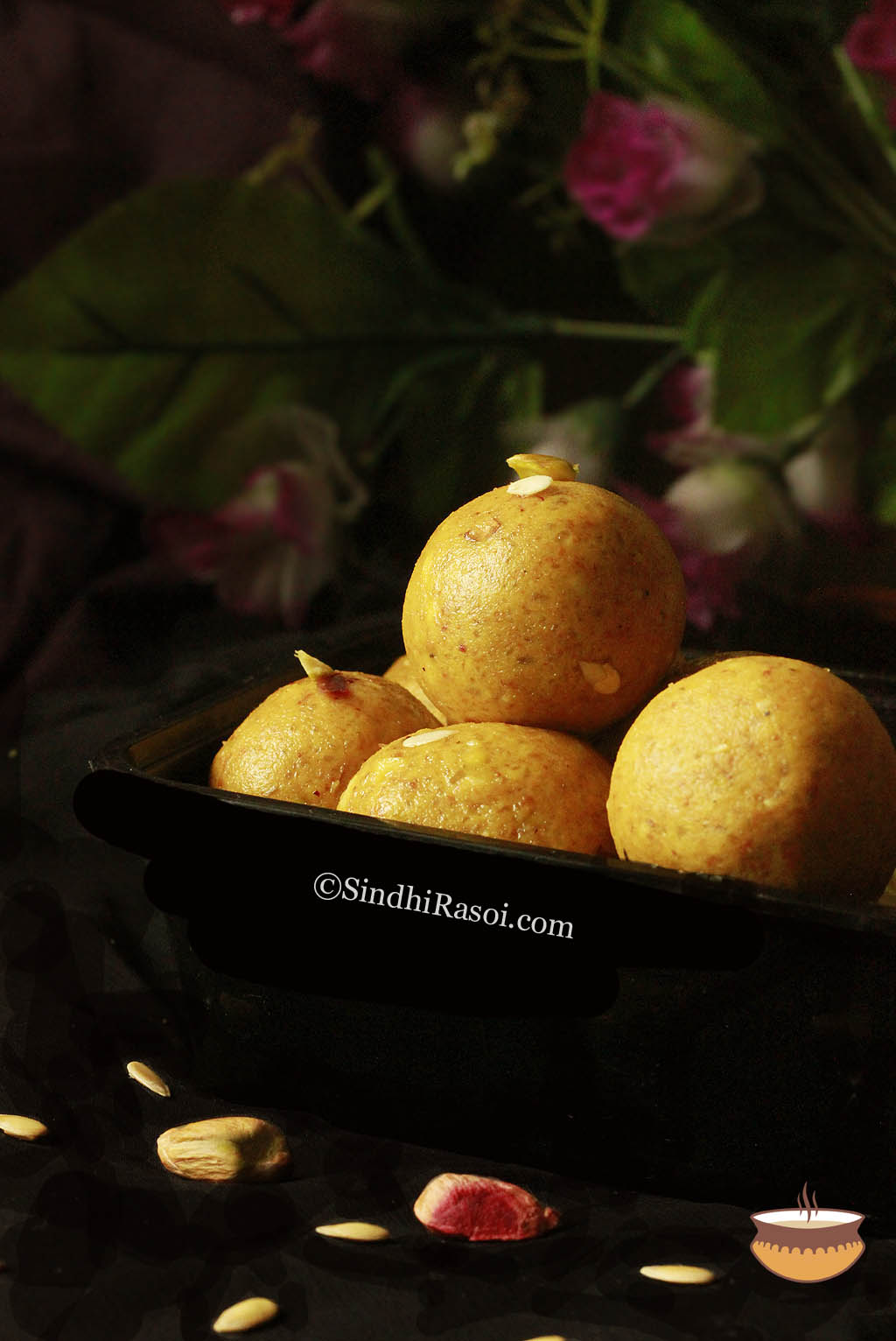
Magaz or Char Magaz to be precise, is a mix of four types of seeds! These delicious seeds of melon family are immensely popular as superfood and are not only consumed raw or toasted but are also used in many sweet dishes as well as in curries! Char magaz i.e kernels of Watermelon, Cantaloupe, Pumpkin and Cucumber are used in many Sindhi dishes as well. The seeds are known for their brain boosting properties (Hence the name, Magaz or Brain!) and are a powerhouse of nutrition being rich in vitamins, minerals, proteins etc. The AlifBe #32 is غ i.e G̣…
-
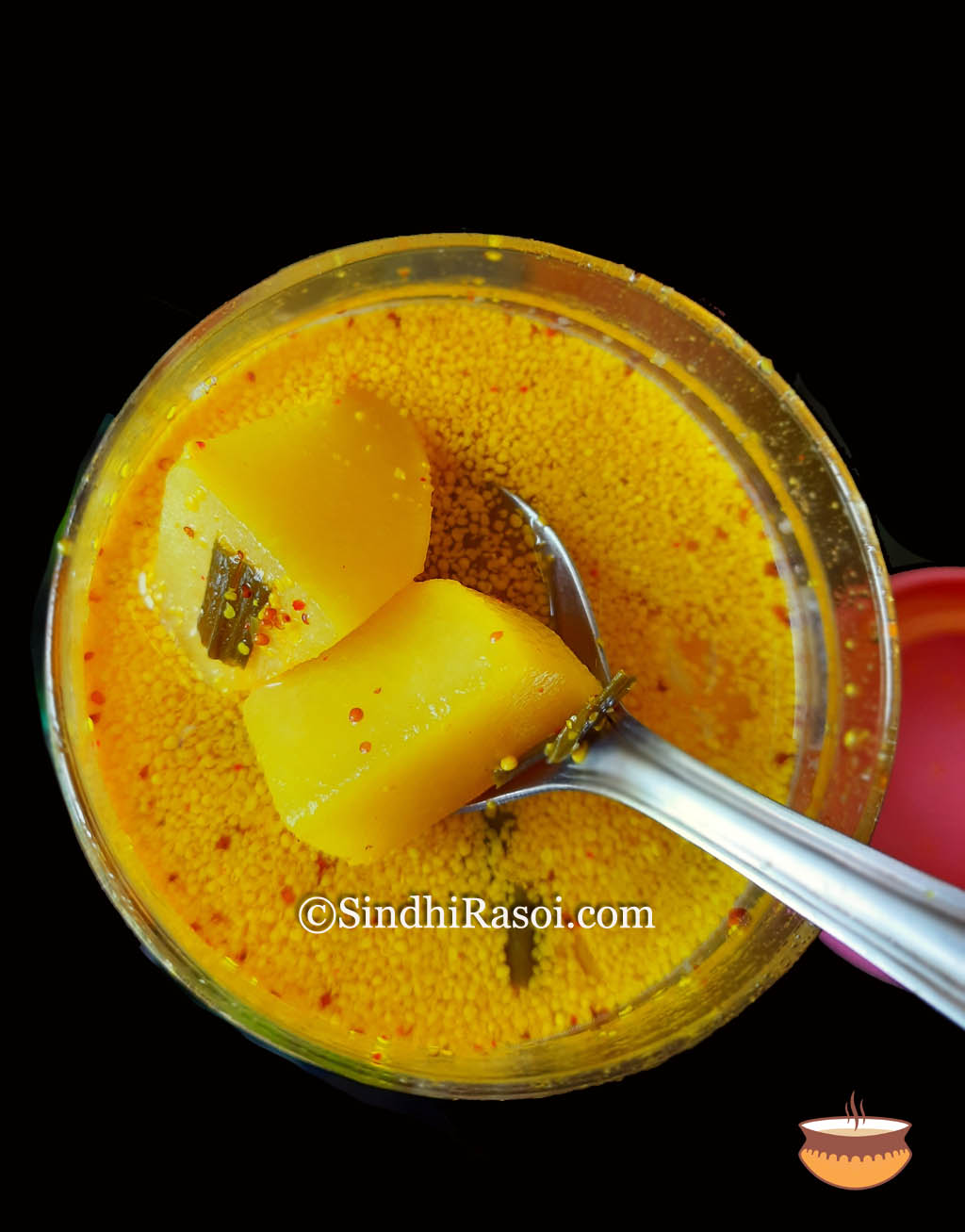
Ideally we should be talking about ظ ( ज़/Z) as the 31st Consonant in AlifBe series but I couldn’t think of any Sindhi dish starting with this particular ‘Z’. For the uninitiated, there are 4 variants of ‘Z’ in Arabic Sindhi script; ذ as in Zaro (Little ), (ज़/Z) or as in Kagzi lemon Pickle ز as in Zanzeer (Chain/shackles) (ज़/Z) or as in Zaefrani Kulfi ض as in Zaeef (Feeble) (ज़/Z) or as in Zaroori Masalha and ظ as in Zalim (cruel/merciless) (ज़/Z). Kindly note that all the above mentioned consonants are represented by ‘ ज़ ‘in Devanagari and…
-
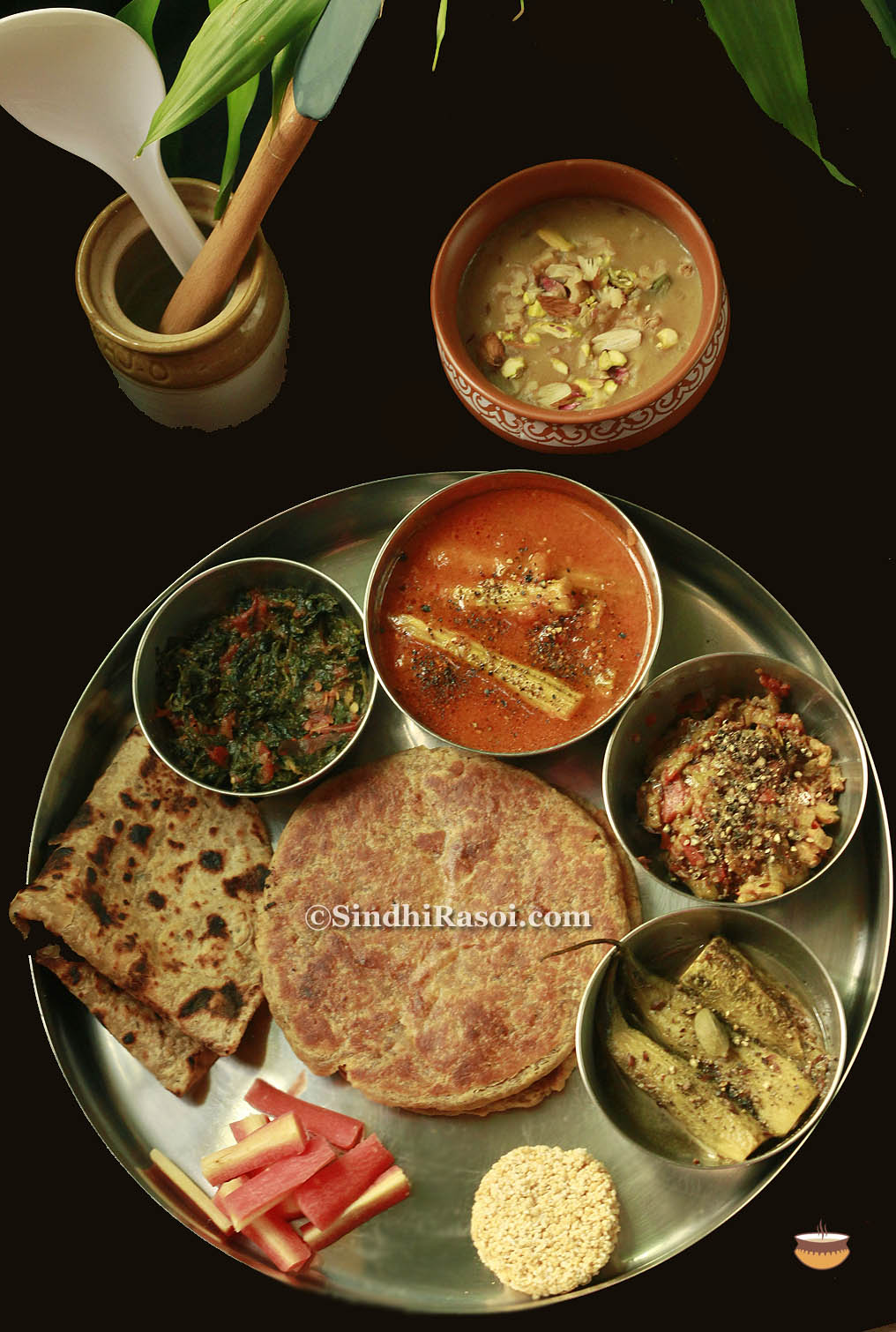
In Arabic Sindhi there are two consonants that sound similar but are actually different; ت and ط , i.e ‘T’ as in Taiwan, Tahini, Tabla etc. ت as in Tosha was covered in the AlifBe~ 6 , while the 30th consonant i.e ط is what we are discussing today. Unlike the ت that is used for words of Sindhi origin, ط is used for words of Urdu/Persian/Arabic origin. So what are we going to discuss today? Ta’am is what we will talk about. Meaning of the word Ta’am varies across the different languages. While in Jewish it means ‘taste’, in Turkish…