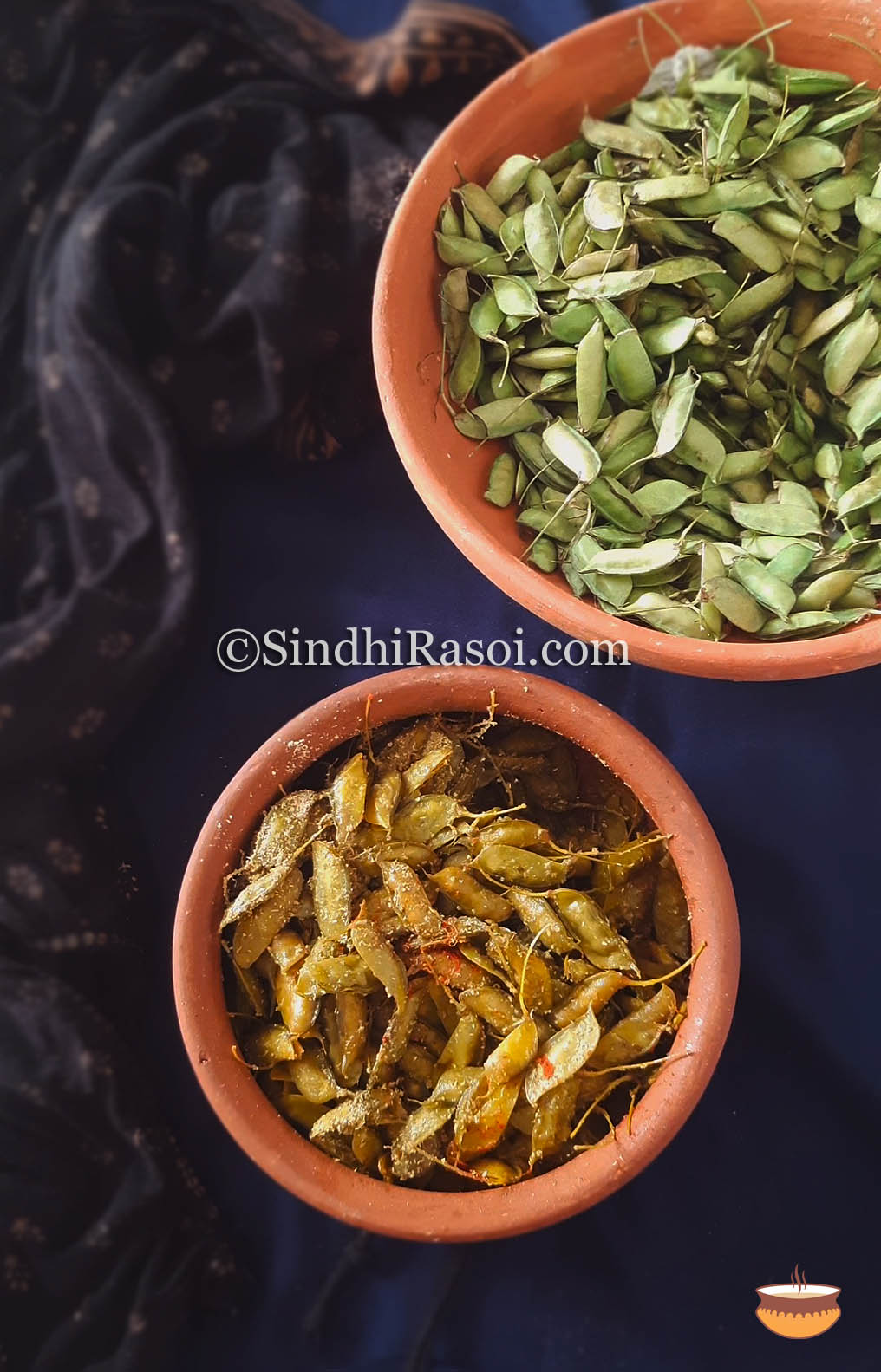
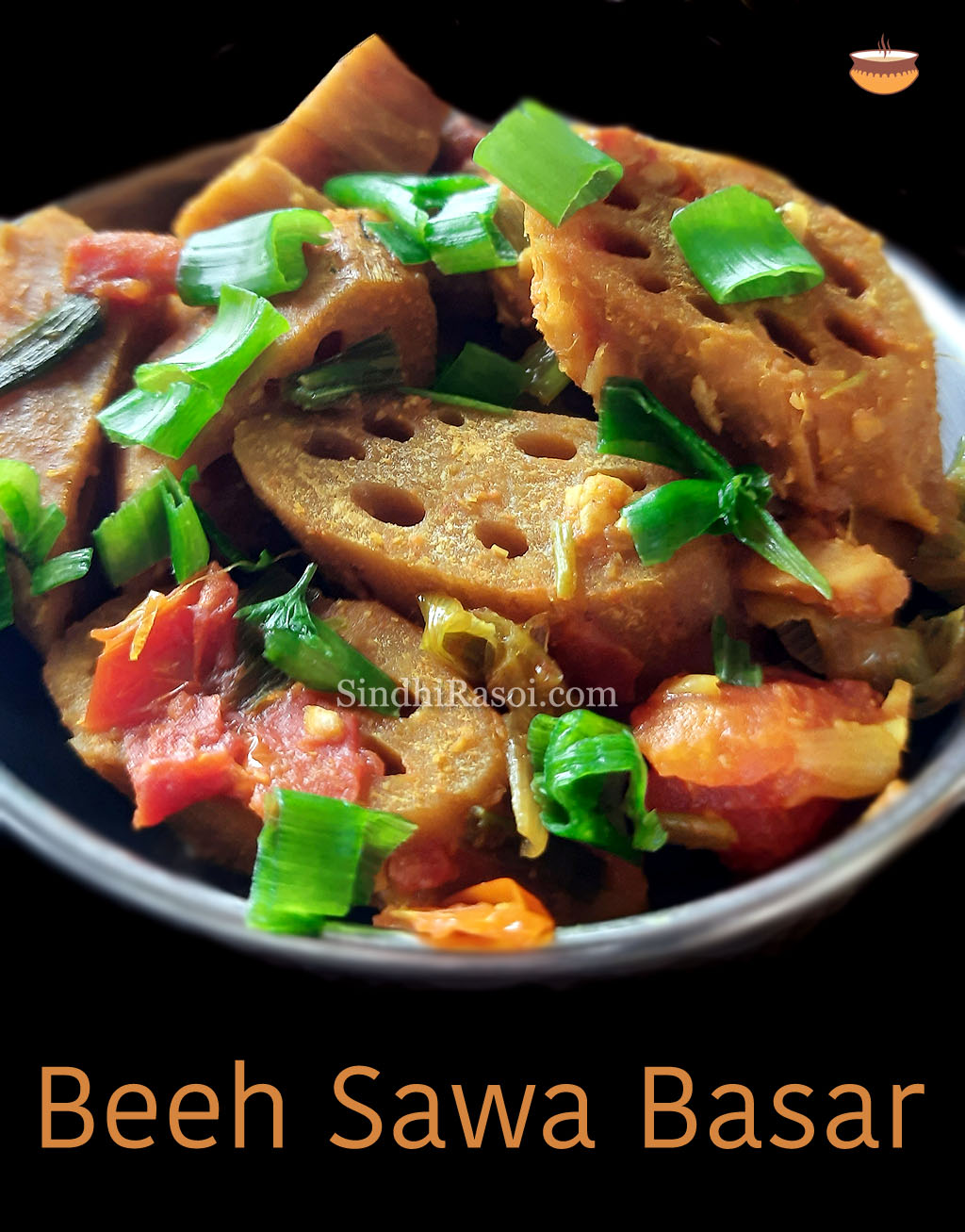
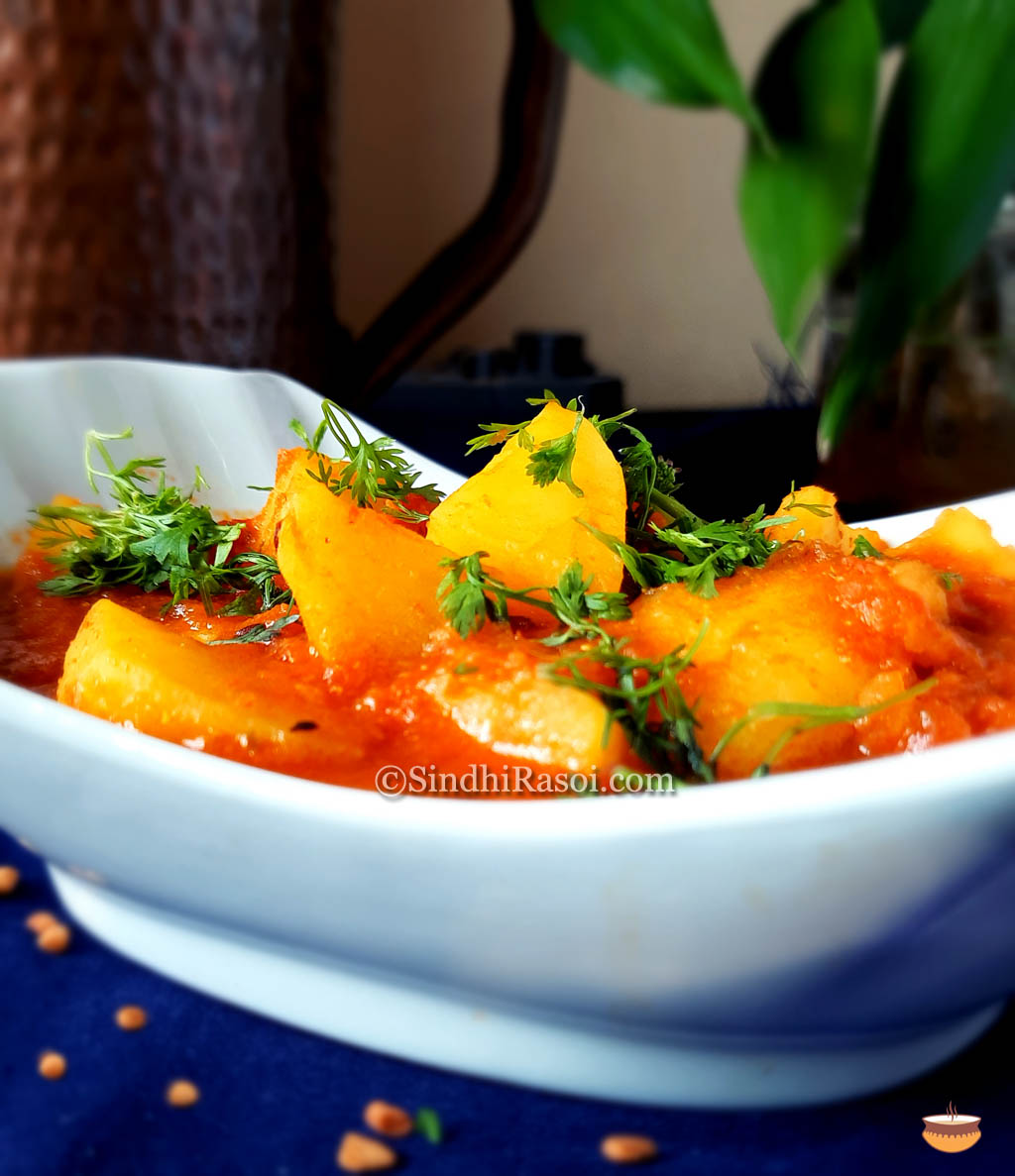
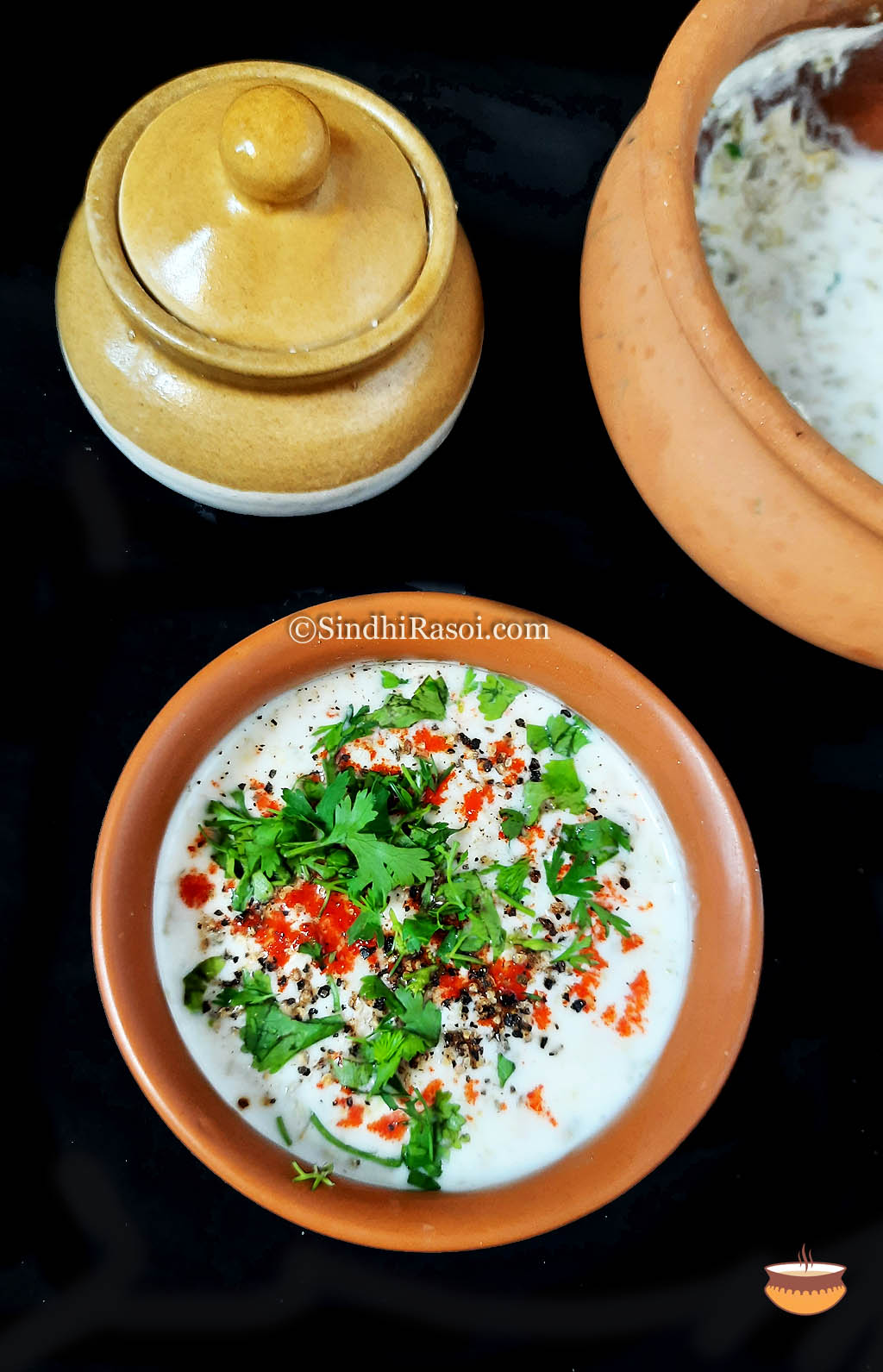
Suhanjhro/Suwanjhro or Moringa (Drumstick) flowers are nutritious edible flowers and are generally found in Mumbai markets from around December to February. It is time consuming to clean (pick), wash and cook the flowers and not many appreciate the earthy flavor of Drumstick flowers. I love Moringa flowers and I generally have it in two ways..either cooked as a Moringa-lotus stem curry called as Suhanjhro (Suwanjhro) in Sindhi (Click here to check the recipe) or else in the form of a Raita. My mom would often boil the flowers and refrigerate a portion of it, to make the raita, later. Many…
-
-
D^adhri, a healthy snack loaded with nostalgia! I grew up in Ulhasnagar, a place where many Sindhis still follow their traditions, where the old rituals are still valued, where you can hear the locals speaking in Sindhi language, the families eating Sindhi food on daily basis and Sindhi festivals being celebrated traditionally. It is a place where you can still find the forgotten food like Kuneh Ja beeh, Lor^h, Beeh Ja pakora/Tikki, Suhanjhro, Pali etc. As a child growing up in a typical middle class Sindhi family, I remember consuming only seasonal vegetables, fruits/food and nothing fancy/exotic/imported. It was not…
-
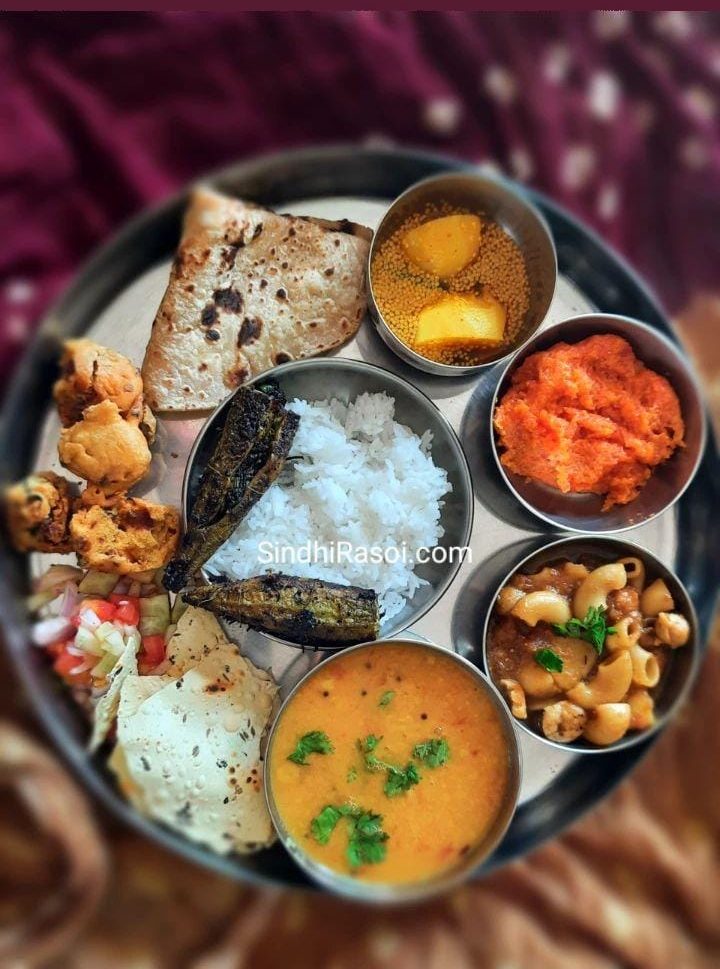
When I started sharing some Sindhi Thali spreads on Instagram (Sindhirasoiofficial) and Facebook page (Sindhirasoi.com), I started receiving many requests to share the recipes of each dish presented in the Thali. So I thought to share the details of all the Thali meals in a blog post for easy reference! Most of these meals were cooked across the year, though some are from the distant past. I haven’t meticulously planned the menus of these Thalis and the dishes were cooked depending on the seasons and availability of the ingredients during the lockdown, in the past year or so. Hence some…
-
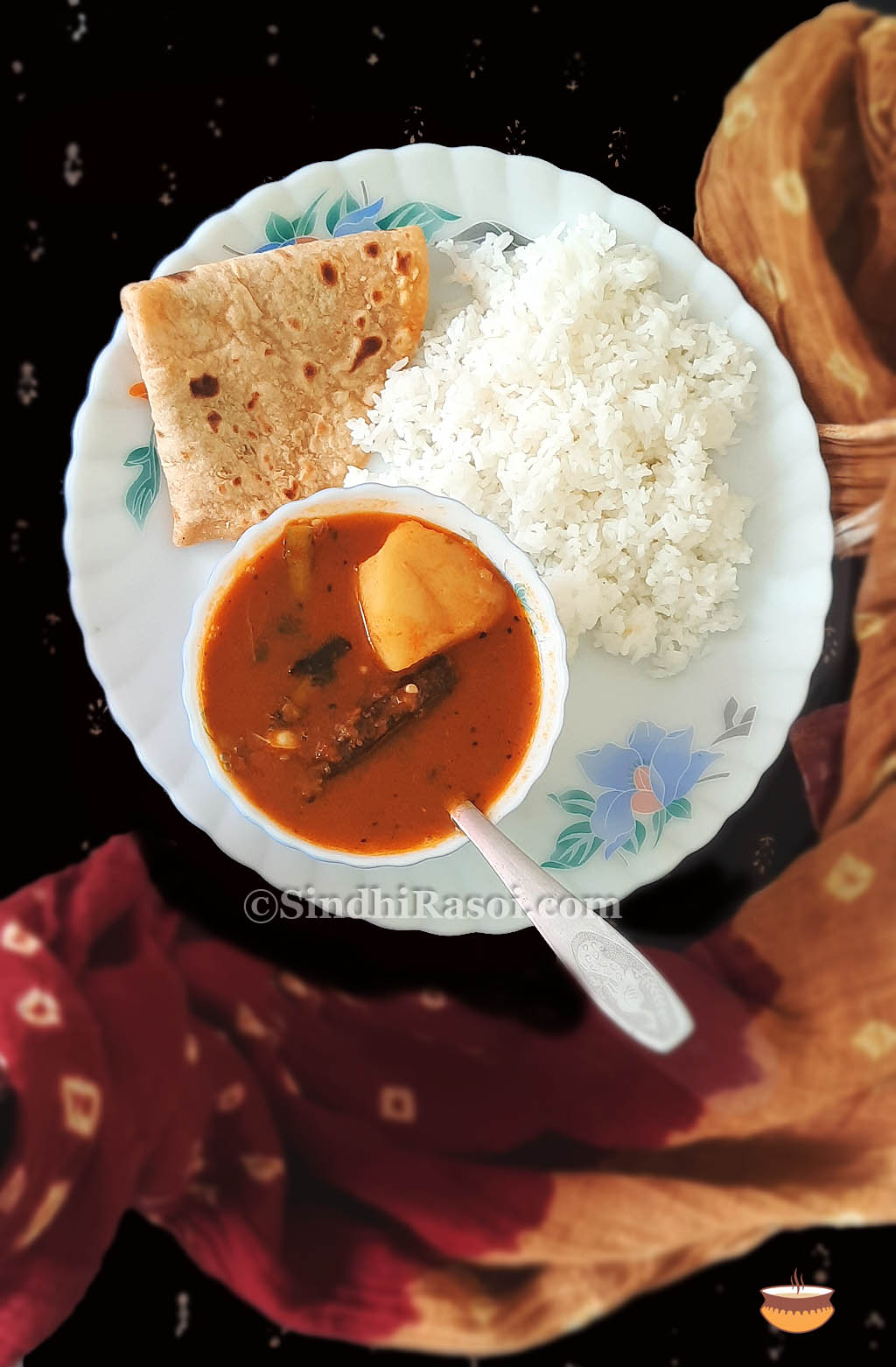
Kadhi! A Kadhi, for Sindhis, generally means something that is soul soothing, heart warming, exhilarating…a dish that while being stirred in a pot, stirs up memories in your mind. It is not what the non Indians label as a ‘curry’. It is what your Mother/father/grandparents would cook, with all the love. It is something that you crave for, on a cold day, on days when you feel low, when you need a balm to soothe your aching heart. Kadhi is a Soul food, Kadhi chaawal, a comforting meal! Drop a yes, if you agree ! Many assume that a Sindhi…
-
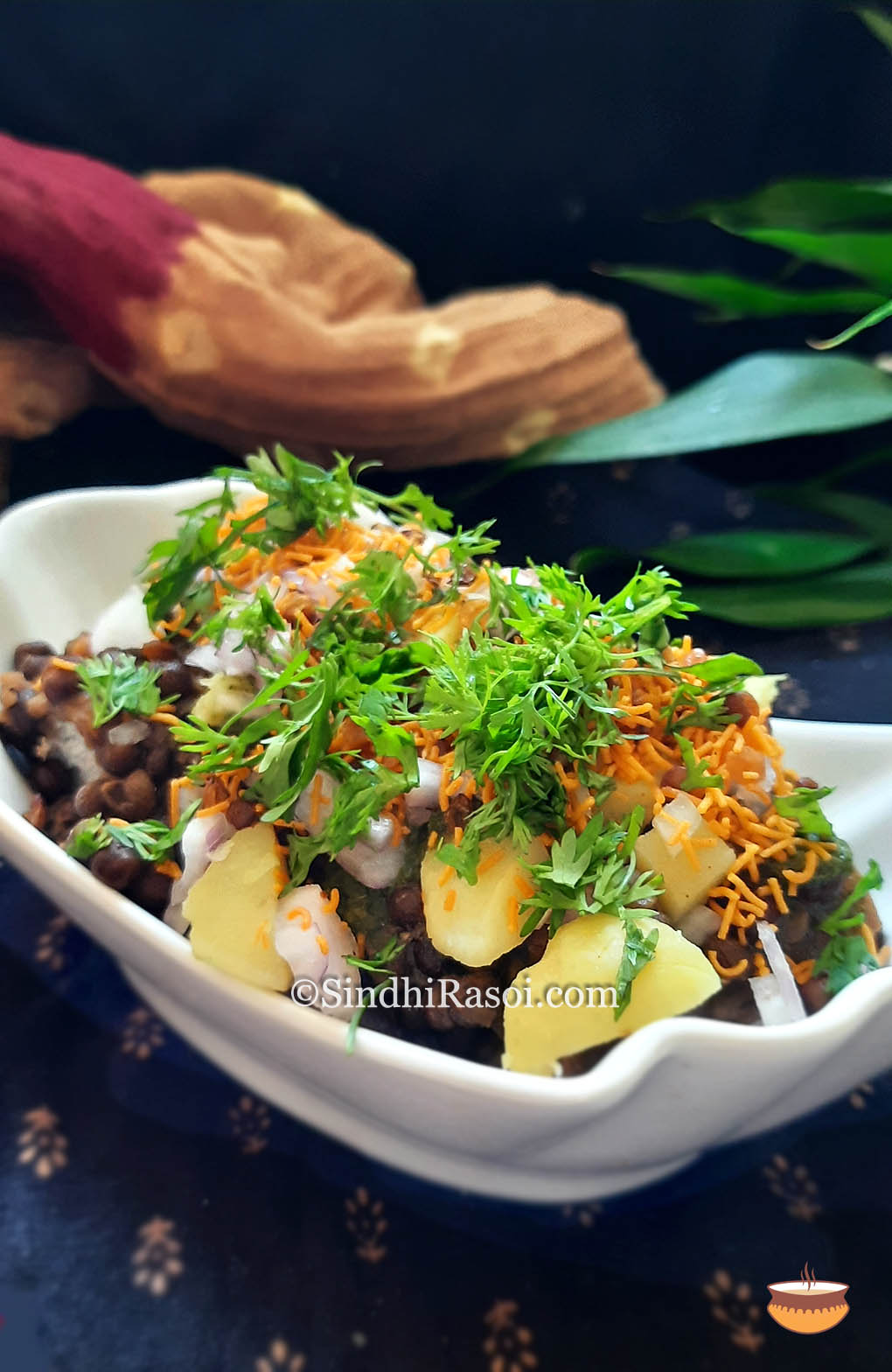
Matar Pao or the black vatana chaat is a classic street food dish from Ulhasnagar, my home town! It is made by cooking dried black peas (Kaala Matar/Vatana) with salt and water and the curry is generally flavoured with just pepper. A spicier version is made by adding garam masala powder by many vendors. The rustic flavours of the dish come from cooking vatana for longer duration, till soft and then by mashing some to make the gravy more thicker, homogenous and flavourful. Dried black peas take forever to cook and hence soaking these for 12 – 24 hours is…
-
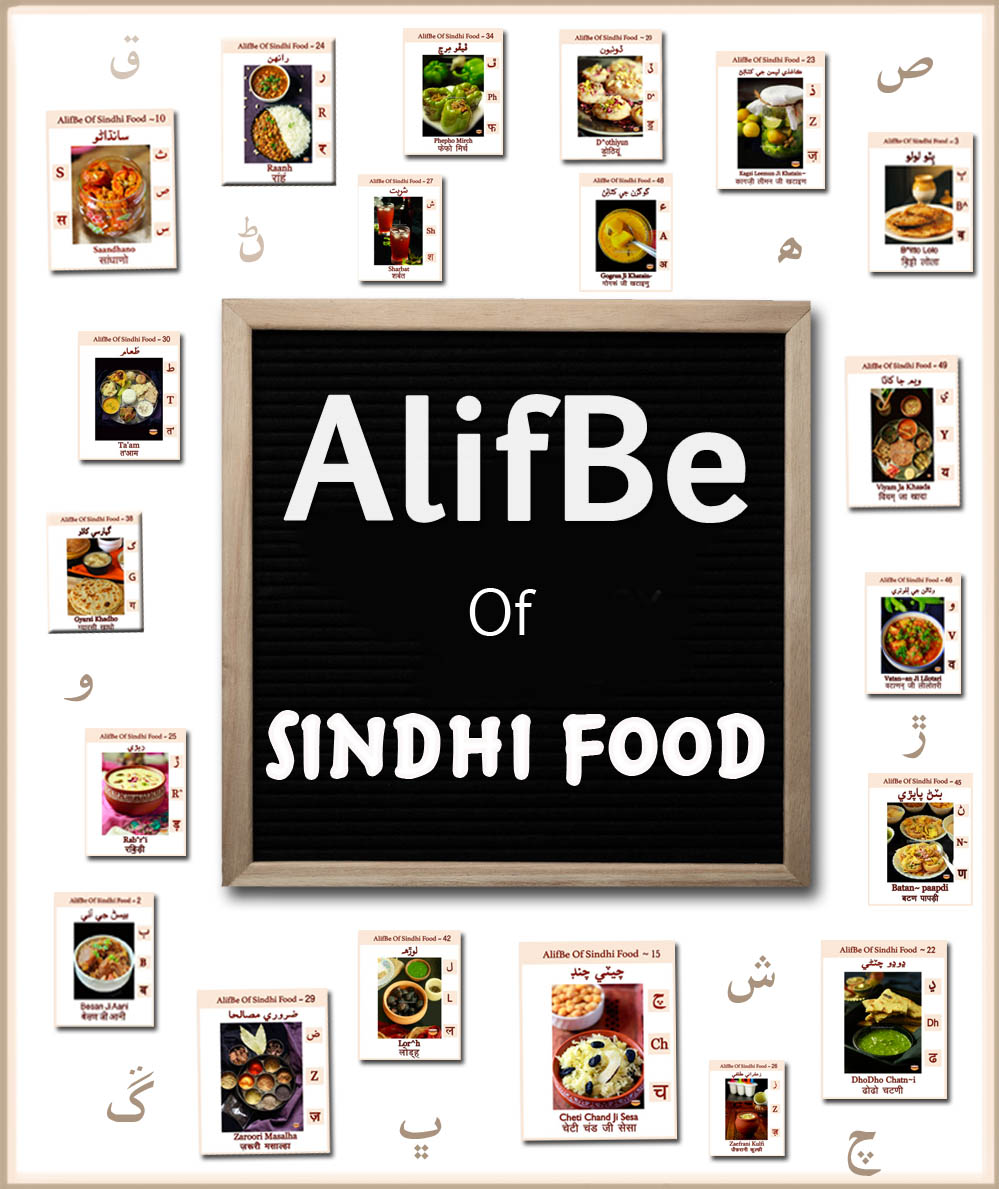
When I started working on my project about documenting ancient, traditional as well as lost recipes from Sindhi cuisine, a few years ago, the biggest challenge I faced was the lack of accessible information about the same. The limited documents that I could access, were in Arabic Sindhi, a script that I never could learn, despite of trying umpteen number of times, since my childhood. I felt stuck up. So the only way to move forward was to learn the Arabic script and to make sure that I don’t give up this time, I took up a challenge; The AlifBe…
-
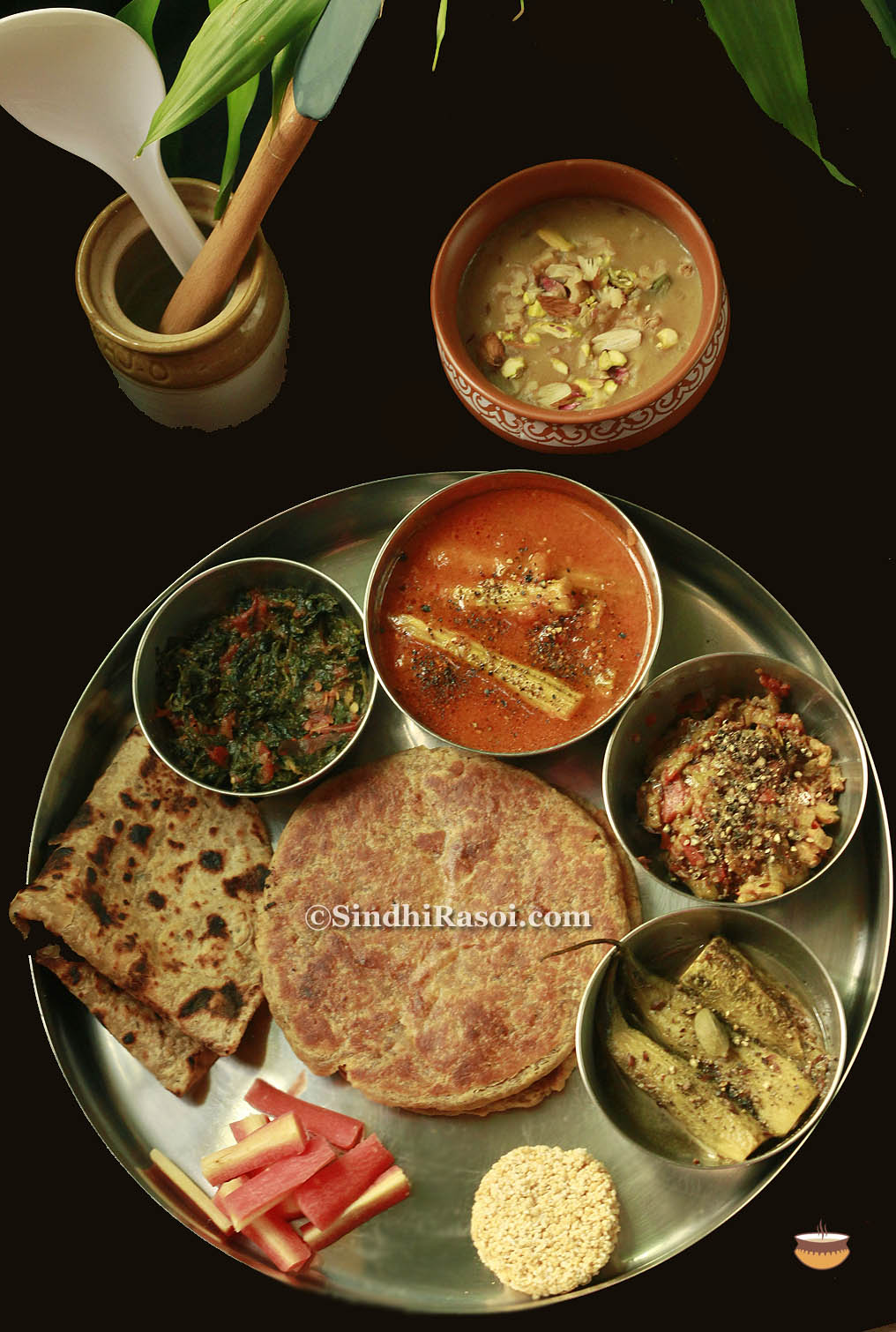
The last alphabet of AlifBe, the Sindhi alphabet is ي in Arabic Sindhi, य in Devanagari and ‘Y’ is Roman Sindhi. It is also used as a vowel and could be pronounced as /e/ (even long /eee/). No Sindhi dish starts with the letter Y. Hence for the last alphabet in this series I have picked ‘Viyam Ja khaada’ . Viyam /Vyam/Vi-am means Delivery (Child birth) and Khaada means food/dishes. So basically it means the food that is supposed to be consumed by new mothers, particularly for the first 40 days after child birth. Traditionally, the new mother is supposed…