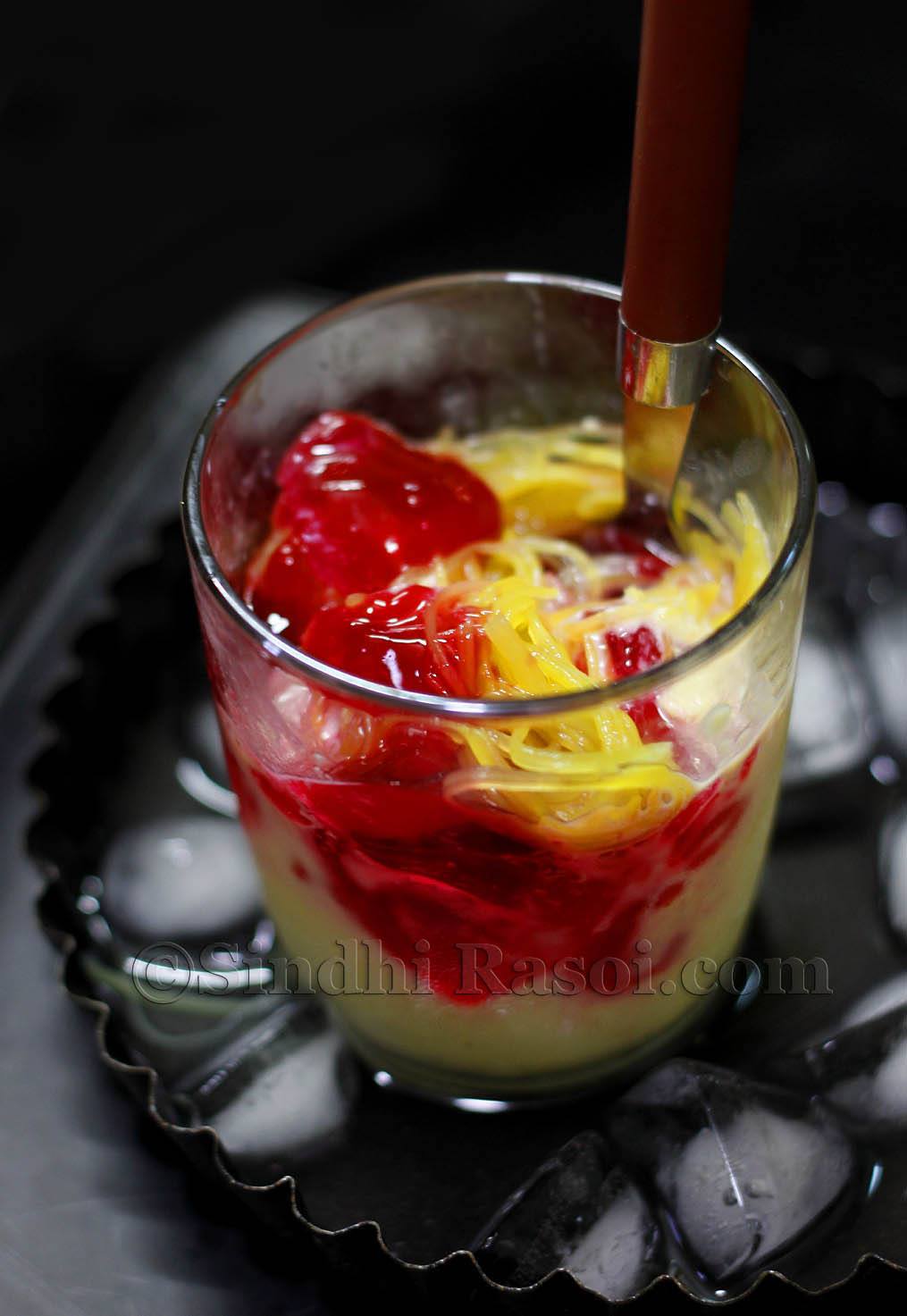
Watch the video about how to make Faluda Sev at home. It is my first video recipe: If you assume that making Faluda sev at home is difficult, then please do check today’s recipe! Hello everyone, hope you all are doing good! I am here today to share a very simple recipe of Faluda sev. It barely takes 15-20 minutes to make it at home. But before I hop on to the recipe, let’s talk about today’s alphabet i.e ف in Arabic Sindhi, फ़ in Devanagari and ‘F‘ in Roman. There ain’t any Sindhi Dish starting with this…
-
-
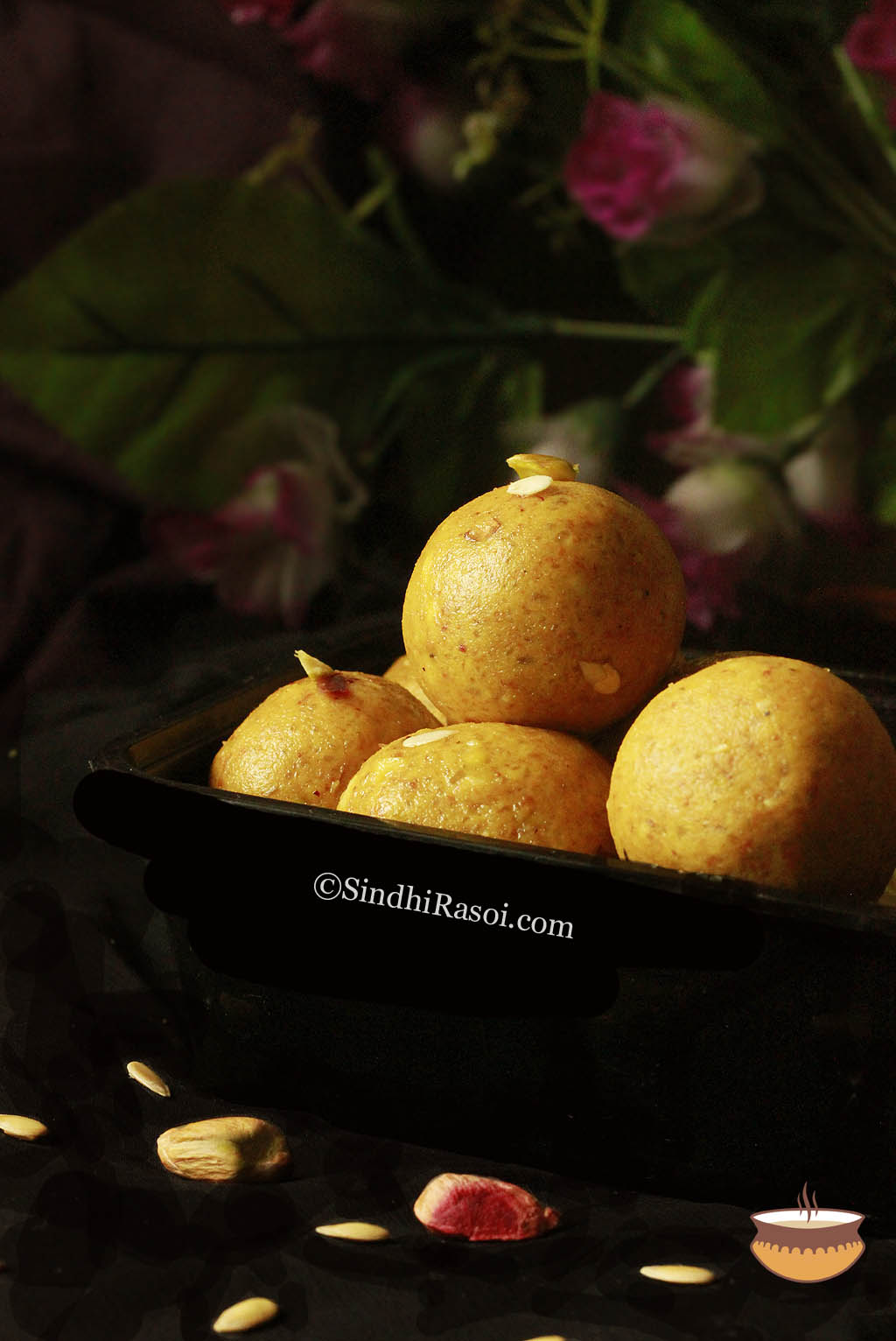
Magaz or Char Magaz to be precise, is a mix of four types of seeds! These delicious seeds of melon family are immensely popular as superfood and are not only consumed raw or toasted but are also used in many sweet dishes as well as in curries! Char magaz i.e kernels of Watermelon, Cantaloupe, Pumpkin and Cucumber are used in many Sindhi dishes as well. The seeds are known for their brain boosting properties (Hence the name, Magaz or Brain!) and are a powerhouse of nutrition being rich in vitamins, minerals, proteins etc. The AlifBe #32 is غ i.e G̣…
-
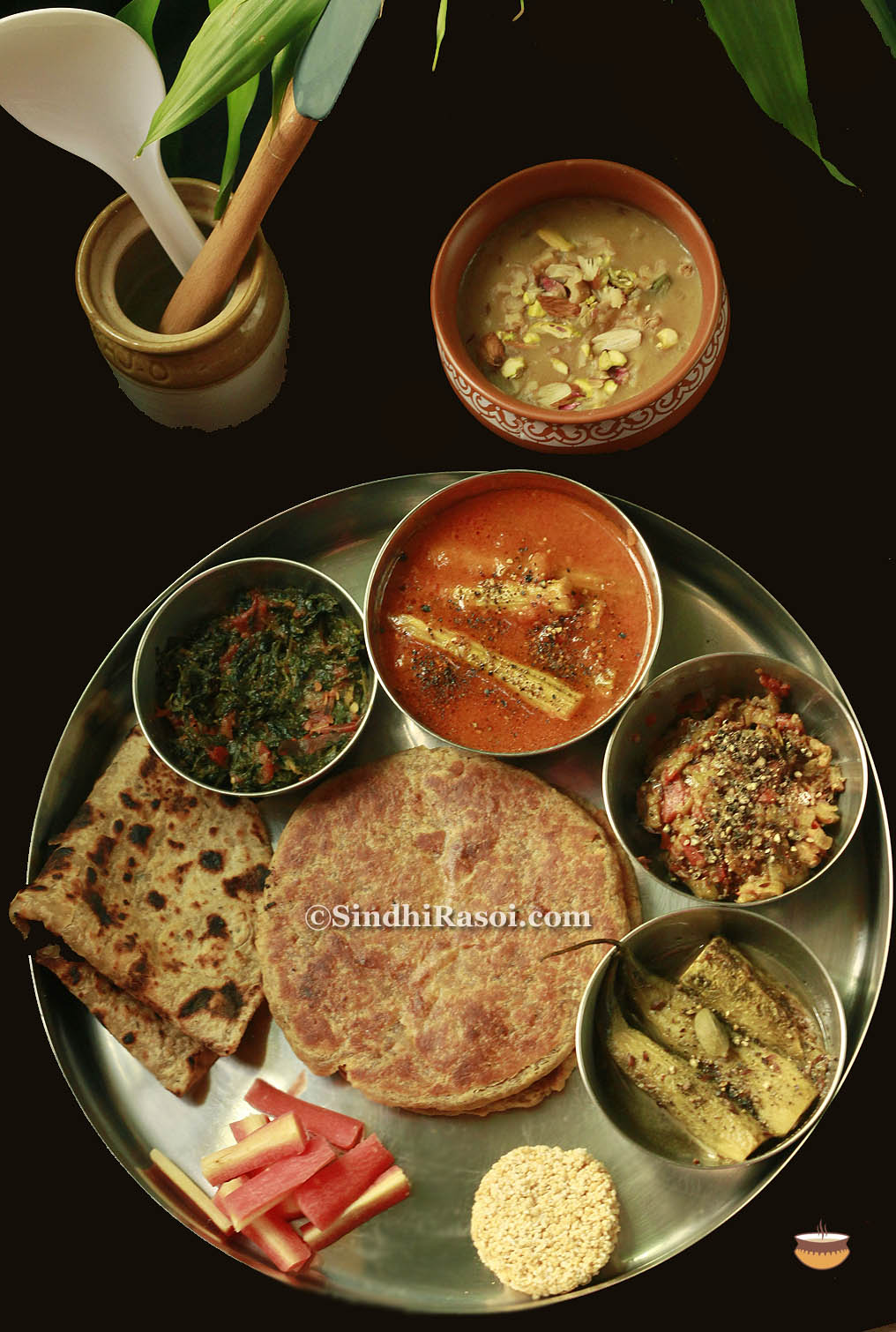
In Arabic Sindhi there are two consonants that sound similar but are actually different; ت and ط , i.e ‘T’ as in Taiwan, Tahini, Tabla etc. ت as in Tosha was covered in the AlifBe~ 6 , while the 30th consonant i.e ط is what we are discussing today. Unlike the ت that is used for words of Sindhi origin, ط is used for words of Urdu/Persian/Arabic origin. So what are we going to discuss today? Ta’am is what we will talk about. Meaning of the word Ta’am varies across the different languages. While in Jewish it means ‘taste’, in Turkish…
-
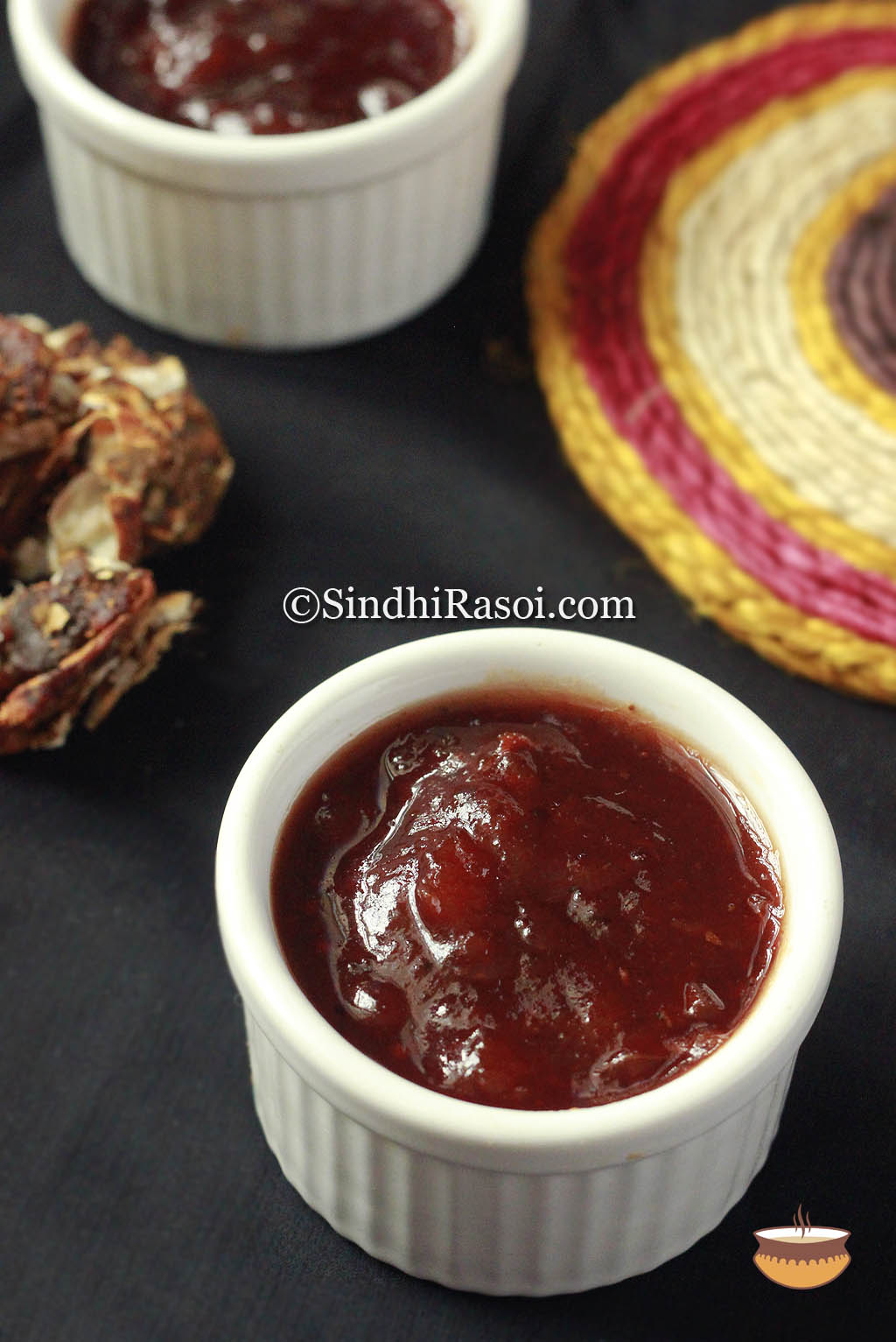
Chap Chatni (Chap-p chutney)… the name itself evokes a wave of nostalgia; of the times when sneaking out of the school gates to buy eatables during the recess (lunch break) was common. The carts loaded with seasonal Indian berries (Remember Ber/ Hiramoti?), cucumber, raw mangoes, fresh tamarind, starfruit etc would be buzzing with the kids buying stuff in a hurry. Of course there were Vada paos, Samose, Barf gola (Chuski), lemonade etc that our moms never approved of but were still bought with our ‘barely existing pocket money’! You can read more about the childhood memories of food sold outside…
-
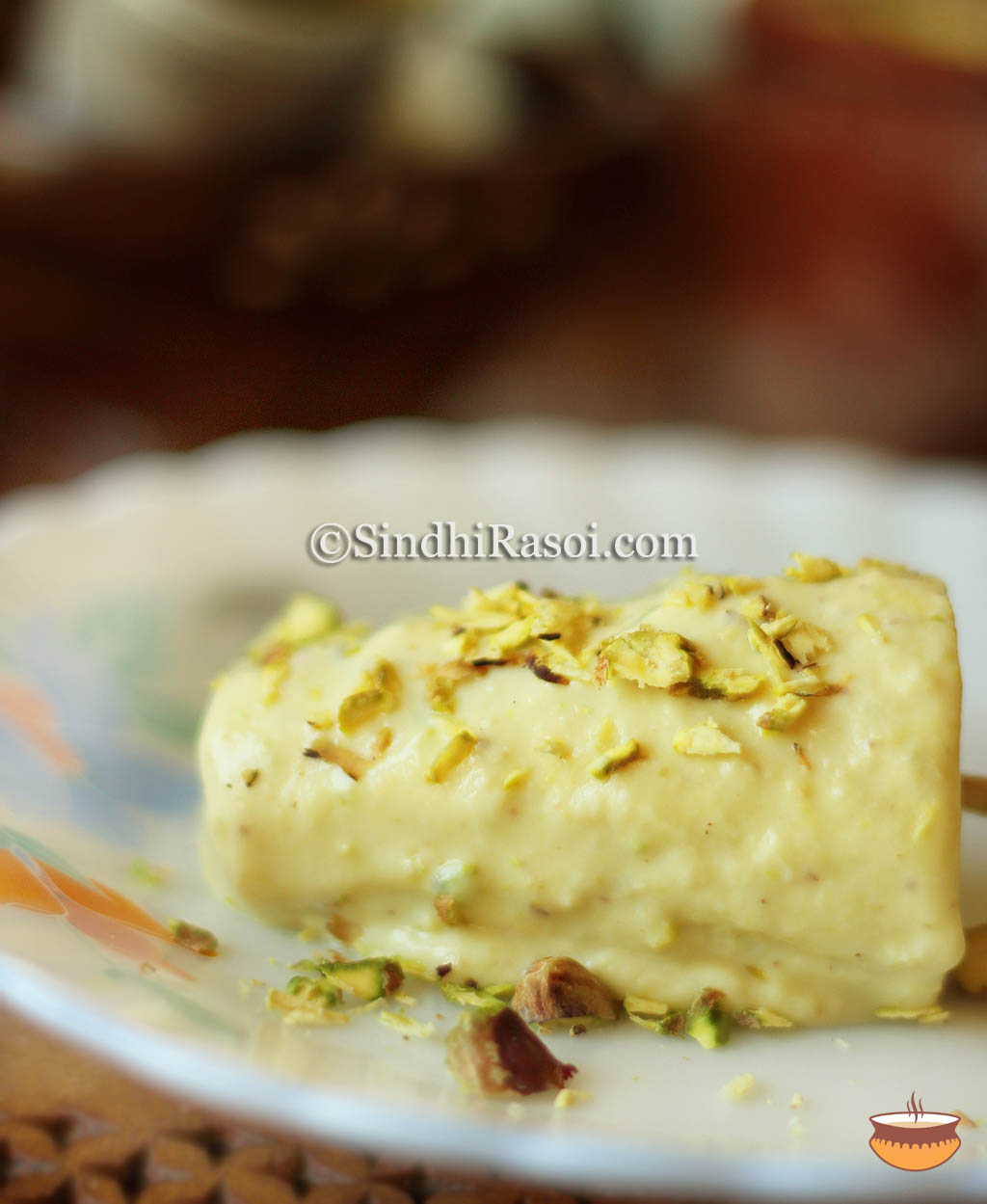
Long post alert: If you are interested only in the recipe then kindly scroll down to reach the recipe! If you are curious to know about saffron, its varieties and some interesting theories about Kulfi, then please read on! The 26th Consonant in Sindhi AlifBe is ز i.e Z in Roman Sindhi and ज़ in Devanagari. As mentioned in the earlier post, there are 4 different types of ‘Z’ used in Sindhi AlifBe. ذ as in Zaro (Little ), (ज़/Z) ز as in Zanzeer (Chain/shackles) (ज़/Z) ض as in Zaeef (Feeble) (ज़/Z) ظ as in Zalim (cruel/merciless) (ज़/Z) Kindly note…
-
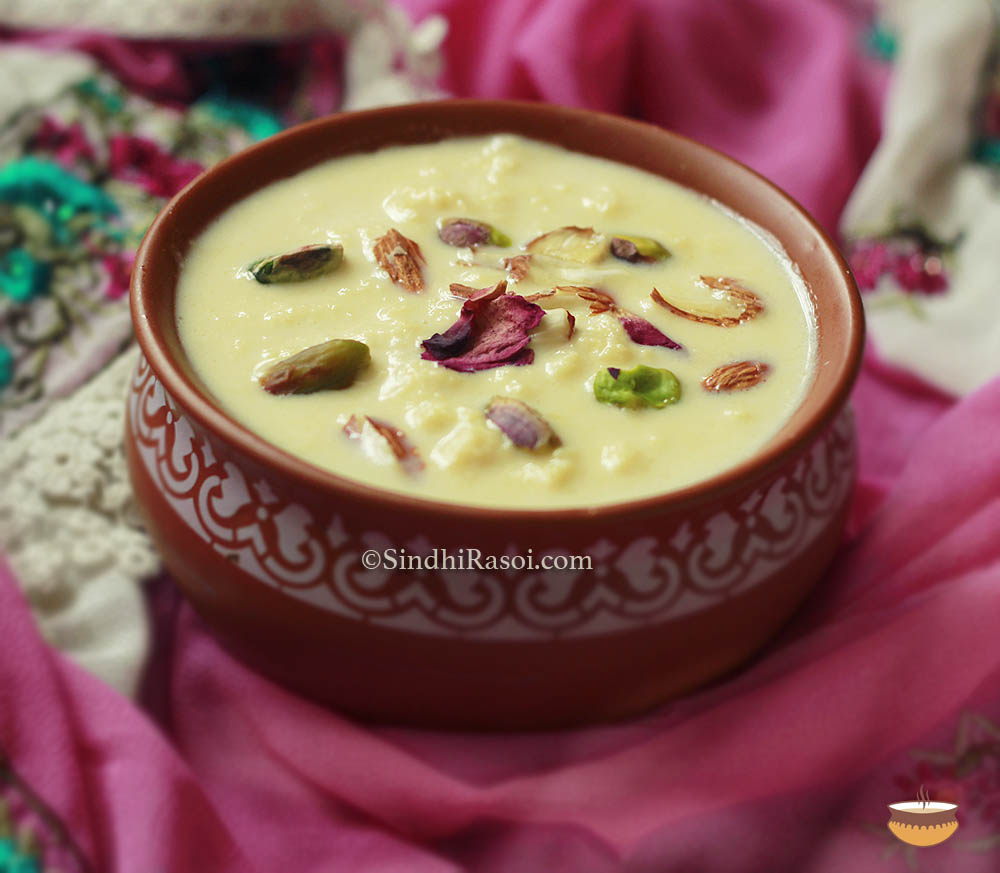
The Dairy products could be divided in many types, for example, heat desiccated (khoya), heat and acid coagulated (paneer, cheese), clarified butter (ghee), frozen (Ice cream), frozen concentrated milk (Kulfi variant) and condensed or concentrated products like Rabdi, Basundi etc. In the spotlight today is the Rabri or Rabdi or as many Sindhis call it, Reb^di! Rabri is a concentrated, sweetened whole fat milk and is considered to be of high nutritive value. It is a traditional preparation and its variations are mentioned in ancient food manuscripts, in food related accounts from 16th century and even in popular Mangal Kavyas…
-
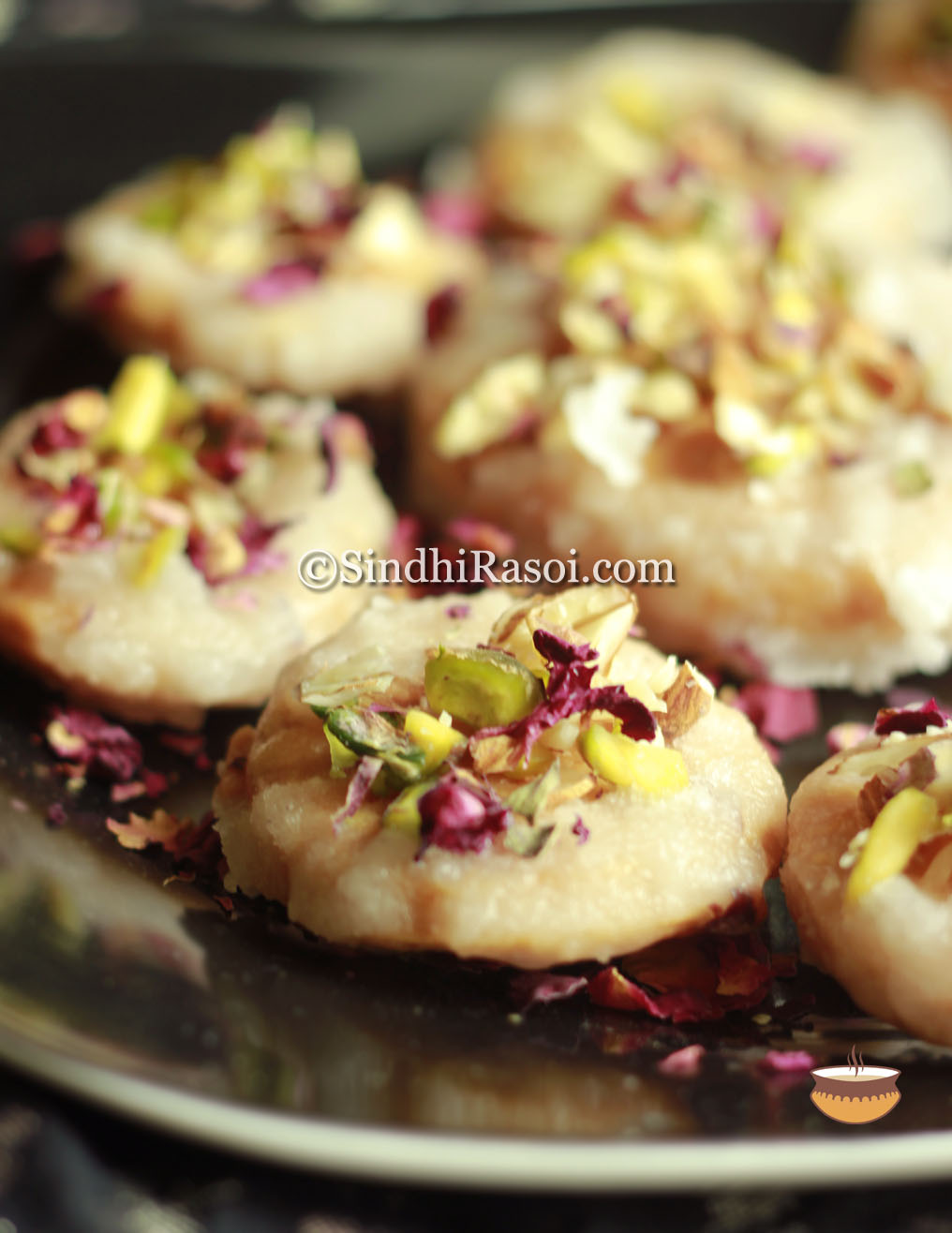
Dothiyun (singular – Dothee) or Saatta, the popular Sindhi sweet, similar to Kutchi Saata or Gujarati Devada are highly addictive and a delight to relish. Basically a dothee (D^othee in Roman Sindhi) is a fried, sugar glazed cookie made from all purpose flour and ghee/vanaspati. Dothiyun are generally send in to married daughters and sisters on Vadhi Thadri . These are also a part of the ‘Phula Jalan’ or ‘Phula bhugra’ ritual after a child is born, when the mother is given Puffed rice, roasted chana, Mesu (Mysore Pak) and D^othiyun by the parents (maiden family of the new mother),…