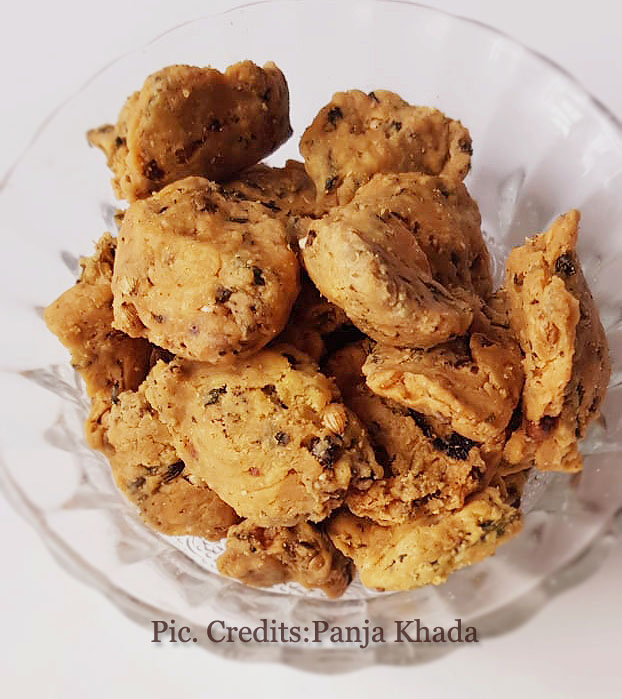
A G^ach, literally means a quarter in Sindhi language. The sweetened dough ball is rolled into a thick ‘roti’, cut into quarters and deep fried. These fried ‘cookies’ are then garnished with powdered sugar, chopped nuts, dried rose petals and a spoon full of hot oil is poured on sugar. It sort of, forms a crunchy sugar glaze and makes the cookie more visually appealing though, more calorie rich. Ideally G^ach are made using All purpose flour (Maida) with ghee for moyan but these taste good enough even if made with whole wheat flour. Video Recipe of G^ach: This time…
-
-
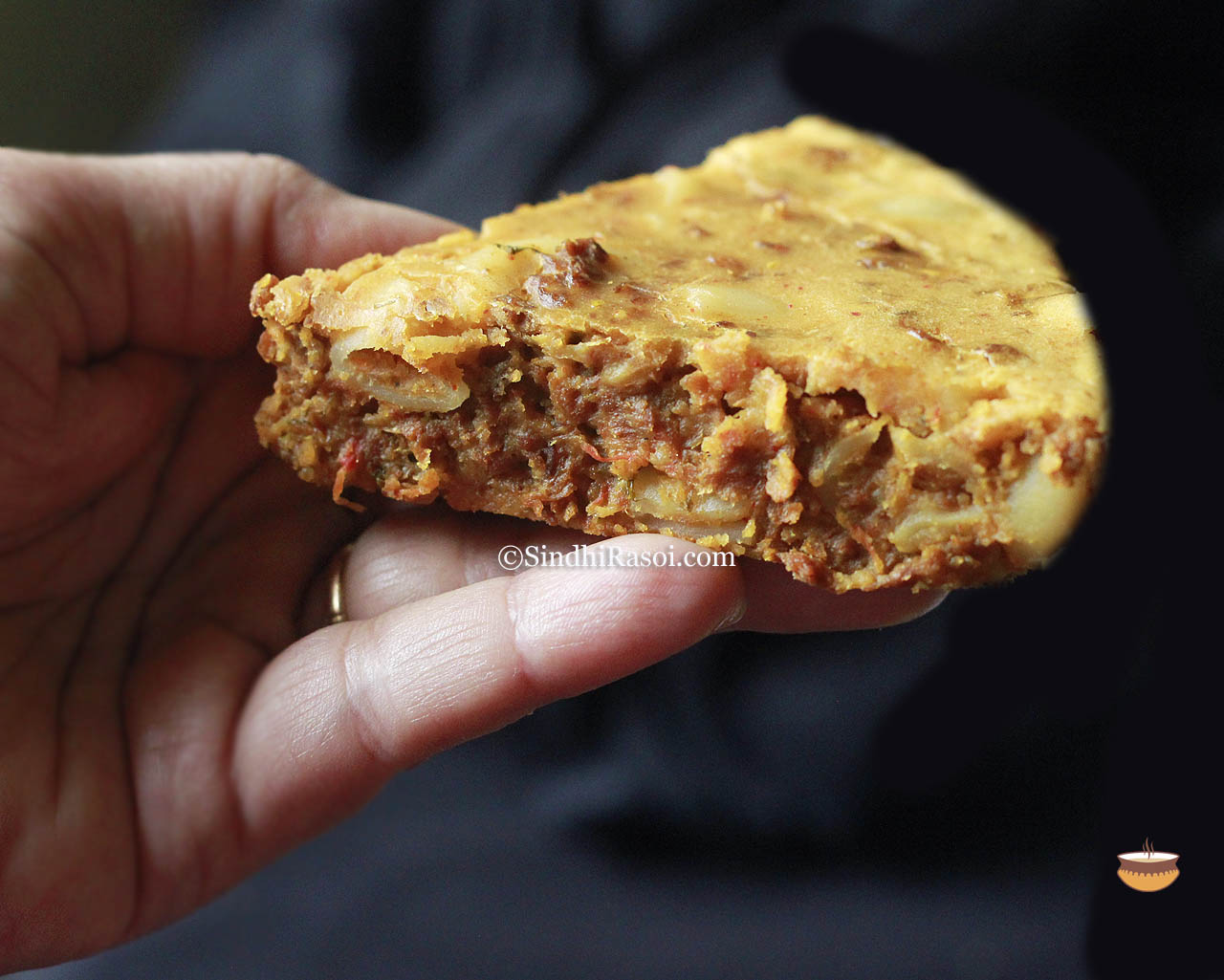
The name of the dish i.e Qeeme Jo Lolo, is very misleading. Let me break down the details in a simpler way! The Name (s)! Qeeme Jo Lolo is also known as Qeema Macaroni cake, Qeema Macaroni pudding and TalleBadhi The Dish A mix of cooked minced meat and macrolyun (macaroni/elbow pasta) binded with beaten eggs, steamed/baked/tawa cooked is called Qeeme Jo Lolo. The confusions 1) The jaggery sweetened Lolo that is made for Puja rituals is called Lolo/Mitho Lolo. I always wondered why some call it Mitho (sweet) Lolo as Lolo is always sweet. But now I know the…
-
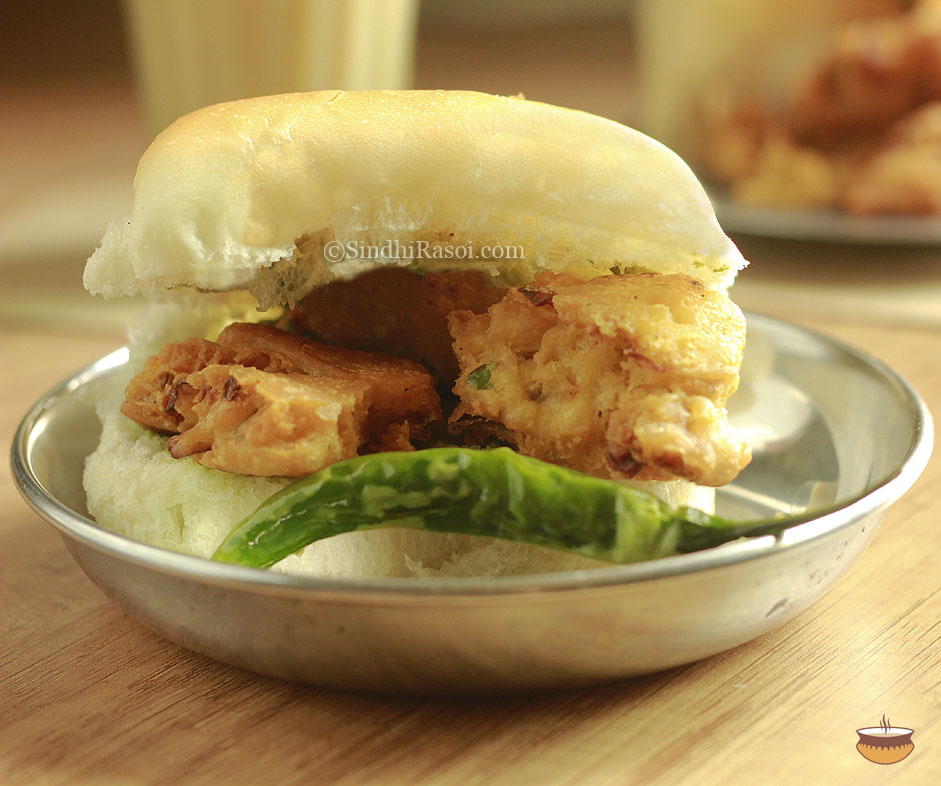
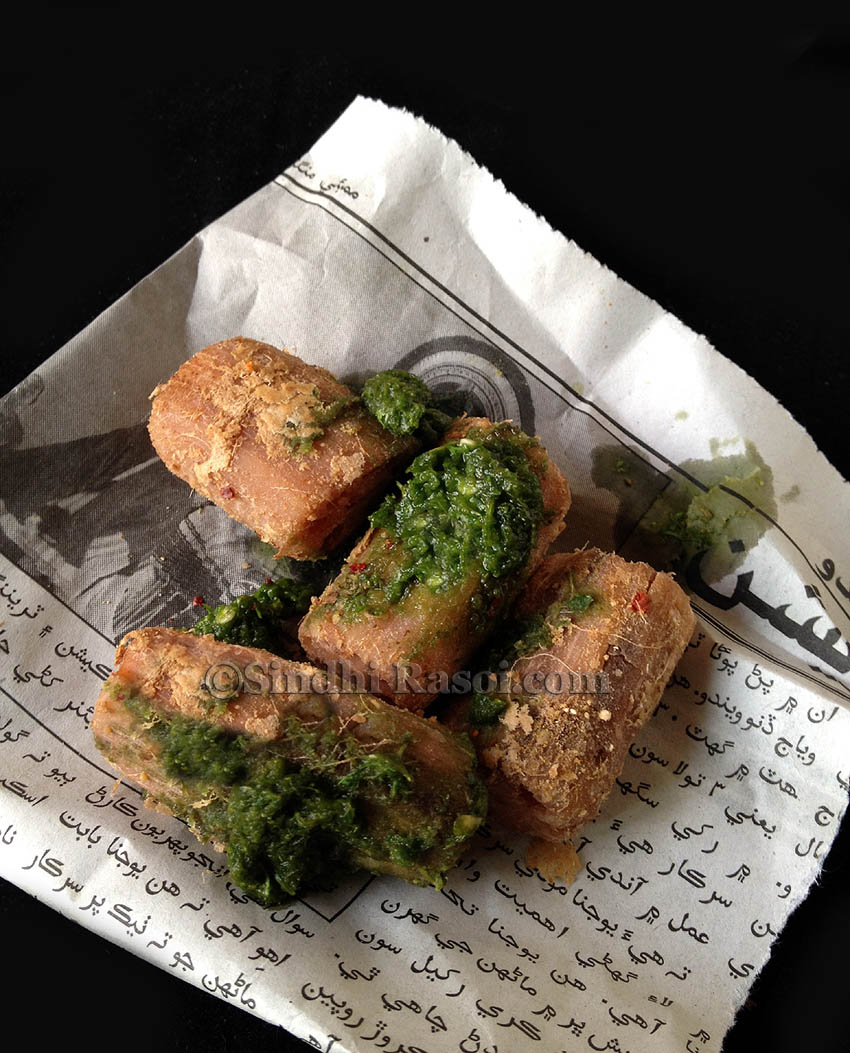
Alifbe of Sindhi Food, the series about A-Z of Sindhi food is now at the 21st letter; ڊ or D in Roman Sindhi and ड in Devanagari ! D as in Daddy, Dairy, Daily etc! And I couldn’t help but pick one of the most popular Sindhi street foods, the Dab^al Pakor^a (In Roman Sindhi) or Dabal Pakora (Pakora pao/sandwich) for ڊ ! The term Dabal is used for Double roti which could mean Pav/Pao or even the sliced bread, in Sindhi! Bread is being commonly used in Sindhi households since past many decades (probably even before the Partition happened)…
-
Moving alphabetically in AlifBe of Sindhi Food series, we are now at the 9th consonant! Before talking about the AlifBe alphabet of today or the corresponding dish, let me share some memories with you! In 2011 and 2012 I got some back to back opportunities to meet the celebrity chefs like Chef Vikas Khanna, Chef Kunal Kapoor and Chef Ajay Chopra for various events during, as well as after the MasterChef India season 2. And that’s when I got a chance to meet and interact with Chef Sanjeev Kapoor too. Then there was a Food bloggers’ day celebrated in 2012…
-
In my last post, when I shared some of my memories about Aunt K, a Chhapru Sindhi in our old neighbourhood along with her recipe of Thumaro, I was not sure if I would share another recipe starting with the same alphabet ٿ or Th~ since I am picking only one recipe per Sindhi Alphabet. But I couldn’t resist this one as this is a seasonal dish and the green garlic, the star ingredient here, is just about to disappear from the markets. So a wise person will make hay while the sun shines and a foodie like me would make…
-
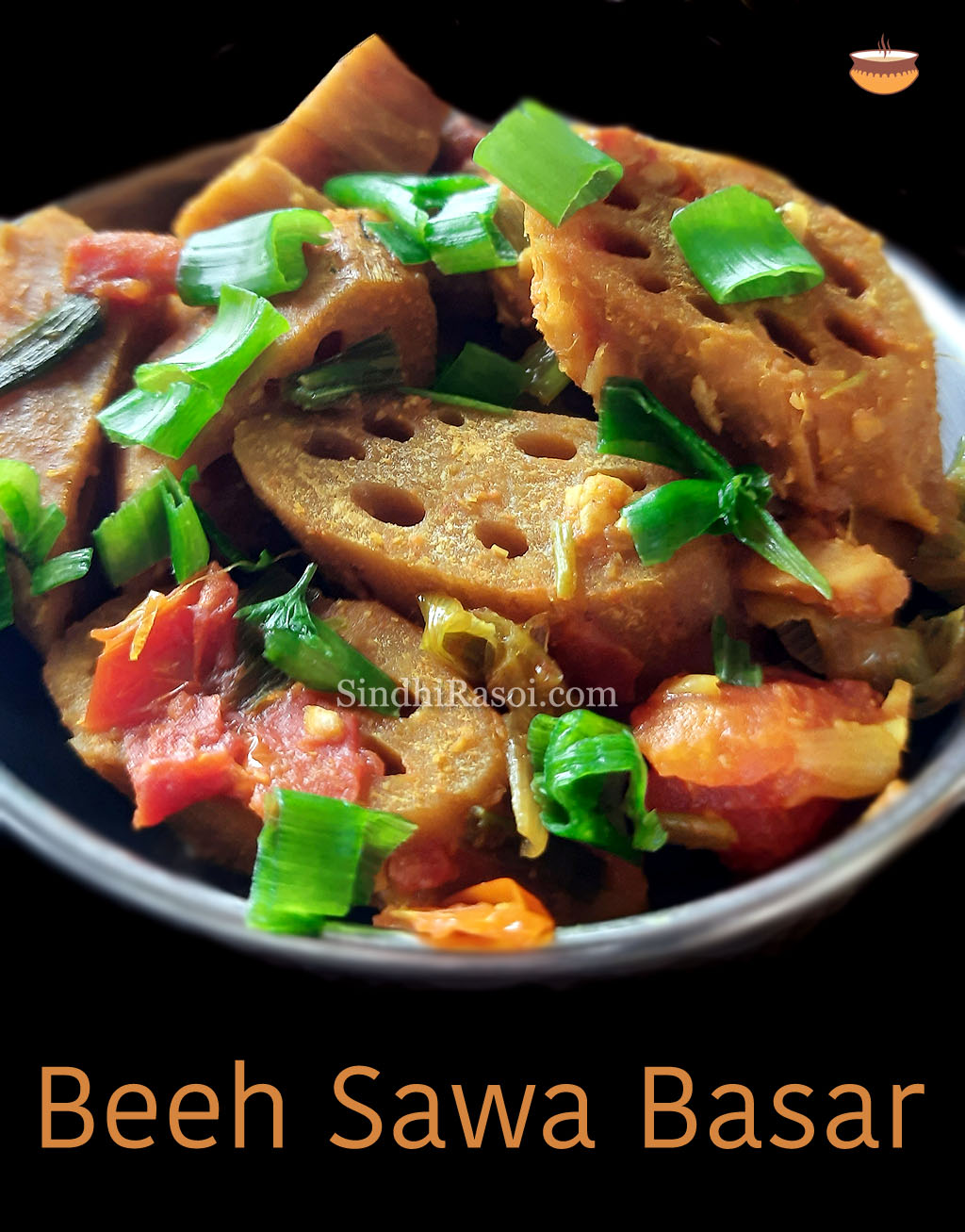
Apart from the quintessential Papad, pickle, Kadhi and Saibhaji, Sindhis are well known for their love for the lotus stem and they are the most avid eaters of this slightly nutty, mildly sweet, crunchy stem. Their insatiable appetite for Beeh is the reason that lotus stems are particularly found in markets in and around Sindhi populated areas. Beeh (Lotus stem), dhodhee/Pabhora (lotus seeds) and Lohr (corm) are the parts of Lotus plant that Sindhis eat with great relish. While our Beeh paalak is bit similar to Kashmiri Nadru paalak (Paalak nadir) and our gravy based beeh curries are similar to…
-
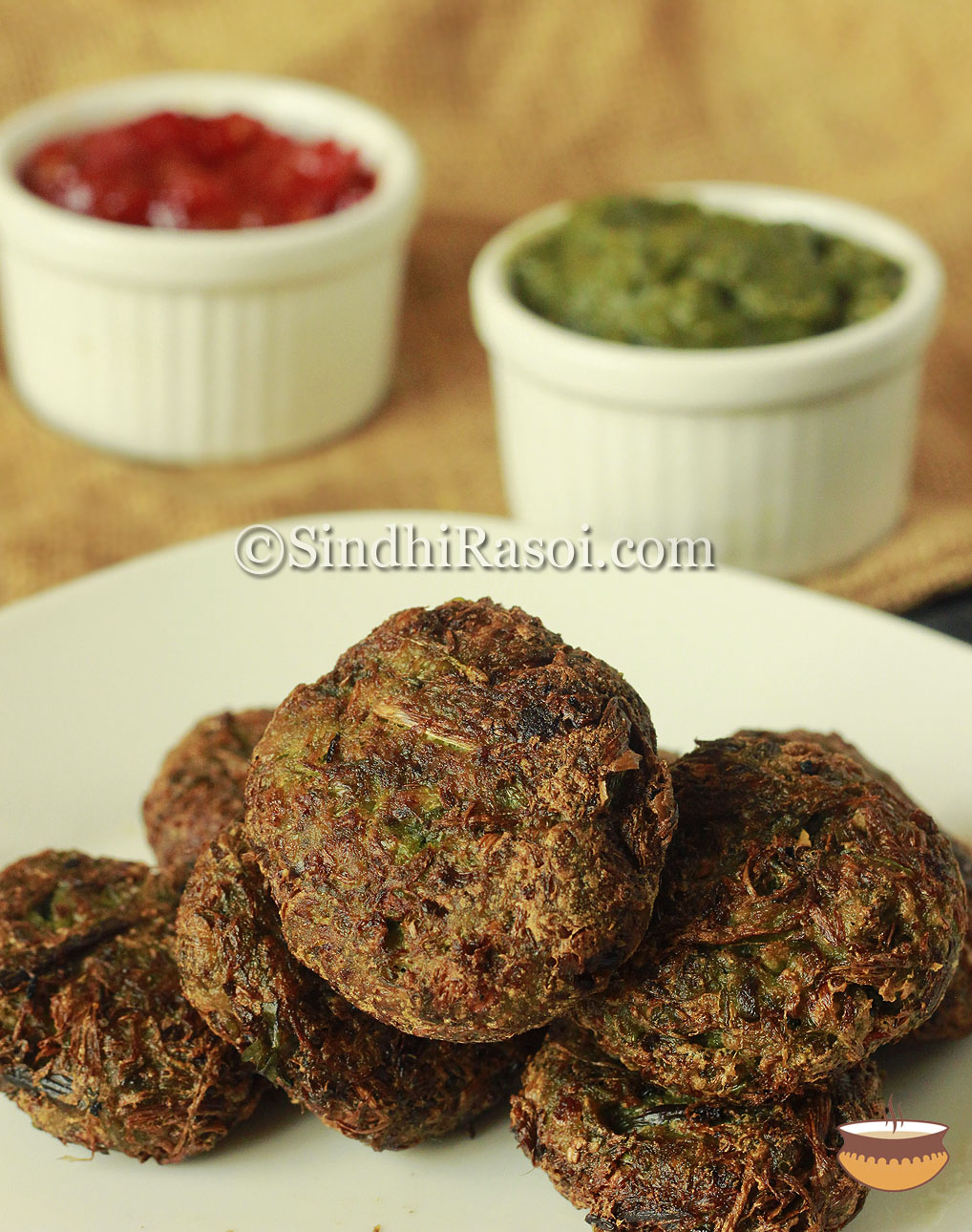
A Sindhi’s love for Lotus stem dates back to pre-partition era and our forefathers loved the nutty flavored, woodsy looking, stringy/hairy stem of Lotus flower so much that they started cultivating it here in India, around their homes, and hence this Lotus stem or Beeh is still found mostly in Sindhi dominated areas.Those who grew up in areas like Ulhasnagar, Chembur, Khar, Pune, Indore or such other Sindhi populated places, might have tasted, the stuffed Beeh tikki. A signature Sindhi snack, Beeha Ji tikki, is now hardly available in Sindhi eateries and is seldom cooked at homes. I still remember…