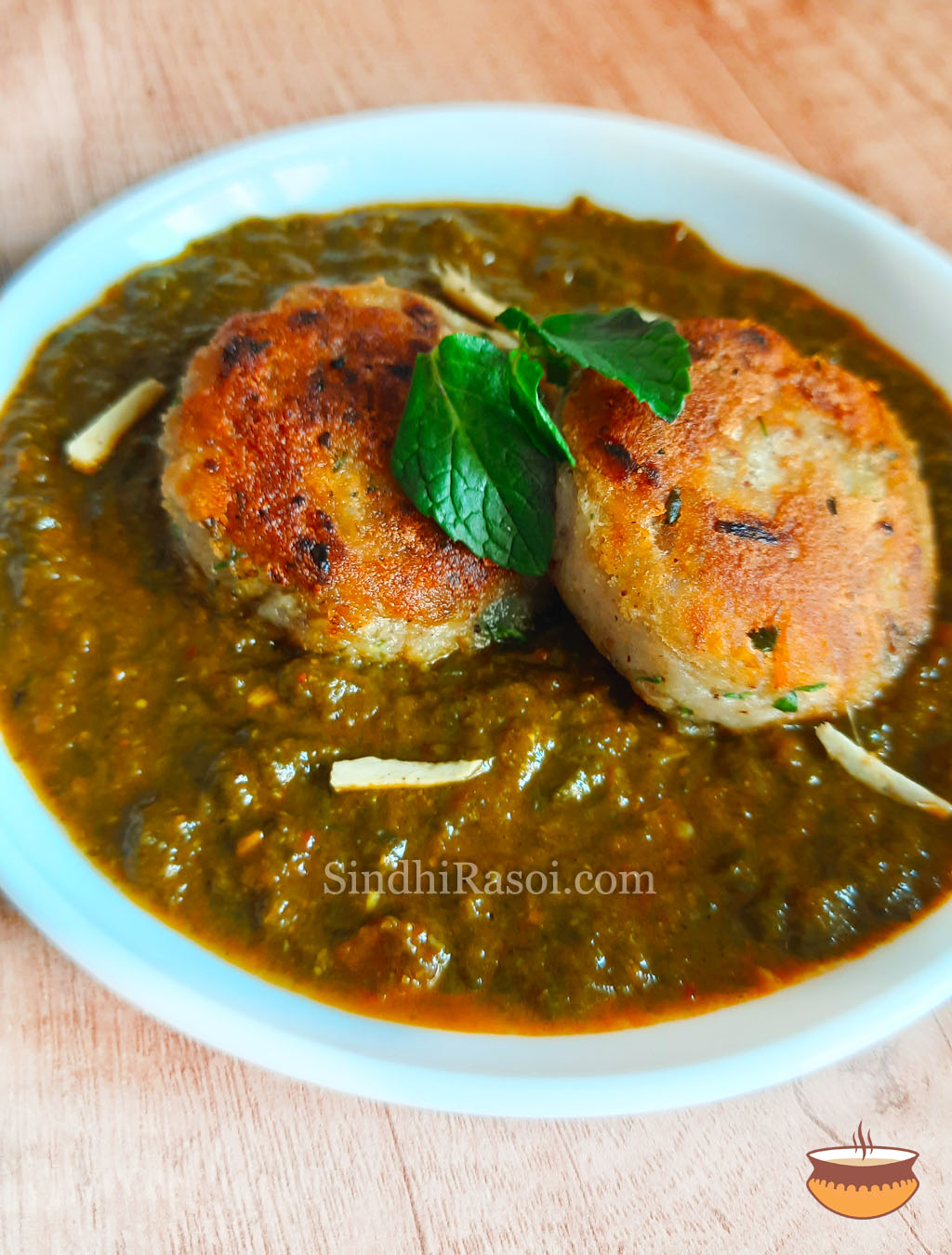
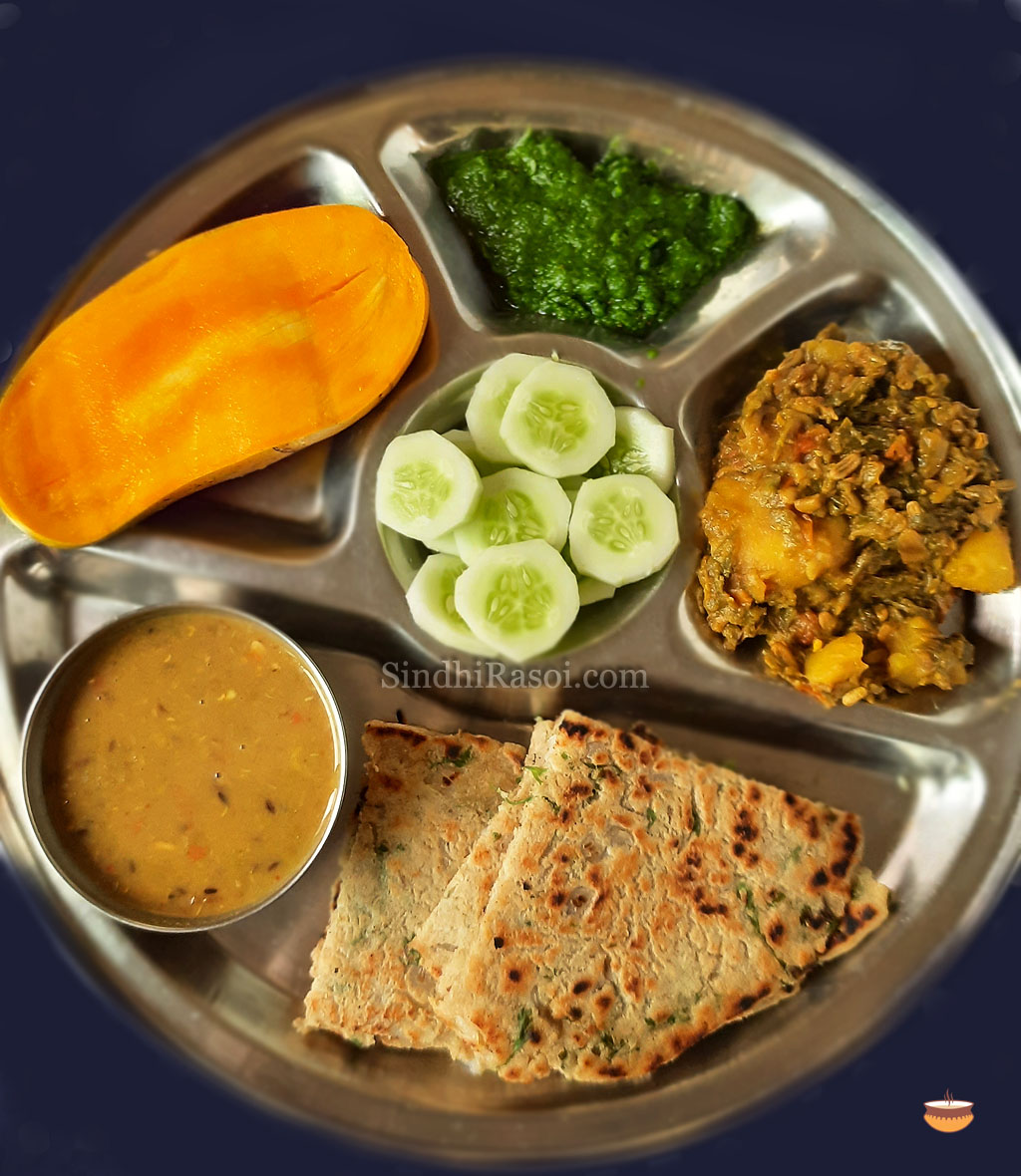
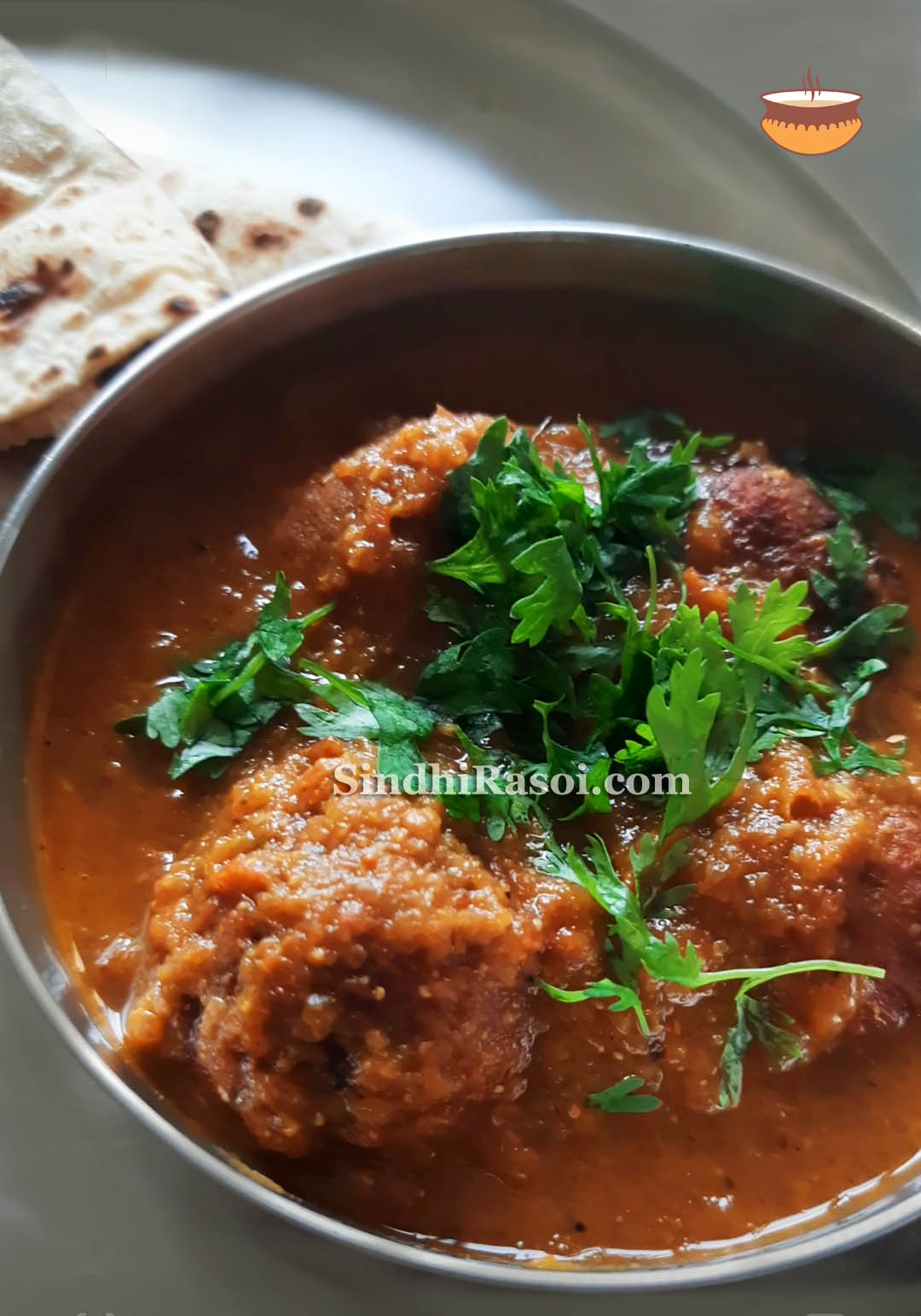
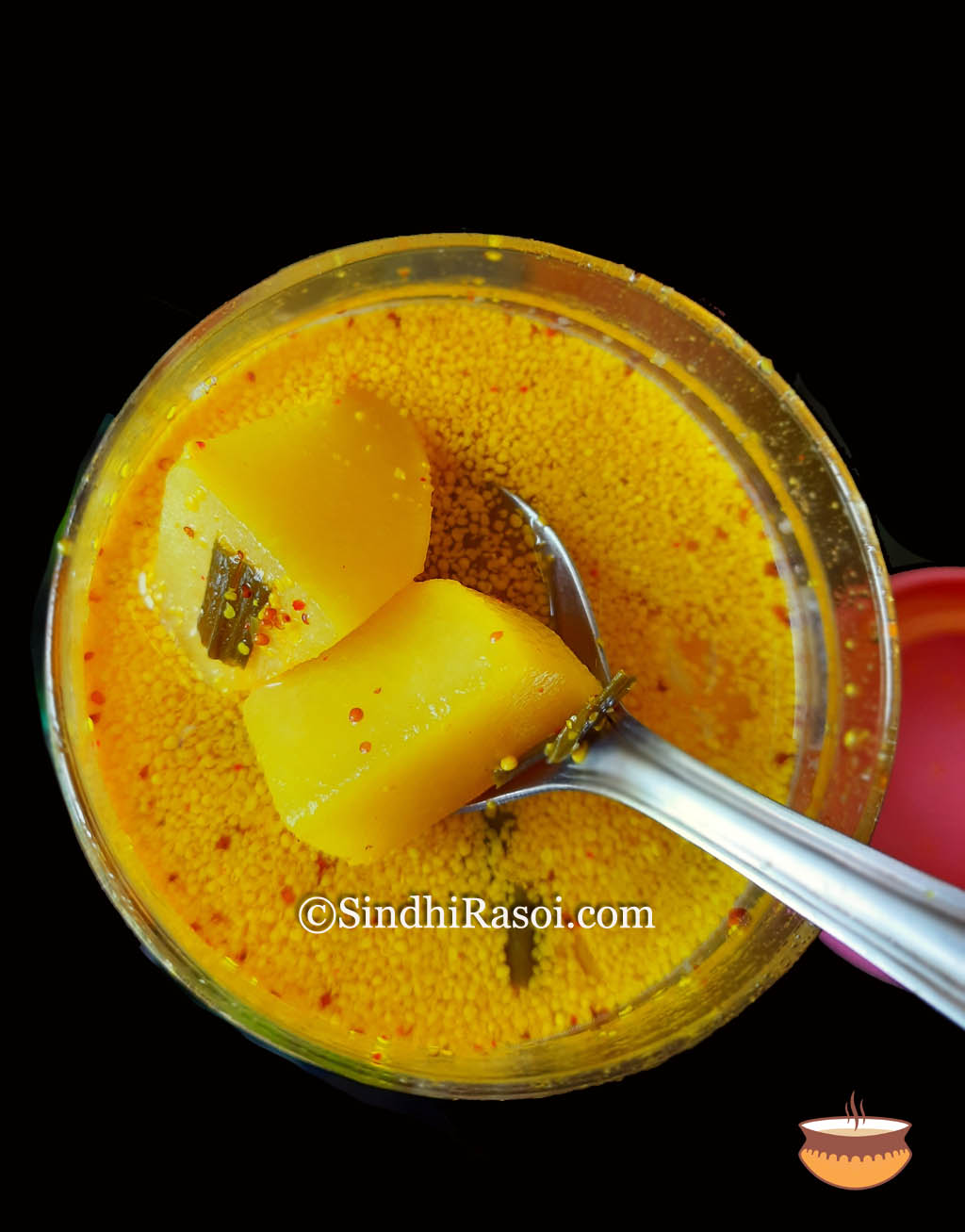
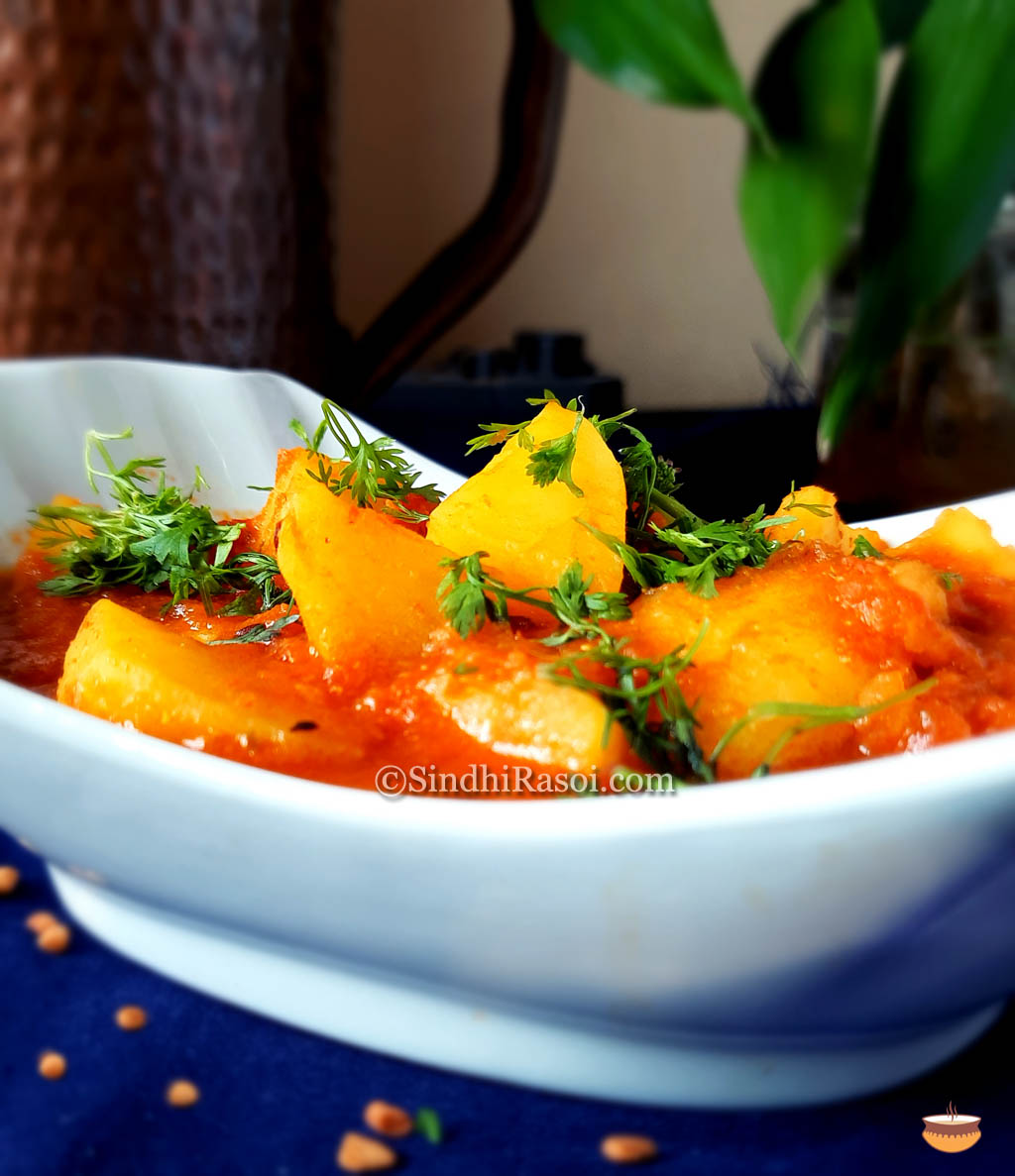
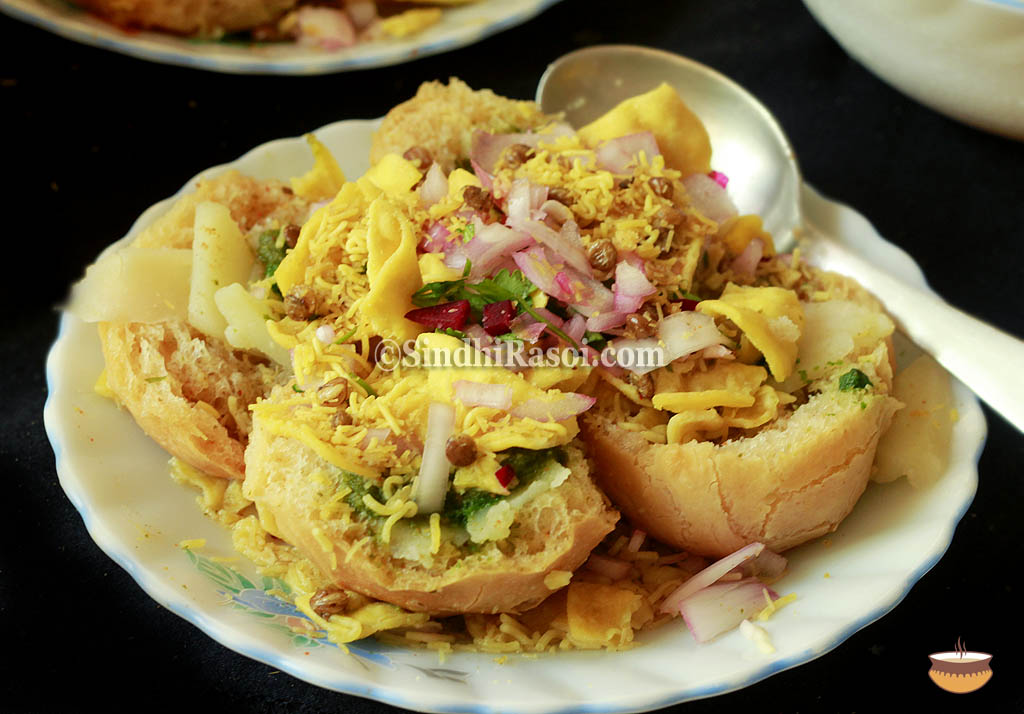
5 Sindhi Dishes made from the Leftovers No matter how particular you are about cooking just the right quantities of food, there may be some leftover food at your home, at some point of the time. Generally we just reheat the food and consume as it is but there are times when we relish the leftovers in a different avatar. Here are 5 such Sindhi style recipes requiring a few basic ingredients to give a makeover to your leftovers. Do tell me in the comments section if you have tried any of these. Also do tell me about your favorite…
-
-
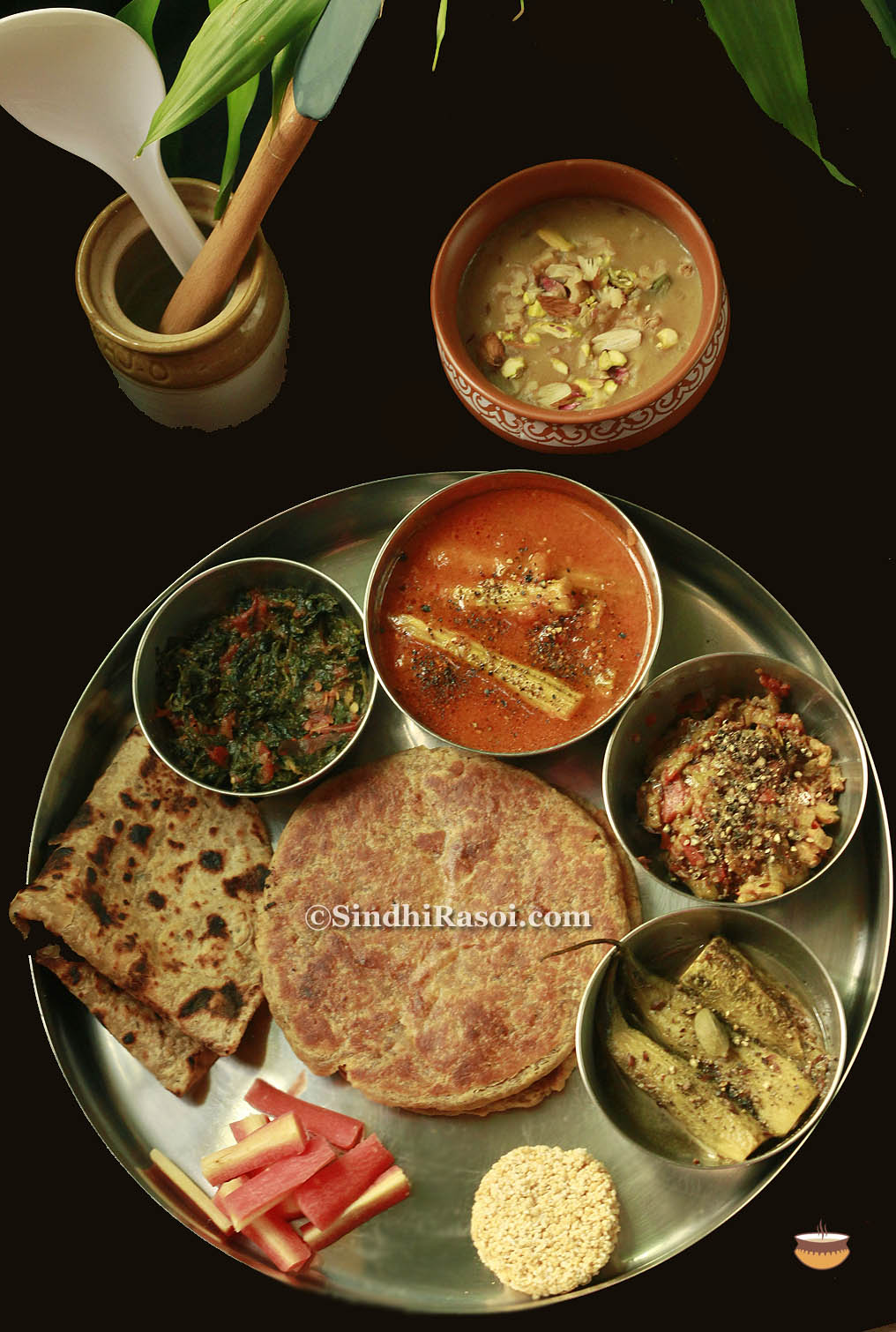
Winter season in Mumbai is a boon for those who love to eat a variety of greens/leafy vegetables. Sarson ka Saag, Bathua, Saag of Hara bhara, fresh Methi, Paalak, green garlic etc make our meals so refreshing. Winters also bring a bounty of red juicy Carrots, plump pods of Peas, Kand, tender Radish and Sweet potatoes in the markets. Walking down the lanes of vegetable markets in this season means walking down the memory lanes, pausing at the carts loaded with winter produce, admiring the array of colors, sniffing the freshest vegetables and fruits, picking the best from the lot,…
-
D^adhri, a healthy snack loaded with nostalgia! I grew up in Ulhasnagar, a place where many Sindhis still follow their traditions, where the old rituals are still valued, where you can hear the locals speaking in Sindhi language, the families eating Sindhi food on daily basis and Sindhi festivals being celebrated traditionally. It is a place where you can still find the forgotten food like Kuneh Ja beeh, Lor^h, Beeh Ja pakora/Tikki, Suhanjhro, Pali etc. As a child growing up in a typical middle class Sindhi family, I remember consuming only seasonal vegetables, fruits/food and nothing fancy/exotic/imported. It was not…
-
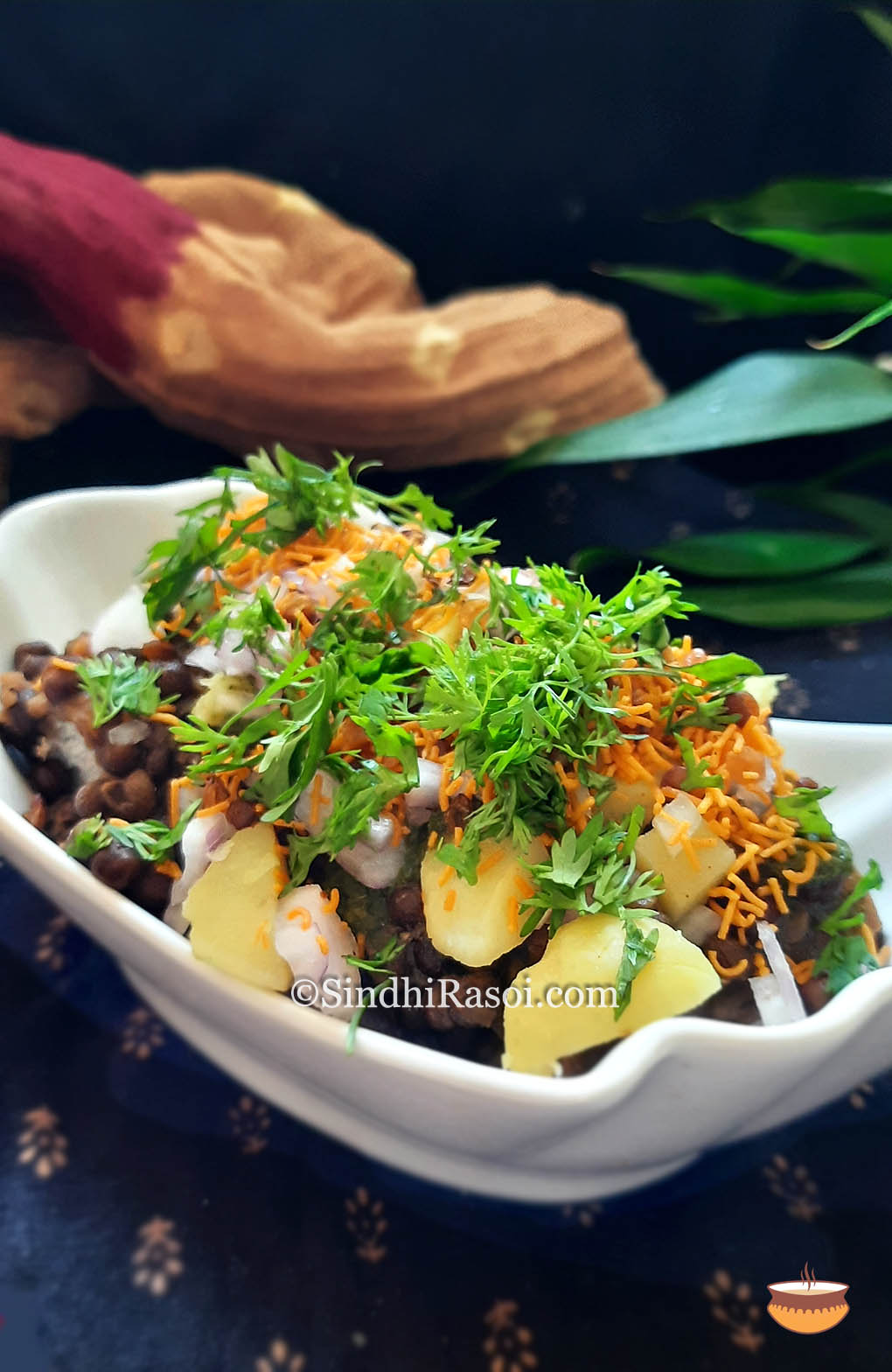
Matar Pao or the black vatana chaat is a classic street food dish from Ulhasnagar, my home town! It is made by cooking dried black peas (Kaala Matar/Vatana) with salt and water and the curry is generally flavoured with just pepper. A spicier version is made by adding garam masala powder by many vendors. The rustic flavours of the dish come from cooking vatana for longer duration, till soft and then by mashing some to make the gravy more thicker, homogenous and flavourful. Dried black peas take forever to cook and hence soaking these for 12 – 24 hours is…
-
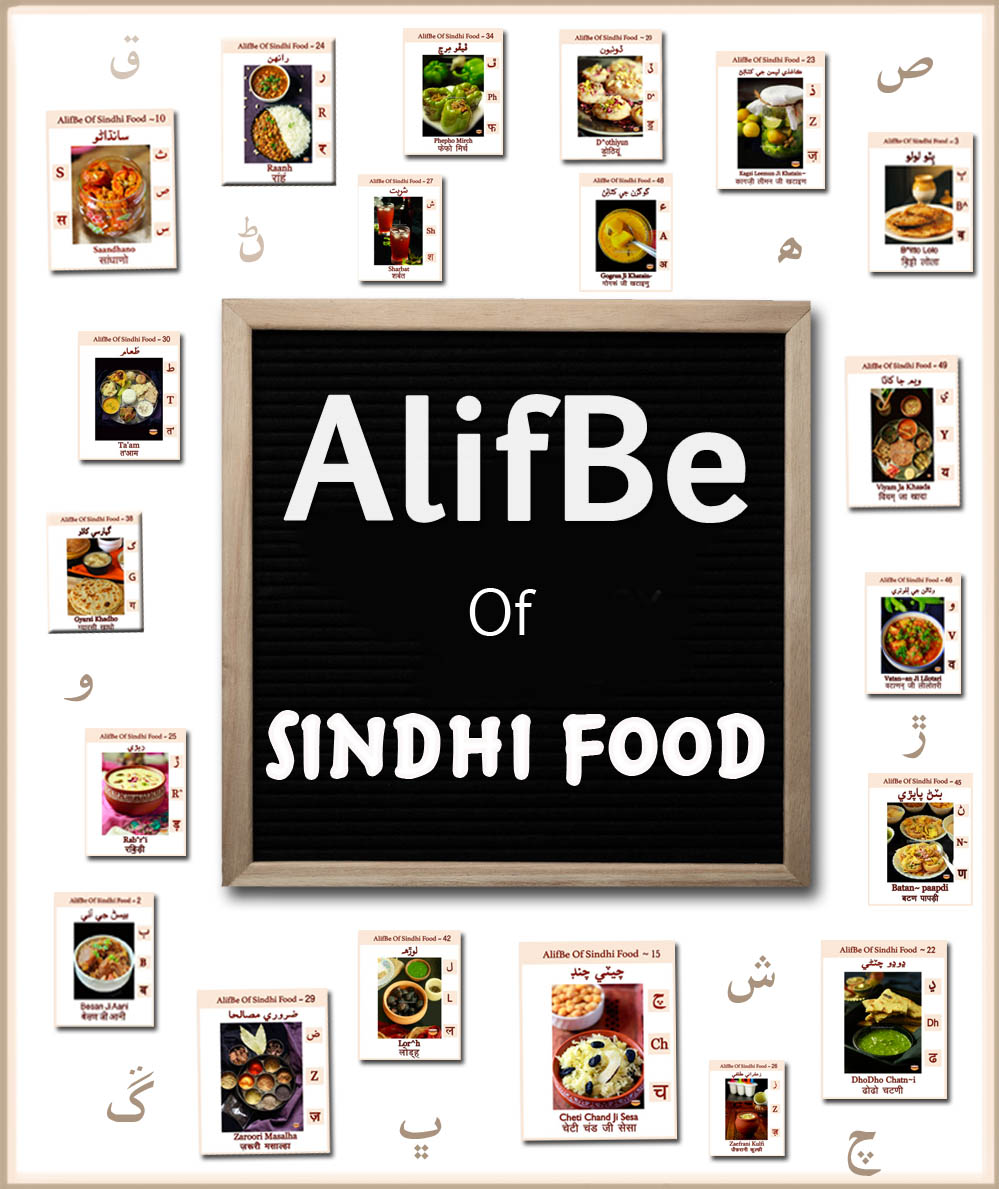
When I started working on my project about documenting ancient, traditional as well as lost recipes from Sindhi cuisine, a few years ago, the biggest challenge I faced was the lack of accessible information about the same. The limited documents that I could access, were in Arabic Sindhi, a script that I never could learn, despite of trying umpteen number of times, since my childhood. I felt stuck up. So the only way to move forward was to learn the Arabic script and to make sure that I don’t give up this time, I took up a challenge; The AlifBe…
-
Want secret recipes of Batan Papdi Chutney and special Chaat masala? Do check the video recipe : AlifBe~ 45 The 45th Alphabet of Arabic Sindhi script is ڻ in Sindhi, ण in Devanagari and N~ in Roman Sindhi. In Hindi or Devanagari, no word starts with this particular alphabet. Same is the case with the Sindhi script and the ण appears in the middle or at the end of any word. In English it is generally denoted by ‘N’ as in Ramayan, Raavan, Brahman etc due to lack of proper corresponding alphabet for ण, in English. And I have picked…
-
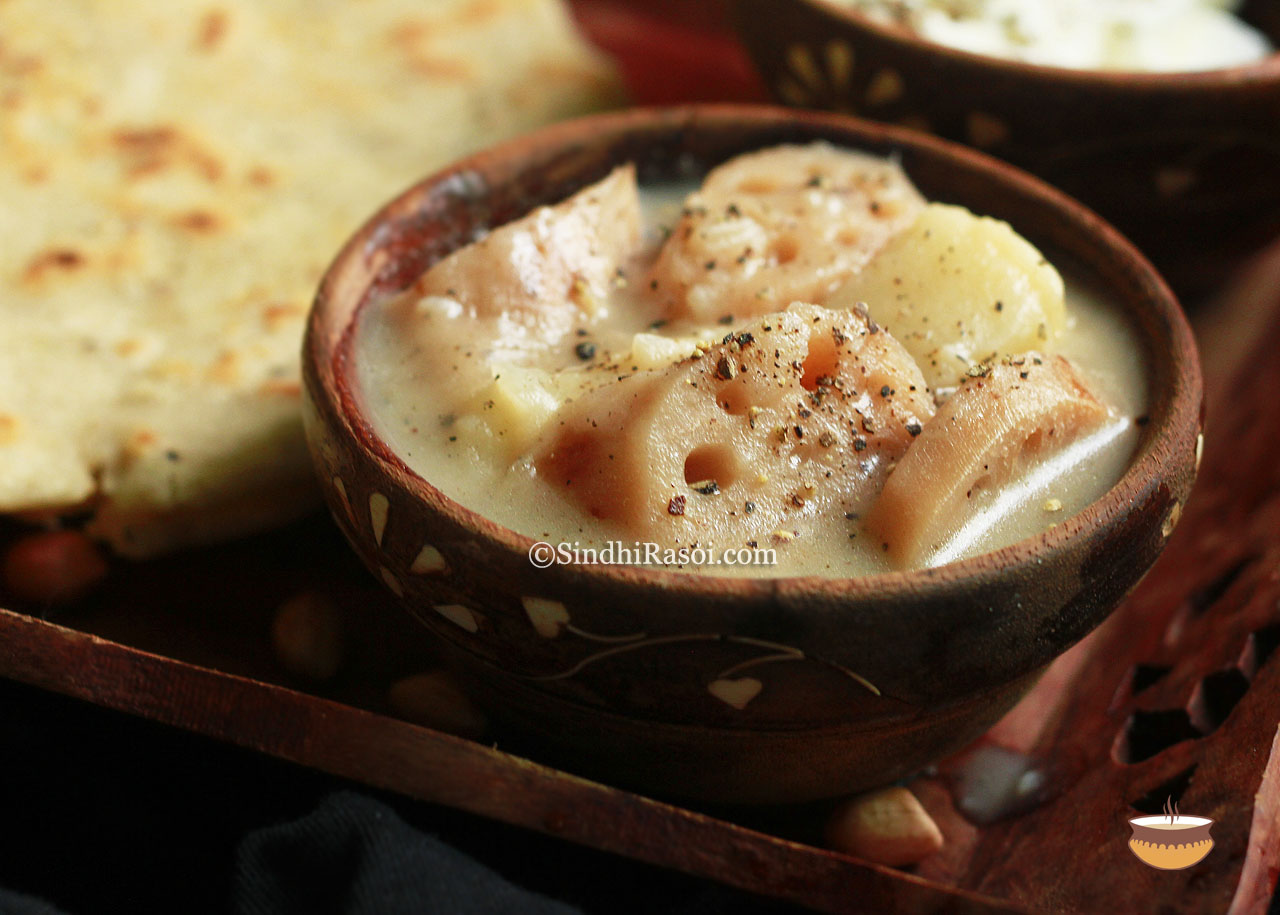
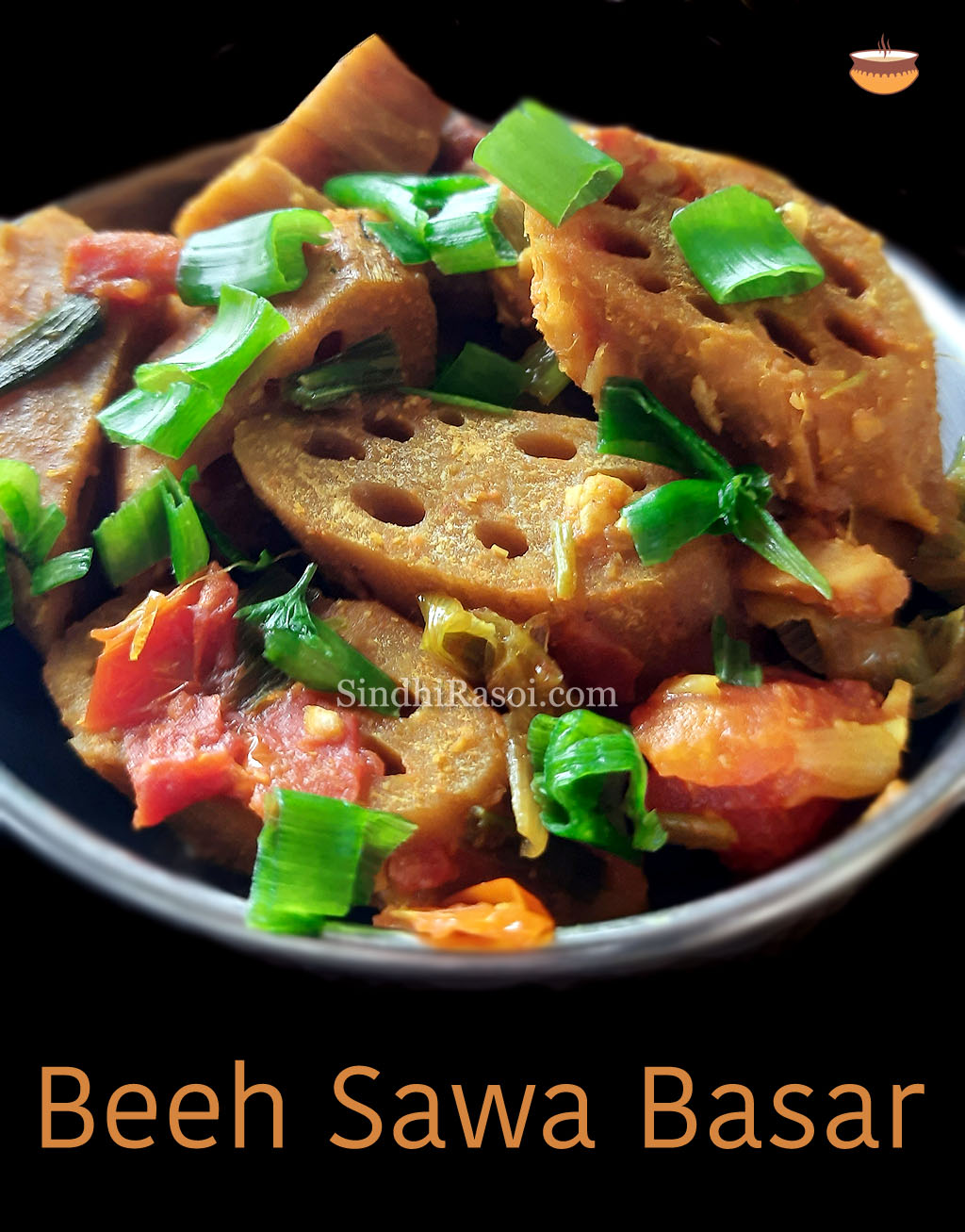
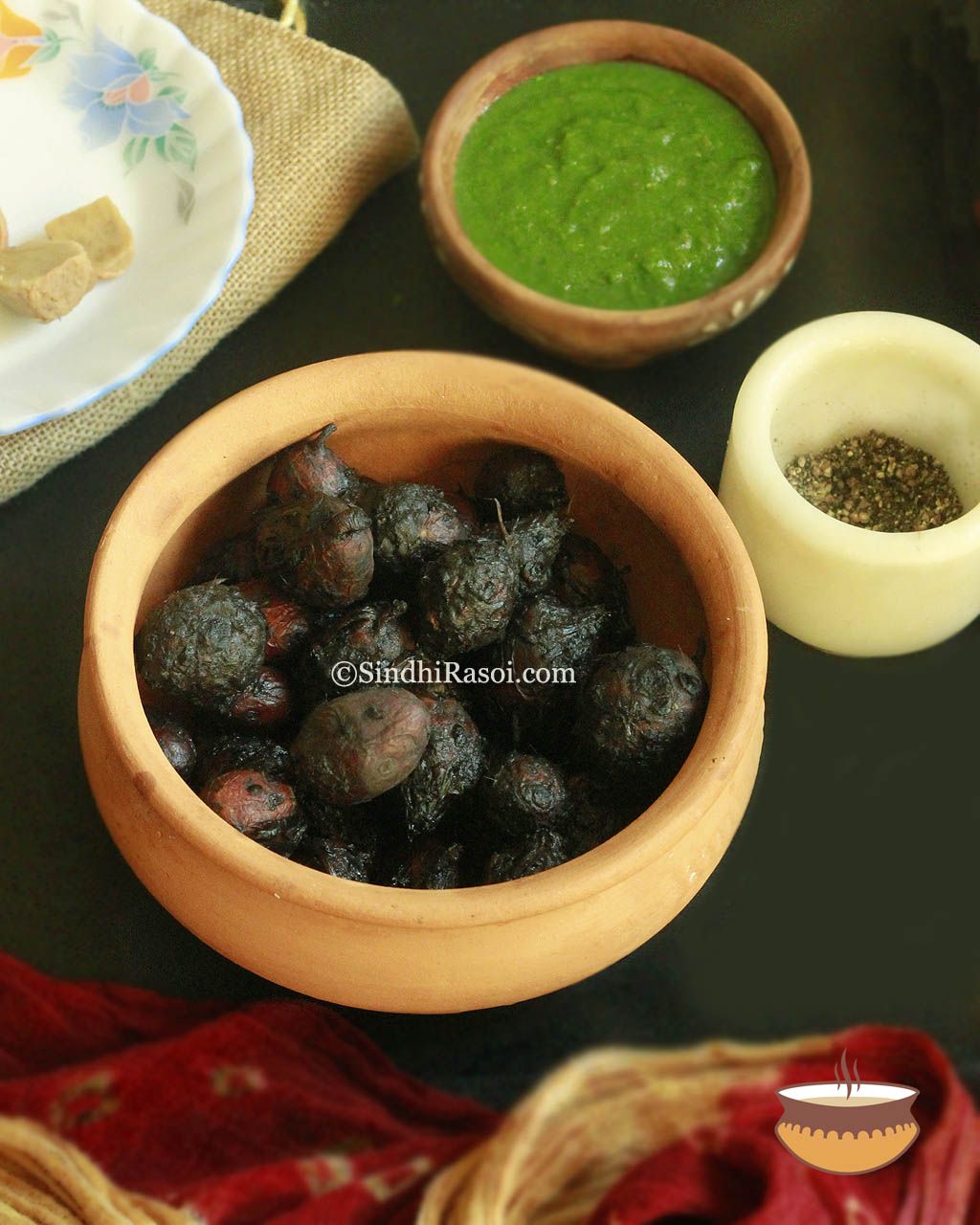
Lor^h!! Lotus corms Not many of you might be aware of the Lor^h/Lor^hu/Lor^hiyun (लोड्ह/लोड्हु) from the Sindhi cuisine. Not many of you might have tasted the earthy, rustic Lor^h. Only a few of you may remember your grandparents or parents relishing these and I bet only a handful of you appreciate the flavours of these ugly looking corms (or bulbs) of Lotus plant. AlifBe # 42 The 42th alphabet of Arabic Sindhi script is ل in Sindhi, ल in Devanagari and ‘L‘ in Roman Sindhi. When I first made the list of dishes for the AlifBe of Sindhi food series,…