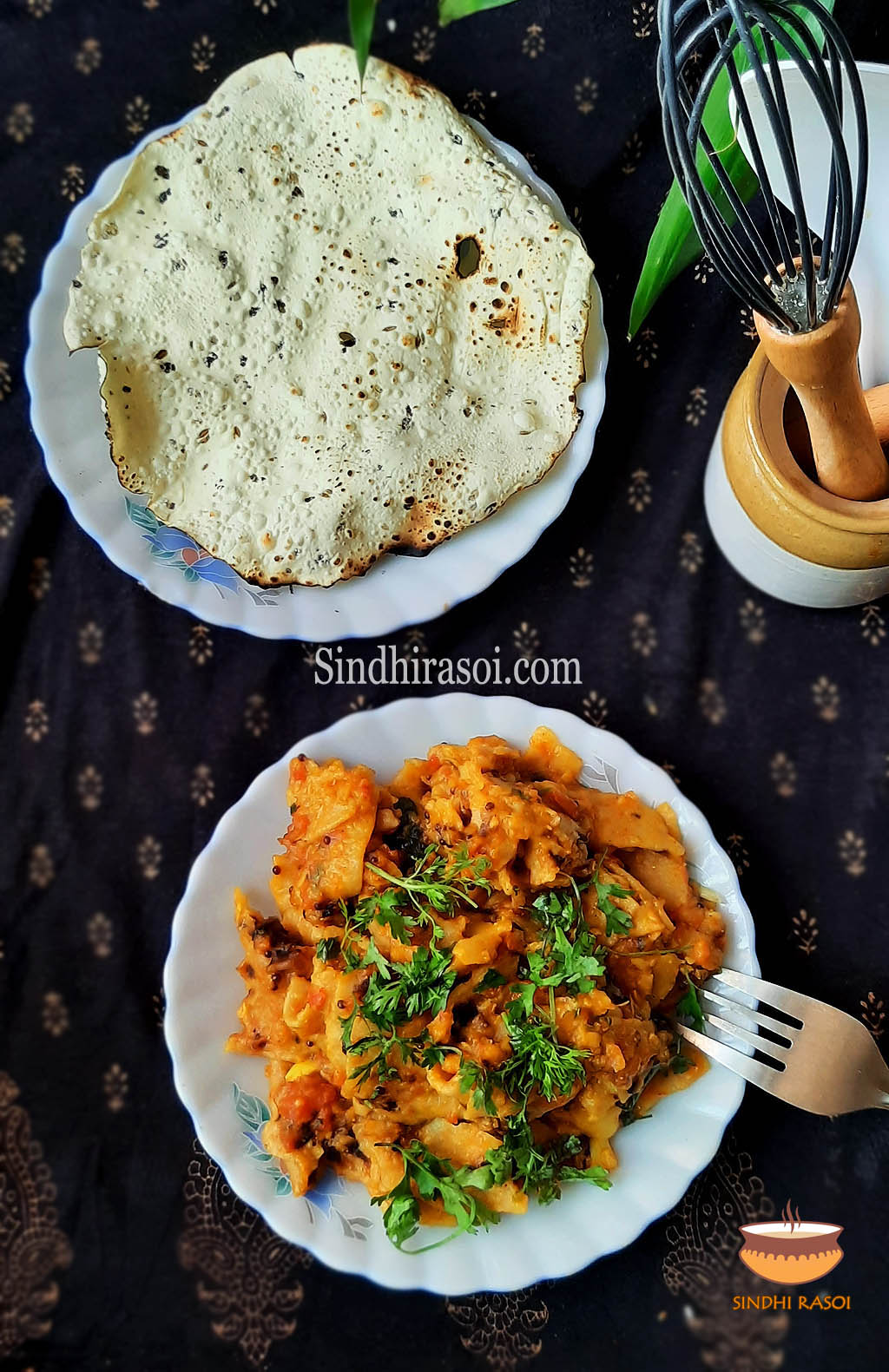
5 Sindhi Dishes made from the Leftovers No matter how particular you are about cooking just the right quantities of food, there may be some leftover food at your home, at some point of the time. Generally we just reheat the food and consume as it is but there are times when we relish the leftovers in a different avatar. Here are 5 such Sindhi style recipes requiring a few basic ingredients to give a makeover to your leftovers. Do tell me in the comments section if you have tried any of these. Also do tell me about your favorite…
-
-
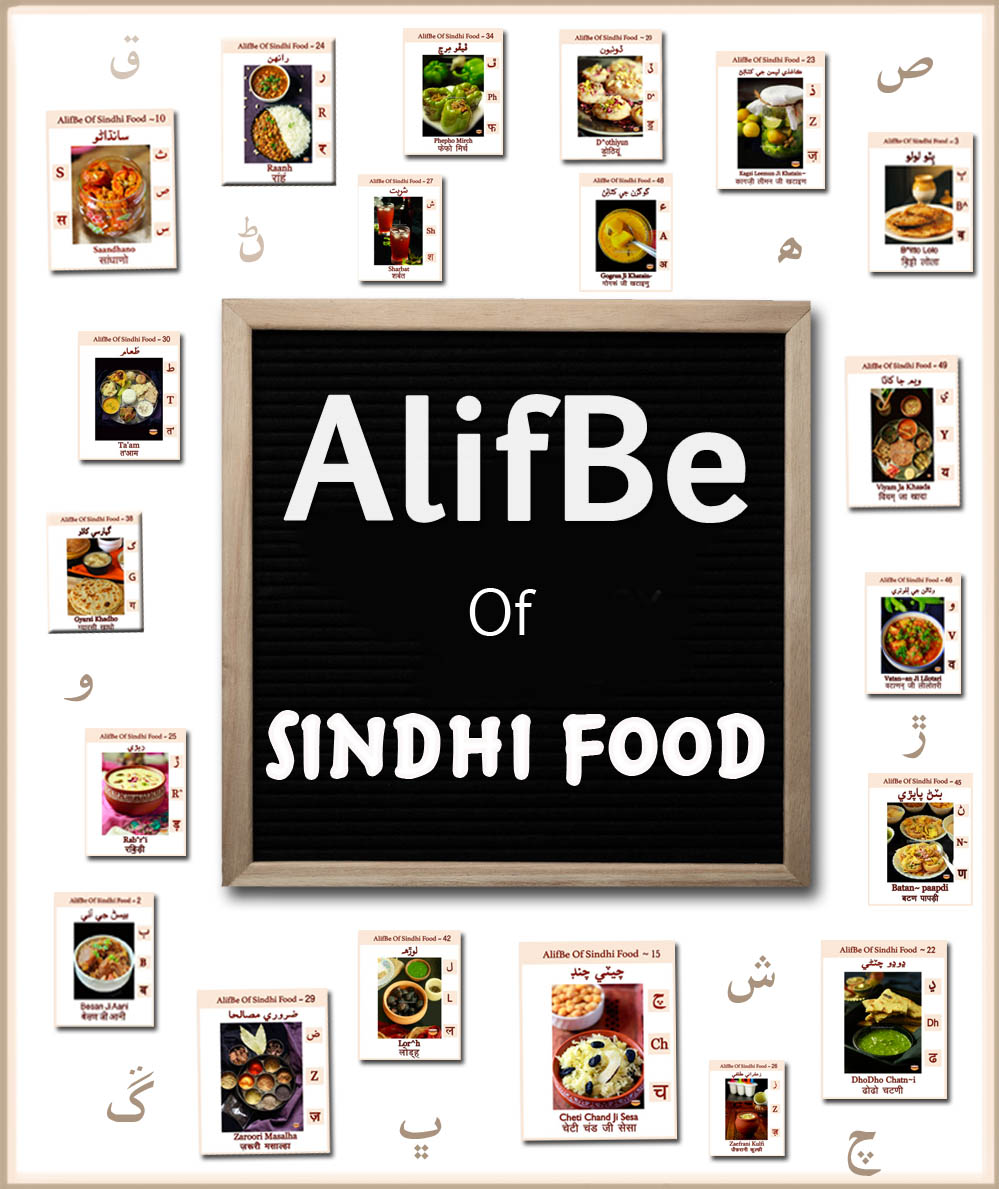
When I started working on my project about documenting ancient, traditional as well as lost recipes from Sindhi cuisine, a few years ago, the biggest challenge I faced was the lack of accessible information about the same. The limited documents that I could access, were in Arabic Sindhi, a script that I never could learn, despite of trying umpteen number of times, since my childhood. I felt stuck up. So the only way to move forward was to learn the Arabic script and to make sure that I don’t give up this time, I took up a challenge; The AlifBe…
-
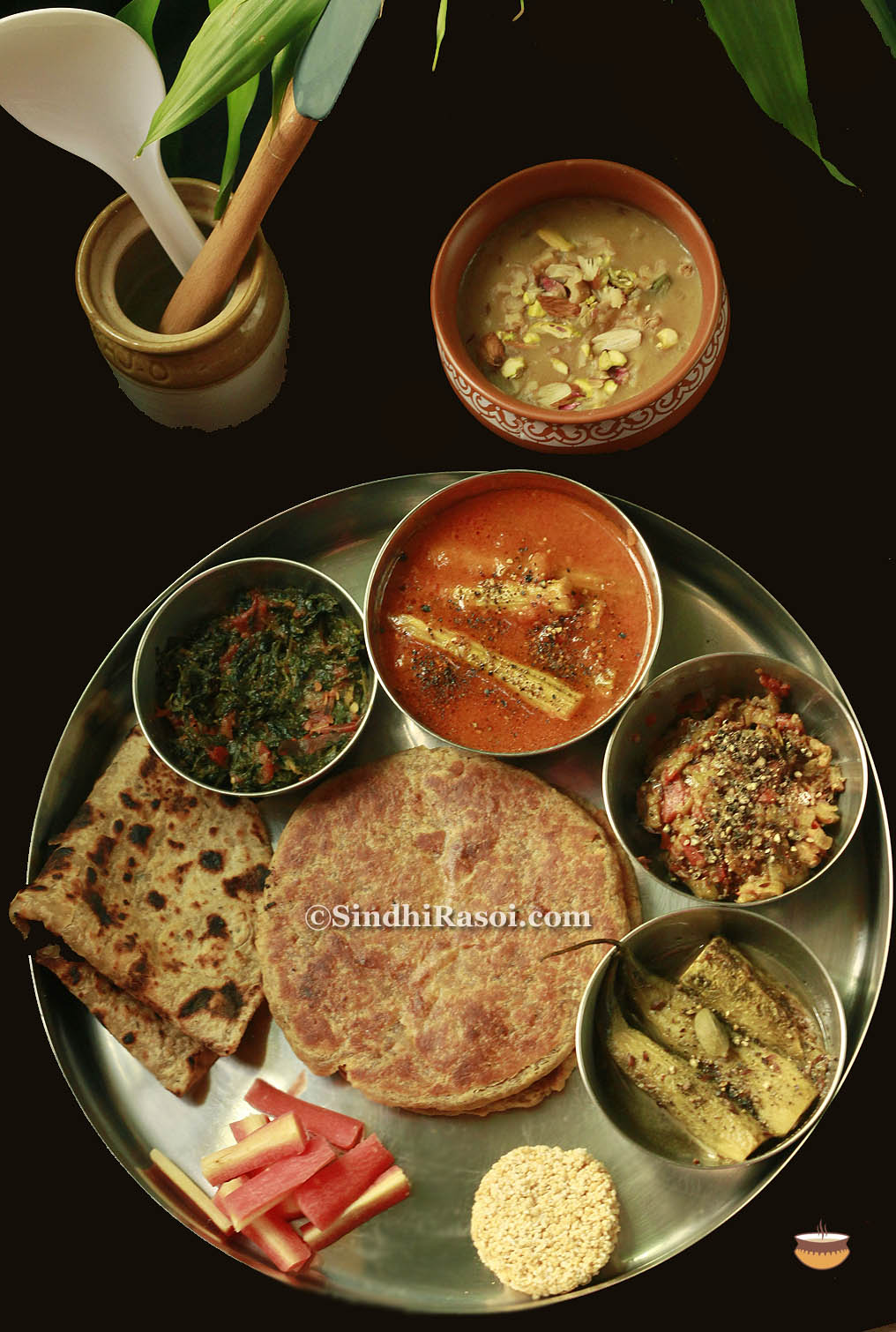
The last alphabet of AlifBe, the Sindhi alphabet is ي in Arabic Sindhi, य in Devanagari and ‘Y’ is Roman Sindhi. It is also used as a vowel and could be pronounced as /e/ (even long /eee/). No Sindhi dish starts with the letter Y. Hence for the last alphabet in this series I have picked ‘Viyam Ja khaada’ . Viyam /Vyam/Vi-am means Delivery (Child birth) and Khaada means food/dishes. So basically it means the food that is supposed to be consumed by new mothers, particularly for the first 40 days after child birth. Traditionally, the new mother is supposed…
-
Gyarsi Khadho or the Sindhi Ekadashi food is my pick for the AlifBe of Sindhi food~ 38. The 38th alphabet in Persio Arabic script is گ in Sindhi, ग in Devanagari and ‘G‘ as in Ganga, in Roman Sindhi. Gyars: Gyars (Giyaras/ Igyas) is observed on the eleventh day of Hindu Lunar month. In each lunar month two Gyars (Ekadashi) are observed. Like many other communities, even Sindhi people observe the Ekadashi fast. Upvas or fasting as we call it, is an essential part of any culture. There are various ways to observe a fast and there are various types…
-
Parsad (Prasad or an oblation) distributed in Sindhi temples or Tikana could be as unpretentious as Misri (rock candy) or as eye appealing as D^othee , it could be as sacrosanct as the Karah parsad (Kadah Prasad) or as revered as the Dona parsad of the Puj Chaliha Sahib Mandir (in Ulhasnagar). Mostly anything sweet is offered to the deities and a prasad is generally made from different kind of flours, ghee, sugar, jaggery, used in various combinations and proportions and cooked in varying ways to make sweets of infinite flavors and textures. Fresh fruits too are abundantly distributed in…
-
Third letter of #AlifBe i.e Sindhi alphabet is very interesting. The consonantal sound of this alphabet is used in only a handful-of languages spoken across the world like: Ega or the West African language spoken in South central Ivory coast or Vietnamese, Zulu etc if I am not wrong. The alphabet is ٻ and is written as B^ in Roman Sindhi. In English language the sounds of consonants are articulated when the air from lungs move outwards and hence such sounds are known as pulmonic sounds (Try saying A, B, C, D….and you will be able to relate). But in…
-
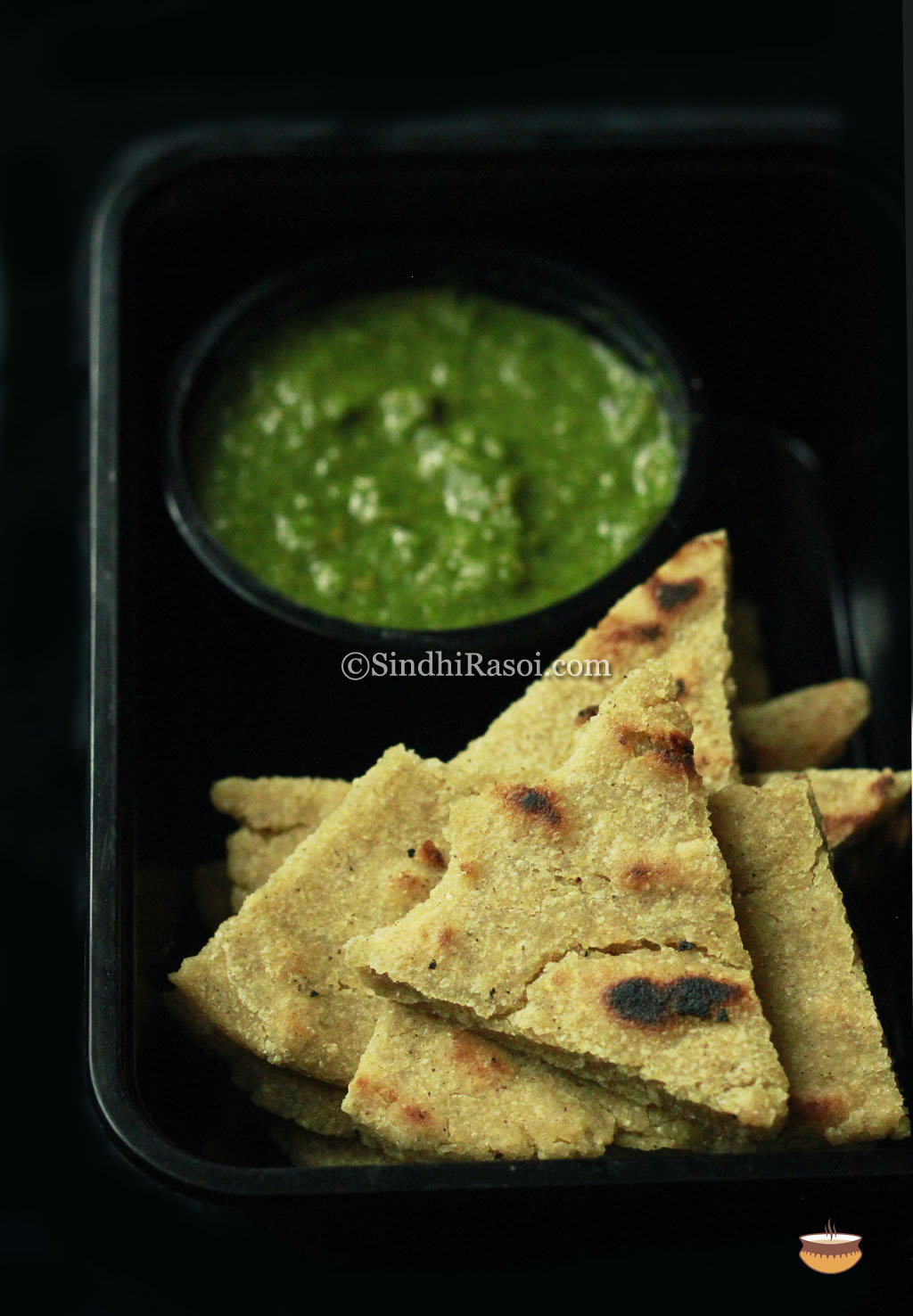
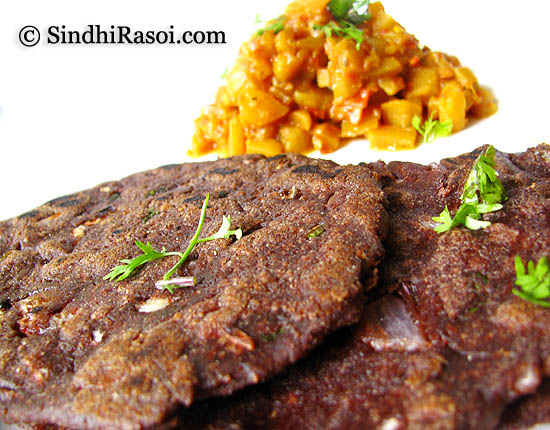
Unleavened flatbread made from Ragi flour, spiced up with herbs and onions