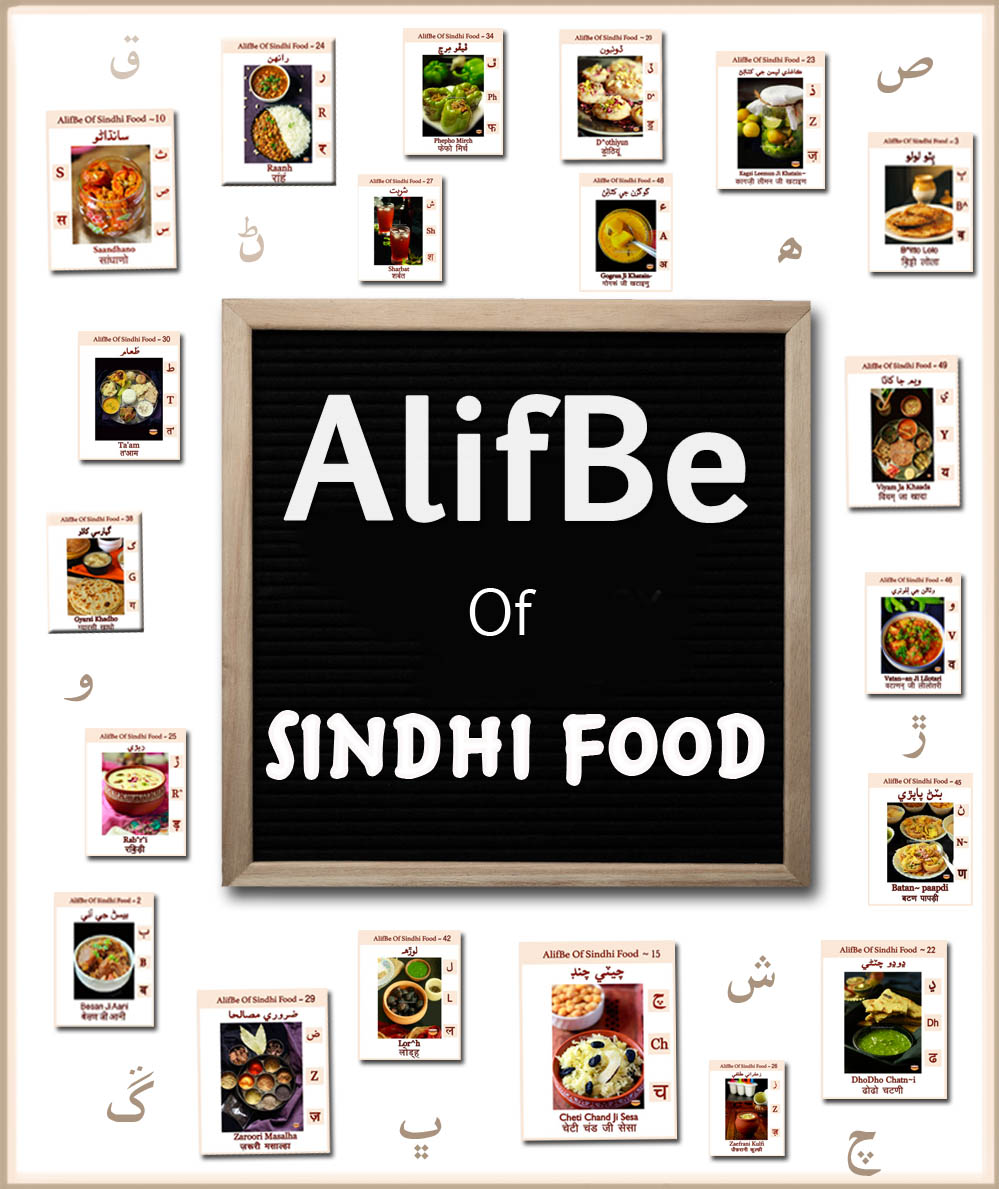
The AlifBe of Sindhi food series is inching towards the end and I am trying to stay focused and enthusiastic about blogging beyond the AlifBe series. Wish me luck, dear friends! For the uninitiated, there are 52 alphabets in Arabic Sindhi script. Out of 52, I have skipped three alphabets, namely ح , ظ , ث i.e ‘S’, ‘Z’ and ‘H’ respectively as these are used in the words of Non Sindhi origin (i.e in words that are Arabic, Persian etc) while هہ , ز , س are used for the similar sounds (S, Z, H) in words of Sindhi…
-
-
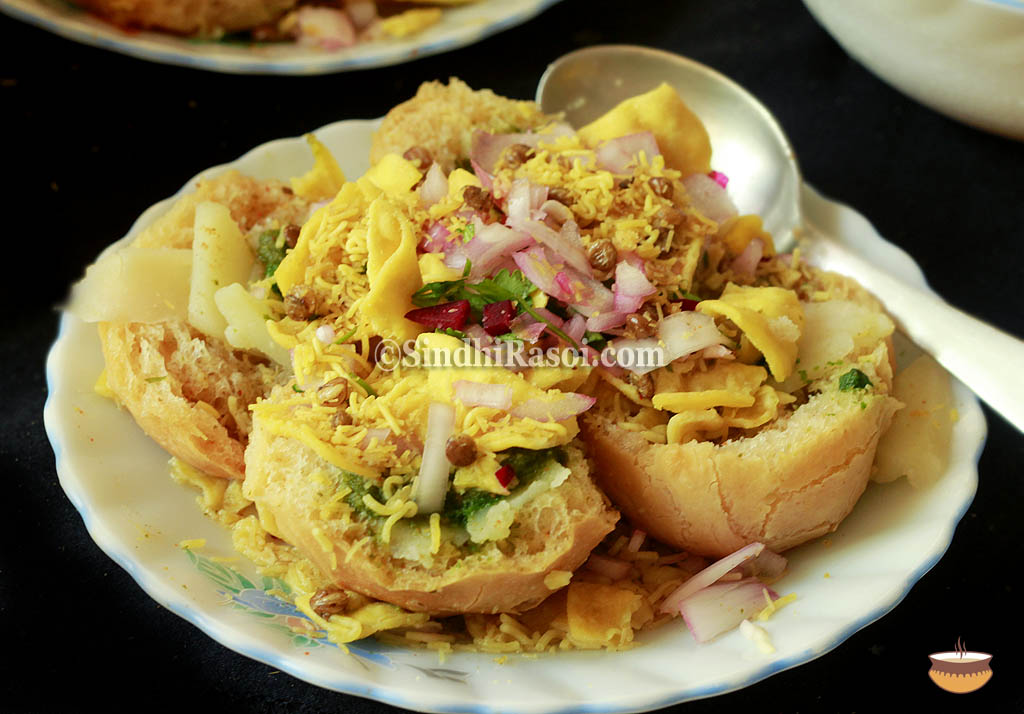
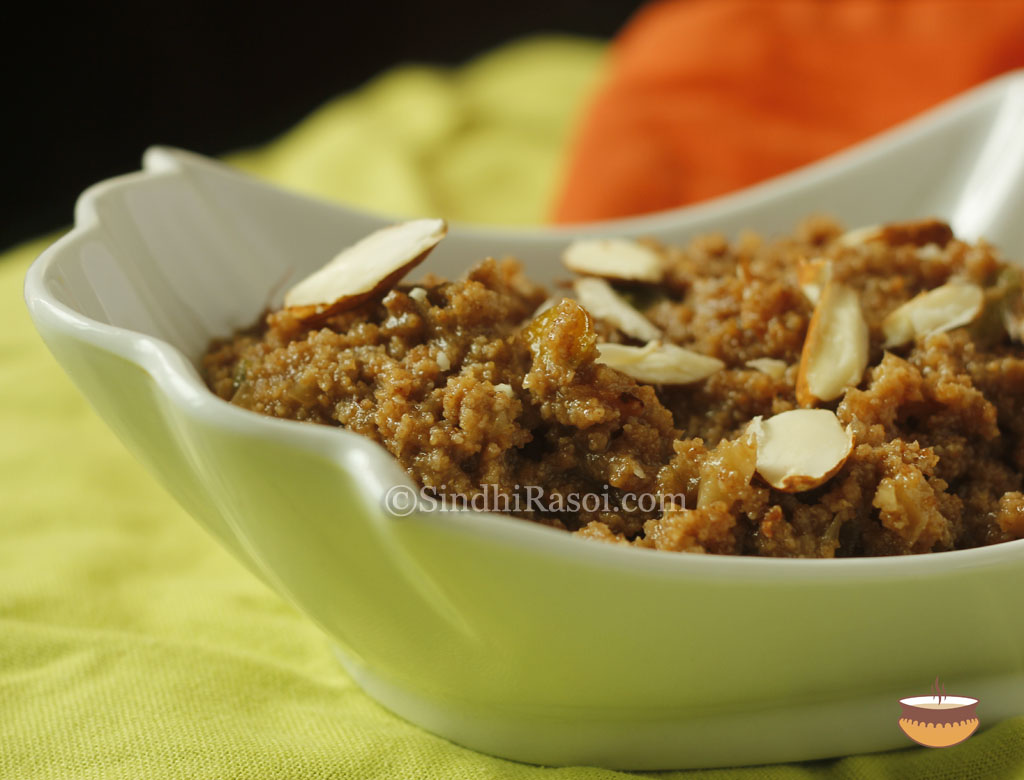
Want secret recipes of Batan Papdi Chutney and special Chaat masala? Do check the video recipe : AlifBe~ 45 The 45th Alphabet of Arabic Sindhi script is ڻ in Sindhi, ण in Devanagari and N~ in Roman Sindhi. In Hindi or Devanagari, no word starts with this particular alphabet. Same is the case with the Sindhi script and the ण appears in the middle or at the end of any word. In English it is generally denoted by ‘N’ as in Ramayan, Raavan, Brahman etc due to lack of proper corresponding alphabet for ण, in English. And I have picked…
-
A G^ach, literally means a quarter in Sindhi language. The sweetened dough ball is rolled into a thick ‘roti’, cut into quarters and deep fried. These fried ‘cookies’ are then garnished with powdered sugar, chopped nuts, dried rose petals and a spoon full of hot oil is poured on sugar. It sort of, forms a crunchy sugar glaze and makes the cookie more visually appealing though, more calorie rich. Ideally G^ach are made using All purpose flour (Maida) with ghee for moyan but these taste good enough even if made with whole wheat flour. Video Recipe of G^ach: This time…
-
Took a small break to rejuvenate and to cope up with the seasonal allergies and stayed away from social media to relax and heal . Slowed down the pace of working on the projects that I am currently involved in, including the AlifBe and the recipe videos. A lot happened in the last fortnight, some good, some bad, some ugly and some, almost surreal but life moved on! And here I am today, with the 37th alphabet of the Arabic Sindhi script ; ک i.e ख in Devanagari and Kh, as in Khajur, in Roman Sindhi. And the corresponding dish…
-
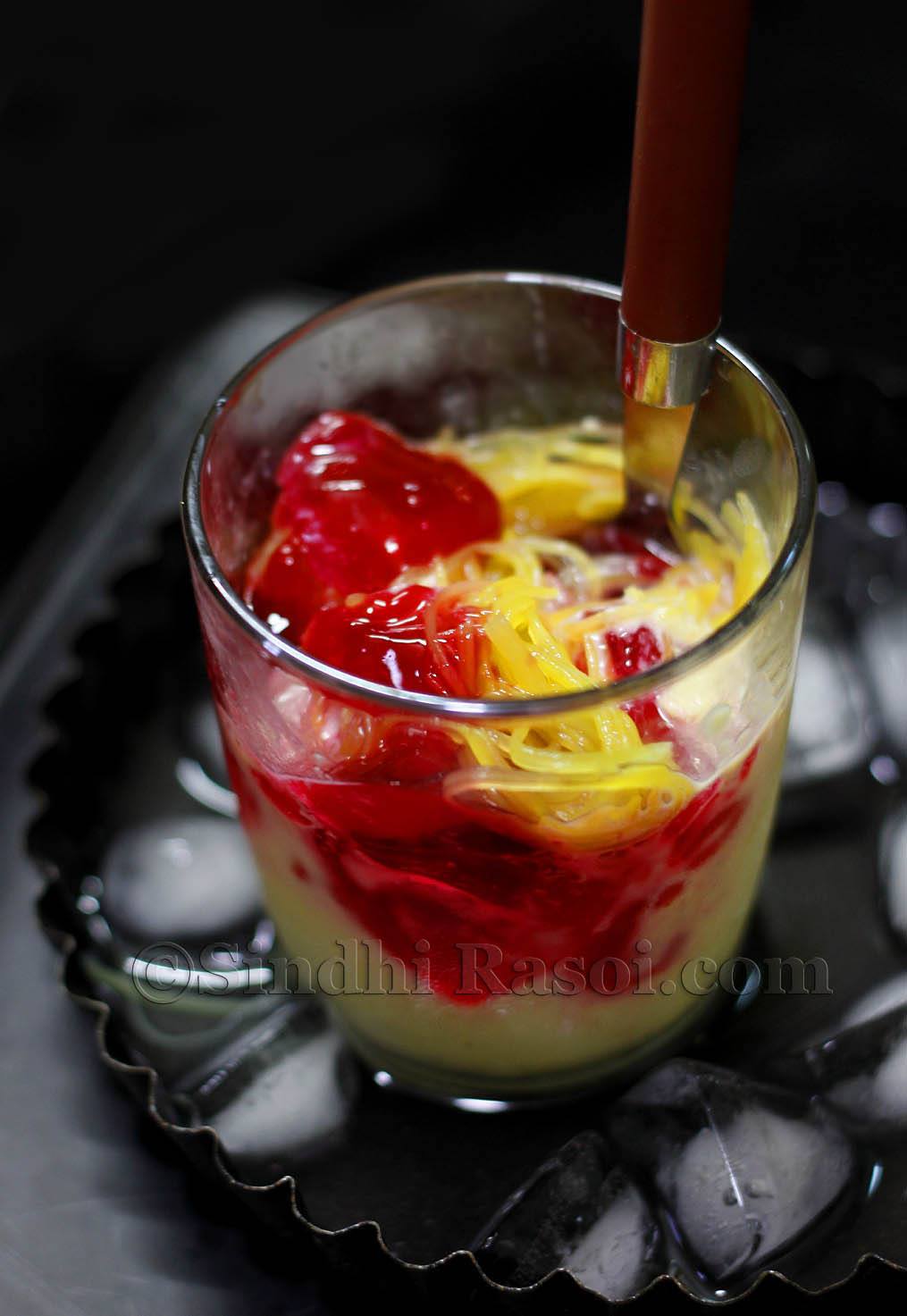
Watch the video about how to make Faluda Sev at home. It is my first video recipe: If you assume that making Faluda sev at home is difficult, then please do check today’s recipe! Hello everyone, hope you all are doing good! I am here today to share a very simple recipe of Faluda sev. It barely takes 15-20 minutes to make it at home. But before I hop on to the recipe, let’s talk about today’s alphabet i.e ف in Arabic Sindhi, फ़ in Devanagari and ‘F‘ in Roman. There ain’t any Sindhi Dish starting with this…
-
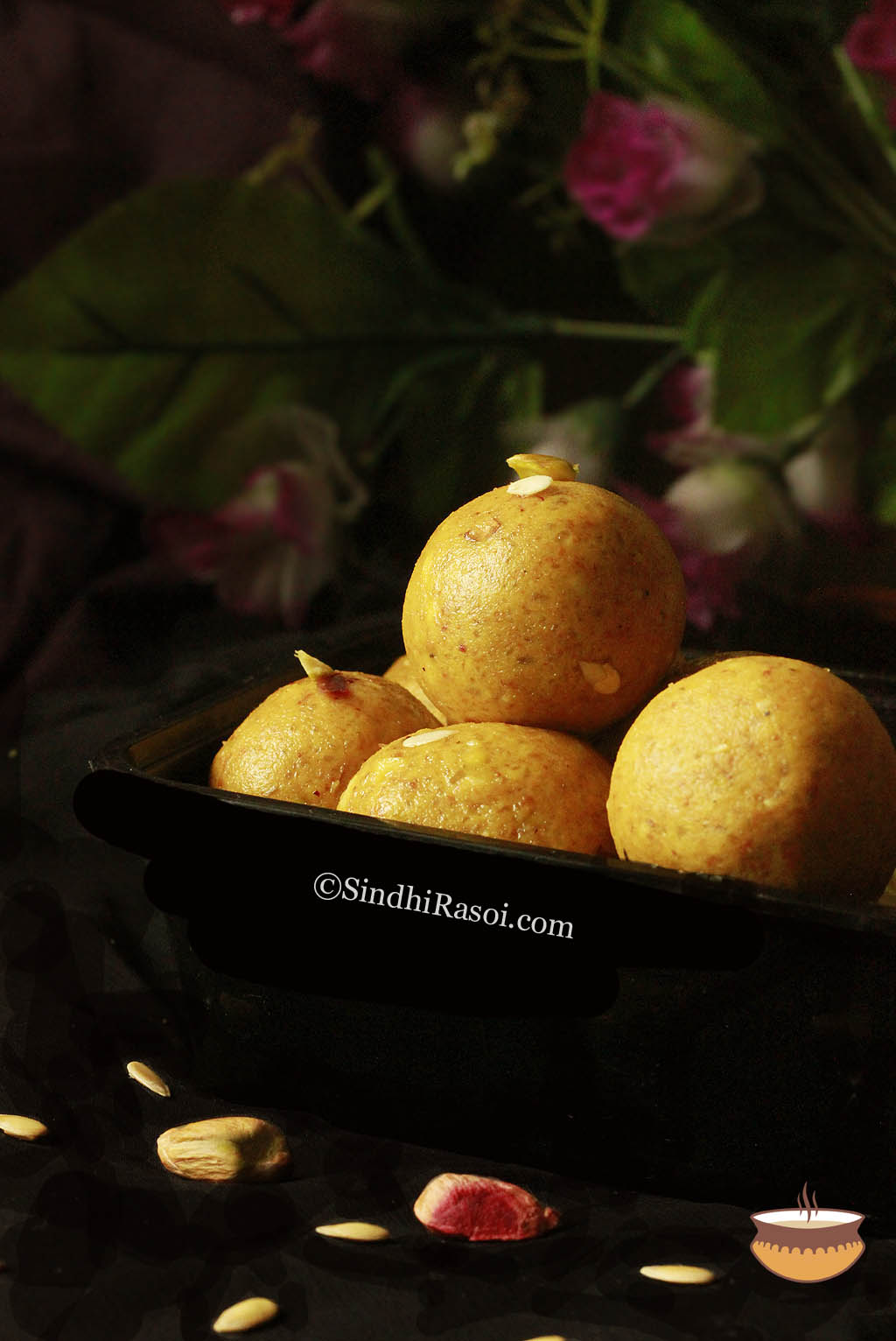
Magaz or Char Magaz to be precise, is a mix of four types of seeds! These delicious seeds of melon family are immensely popular as superfood and are not only consumed raw or toasted but are also used in many sweet dishes as well as in curries! Char magaz i.e kernels of Watermelon, Cantaloupe, Pumpkin and Cucumber are used in many Sindhi dishes as well. The seeds are known for their brain boosting properties (Hence the name, Magaz or Brain!) and are a powerhouse of nutrition being rich in vitamins, minerals, proteins etc. The AlifBe #32 is غ i.e G̣…
-
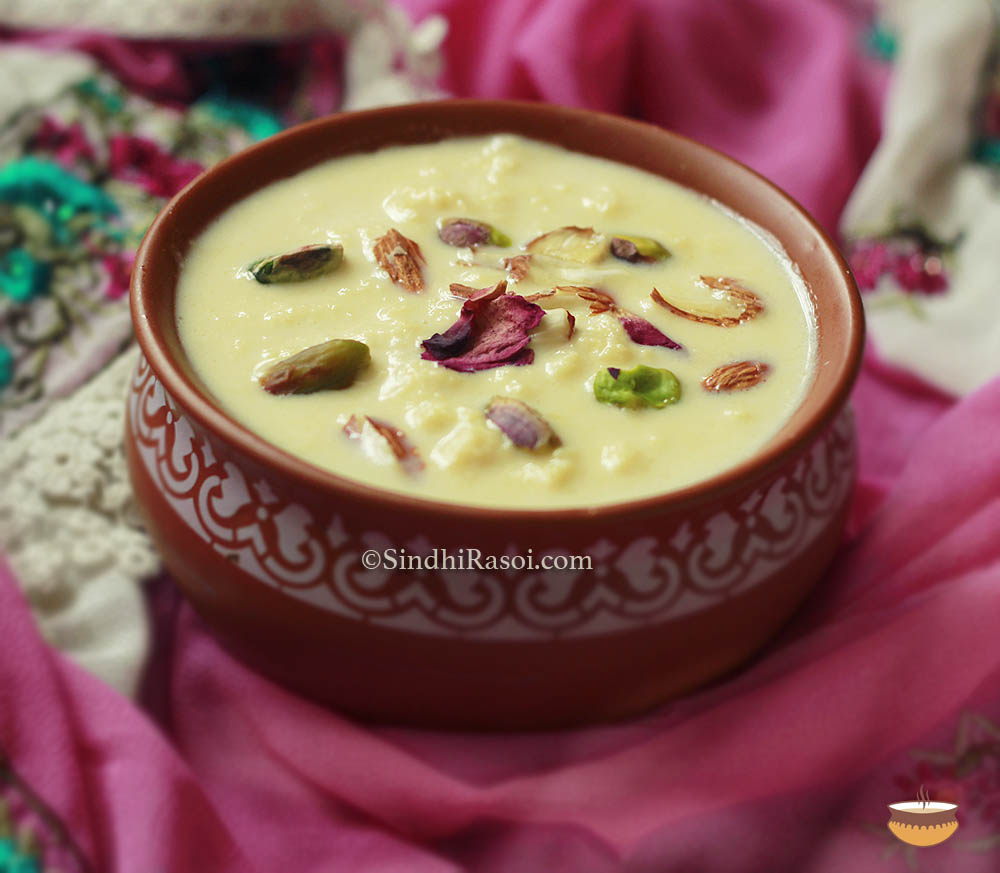
The Dairy products could be divided in many types, for example, heat desiccated (khoya), heat and acid coagulated (paneer, cheese), clarified butter (ghee), frozen (Ice cream), frozen concentrated milk (Kulfi variant) and condensed or concentrated products like Rabdi, Basundi etc. In the spotlight today is the Rabri or Rabdi or as many Sindhis call it, Reb^di! Rabri is a concentrated, sweetened whole fat milk and is considered to be of high nutritive value. It is a traditional preparation and its variations are mentioned in ancient food manuscripts, in food related accounts from 16th century and even in popular Mangal Kavyas…