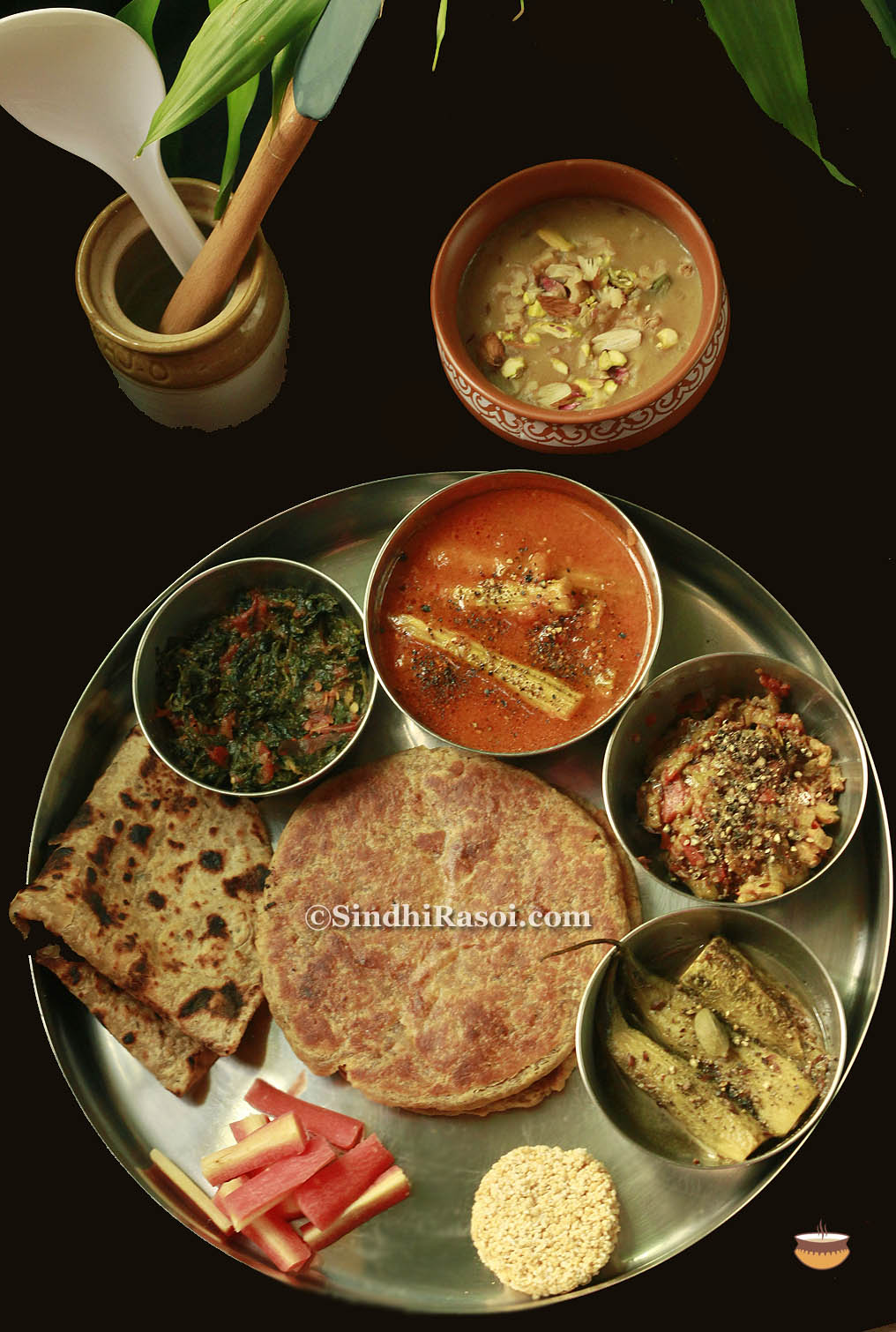
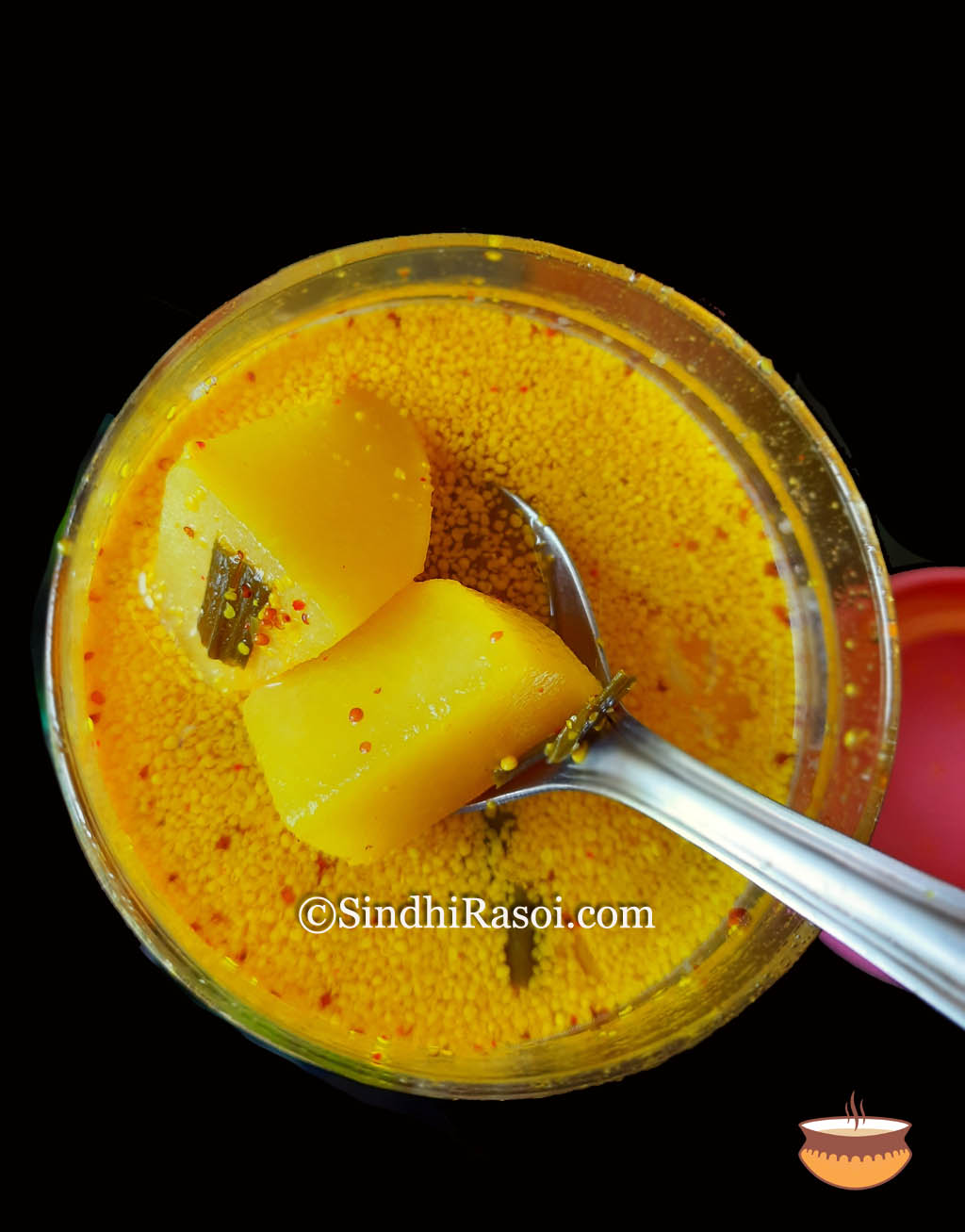
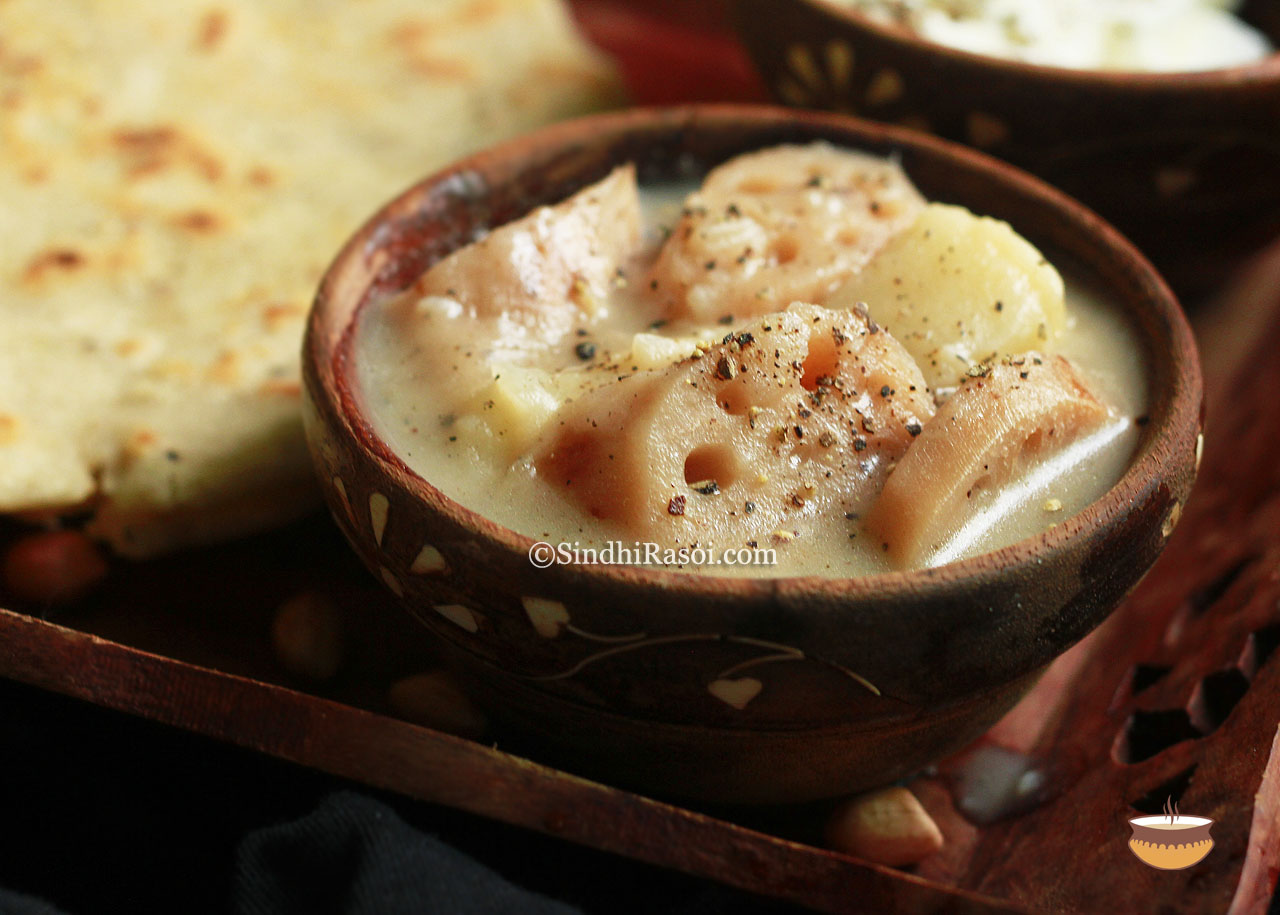
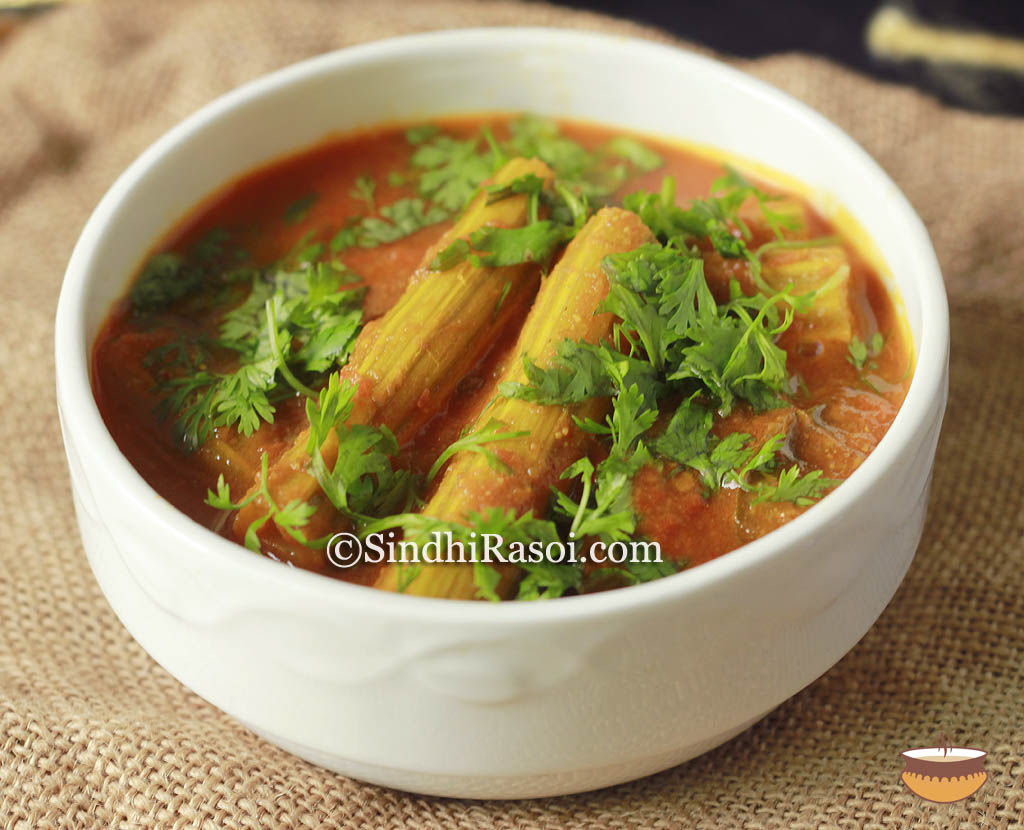
‘Singyun (सिङयूँ) Tamate mein‘ literally means the drumstick pods or sehjan ki phalli, (cooked) in a tomato gravy. It is considered one of the best dishes to have when you need to consume something nutritious and light on tummy. It is also mandatory for the new mothers to consume drumstick pods/flowers as a part of healing and nourishing ‘Viyam Ja Khaada‘ or the post partum diet for the first forty days after child birth. Though while making it for the lactating mothers (for 40 days) the recipe varies a bit , this is a very basic recipe and one can…
-
-
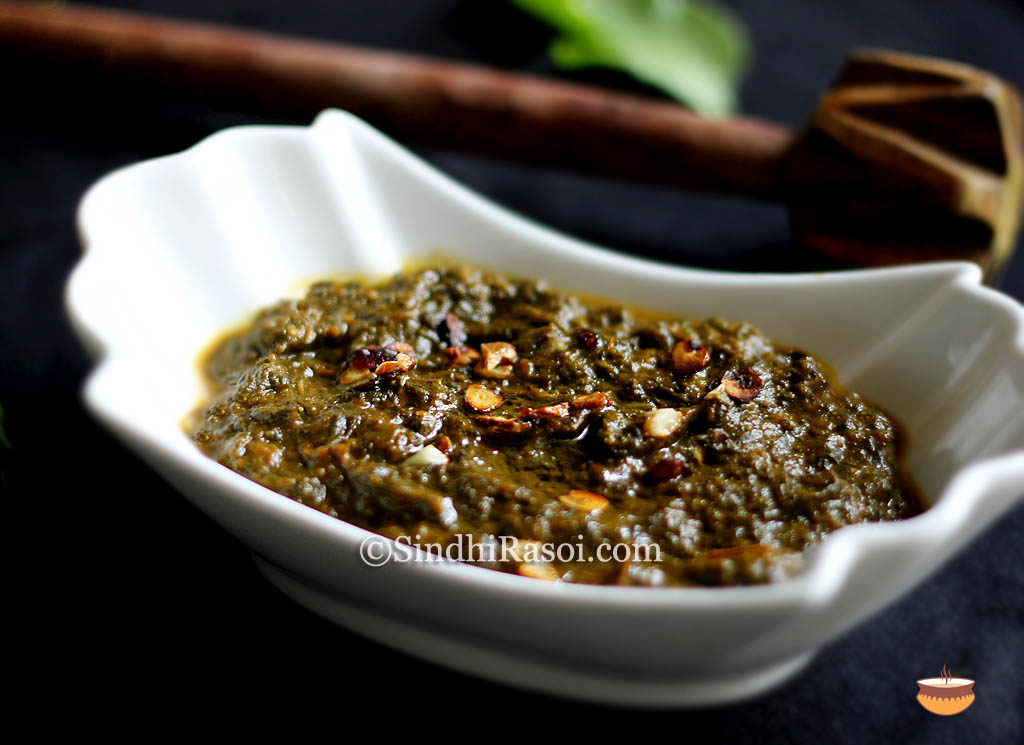
Ghotyal Saag or Sindhi Style Spinach Aisee Palak recipe video AlifBe i.e A-Z of Sindhi Food series is now at the 40th alphabet. I went crazy figuring out name of a Sindhi dish starting with this alphabet but couldn’t find any. The alphabet is گهہ i.e घ (in Devanagari) or ‘Gh’ in Roman Sindhi. ‘Gh’ as in Ghat or Ghee. In January this year when I was making a list of possible dishes for each Sindhi alphabet, I assumed that ‘Ghee’ or ‘Gheehar’ (a Sindhi sweetmeat) would be apt for this alphabet. But when I started referring dictionaries, I was…
-
A G^ach, literally means a quarter in Sindhi language. The sweetened dough ball is rolled into a thick ‘roti’, cut into quarters and deep fried. These fried ‘cookies’ are then garnished with powdered sugar, chopped nuts, dried rose petals and a spoon full of hot oil is poured on sugar. It sort of, forms a crunchy sugar glaze and makes the cookie more visually appealing though, more calorie rich. Ideally G^ach are made using All purpose flour (Maida) with ghee for moyan but these taste good enough even if made with whole wheat flour. Video Recipe of G^ach: This time…
-
Gyarsi Khadho or the Sindhi Ekadashi food is my pick for the AlifBe of Sindhi food~ 38. The 38th alphabet in Persio Arabic script is گ in Sindhi, ग in Devanagari and ‘G‘ as in Ganga, in Roman Sindhi. Gyars: Gyars (Giyaras/ Igyas) is observed on the eleventh day of Hindu Lunar month. In each lunar month two Gyars (Ekadashi) are observed. Like many other communities, even Sindhi people observe the Ekadashi fast. Upvas or fasting as we call it, is an essential part of any culture. There are various ways to observe a fast and there are various types…
-
Took a small break to rejuvenate and to cope up with the seasonal allergies and stayed away from social media to relax and heal . Slowed down the pace of working on the projects that I am currently involved in, including the AlifBe and the recipe videos. A lot happened in the last fortnight, some good, some bad, some ugly and some, almost surreal but life moved on! And here I am today, with the 37th alphabet of the Arabic Sindhi script ; ک i.e ख in Devanagari and Kh, as in Khajur, in Roman Sindhi. And the corresponding dish…
-
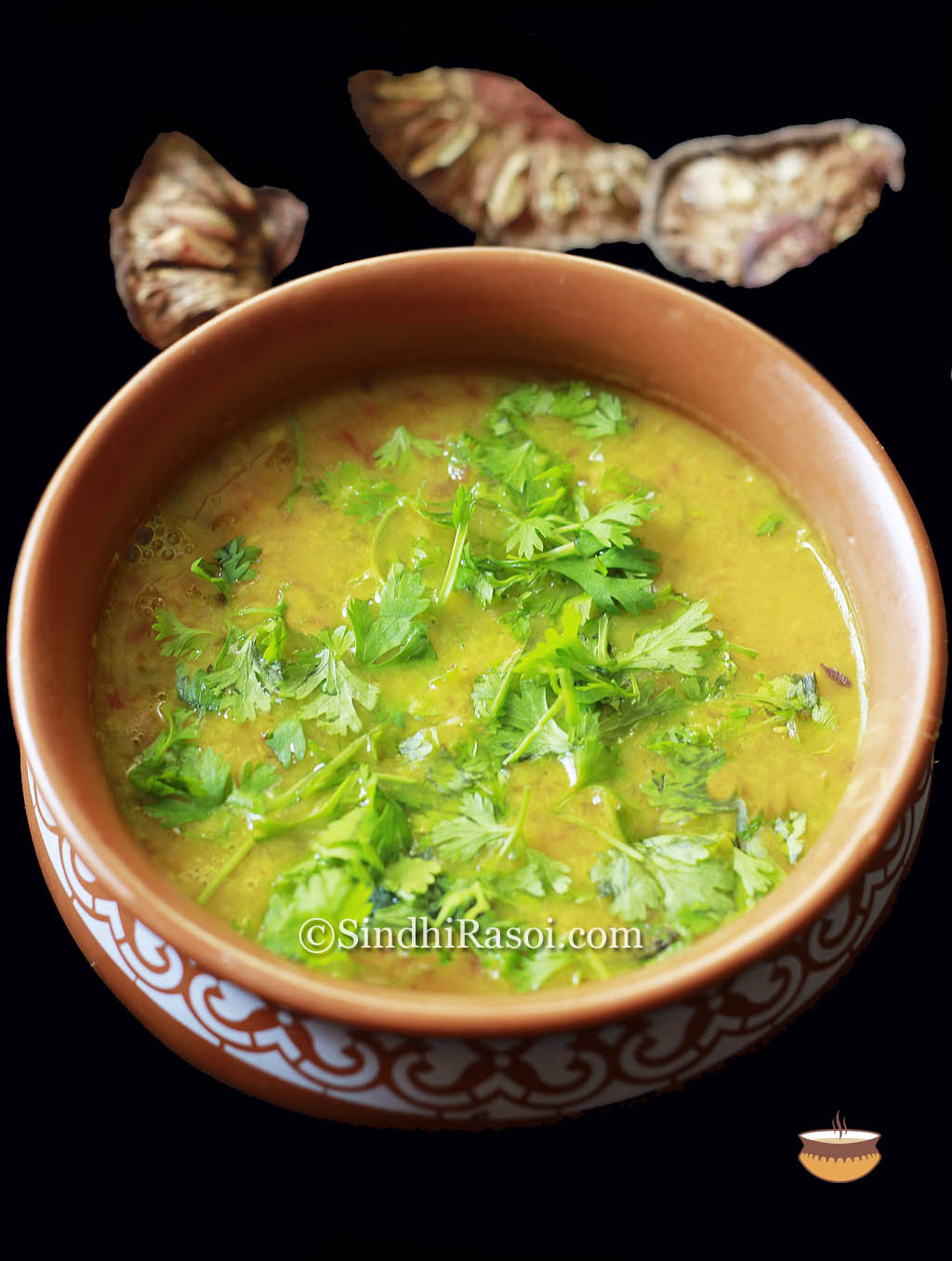
To check the recipe video of Kokum Wari Dal click here To know details about Kokum, please do read on! We are now at the 36th consonant in AlifBe of Sindhi food (A-Z of Sindhi Food) and it is ڪ in Sindhi, क in Devanagari and K in Roman Sindhi. And while I had plenty of options to choose from, for a Sindhi dish starting with this alphabet, I picked Kokum Wari Dal. Few days ago, I was having an interesting conversation with Saaz Aggarwal; the well known Biographer, columnist, Historian and author of wonderful books like ‘Sindh: Stories from…
-
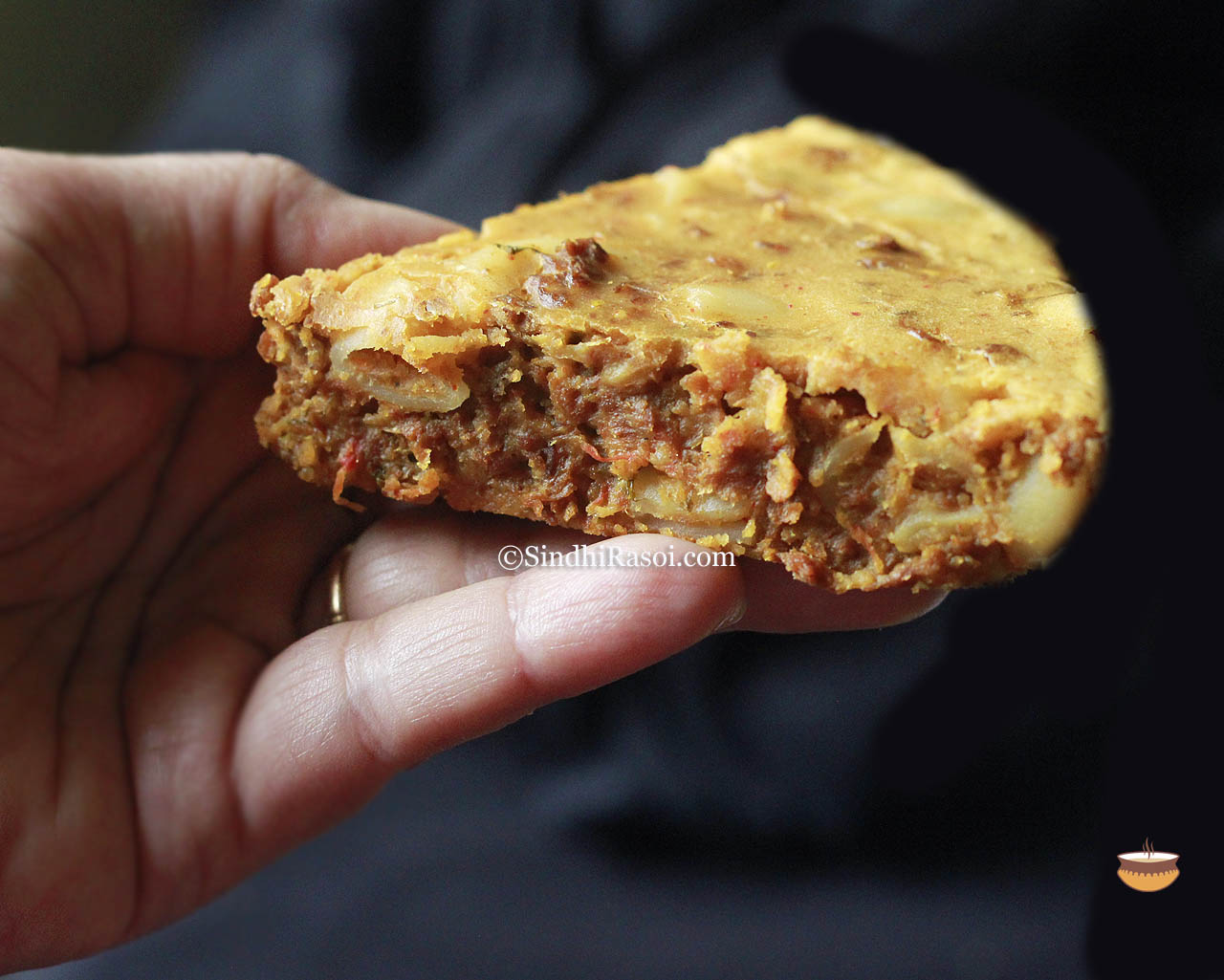
The name of the dish i.e Qeeme Jo Lolo, is very misleading. Let me break down the details in a simpler way! The Name (s)! Qeeme Jo Lolo is also known as Qeema Macaroni cake, Qeema Macaroni pudding and TalleBadhi The Dish A mix of cooked minced meat and macrolyun (macaroni/elbow pasta) binded with beaten eggs, steamed/baked/tawa cooked is called Qeeme Jo Lolo. The confusions 1) The jaggery sweetened Lolo that is made for Puja rituals is called Lolo/Mitho Lolo. I always wondered why some call it Mitho (sweet) Lolo as Lolo is always sweet. But now I know the…