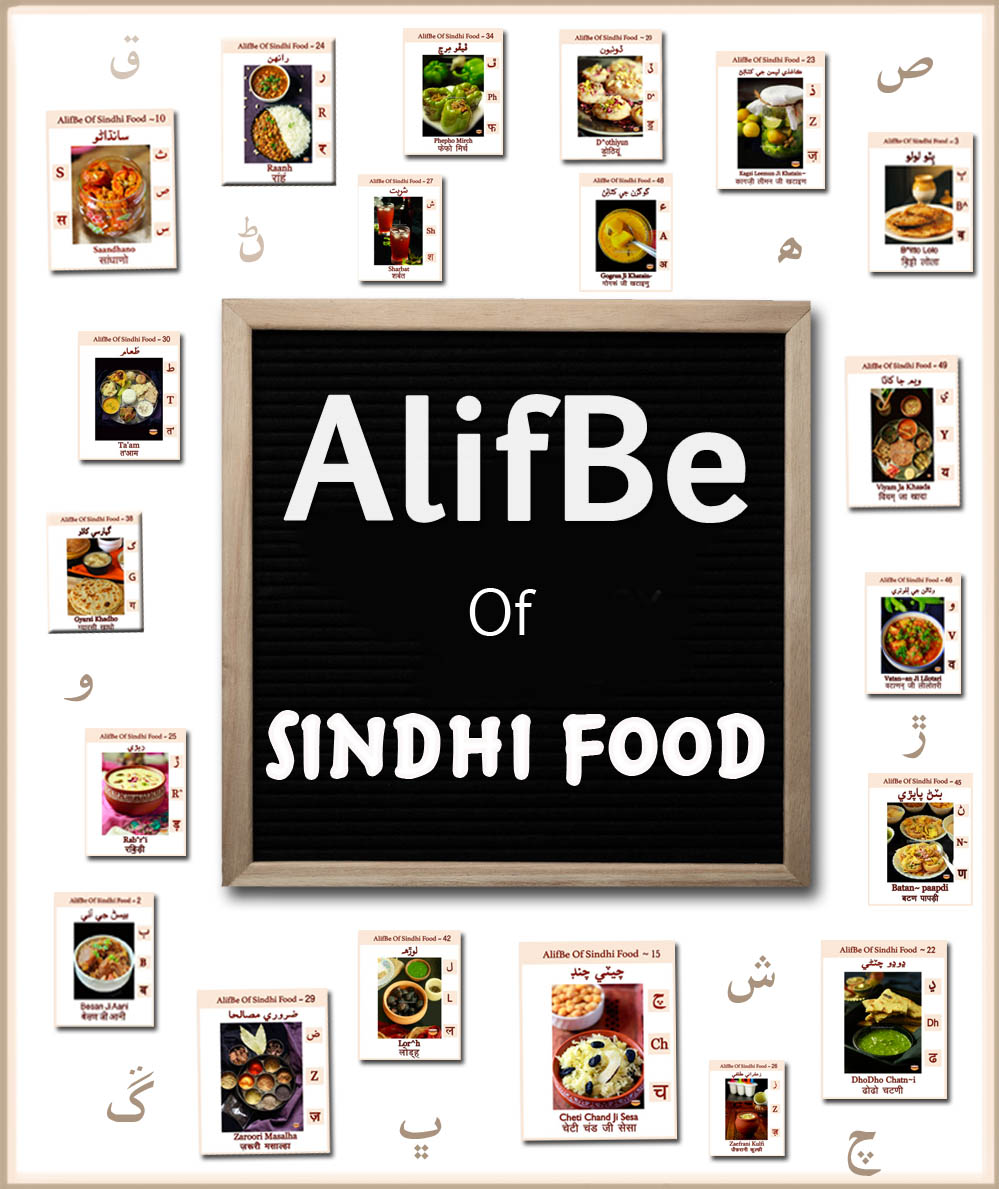
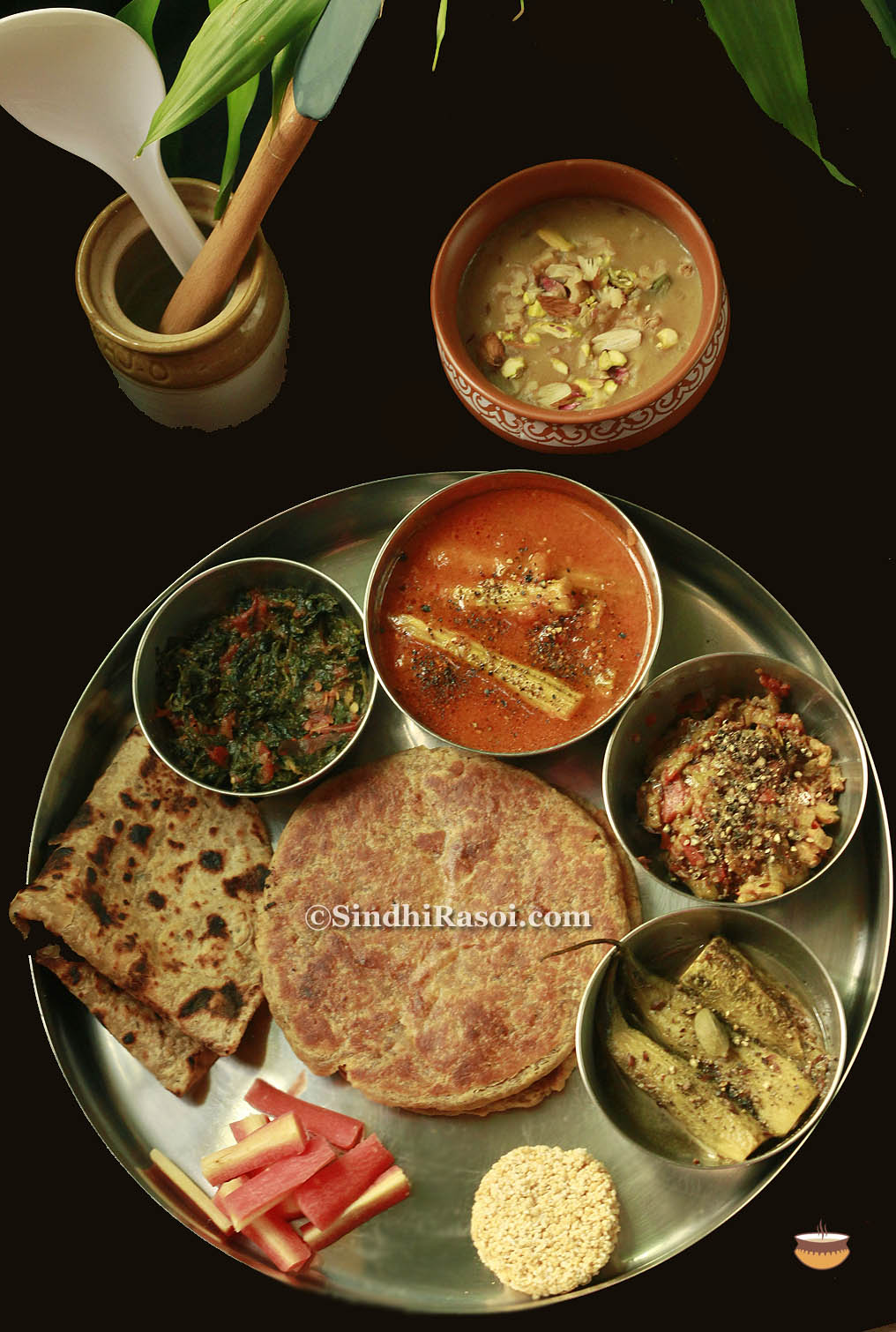
You can check the Insta reel about how to make Turnip pickle here! The 48th Consonant of Sindhi Alphabet is ء, called as ‘Hamzo’ in Sindhi. Hamzo or Amdhro as some call it, is often used as a glottal stop. It is, many a times, used as a vowel glide (when two vowels glide into one another), in a word; for example as in ‘Ma-u‘ (Mother in Sindhi), Mitha-i (sweet) etc. So basically a hamzo is placed in between the two vowels in a word that doesn’t ends with ‘A’ as in Alaph (Alif) ! . There are some set rules…
-
-
The AlifBe of Sindhi food series is inching towards the end and I am trying to stay focused and enthusiastic about blogging beyond the AlifBe series. Wish me luck, dear friends! For the uninitiated, there are 52 alphabets in Arabic Sindhi script. Out of 52, I have skipped three alphabets, namely ح , ظ , ث i.e ‘S’, ‘Z’ and ‘H’ respectively as these are used in the words of Non Sindhi origin (i.e in words that are Arabic, Persian etc) while هہ , ز , س are used for the similar sounds (S, Z, H) in words of Sindhi…
-
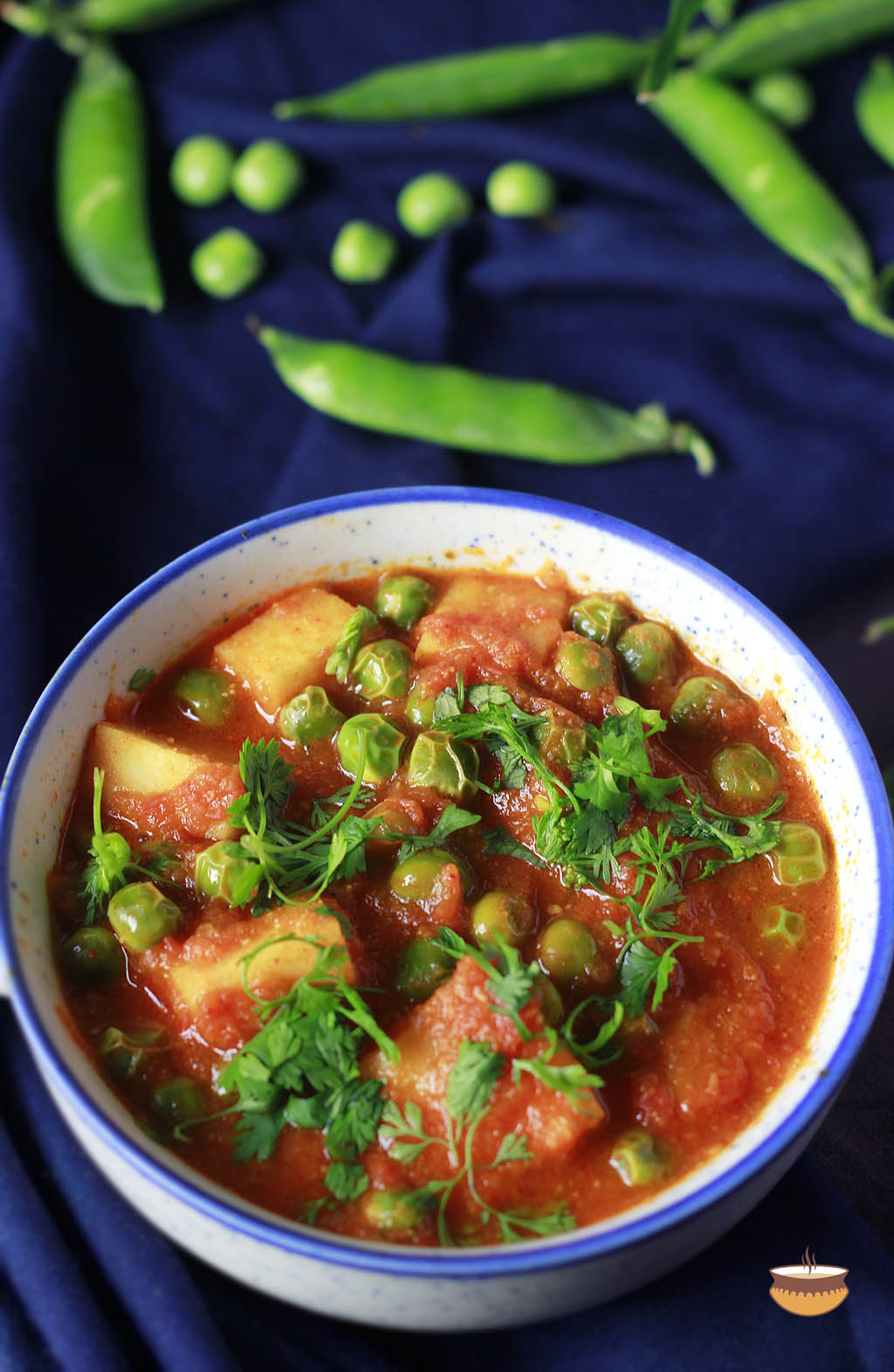
The 46th Alphabet of Sindhi AlifBe (Persio – Arabic script ) is و in Sindhi, व in Devanagari and V in Roman Sindhi. And the corresponding dish for AlifBe` 46 is Vatan~an (Vataran) Ji Lilotari ! I know many of you will wonder whether it actually is a dish from Sindhi cuisine (coz. it sounds like a Gujarati style subzi) but well, it is indeed a traditional Sindhi Brahma Khastriya style curry and many of us know it by the name ‘Peas Tamate mein’ ( peas in tomato gravy)! Sindhi Brahma Khastriya community is yet another subset of Sindhi community…
-
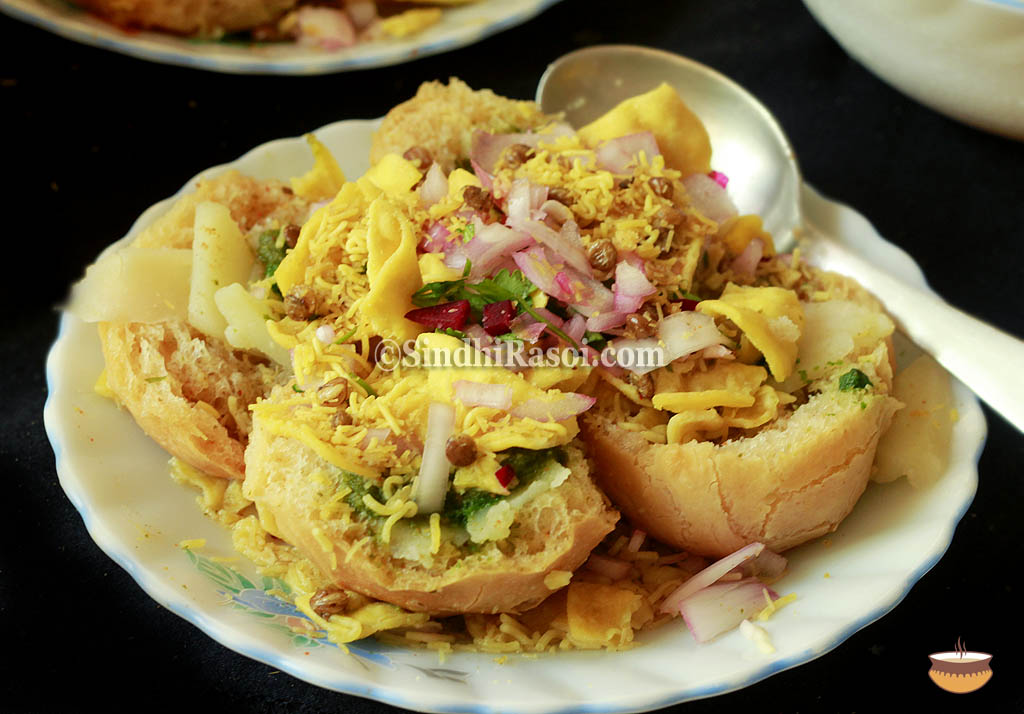
Want secret recipes of Batan Papdi Chutney and special Chaat masala? Do check the video recipe : AlifBe~ 45 The 45th Alphabet of Arabic Sindhi script is ڻ in Sindhi, ण in Devanagari and N~ in Roman Sindhi. In Hindi or Devanagari, no word starts with this particular alphabet. Same is the case with the Sindhi script and the ण appears in the middle or at the end of any word. In English it is generally denoted by ‘N’ as in Ramayan, Raavan, Brahman etc due to lack of proper corresponding alphabet for ण, in English. And I have picked…
-
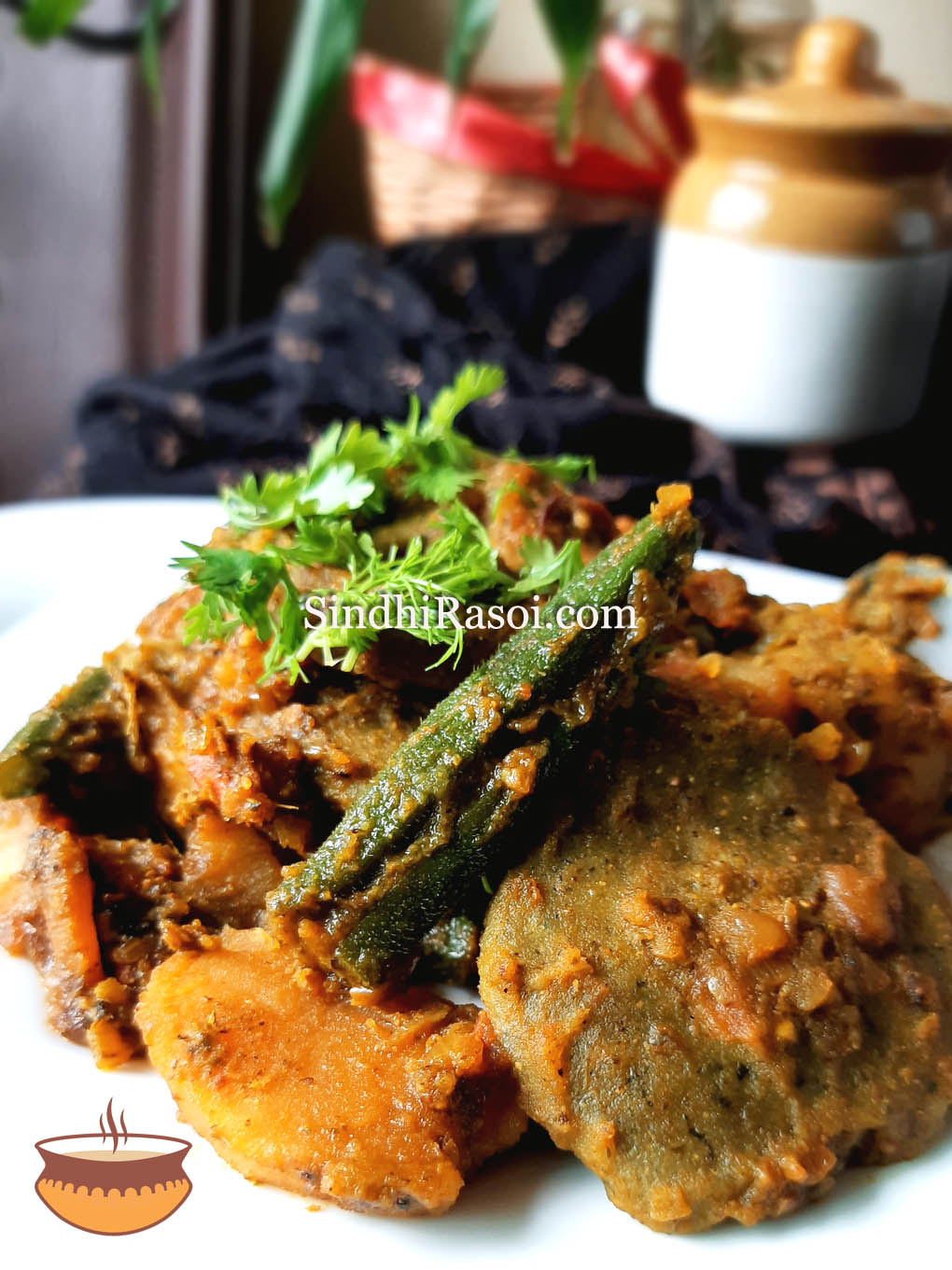
To watch the video recipe of Nasarpuri style Seyal Bhaji, please check my Youtube channel, SindhiRasoiOfficial. Click here to visit the link! The 44th ‘alphabet’ of Arabic Sindhi Script, AlifBe, is ن in Sindhi, न in Devanagari and ‘N’ in Roman Sindhi. N as in Nagpur, Nagaland, Nigeria or as in Nasarpur. And the corresponding dish is ‘ Nasarpuri Seyal Bhaji, with Dhokri (Dhokryun)’. Nasarpur (Nasarpur/Nasserpur): Nasarpur is one of the oldest known places in Sindh (now in Pakistan), that finds mentions in not only the history and geography of ancient civilization, but also in the legends associated with the…
-
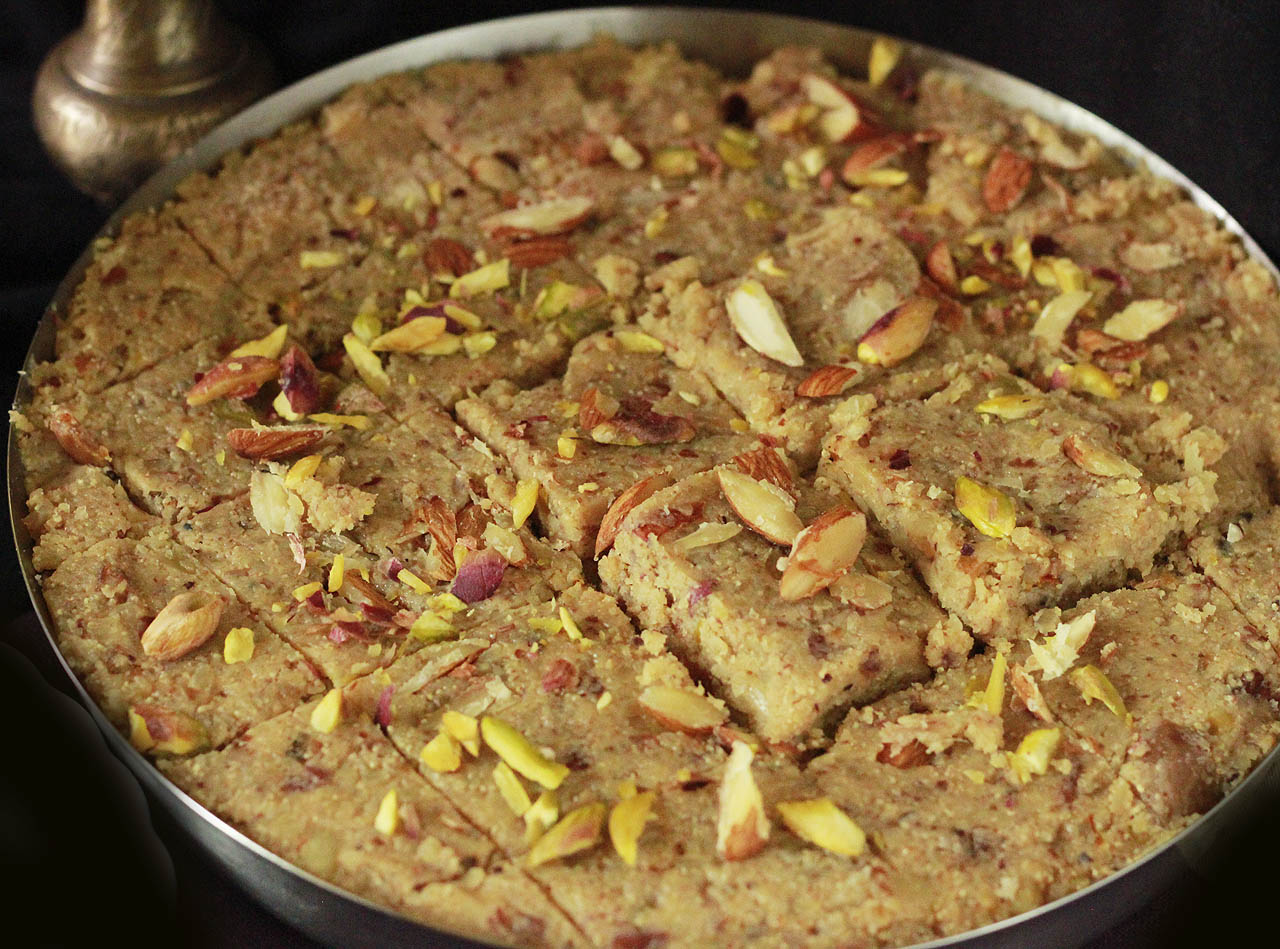
Firstly, wishing you all a very happy Diwali! May the light of peace, joy, prosperity and love erase the darkness of fear, sorrow, misfortune and hatred! AlifBe 43: The 43rd Alphabet of AlifBe of Sindhi Food is م in Sindhi, म in Devanagari and M in Roman Sindhi. M as in Milk, Mawa or Mithai and well, the corresponding dish also is a Mithai made from milk, mawa and dried fruits/nuts. Majoon Barfi is the dish of the day and let me clarify that it is different from the Majoon in terms of color and texture. You can find the…
-
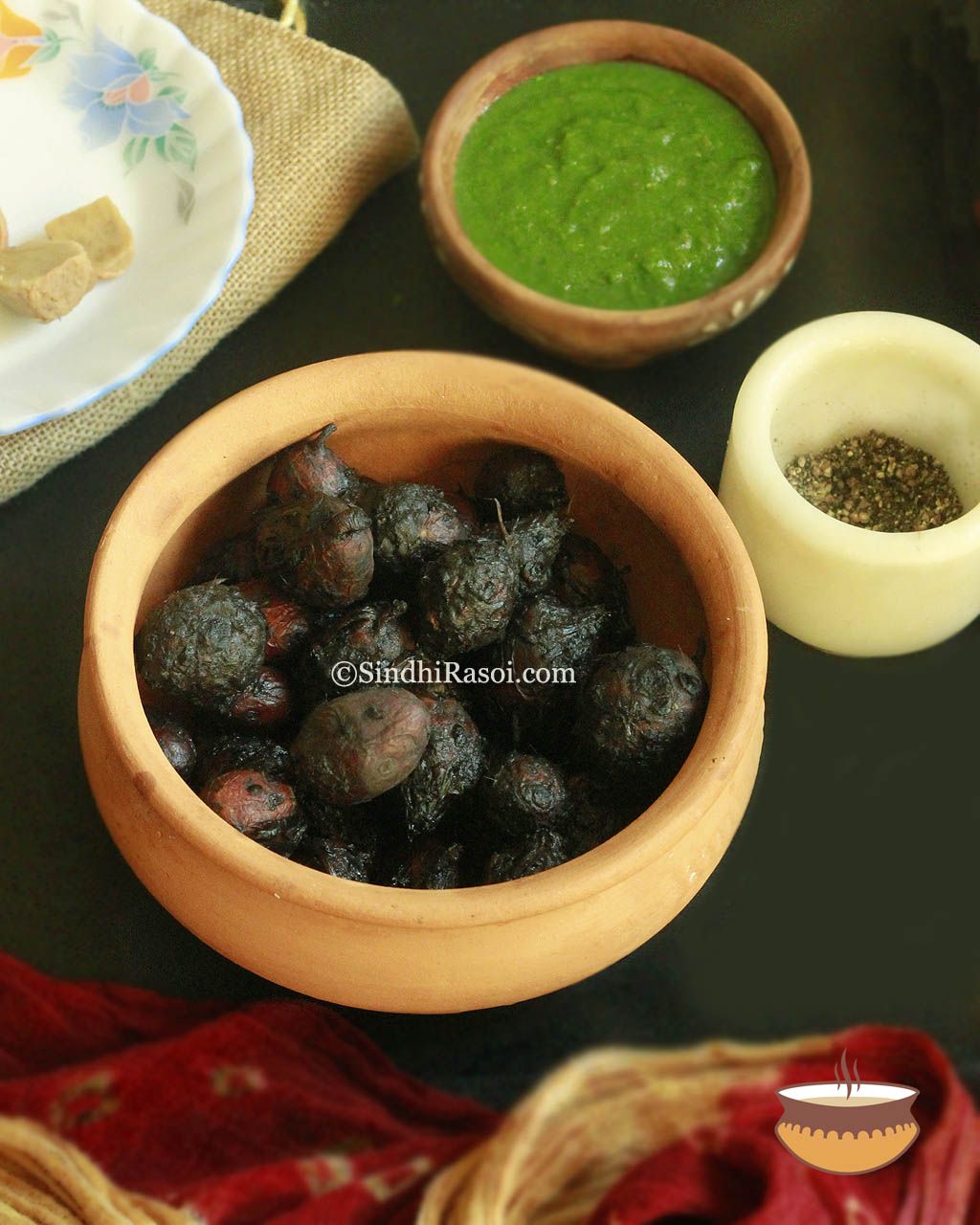
Lor^h!! Lotus corms Not many of you might be aware of the Lor^h/Lor^hu/Lor^hiyun (लोड्ह/लोड्हु) from the Sindhi cuisine. Not many of you might have tasted the earthy, rustic Lor^h. Only a few of you may remember your grandparents or parents relishing these and I bet only a handful of you appreciate the flavours of these ugly looking corms (or bulbs) of Lotus plant. AlifBe # 42 The 42th alphabet of Arabic Sindhi script is ل in Sindhi, ल in Devanagari and ‘L‘ in Roman Sindhi. When I first made the list of dishes for the AlifBe of Sindhi food series,…