Third letter of #AlifBe i.e Sindhi alphabet is very interesting. The consonantal sound of this alphabet is used in only a handful-of languages spoken across the world like: Ega or the West African language spoken in South central Ivory coast or Vietnamese, Zulu etc if I am not wrong. The alphabet is ٻ and is written as B^ in Roman Sindhi. In English language the sounds of consonants are articulated when the air from lungs move outwards and hence such sounds are known as pulmonic sounds (Try saying A, B, C, D….and you will be able to relate). But in…
-
-
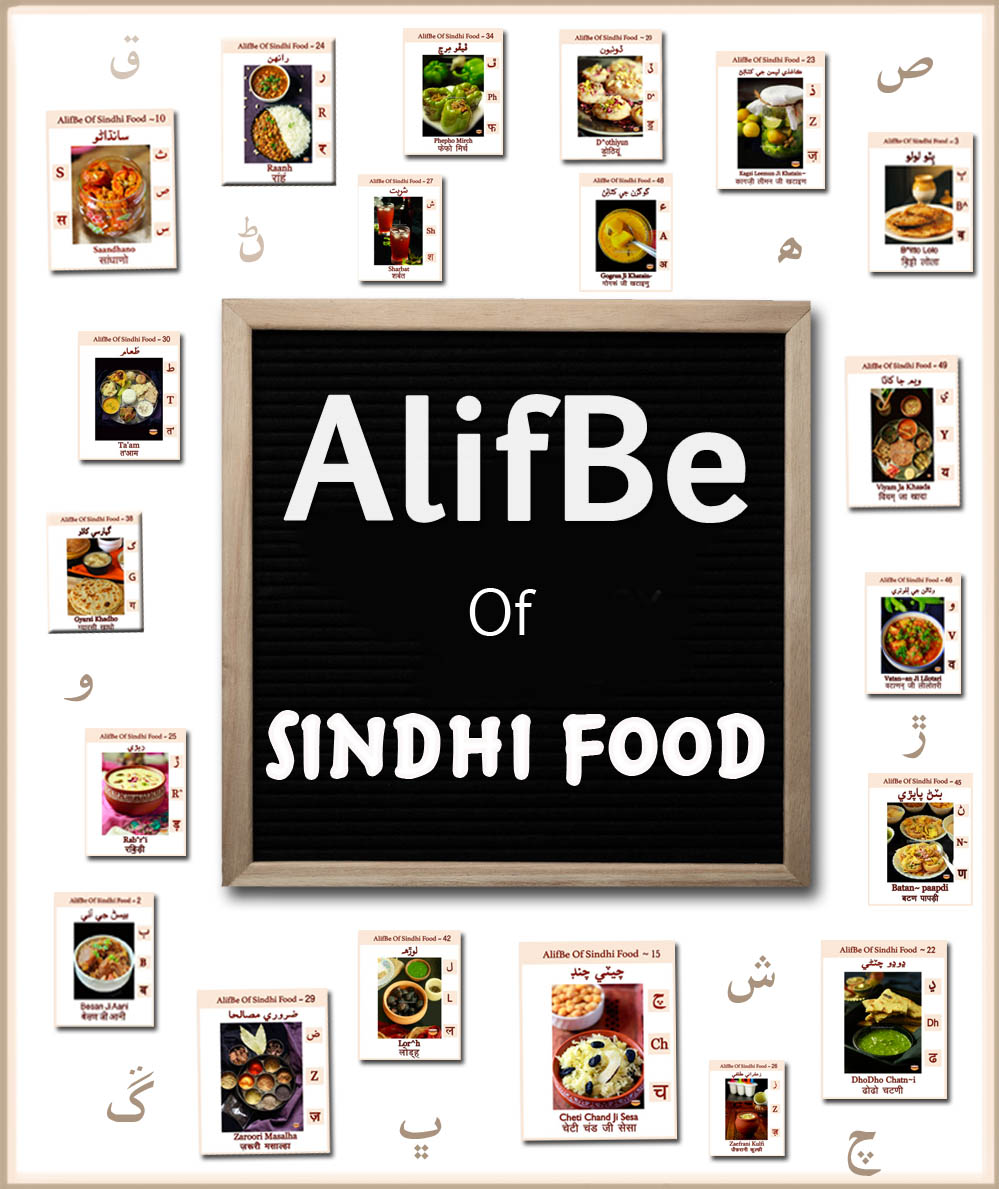
#Alif Be of Sindhi Food~2 The second alphabet of Arabic Sindhi is ب as B in Baby!As mentioned in the previous post, the Sindhi alphabet is divisible into 16 basic shape groups. In the first shape group we have just one alphabet ا i.e ‘A’! In the second shape group there are 9 alphabets with similar basic shapes, followed by two more alphabets that are similar to some extent. And yet each alphabet is unique because of the position and number of dot/s in each alphabet. So the 1st alphabet of this group, which is the second alphabet of Alifbe…
-
So here I am, as promised, trying to bridge the gap between Sindhi Language and cuisine, with a series of posts, sharing a Sindhi Alphabet and a corresponding Sindhi dish!Firstly some interesting facts about Sindhi Script:To begin with, there is no consensus about the origin of Sindhi language. While some authorities believe that the language may have its roots in Pre Sanskrit era, in one of the most ancient civilizations known to us, the Indus Valley Civilization, others believe it to be originating from Prakrit. The carved stone seals excavated from Mohen Jo Daro (the place and era that Sindhis…
-
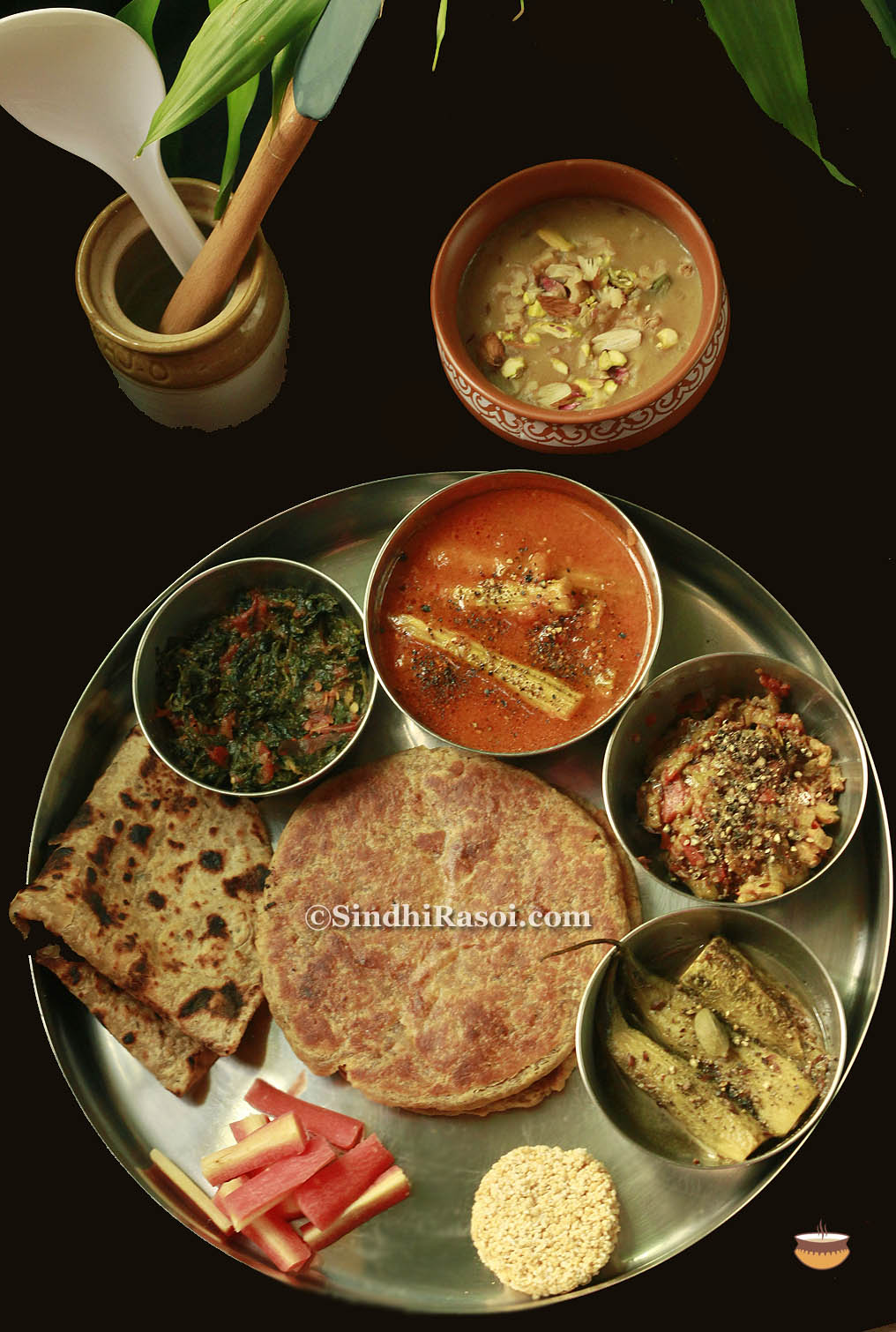
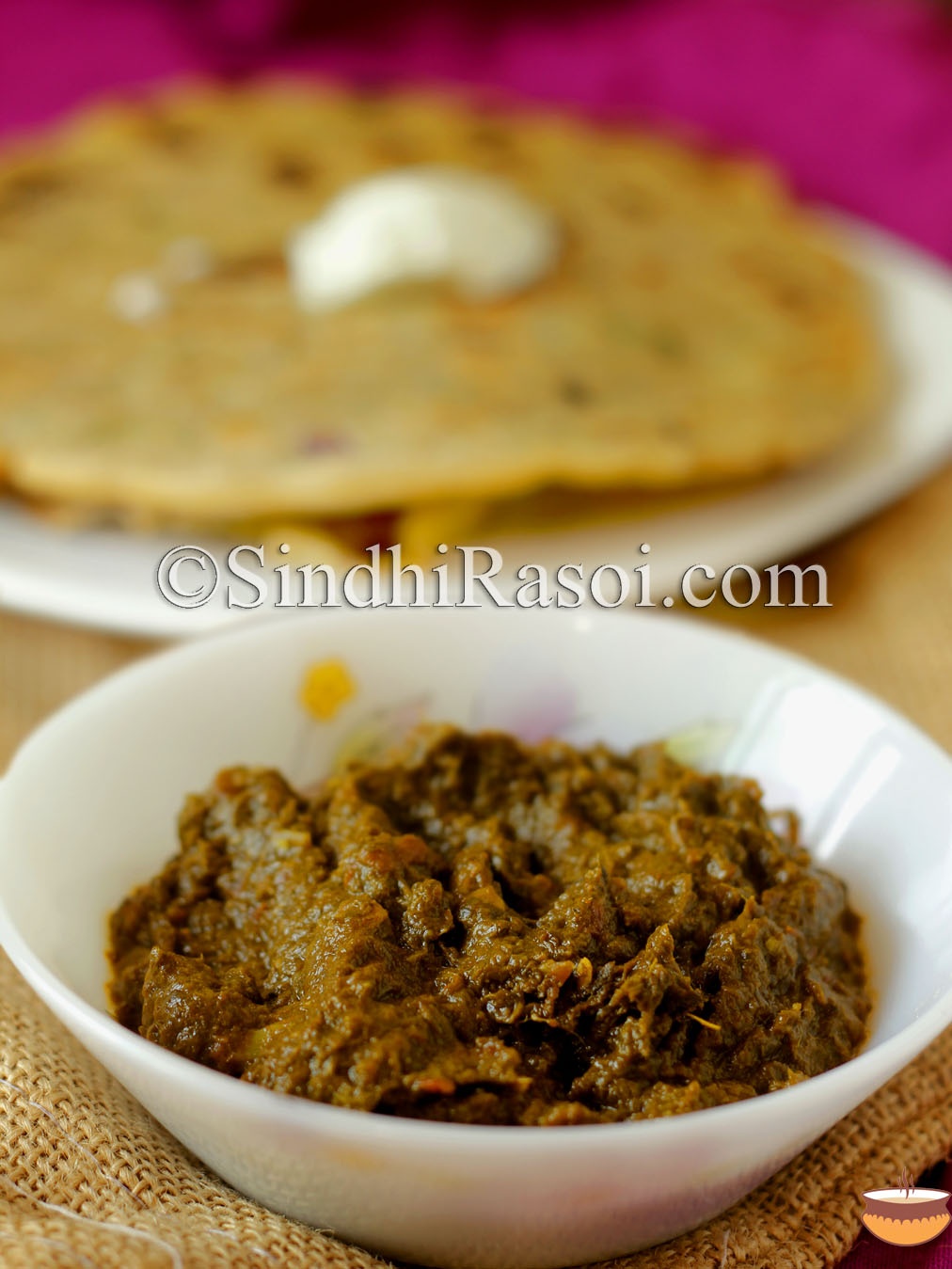
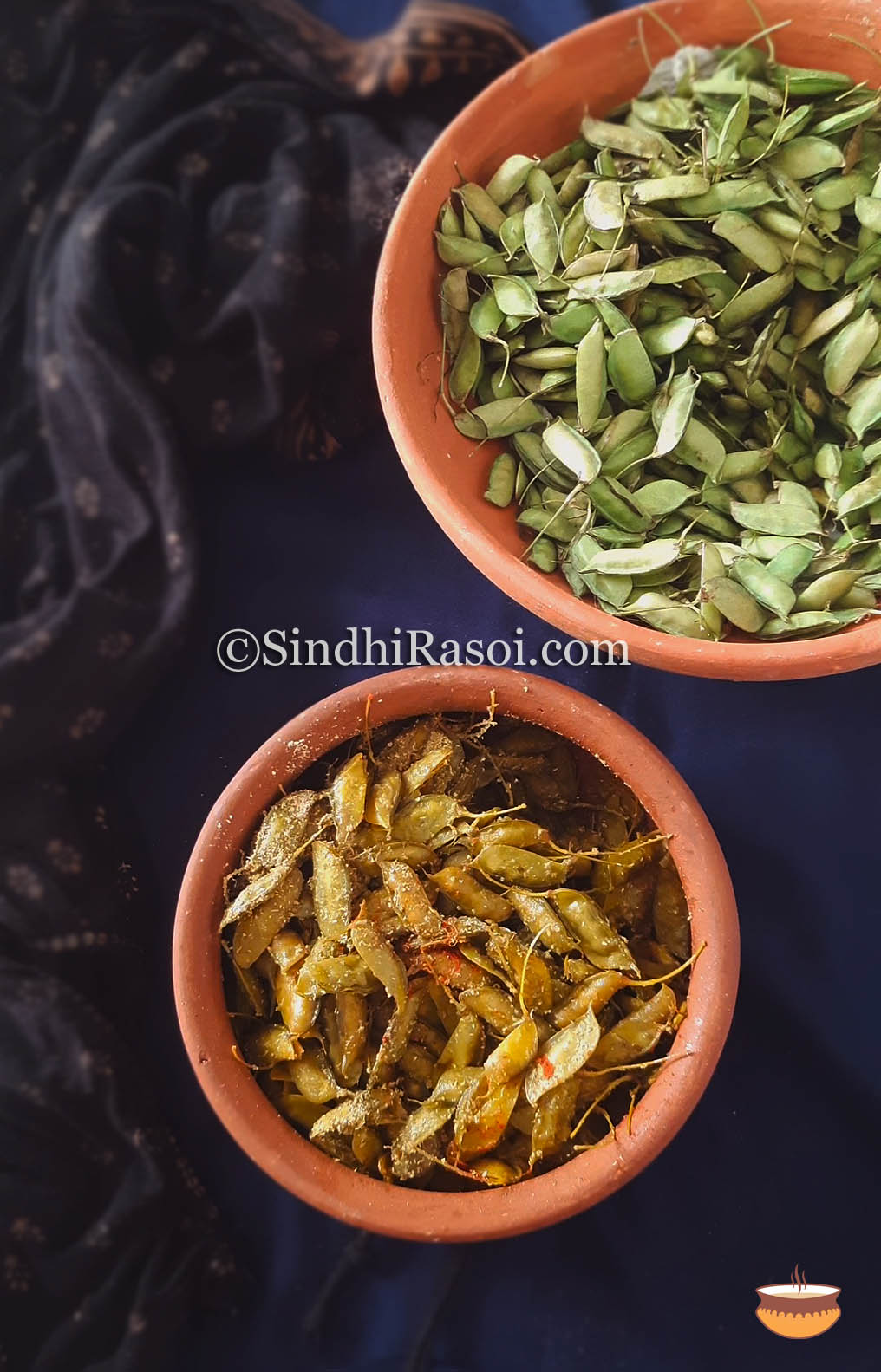
A bit late to share a recipe of a seasonal delicacy, the Palli leaves or tender leaves of Chickpeas but then it is better late than never! The season is over but I am still sharing this post as I don’t want this one to become yet another ‘draft post’ waiting for an appropriate time to share it. Every winter season the elderly in the family would get nostalgic about the Palli and dodoh (patted jowar/riceflour/bajra roti) but I never got a chance to cook or taste palli considering that the greens are available only for a short period of…
-
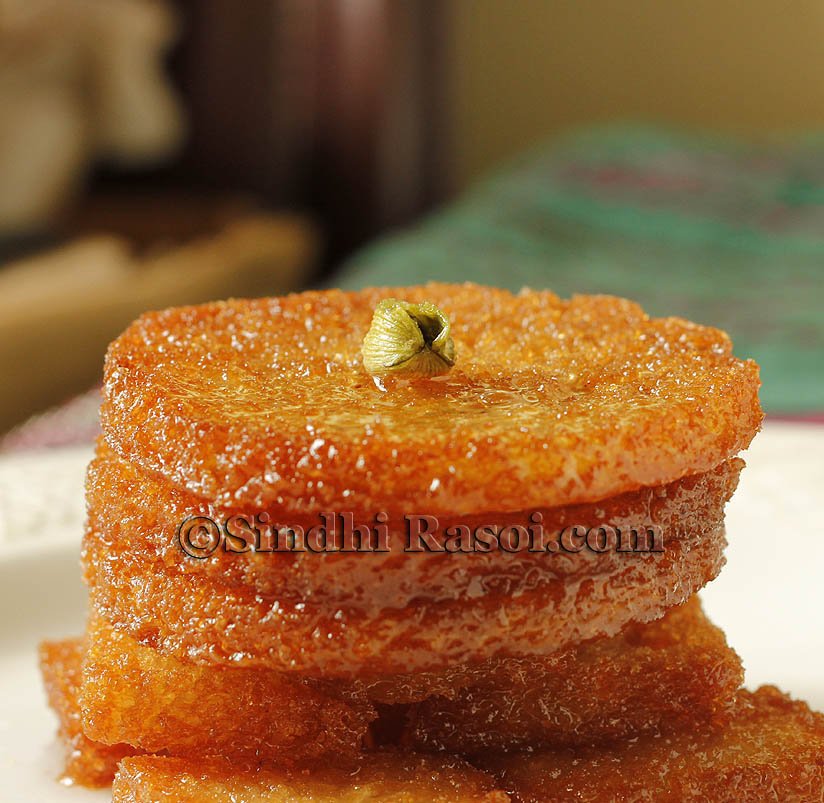
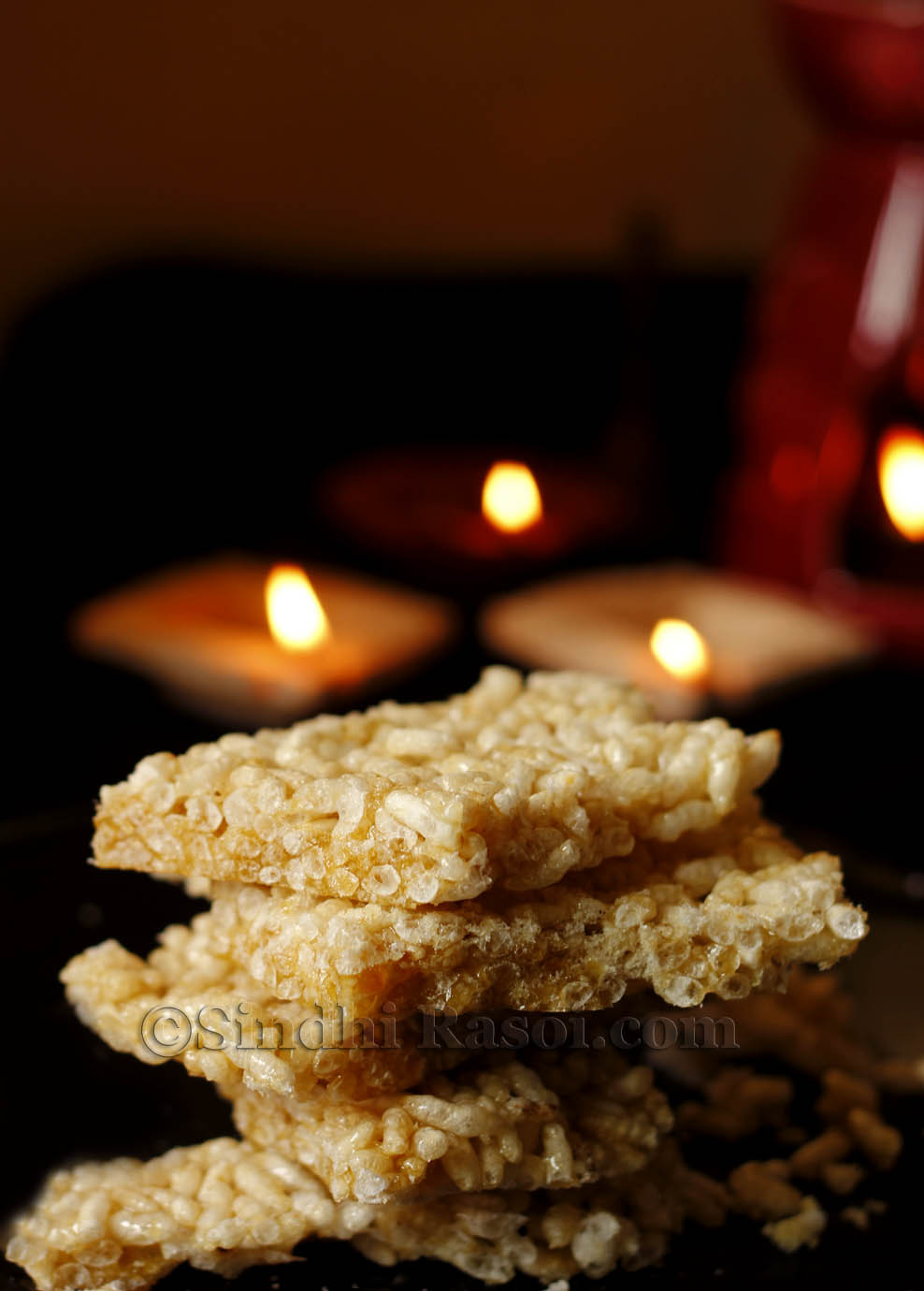
Making Indian sweets at home could be tricky since most of these require perfect consistency of sugar syrup to obtain perfect texture of sweet dish. While some Indian sweets are little forgiving when it comes to syrup consistency (malpua, rasgulla, gulabjamun etc), the texture of batter/dough needs to be perfect for satisfactory results in such cases. For some sweets, the temperature is a deciding factor while some like laddoo need ‘tagar’, a most crucial ingredient to nail the texture and flavours, made by re crystallizing sugar syrup, by vigorously mixing it off flame, till it turns into a coarse powder.…
-
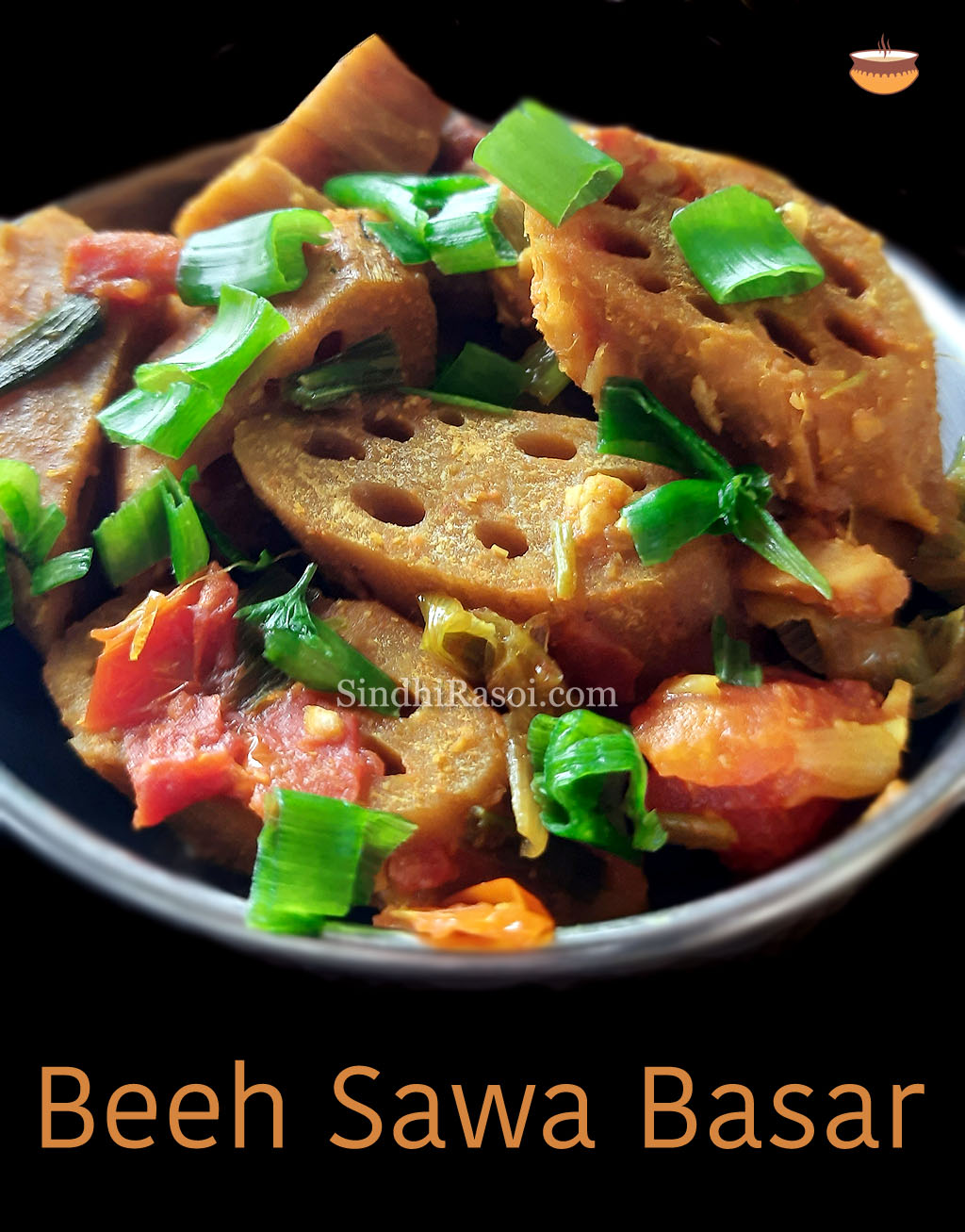
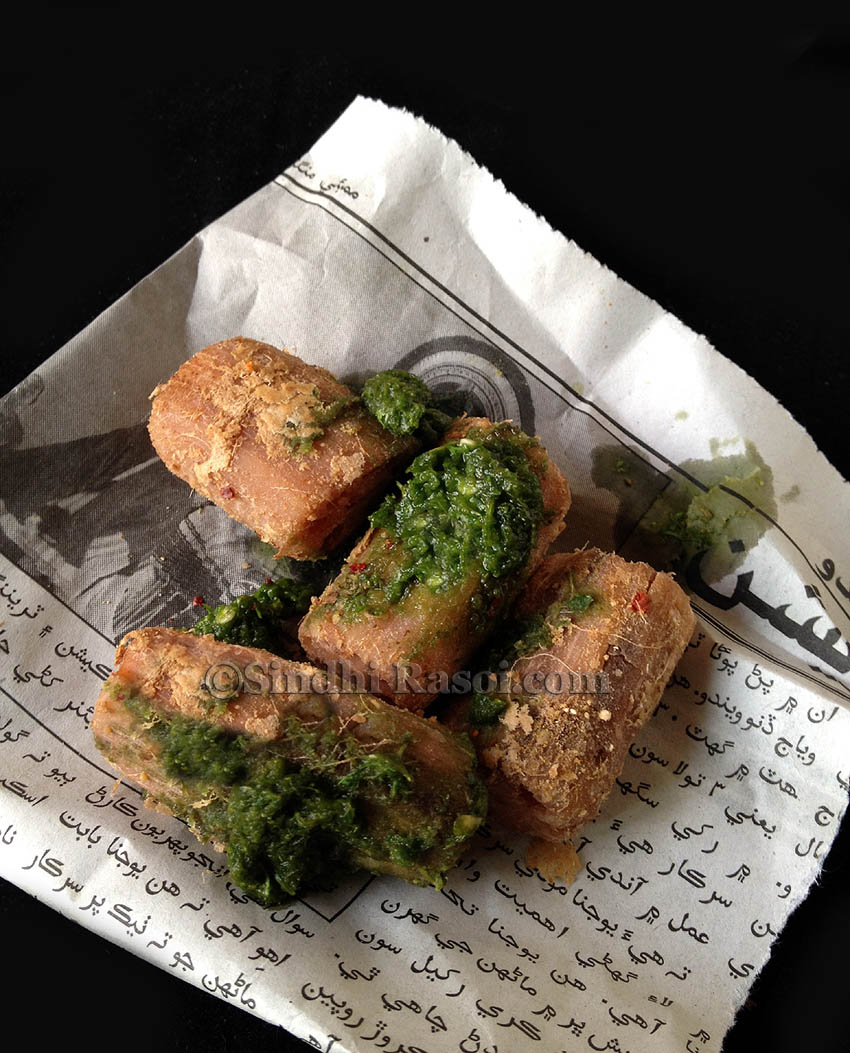
Apart from the quintessential Papad, pickle, Kadhi and Saibhaji, Sindhis are well known for their love for the lotus stem and they are the most avid eaters of this slightly nutty, mildly sweet, crunchy stem. Their insatiable appetite for Beeh is the reason that lotus stems are particularly found in markets in and around Sindhi populated areas. Beeh (Lotus stem), dhodhee/Pabhora (lotus seeds) and Lohr (corm) are the parts of Lotus plant that Sindhis eat with great relish. While our Beeh paalak is bit similar to Kashmiri Nadru paalak (Paalak nadir) and our gravy based beeh curries are similar to…
-
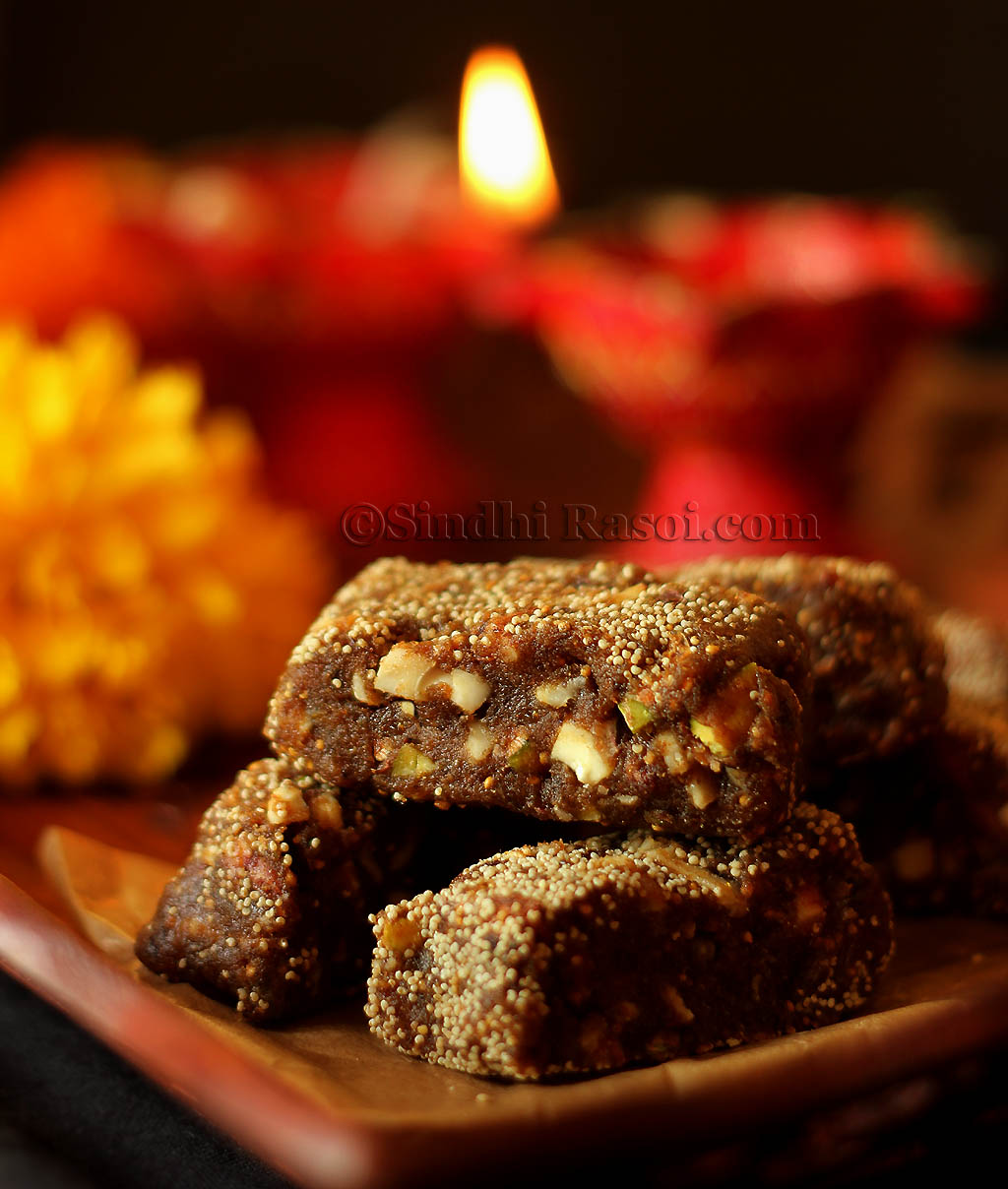
It is that time of the year when Indians are busy cleaning their homes and shops, decorating it with flowers, lights and lanterns, buying new clothes, making sweets and savories and visiting relatives, family and friends. Yes, it’s Diwali, the festival of lights, when the evening shimmers with rows of tiny flames of earthen lamps and when the darkest new moon night (as per Hindu calendar) is turned into one of the brightest, glowing night by the hundreds of lamps and lanterns, swaying outside homes and shops, on terraces and crossroads. The spectacular display of fireworks fills the sky with…