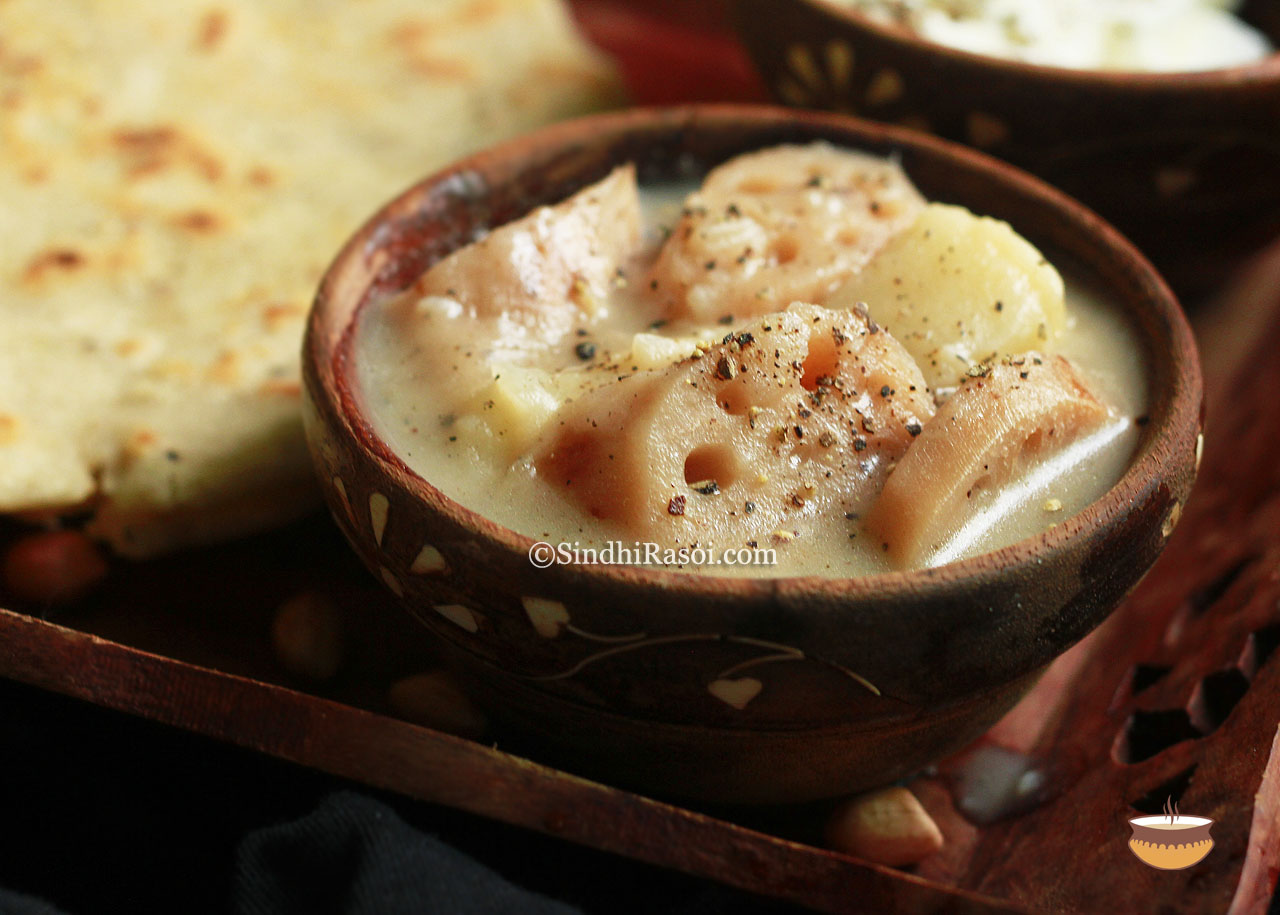
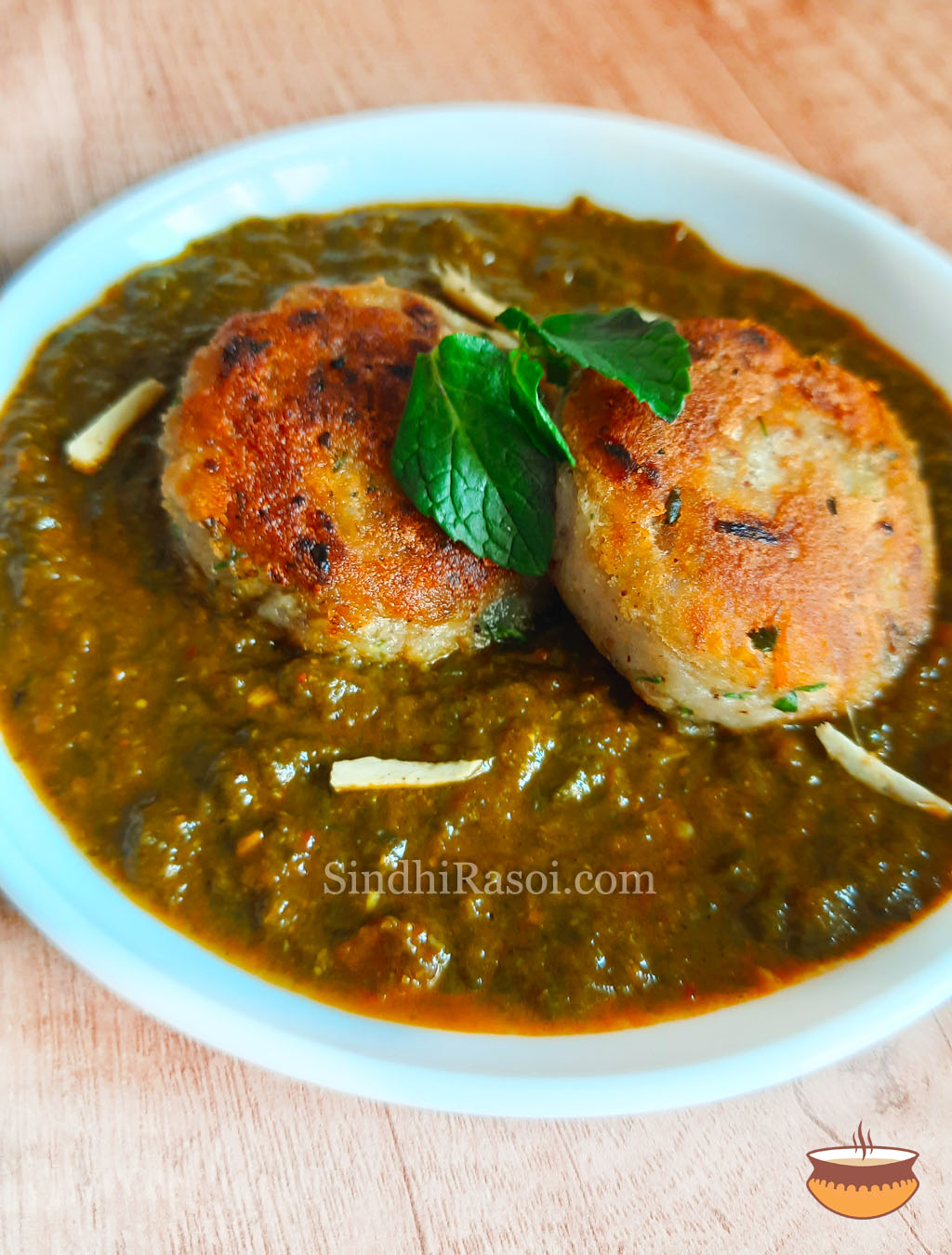
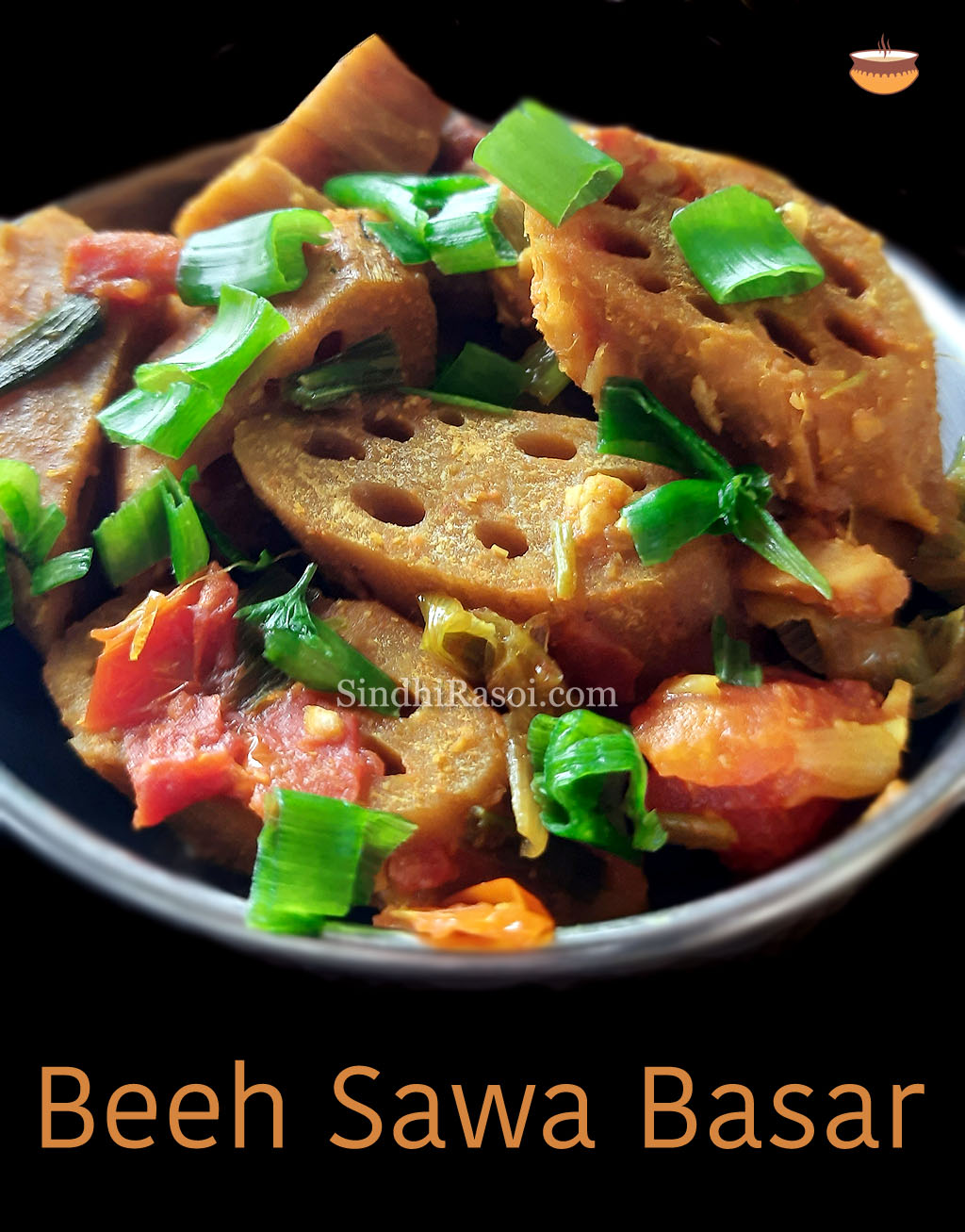
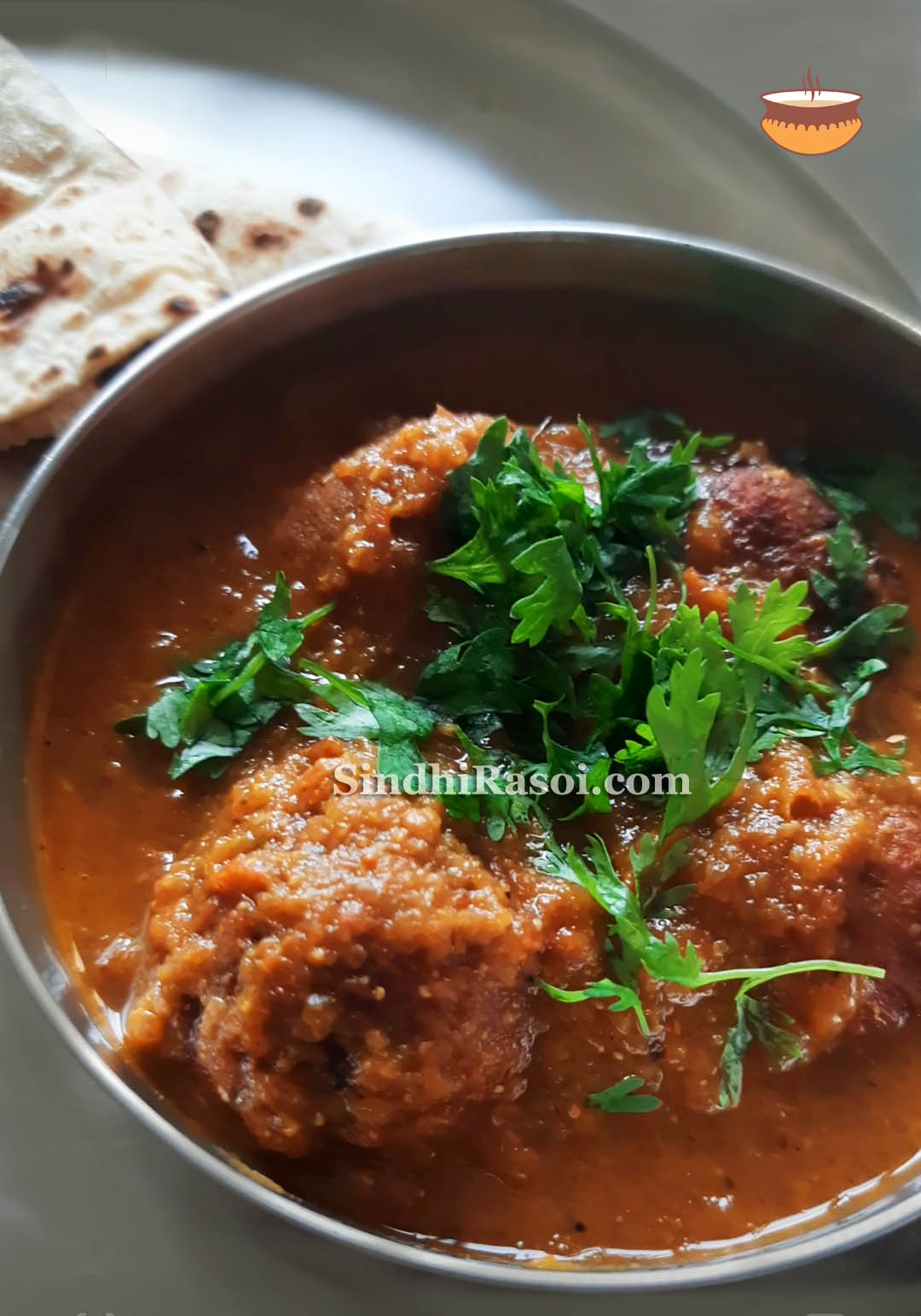
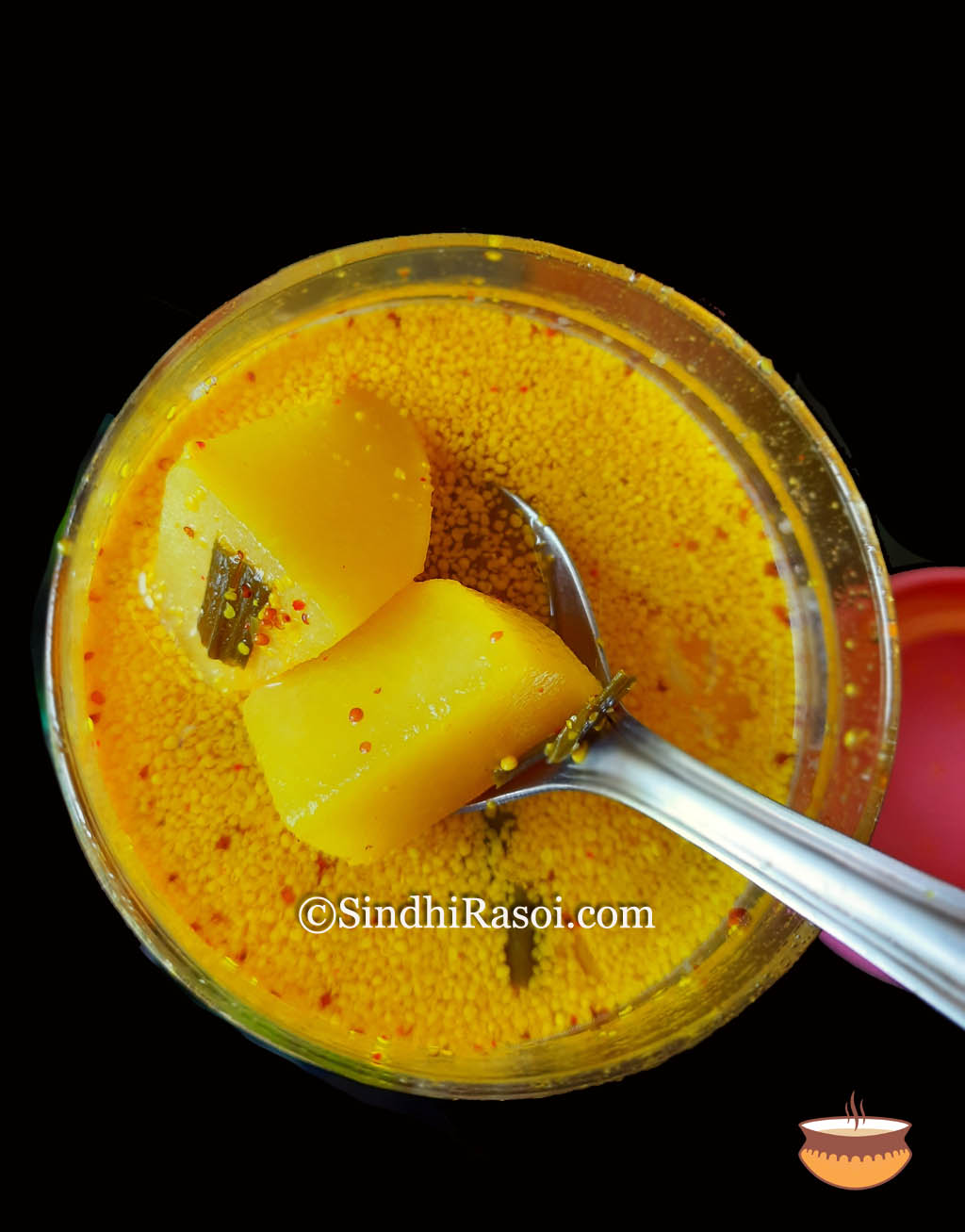
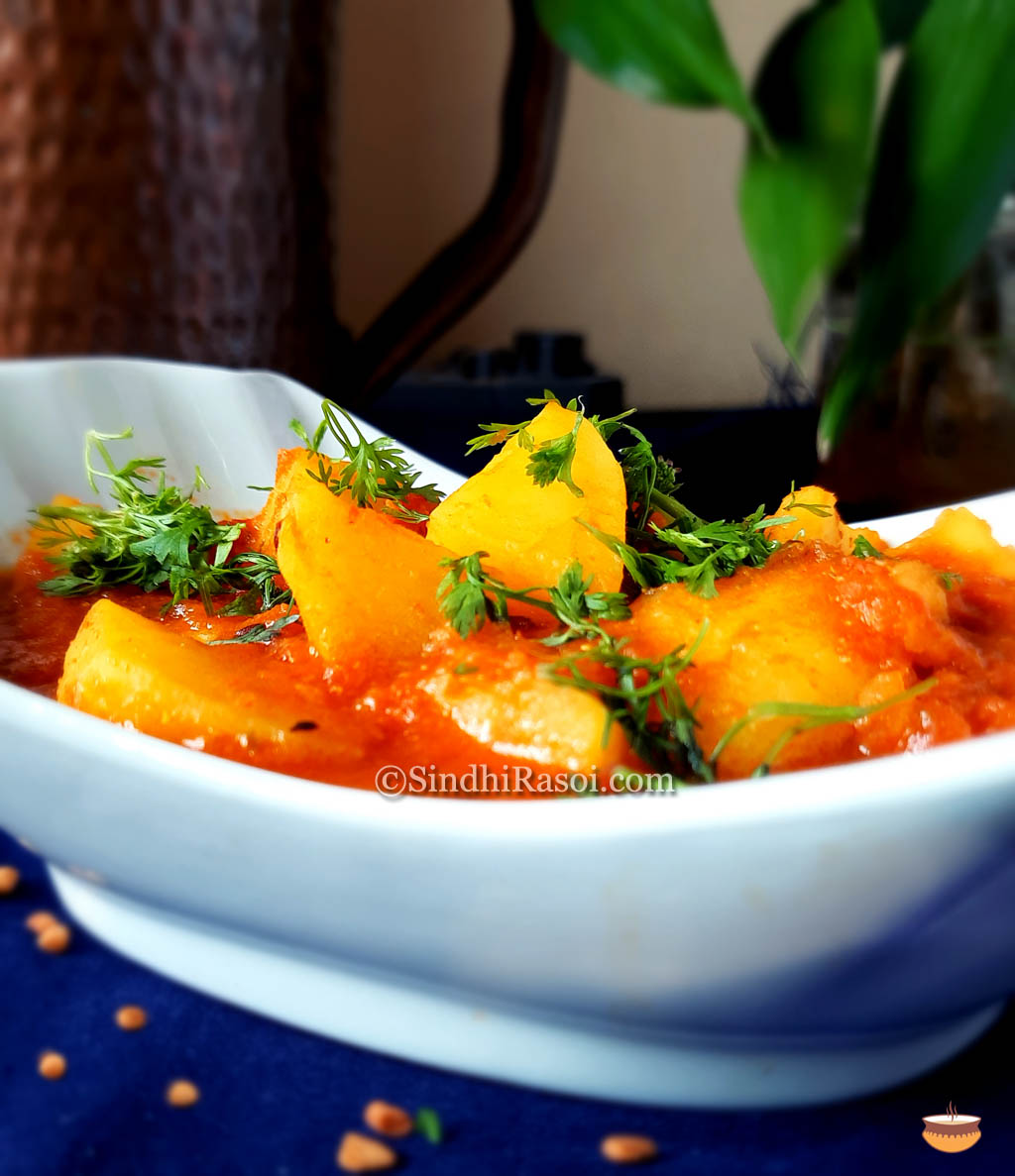
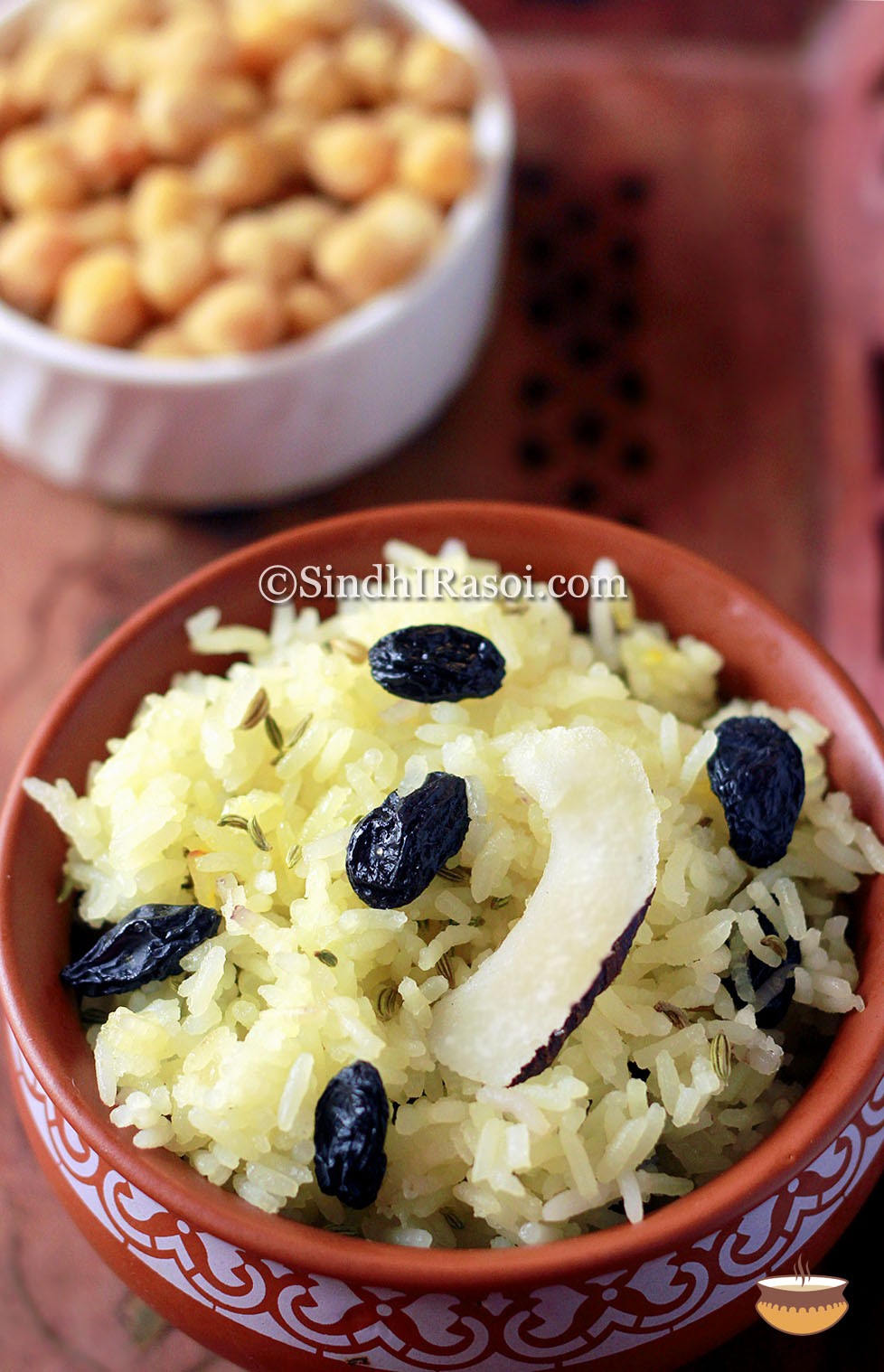
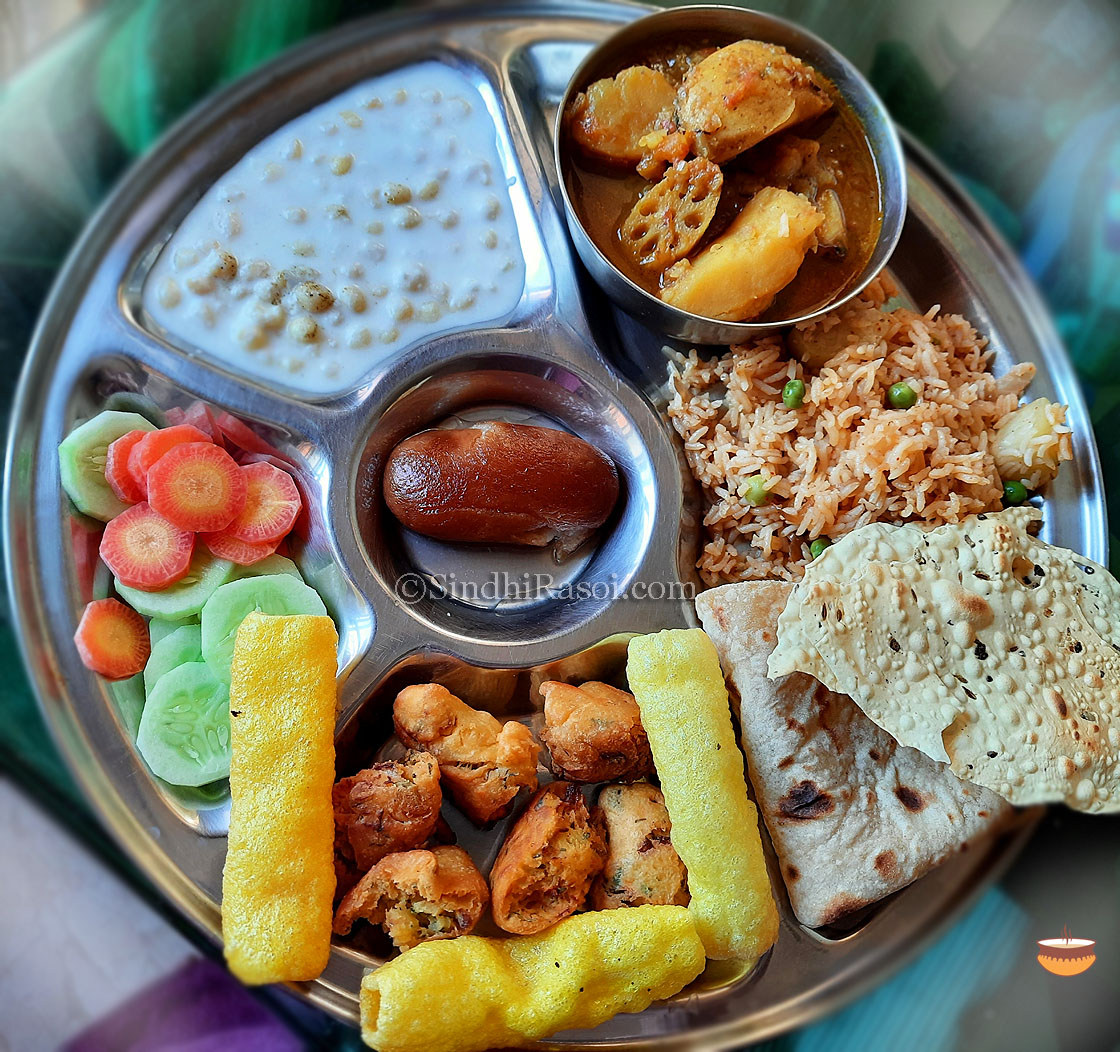
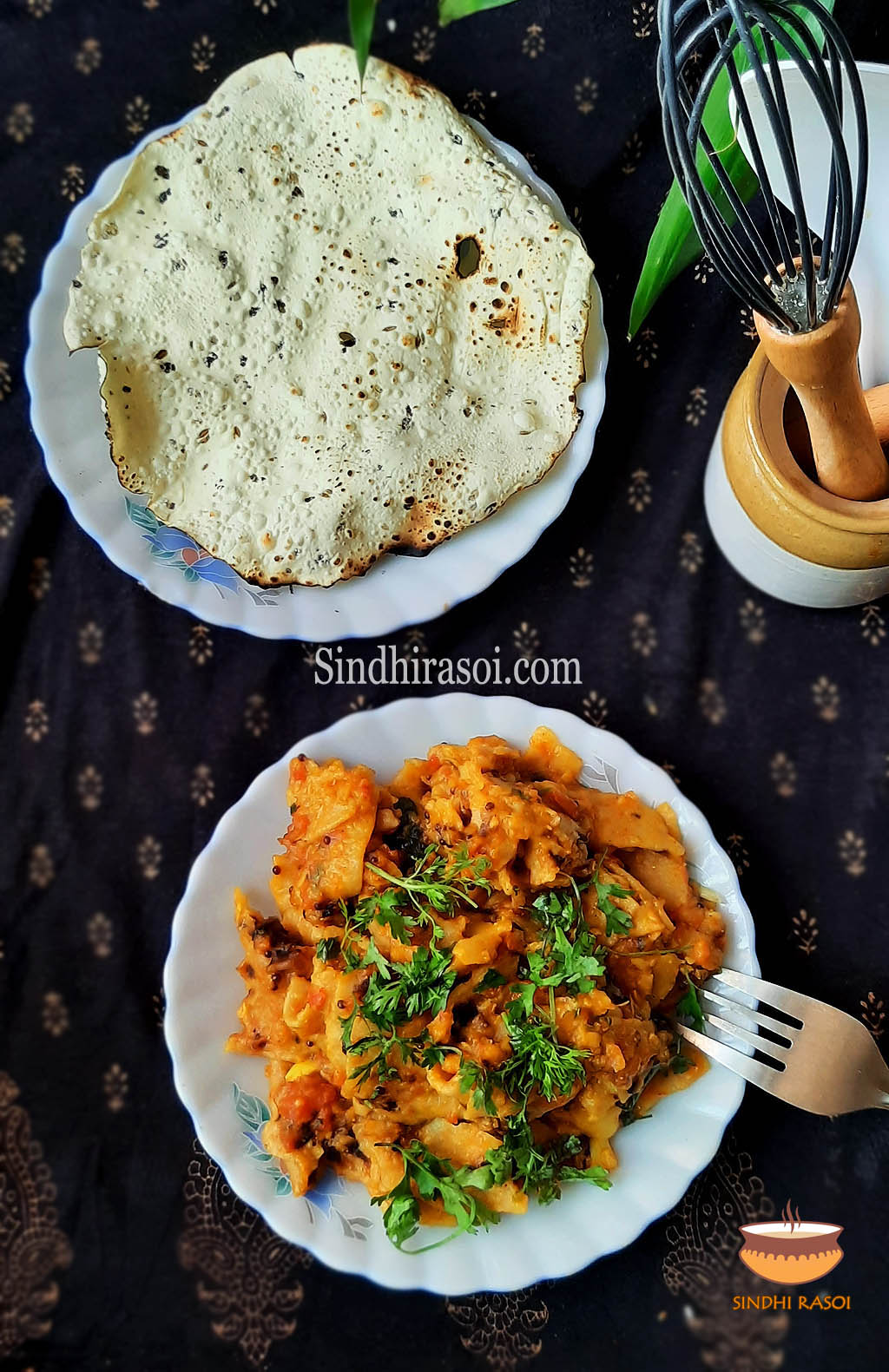
5 Sindhi Dishes made from the Leftovers No matter how particular you are about cooking just the right quantities of food, there may be some leftover food at your home, at some point of the time. Generally we just reheat the food and consume as it is but there are times when we relish the leftovers in a different avatar. Here are 5 such Sindhi style recipes requiring a few basic ingredients to give a makeover to your leftovers. Do tell me in the comments section if you have tried any of these. Also do tell me about your favorite…
-
-
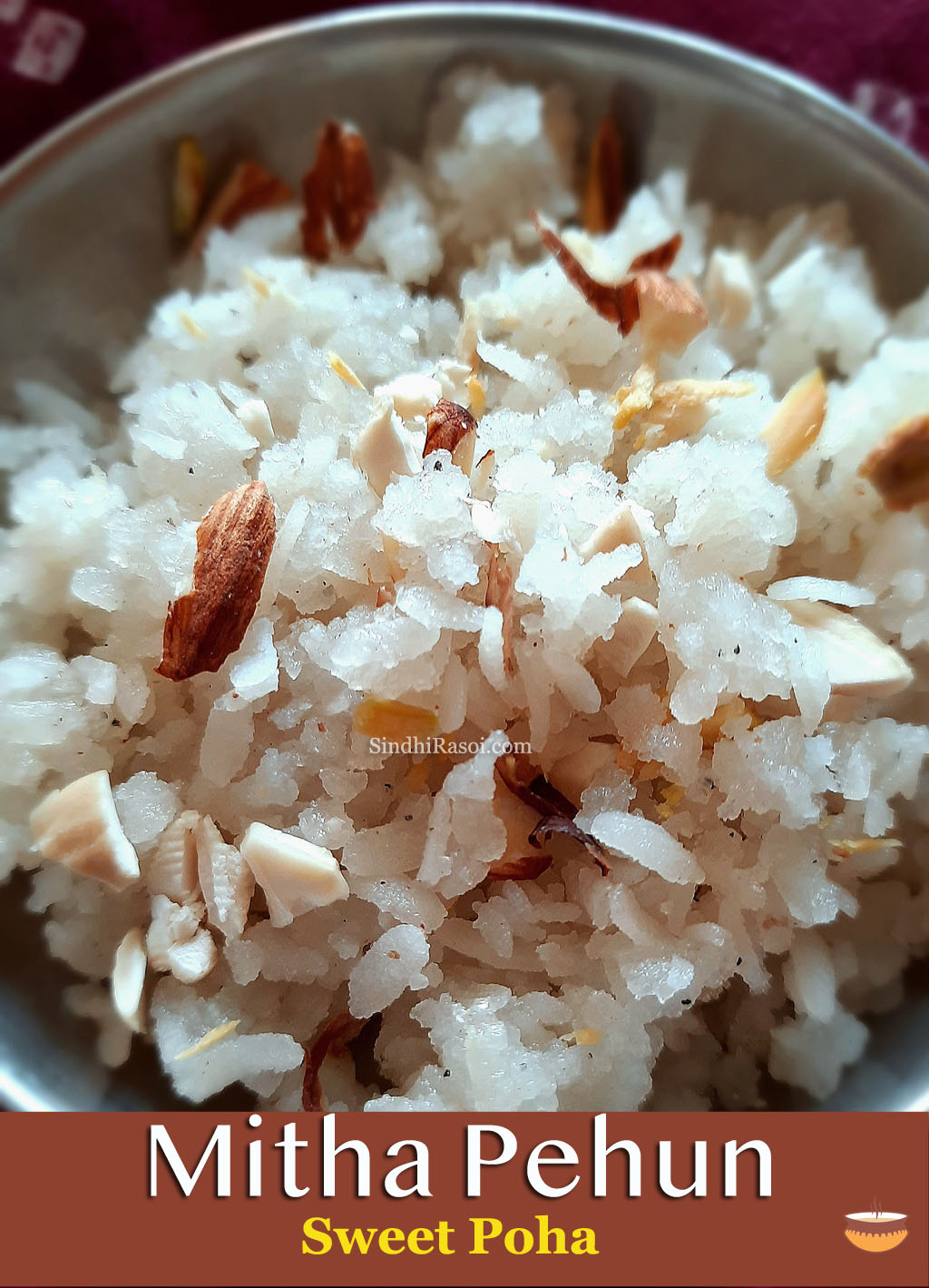
Mitha Pehun or/ Peyun ~ Sweet Poha I always thought that the dish Poha made in Sindhi homes is a relatively new adaptation from the kitchens of Maharashtrian neighbours. The popularity of the humble dish could be judged by the fact that it became one of the most preferred breakfast options for serving the guests, be it during weddings, condolence meets or even for religious gatherings like Varsi (Death Anniversaries) of religious or spiritual leaders. Gradually when I got to taste the traditional poha made at homes of my Maharashtrian and Gujarati friends and neighbours, I realised that there are…
-
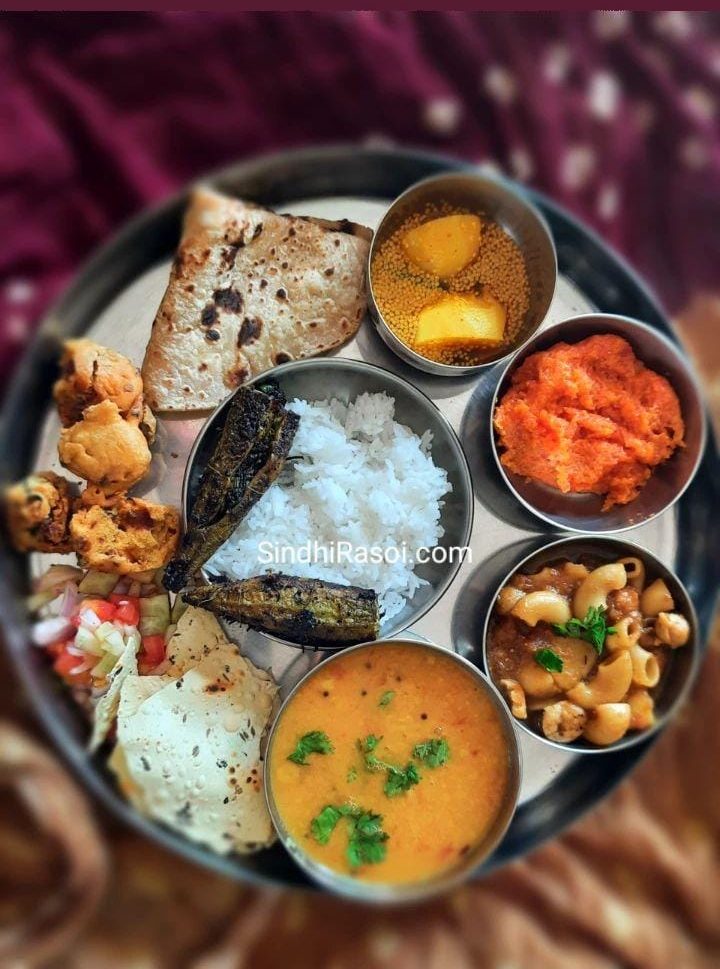
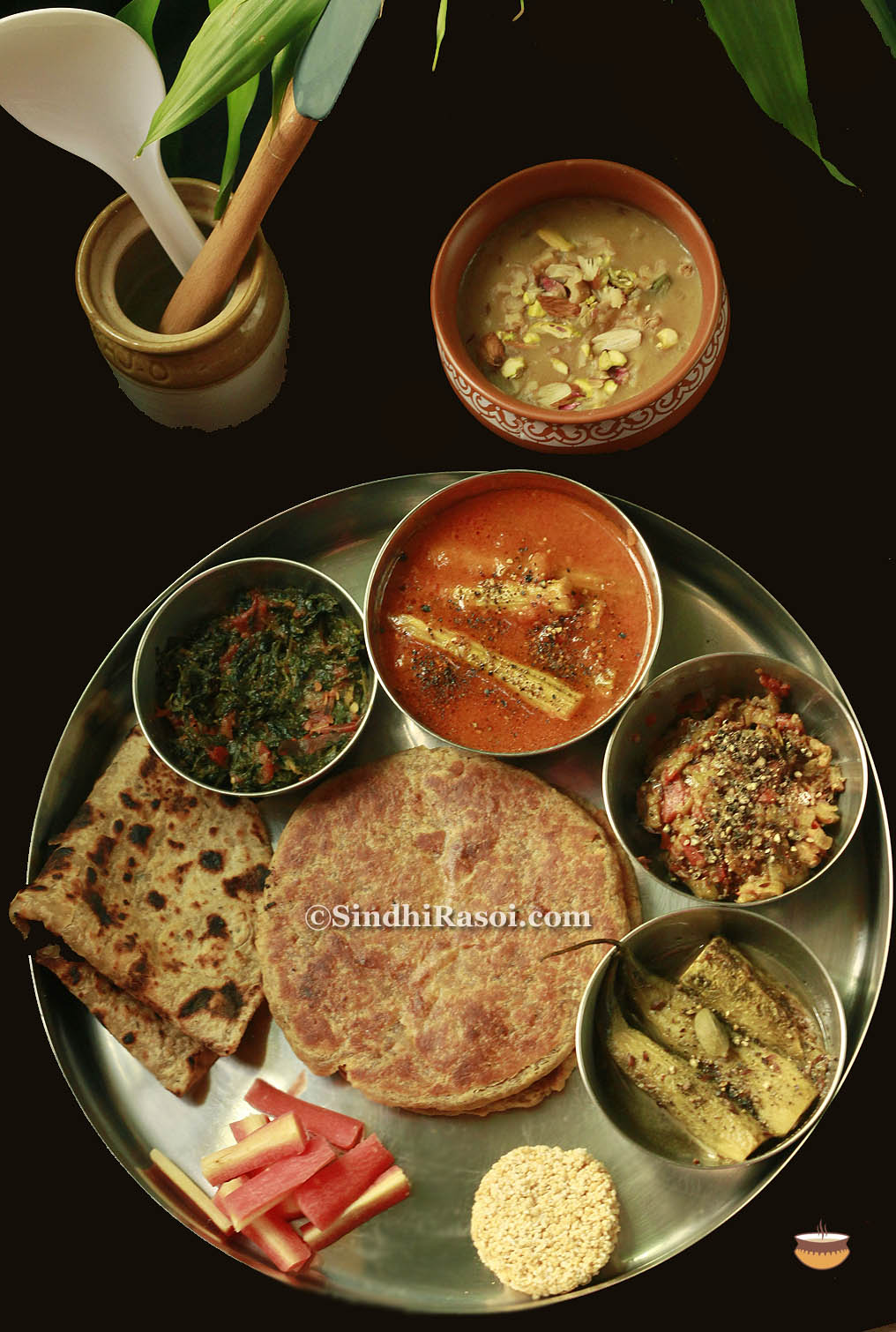
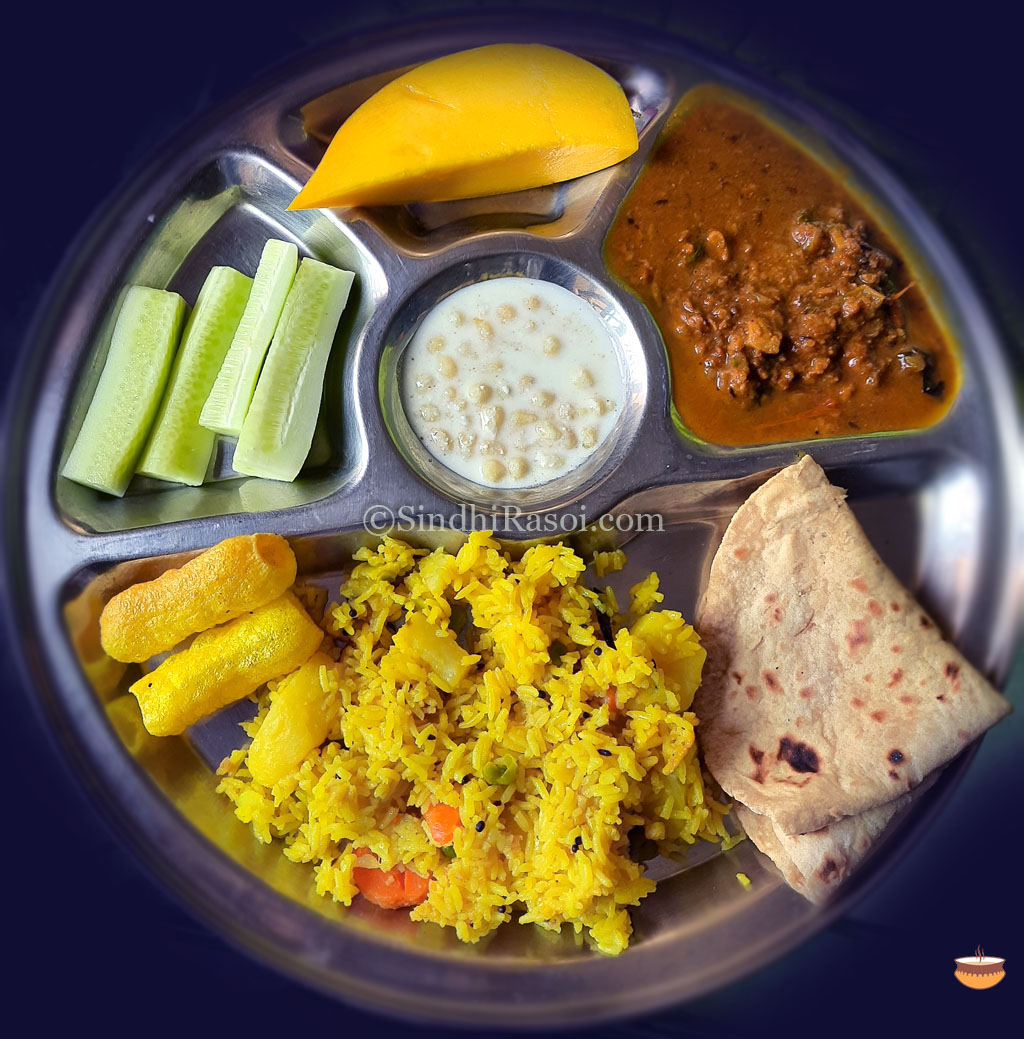
When I started sharing some Sindhi Thali spreads on Instagram (Sindhirasoiofficial) and Facebook page (Sindhirasoi.com), I started receiving many requests to share the recipes of each dish presented in the Thali. So I thought to share the details of all the Thali meals in a blog post for easy reference! Most of these meals were cooked across the year, though some are from the distant past. I haven’t meticulously planned the menus of these Thalis and the dishes were cooked depending on the seasons and availability of the ingredients during the lockdown, in the past year or so. Hence some…
-
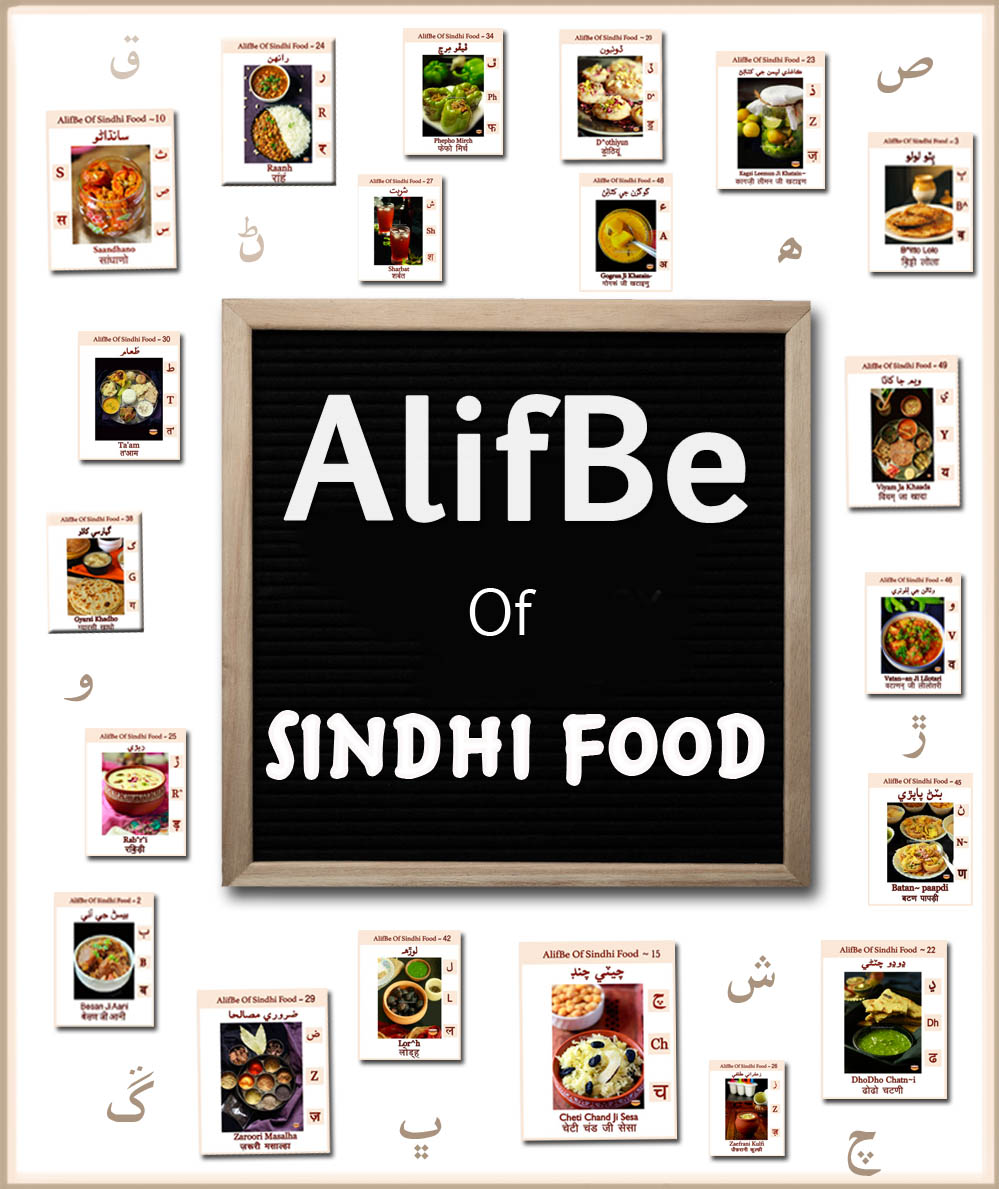
When I started working on my project about documenting ancient, traditional as well as lost recipes from Sindhi cuisine, a few years ago, the biggest challenge I faced was the lack of accessible information about the same. The limited documents that I could access, were in Arabic Sindhi, a script that I never could learn, despite of trying umpteen number of times, since my childhood. I felt stuck up. So the only way to move forward was to learn the Arabic script and to make sure that I don’t give up this time, I took up a challenge; The AlifBe…
-
Today (13th April 2021) is Cheti Chand and we, the Sindhis, celebrate it as our New year, with great enthusiasm. Why do Sindhis Celebrate Cheti Chand? The legend says that people in Sindh (Now in Pakistan) were tortured by an arrogant ruler named Mirikshah who tried to force Hindu Sindhis to accept Islam. Sindhis being followers of Varun Devta, Lord of Waters, gathered on the banks of holy Sindhu (Indus) River and prayed for some miracle to save them. After fasting and praying for many days there was an akashvani that the Lord Vishnu will soon take birth in an…
-
In olden days, a wedding in a Sindhi home would mean a buzzing neighbourhood. The male clan would deal with the logistics of a wedding, distributing wedding cards, booking tickets for relatives traveling from far and wide, making arrangements for their stay, booking Maharaj or cook/s to cater to family/relatives, friends etc. The female clan (from the family as well as from the neighborhood) on the other hand would take charge of stocking spices, grains, pulses etc. Almost a fortnight before marriage eve, ladies in the family and around would wind up the daily chores and come together to make…
-
We are now at the 13th letter of Sindhi alphabet, the AlifBe and the consonant is جهہ as in Jhelum or Jhansi. It is written as ‘Jh‘ in Roman and as झ in Devanagari. Points to note: Some of you who are learning AlifBe with me have asked why the letters appear to be different when used in words as compare to when written individually. Please note that many Sindhi alphabets are formed differently depending upon their individual position in a word. For instance, just check how جهہ is written varyingly depending on its position in any word. Since this…