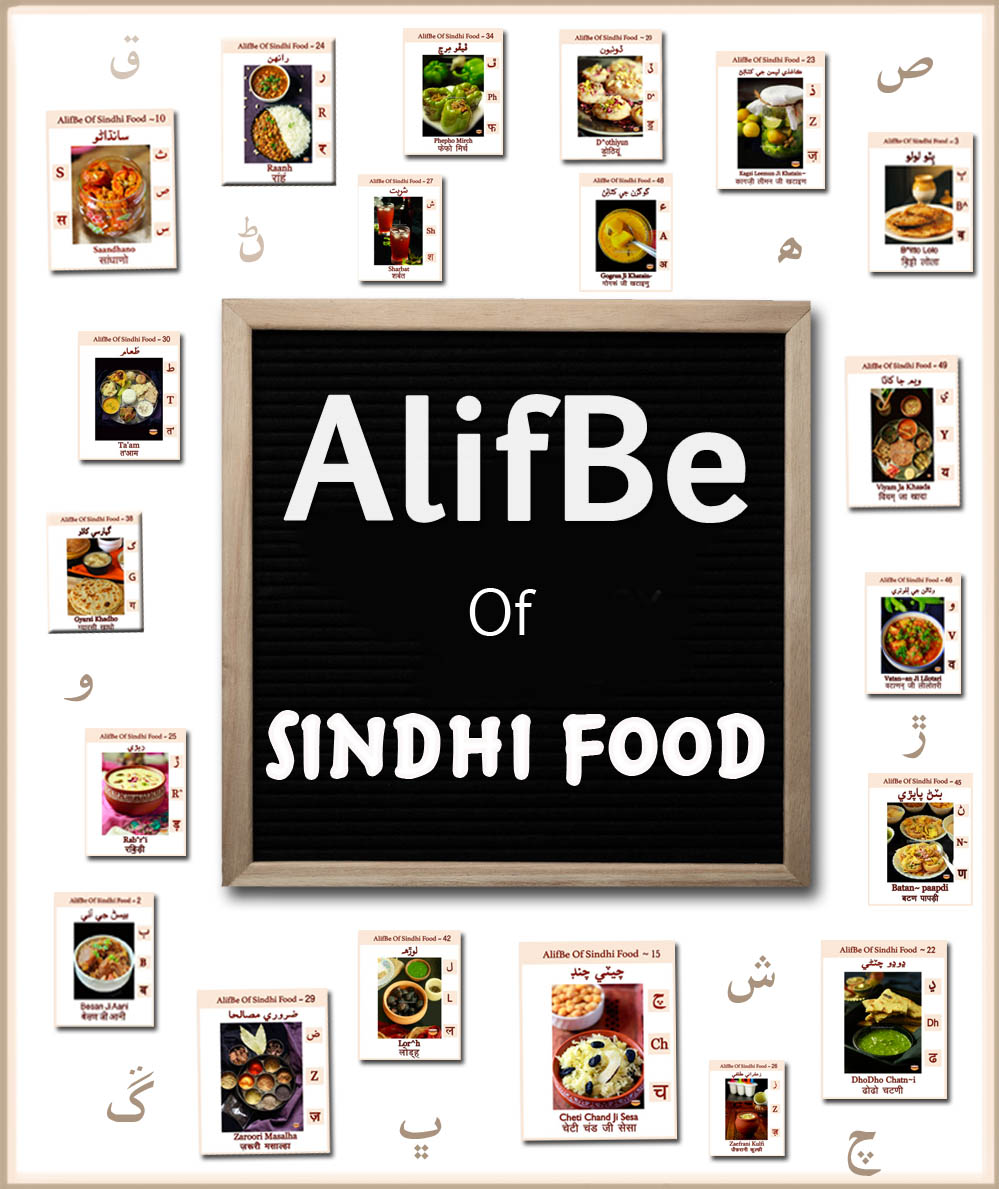
#Alif Be of Sindhi Food~2 The second alphabet of Arabic Sindhi is ب as B in Baby!As mentioned in the previous post, the Sindhi alphabet is divisible into 16 basic shape groups. In the first shape group we have just one alphabet ا i.e ‘A’! In the second shape group there are 9 alphabets with similar basic shapes, followed by two more alphabets that are similar to some extent. And yet each alphabet is unique because of the position and number of dot/s in each alphabet. So the 1st alphabet of this group, which is the second alphabet of Alifbe…
-
-
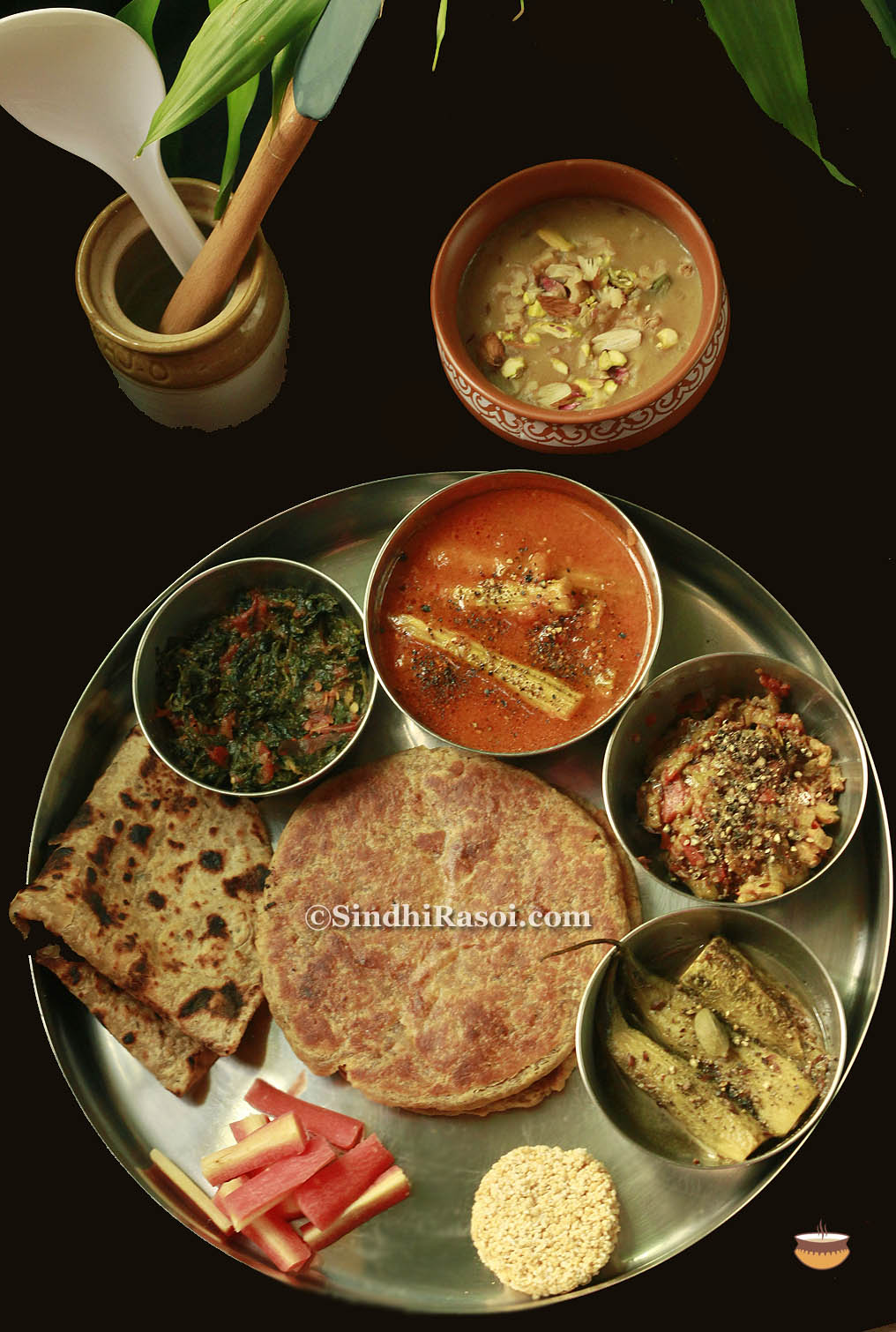
A bit late to share a recipe of a seasonal delicacy, the Palli leaves or tender leaves of Chickpeas but then it is better late than never! The season is over but I am still sharing this post as I don’t want this one to become yet another ‘draft post’ waiting for an appropriate time to share it. Every winter season the elderly in the family would get nostalgic about the Palli and dodoh (patted jowar/riceflour/bajra roti) but I never got a chance to cook or taste palli considering that the greens are available only for a short period of…
-
My hubby’s grandmother often used to talk about some lost Sindhi recipes and the way vegetables and other ingredients lack the original flavors. She would rant about the ‘not so fragrant’ fenugreek leaves, insipid spinach and flavorless ghee and would compare it with the quality of ingredients that were available in the past. She would frown at the sight of lack luster parathas and would ask for a dollop of ghee or white butter to bring parathas to life. Her ‘old food’ stories would often be about the succulent meat curries, exotic ‘sand-pit-cooked’ fishes, Doli ji roti (a fried poori…
-
Mukand wadi/ Mukundvadi was adapted by Sindhis from the cuisine of Multan, a district in the Punjab province across the border, before the devastating partition of 1947 happened. Apart from Multani wadi, Sohan halwa and Dholi (Doli) rotis from Multan were popular amongst the people of Sindh. Post partition, many such traditional recipes started to dwindle away from the namesake kitchens of the makeshift homes of ‘‘Refugee” Sindhis. People were forced to cook and eat whatever was available around. Left with the daunting task of protecting the families living in most inhuman conditions, fighting an uphill battle to sustain without…
-
Allow me to share some interesting food facts related to Sindhi people. I may be wrong in certain observations, so do correct me if you disagree. In general, Sindhis are divided into various types when it comes to food preferences. a) Those who eat non veg. food, be it goat meat, fish, eggs, chicken etc. b) Those who avoid non veg. food on some particular days like, Tuesdays, Fridays, ekadashi, satnarayan etc depending on their personal beliefs. c) Those who satiate their meat cravings at restaurants or buffet parties because nonveg. food is barred from their homes. d) Those who…
-
Drumsticks are widely used in Sindhi cuisine, be it in the traditional Sindhi kadhi, or in Seyal bhaji, as Bhughal Singhyun or in tomato gravy. The dried tender drumsticks called Suandhro, finds its place in dry curry or even in Raita (condiment made with yoghurt). Our love for the Moringa oleifera, the drumstick tree, extends beyond its tender seed pods and hence when the fresh drumstick flowers are in season, Sindhis flock to markets to buy the seasonal produce before it disappears within weeks, to cook Suhanjhro/suwanjhro/swanjhro i.e drumstick flowers curry. The fresh flowers or Suhanjhro/ swanhjray (Drumsticks) ja (of) Gulah (flowers) could taste bitter…
-
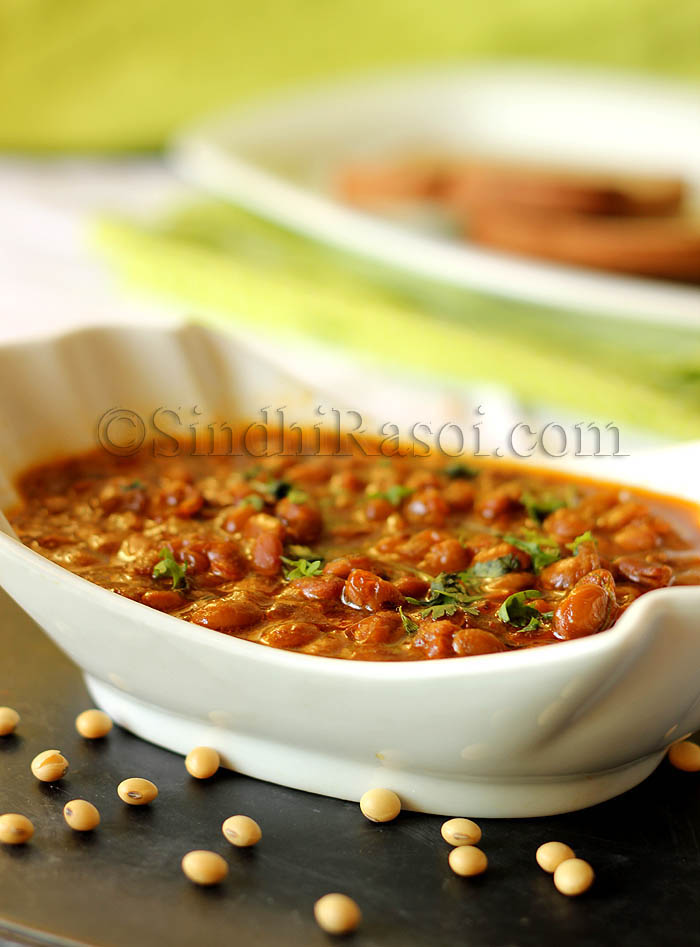
Soybean, a kind of legume, is somewhat controversial, and there are many different theories regarding the pros and cons of consuming Soy and its products. Traditional Indian cuisine seldom made use of fermented Soy products and its only since past few years, that Soy products are used in form of tempeh, tofu, soy milk, Soya sauce etc thanks to the food going global. Probably the only way that Sindhis used Soy was in form of Textured vegetable protein (TVP, or Nutrella, also known as Soyabean wadhi/ badi, and soyabean nandi or granules). Soybean as beans, often known as “meat without bones”,…