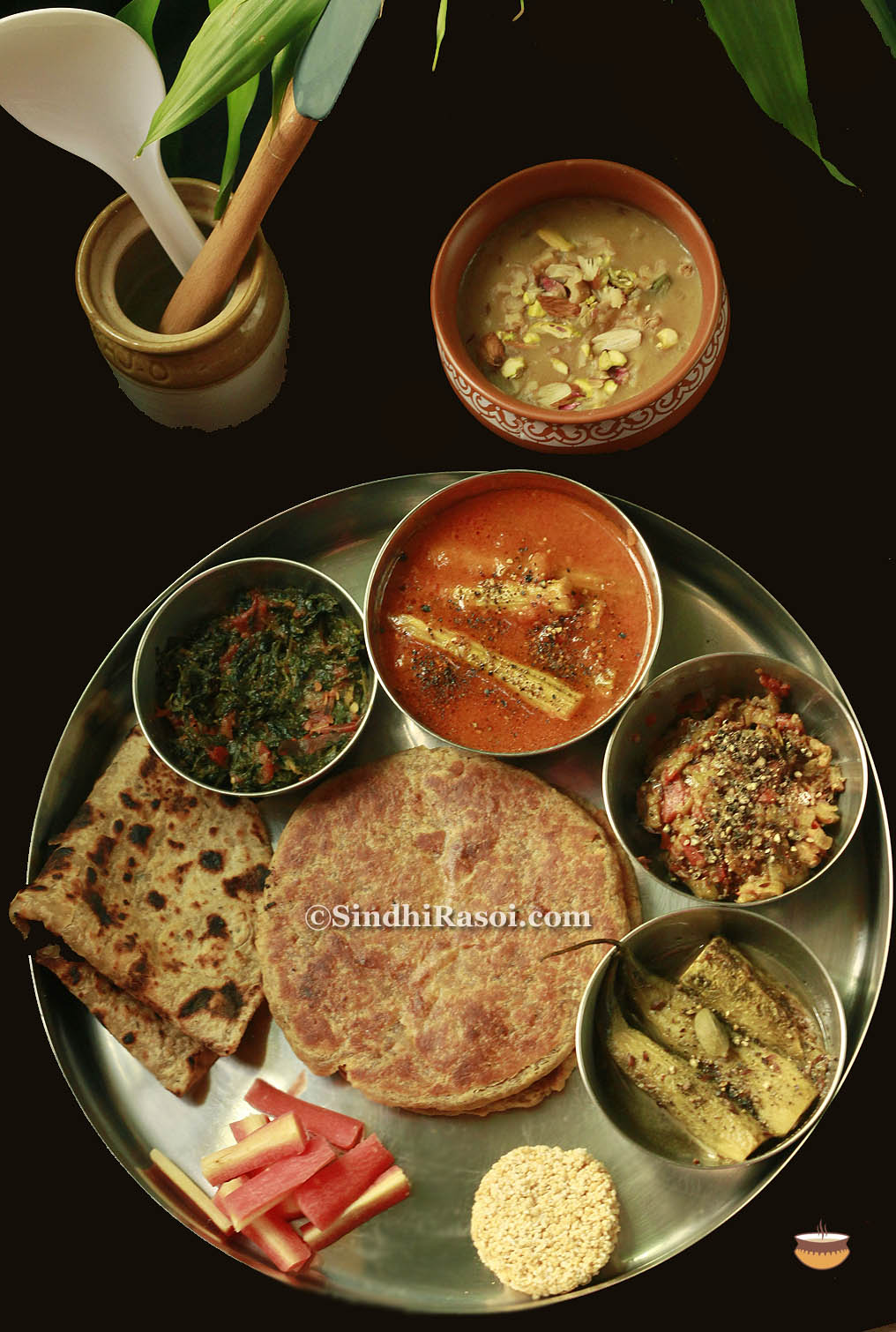
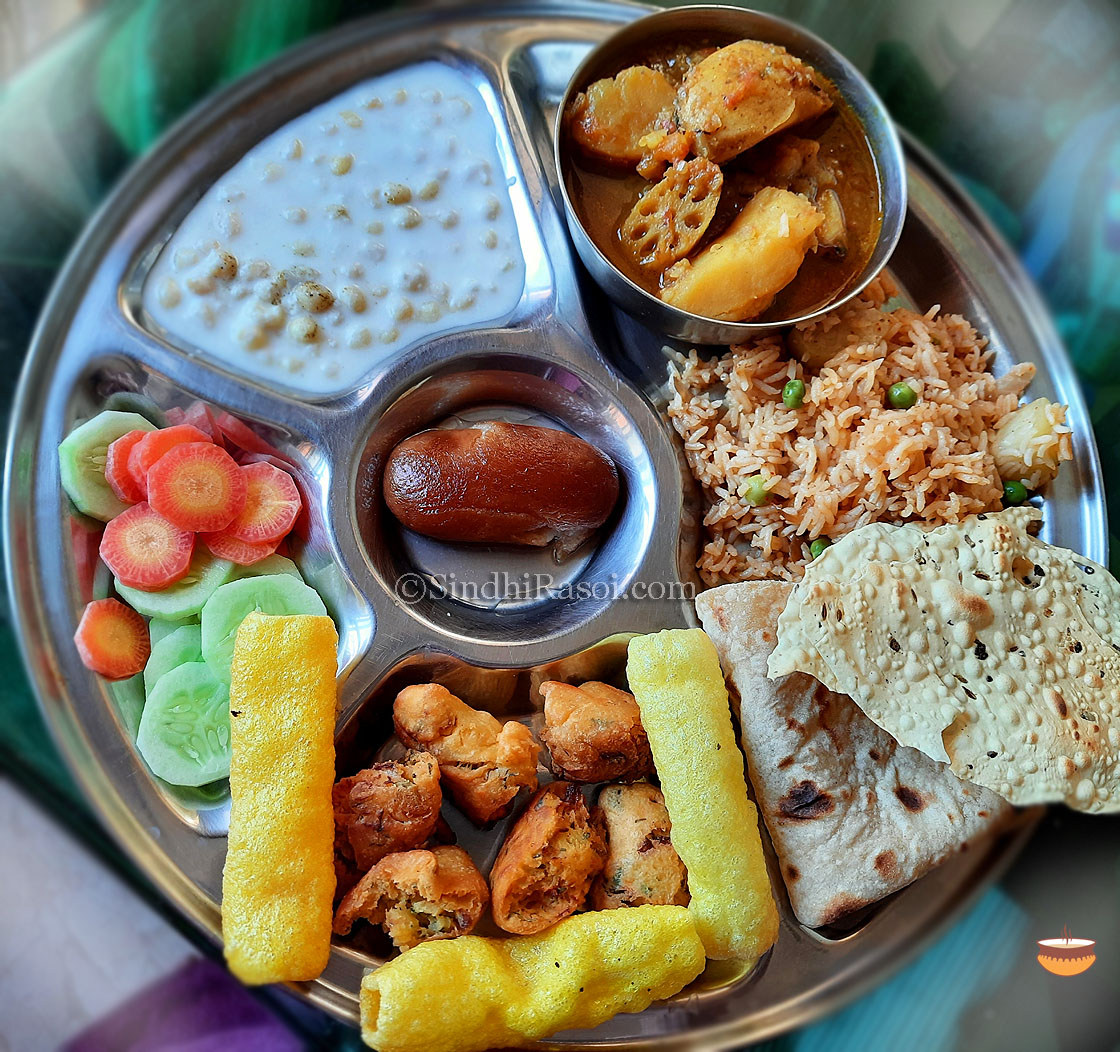
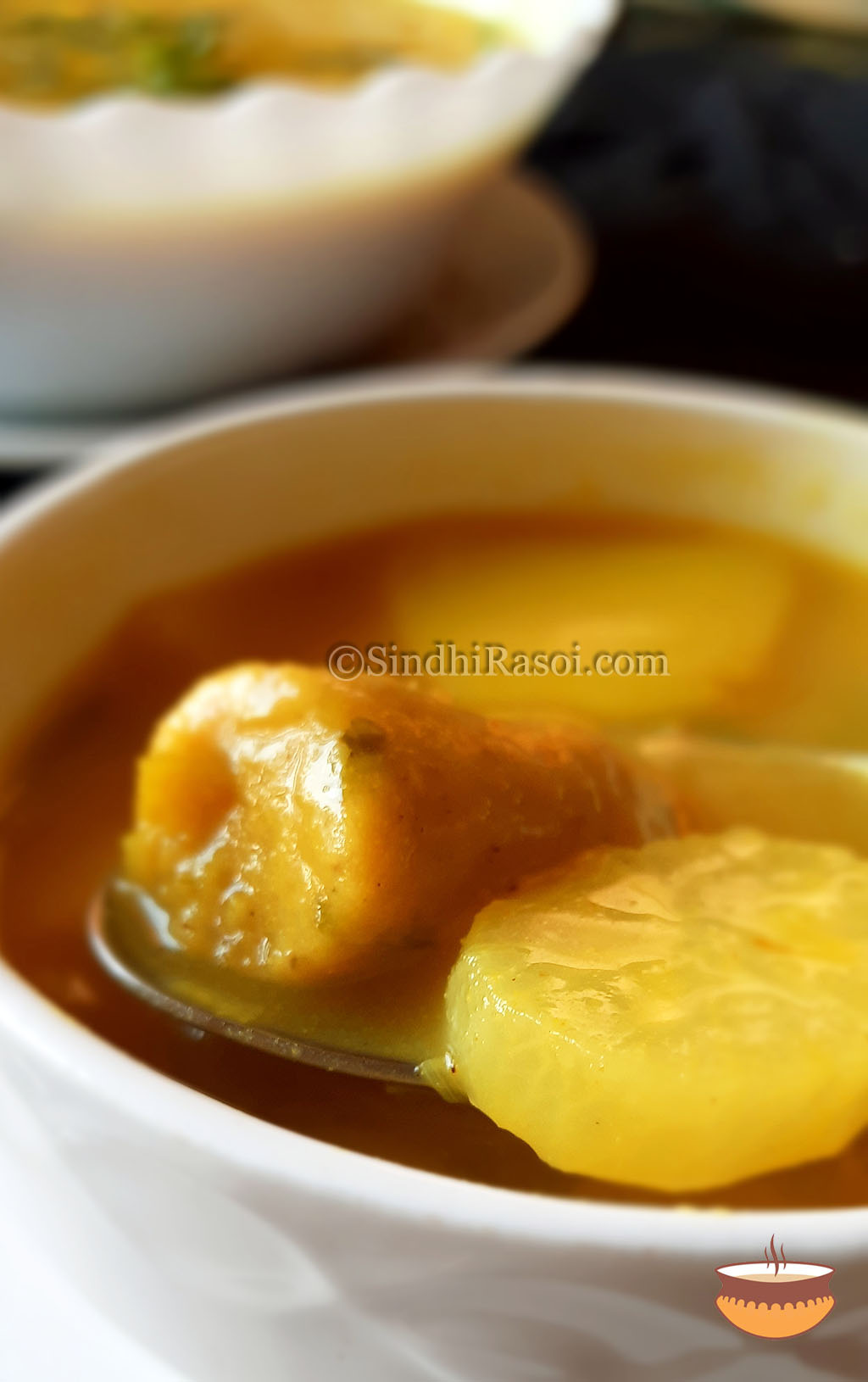
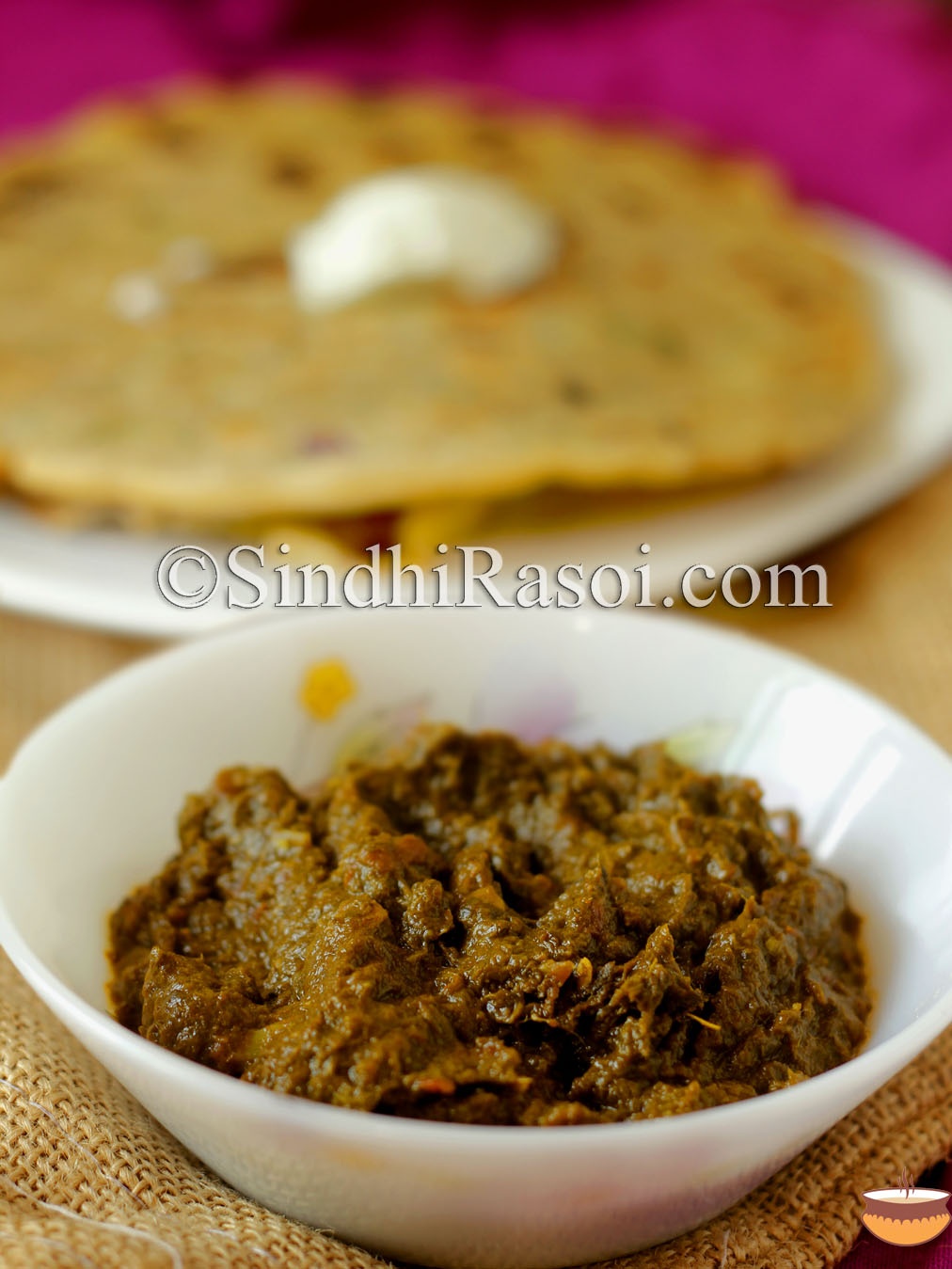
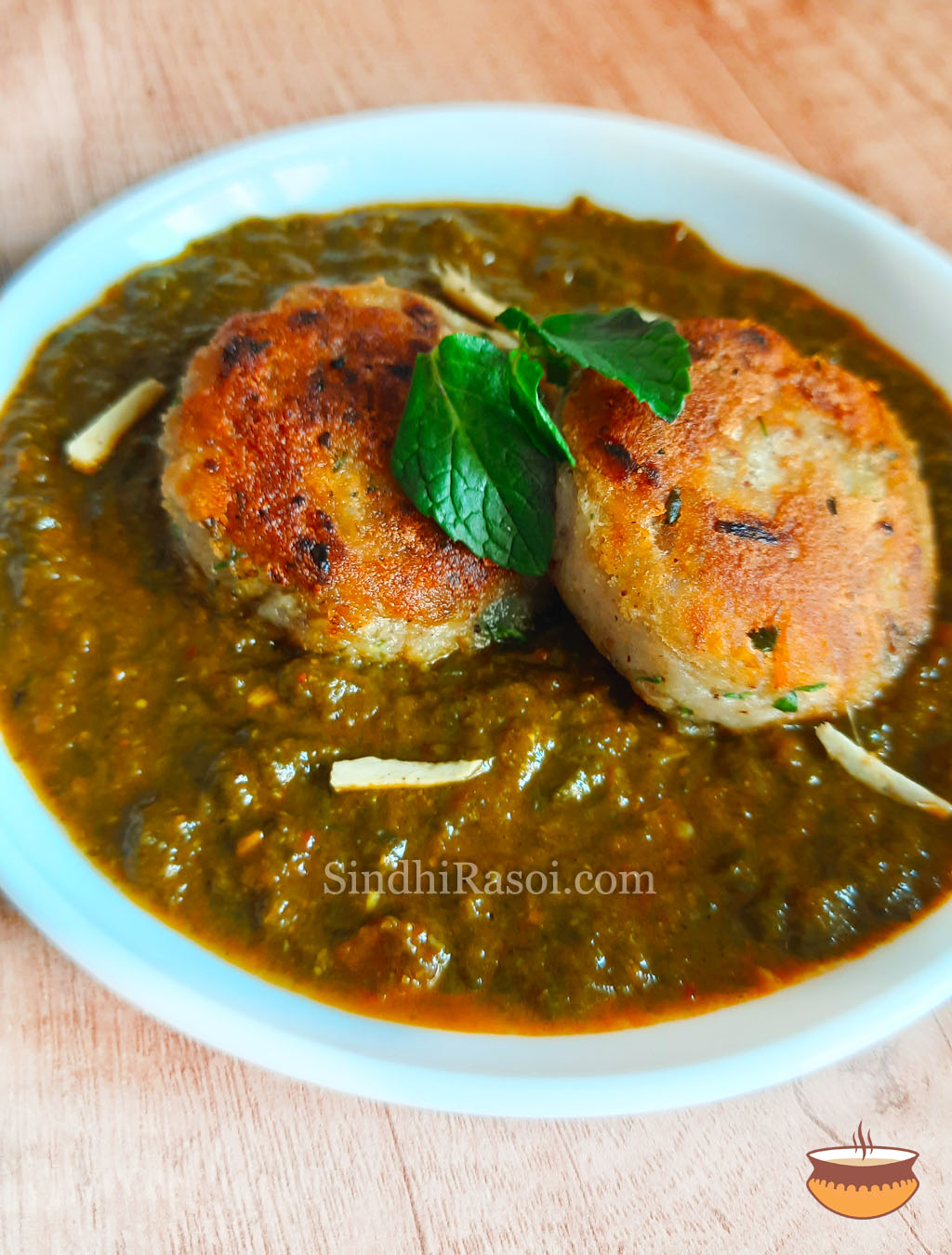
In Arabic Sindhi there are two consonants that sound similar but are actually different; ت and ط , i.e ‘T’ as in Taiwan, Tahini, Tabla etc. ت as in Tosha was covered in the AlifBe~ 6 , while the 30th consonant i.e ط is what we are discussing today. Unlike the ت that is used for words of Sindhi origin, ط is used for words of Urdu/Persian/Arabic origin. So what are we going to discuss today? Ta’am is what we will talk about. Meaning of the word Ta’am varies across the different languages. While in Jewish it means ‘taste’, in Turkish…
-
-
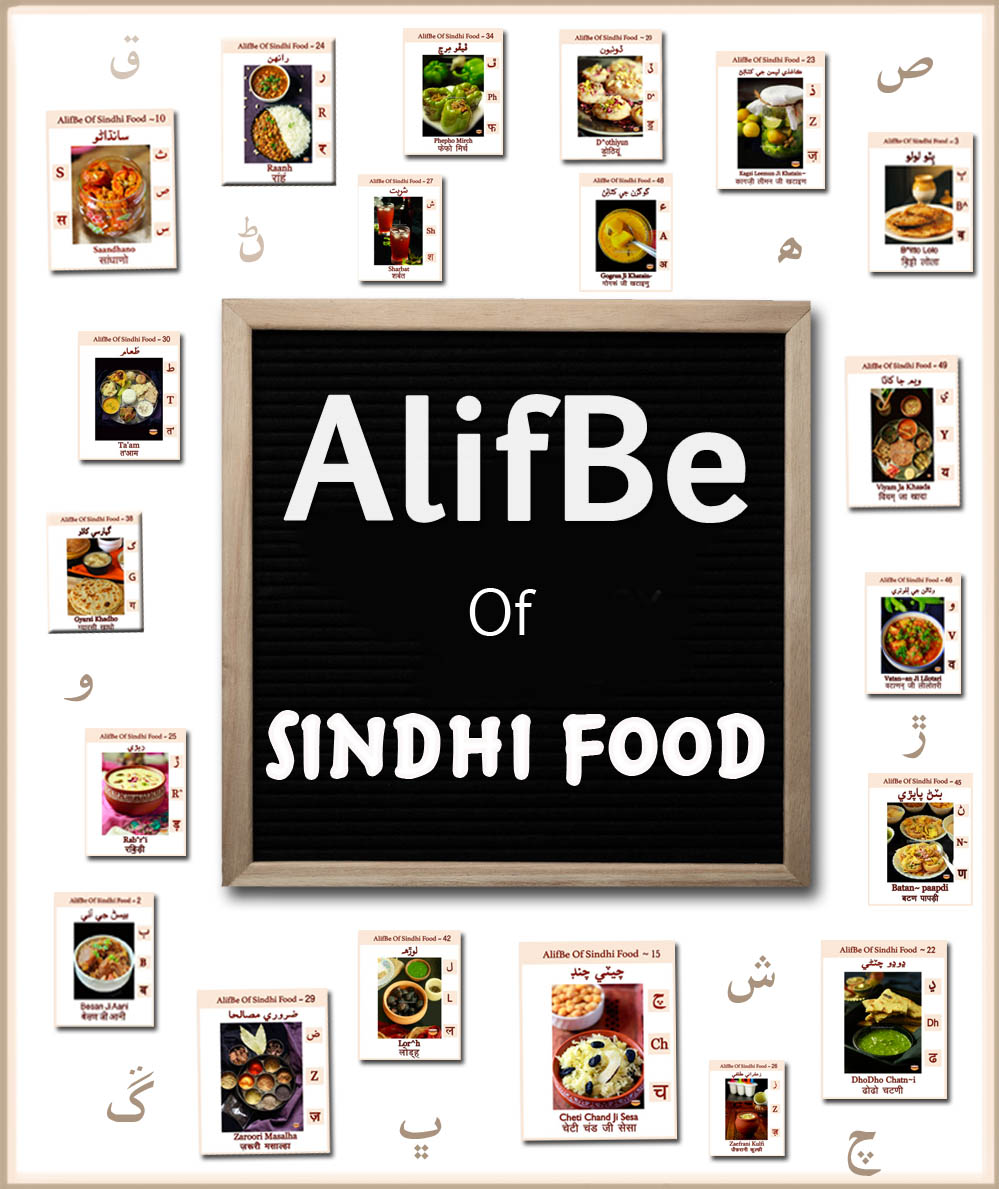
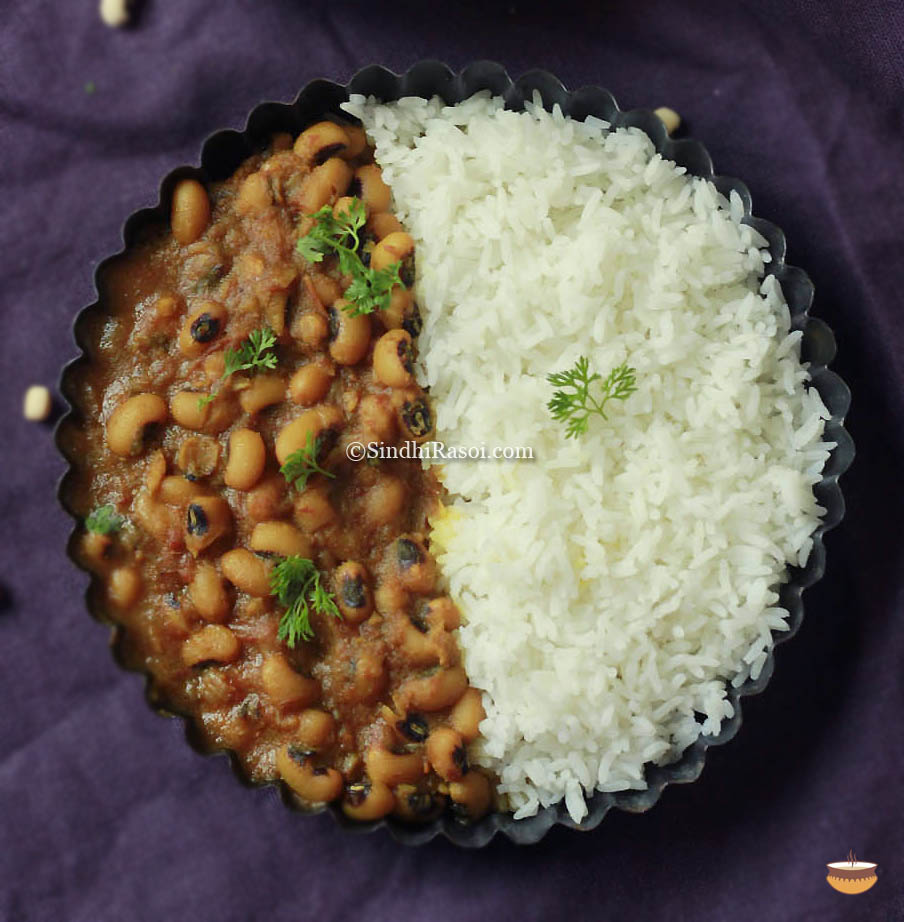
As mentioned many times in the AlifBe series, the 52 letters of Sindhi Alphabet are divisible into 16 shape groups and so far four shape groups are done and dusted! For the recap of the alphabets covered so far, please check this list! In the 5th shape group there are three letters and the first one in this group isر in Arabic Sindhi, र in Devanagari, while in Roman Sindhi it is R as in Ratnagiri/Rajasthan etc. And the corresponding Sindhi dish is Raanh, also called Chauran and Chawli for AlifBe of Sindhi Food #24 Raanh or Black eyed beans…
-
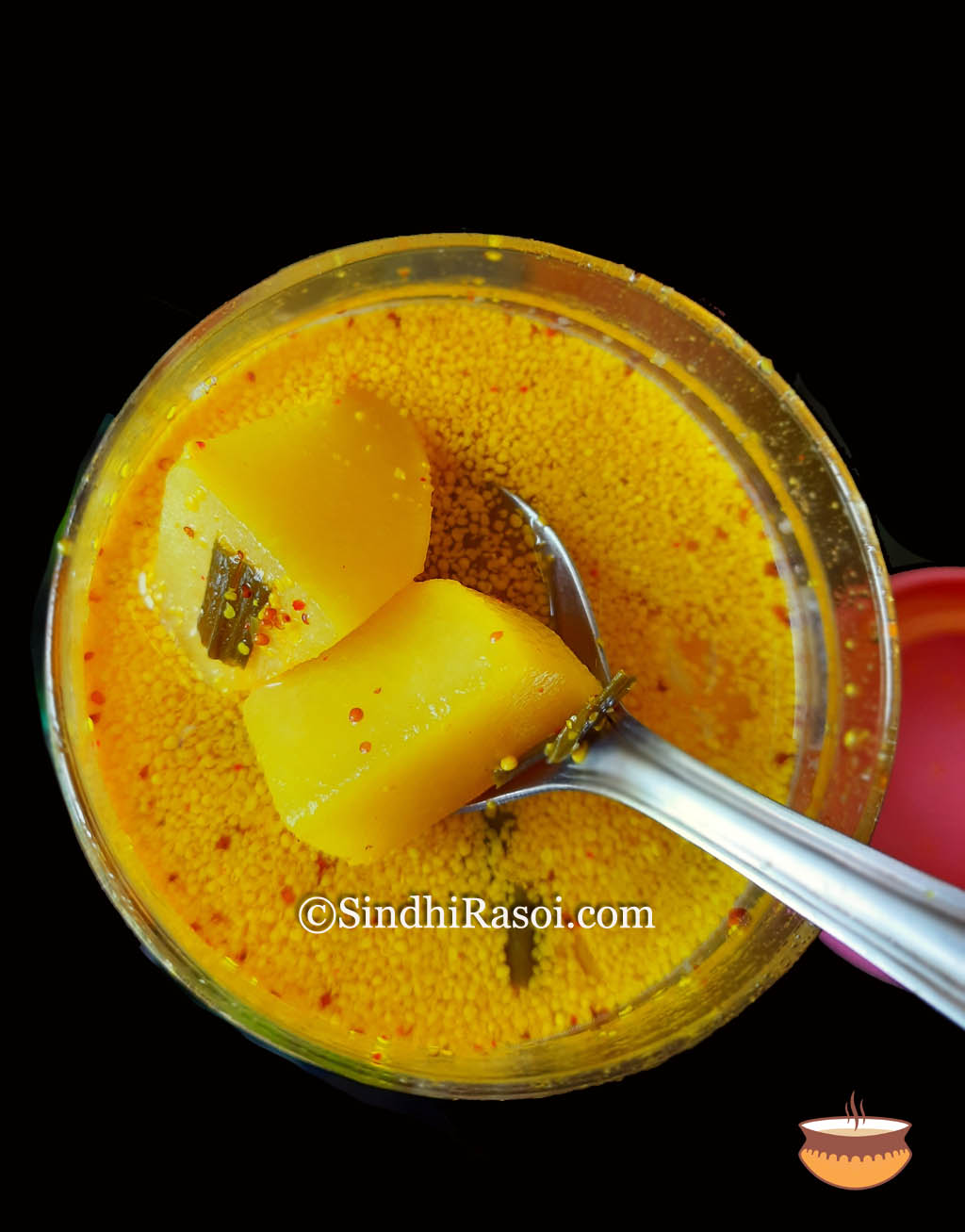
In olden days, a wedding in a Sindhi home would mean a buzzing neighbourhood. The male clan would deal with the logistics of a wedding, distributing wedding cards, booking tickets for relatives traveling from far and wide, making arrangements for their stay, booking Maharaj or cook/s to cater to family/relatives, friends etc. The female clan (from the family as well as from the neighborhood) on the other hand would take charge of stocking spices, grains, pulses etc. Almost a fortnight before marriage eve, ladies in the family and around would wind up the daily chores and come together to make…
-
The 7th Consonant in AlifBe i.e the Perso-Arabic Sindhi script (Alphabet) is ٿ which is थ in Devanagari while in Roman Sindhi it is written as Th~ i.e by using a Tilde (~) as suffix as we don’t have a corresponding alphabet in English. It is pronounced as Th~ as in Thailand,Theory, Thaw, Theatre etc. In Sindhi it is taught as ٿ for Thumbo/Thambo i.e a Pillar! And a dish starting with Th~ is a special one! It is something that I often crave for when I am under weather or when I miss my mother and Aunt K…
-
We are on the 4th Alphabet of Arabic Sindhi Alphabet which is پ or P as in Roman Sindhi! Different books/ websites or articles related to Persio Arabic script will show varying results if you search for this alphabet. I am going with the Balbharti book of Arabic Sindhi (Maharashtra) as it is source I am referring for Alif Be series. You can find the scanned copy of this book here! Not only you will find the consonants and vowels in this book but also some rhymes and lessons covering the basics like alphabets, vowels, word formation etc. To make…
-
A bit late to share a recipe of a seasonal delicacy, the Palli leaves or tender leaves of Chickpeas but then it is better late than never! The season is over but I am still sharing this post as I don’t want this one to become yet another ‘draft post’ waiting for an appropriate time to share it. Every winter season the elderly in the family would get nostalgic about the Palli and dodoh (patted jowar/riceflour/bajra roti) but I never got a chance to cook or taste palli considering that the greens are available only for a short period of…
-
My hubby’s grandmother often used to talk about some lost Sindhi recipes and the way vegetables and other ingredients lack the original flavors. She would rant about the ‘not so fragrant’ fenugreek leaves, insipid spinach and flavorless ghee and would compare it with the quality of ingredients that were available in the past. She would frown at the sight of lack luster parathas and would ask for a dollop of ghee or white butter to bring parathas to life. Her ‘old food’ stories would often be about the succulent meat curries, exotic ‘sand-pit-cooked’ fishes, Doli ji roti (a fried poori…