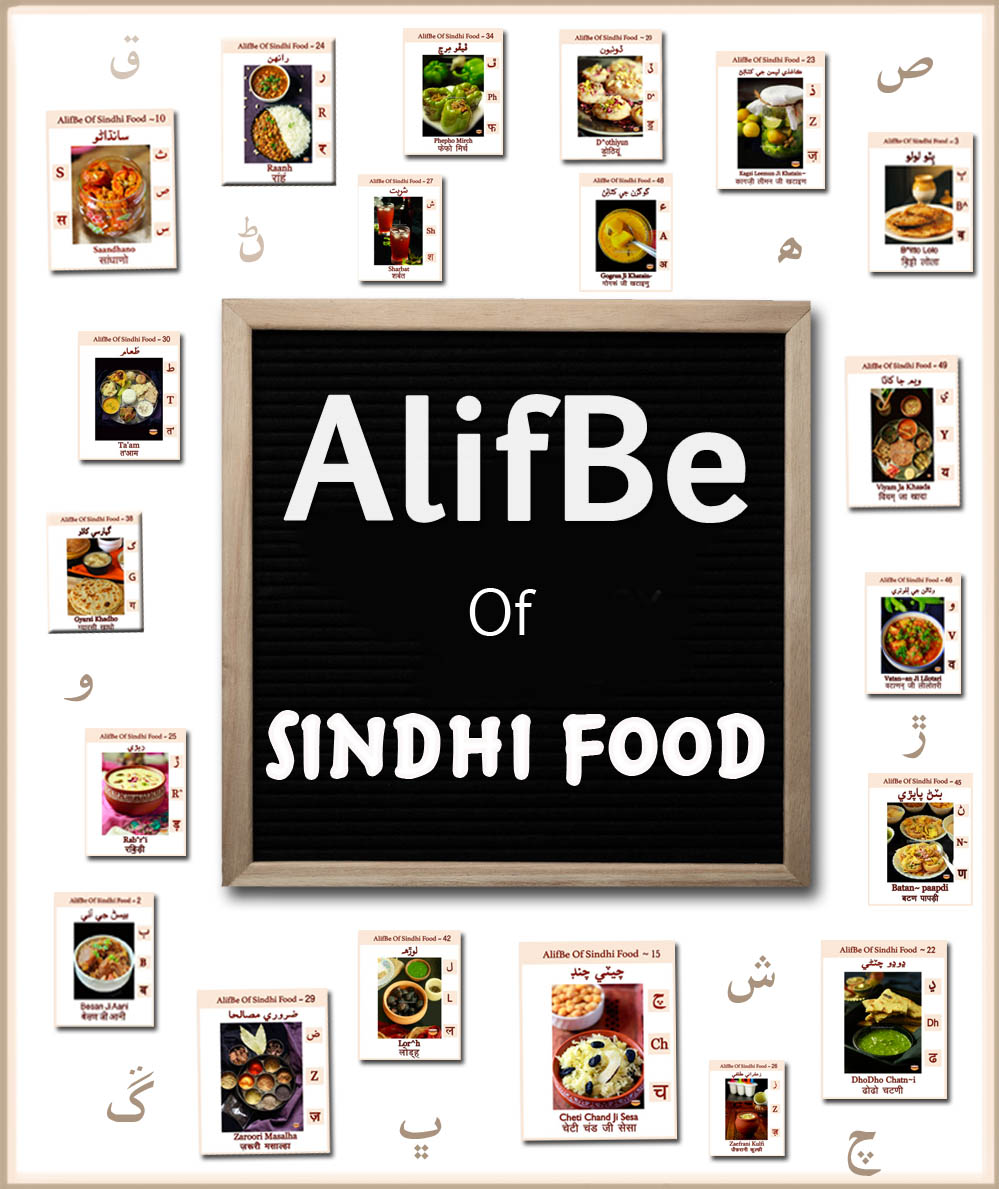
When I started working on my project about documenting ancient, traditional as well as lost recipes from Sindhi cuisine, a few years ago, the biggest challenge I faced was the lack of accessible information about the same. The limited documents that I could access, were in Arabic Sindhi, a script that I never could learn, despite of trying umpteen number of times, since my childhood. I felt stuck up. So the only way to move forward was to learn the Arabic script and to make sure that I don’t give up this time, I took up a challenge; The AlifBe…
-
-
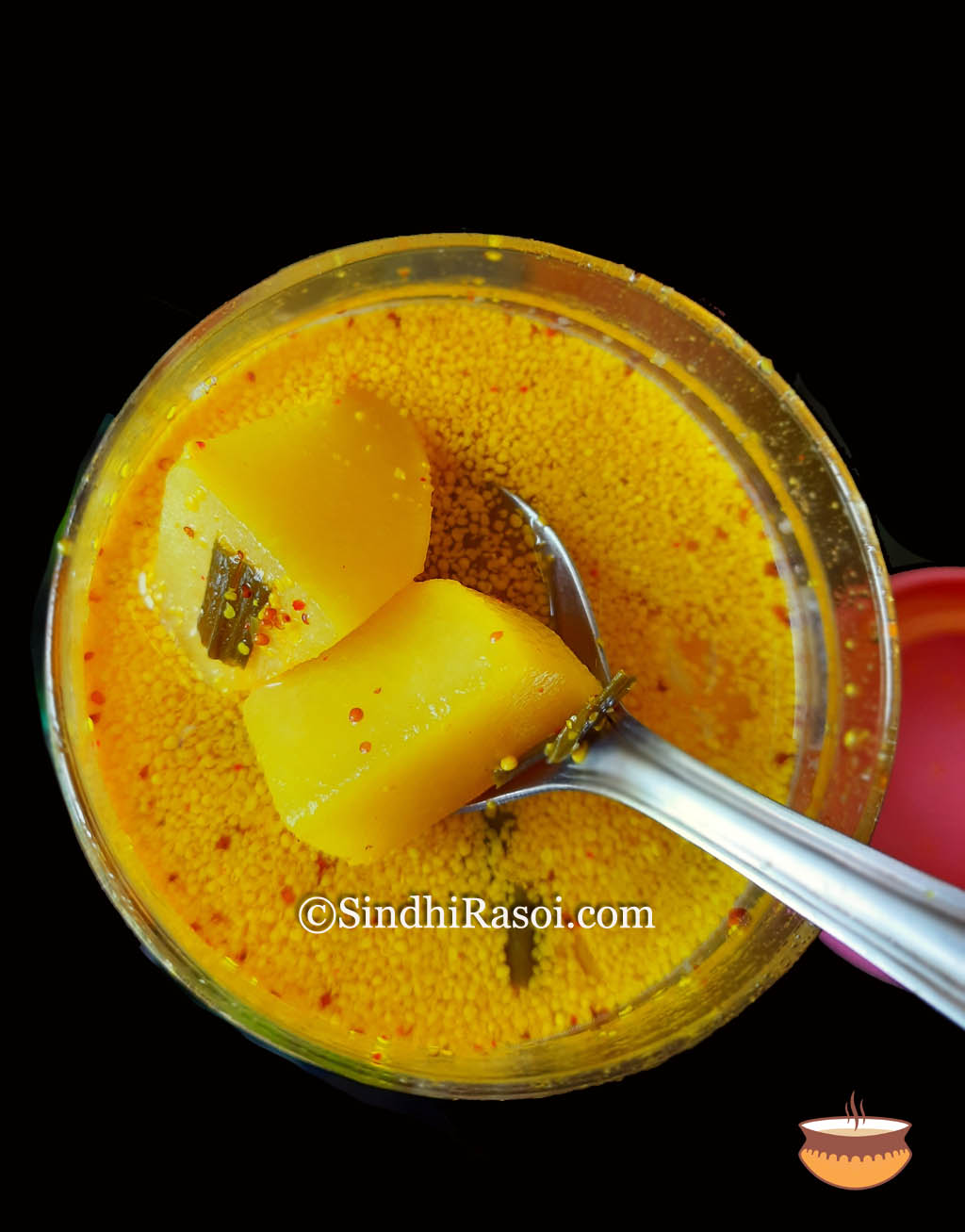
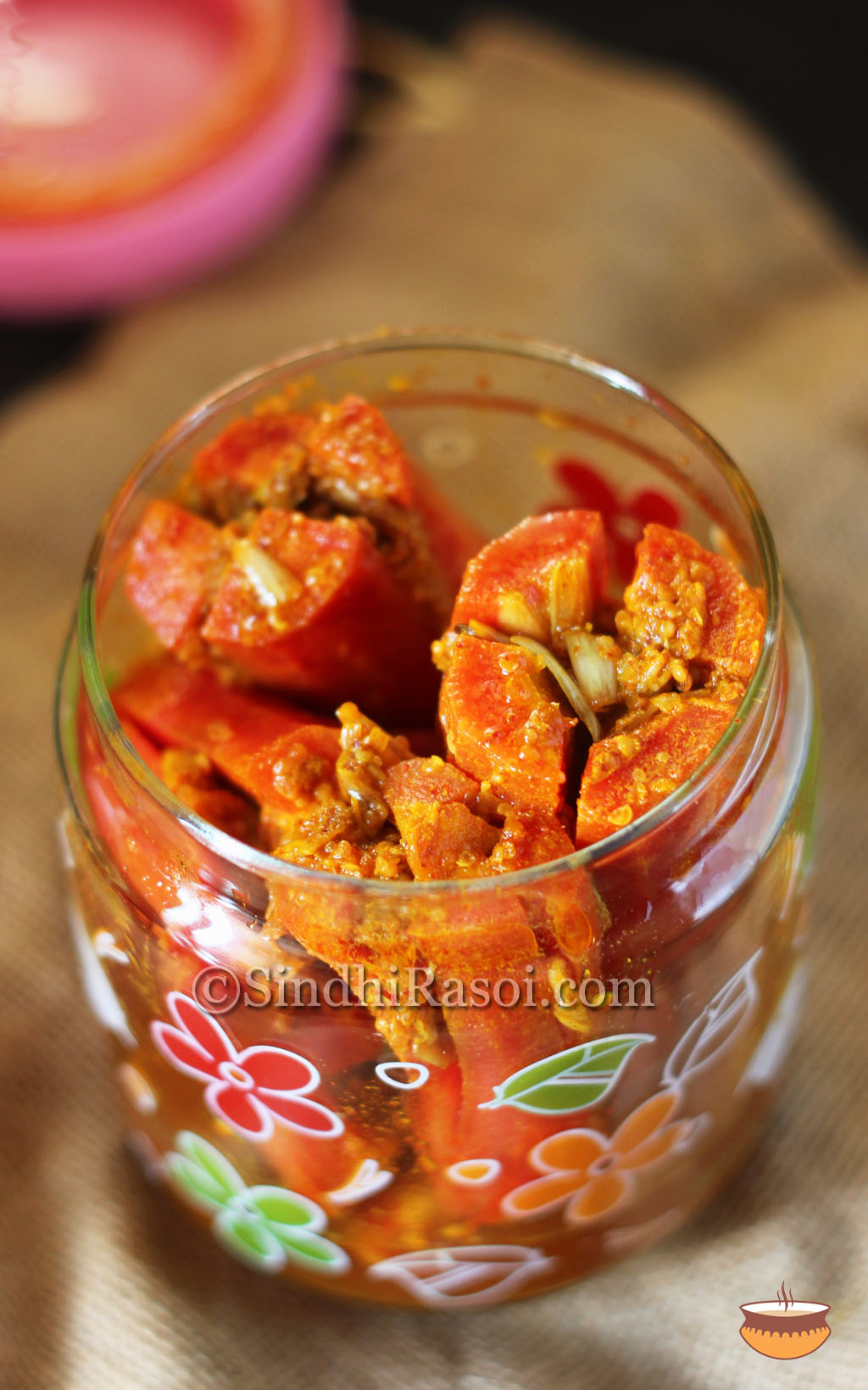
You can check the Insta reel about how to make Turnip pickle here! The 48th Consonant of Sindhi Alphabet is ء, called as ‘Hamzo’ in Sindhi. Hamzo or Amdhro as some call it, is often used as a glottal stop. It is, many a times, used as a vowel glide (when two vowels glide into one another), in a word; for example as in ‘Ma-u‘ (Mother in Sindhi), Mitha-i (sweet) etc. So basically a hamzo is placed in between the two vowels in a word that doesn’t ends with ‘A’ as in Alaph (Alif) ! . There are some set rules…
-
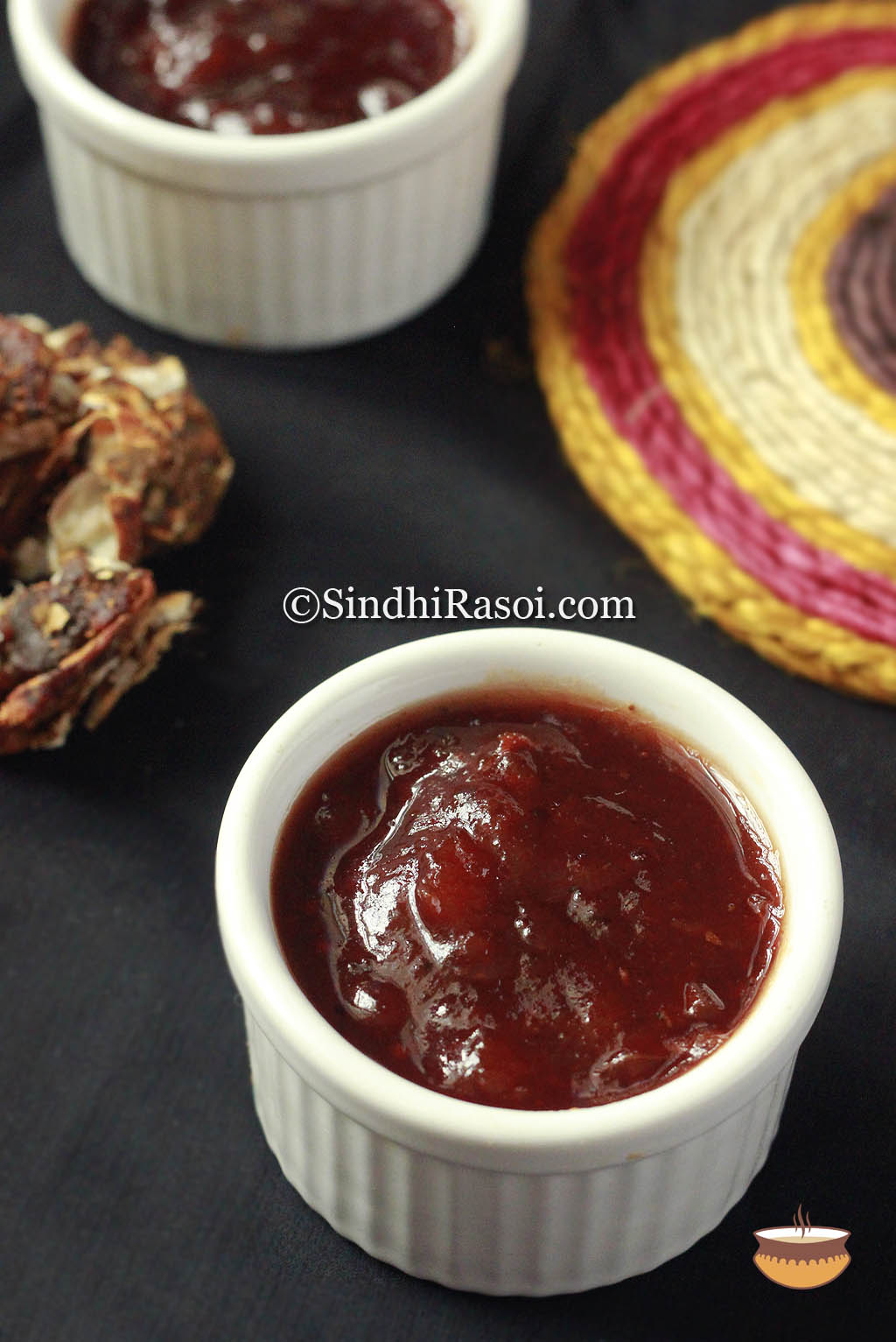
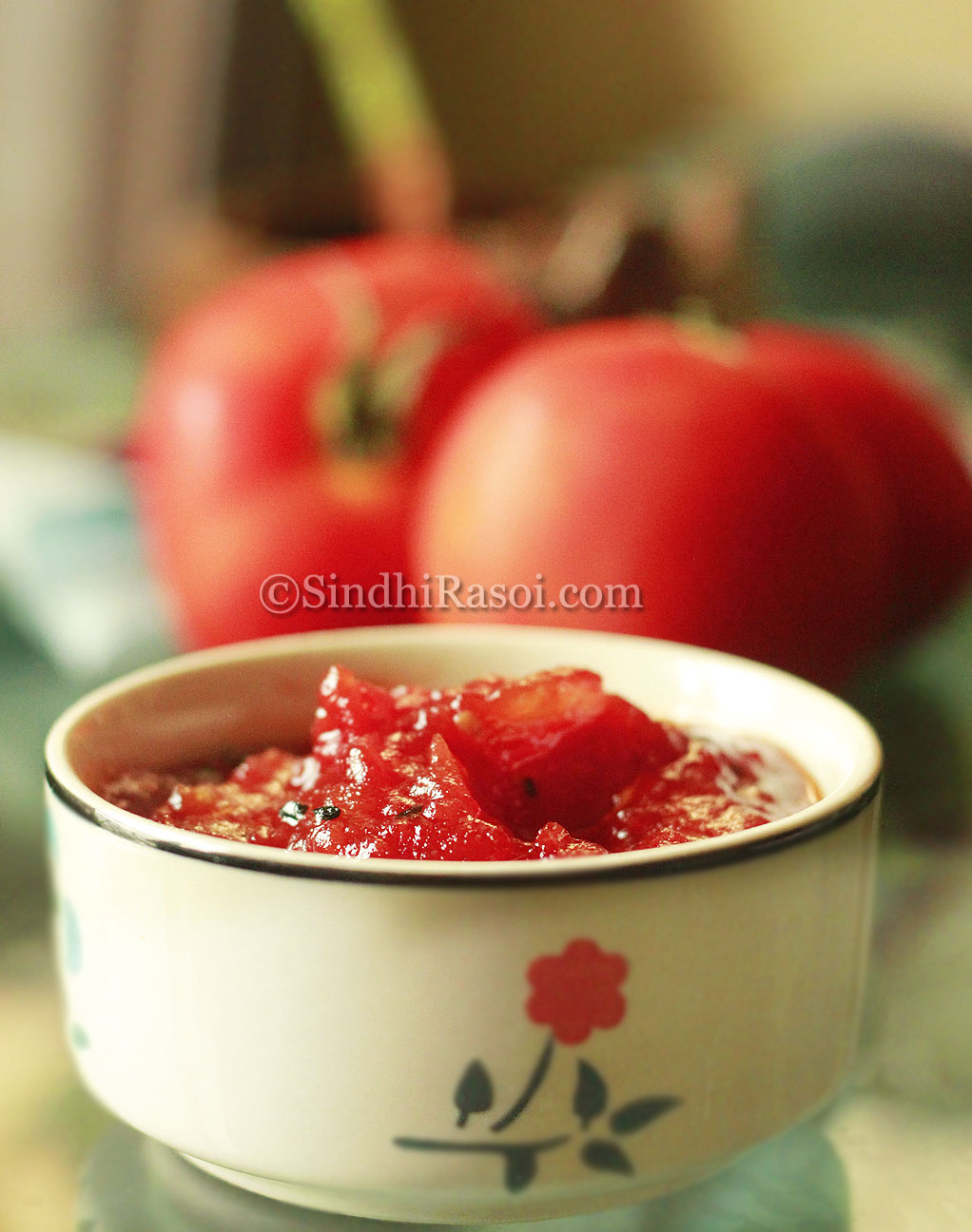
Chap Chatni (Chap-p chutney)… the name itself evokes a wave of nostalgia; of the times when sneaking out of the school gates to buy eatables during the recess (lunch break) was common. The carts loaded with seasonal Indian berries (Remember Ber/ Hiramoti?), cucumber, raw mangoes, fresh tamarind, starfruit etc would be buzzing with the kids buying stuff in a hurry. Of course there were Vada paos, Samose, Barf gola (Chuski), lemonade etc that our moms never approved of but were still bought with our ‘barely existing pocket money’! You can read more about the childhood memories of food sold outside…
-
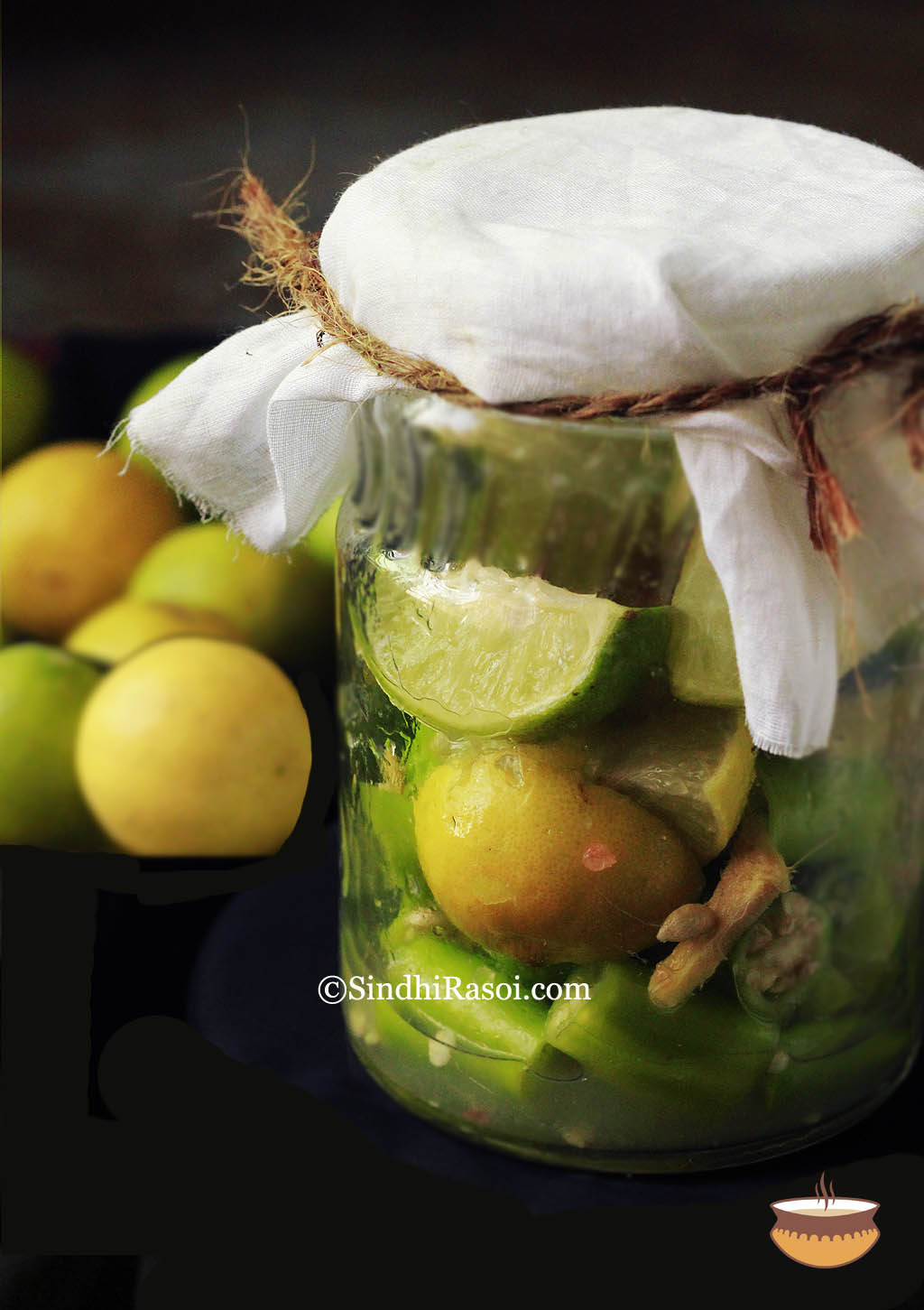
The 23rd letter in Sindhi Alphabet (AlifBe) is ذ i.e ज़ in Devanagari and in Roman Sindhi it is Z as in Zebra ! Ideally this Z i.e ذ is used in words that are not of Sindhi Origin. This Z is known as ‘Zaal‘ and is used in words like ‘Zaro‘(means ‘little’) or Kaagaz (Paper). Since no Sindhi Vegetarian dish starts with this particular Z (There are 3 more ‘Z’s in Arabic Sindhi) I was about to skip this one . But I realised that there is one traditional Sindhi pickle called ‘leemun Ji Khatain~’ (Lemon/lime Pickle) made using…
-
In my first post of AlifBe series I have mentioned that the 52 letters of Sindhi Alphabet, known as AlifBe or Alaph Ambhu, could be divided into sixteen basic shape groups. A short recap: ا (अ/A) is the only alphabet in first shape group! ا as in ‘Attack’ or ا as in Atte Ja Ladoon The following 9 alphabets come under the second basic shape group characterised by a boat shaped base with varying numbers and positions of dots. Also kindly note that different literary authorities follow a slightly different sequence of these alphabets. ب (ब/B) as in Baby or as…
-
We are now at the 8th alphabet in The AlifBe series! AlifBe of Sindhi Food is a series of blog posts where I proceed alphabetically, as per Arabic Sindhi Alphabet ( AlifBe) and I share a corresponding Sindhi Vegetarian dish, the name of which starts with the same letter of the alphabet. So not only we learn a new alphabet every time, but also the pronunciation of each consonant, recipe of a dish and some interesting facts too. I also share short videos about the formation of each consonant i.e how to write it in Arabic Sindhi. And if you…
-
The next letter in AlifBe for Sindhi food series is ڀ i.e Bh or भ as in Bharat or Bhutan. Please Note: If you don’t wish to read further but want to directly move to the recipe of Bheendi Pickle, then kindly click here! Else, do read on…… If you remember previous posts then you nay have noticed that except first alphabet ا (A), rest three alphabets covered so far ; ب (B), ٻ (B^), پ (P) have same basic shape while the number of dots vary! The fifth alphabet is formed using the same basic shape having 4 dots…