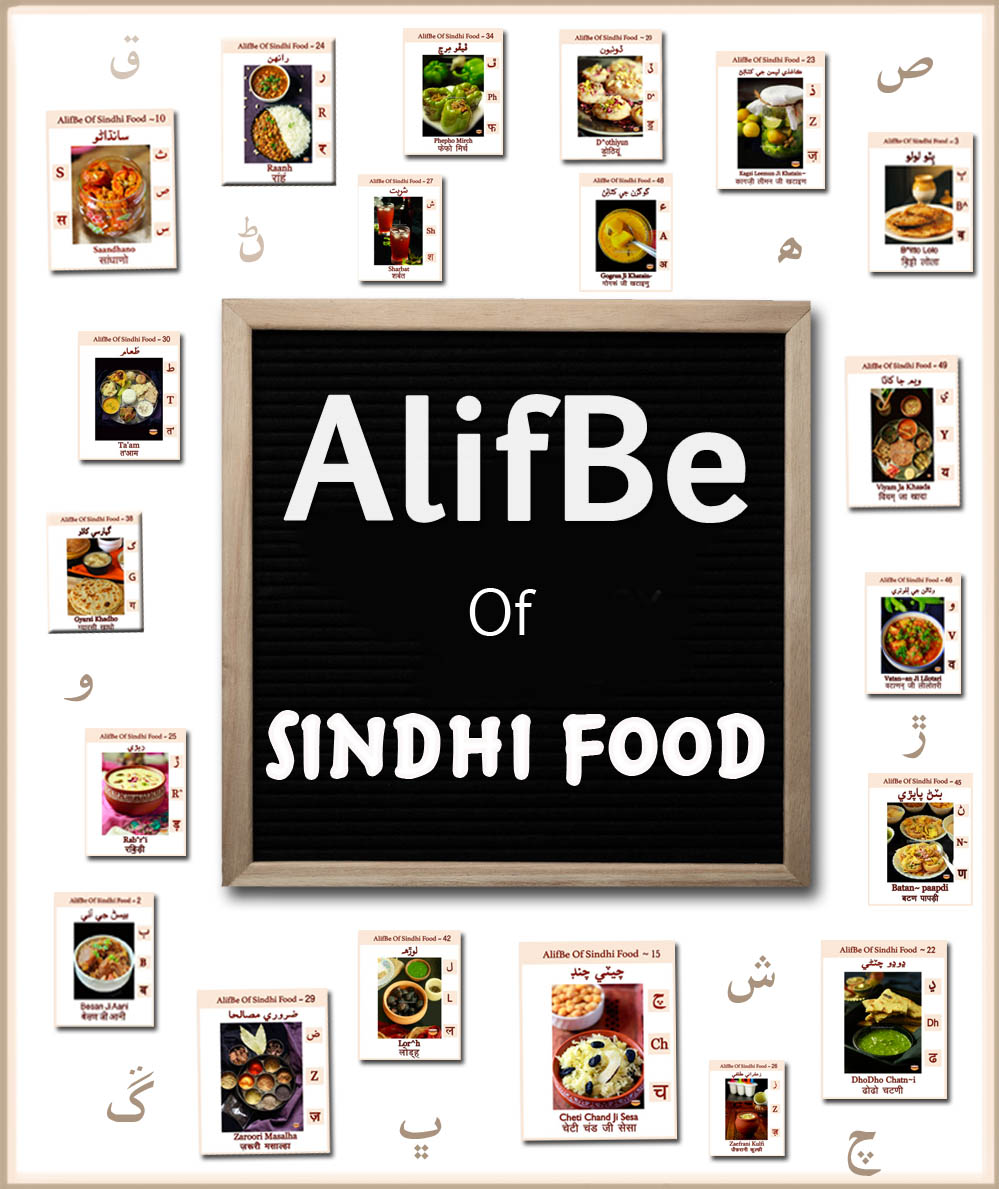
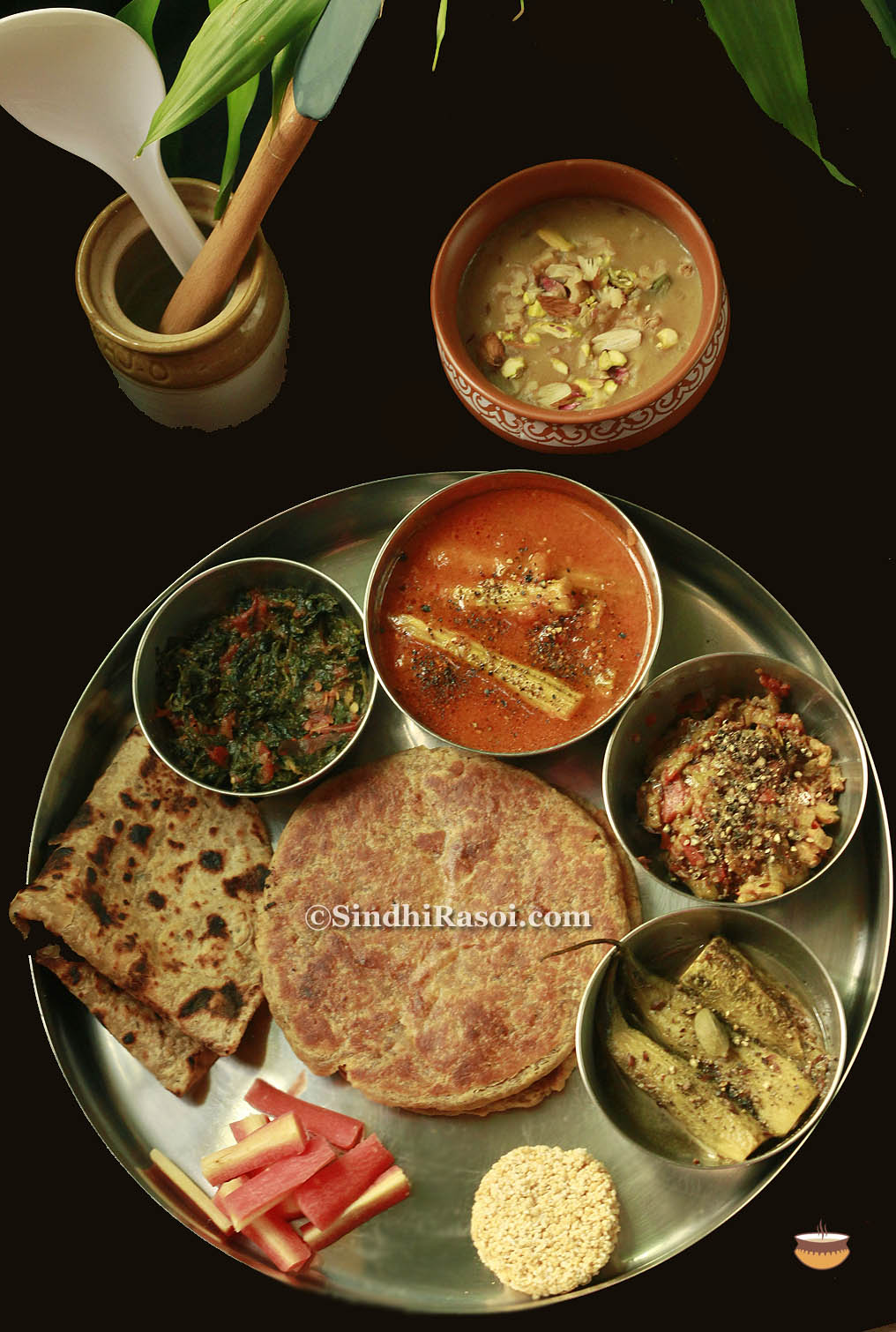
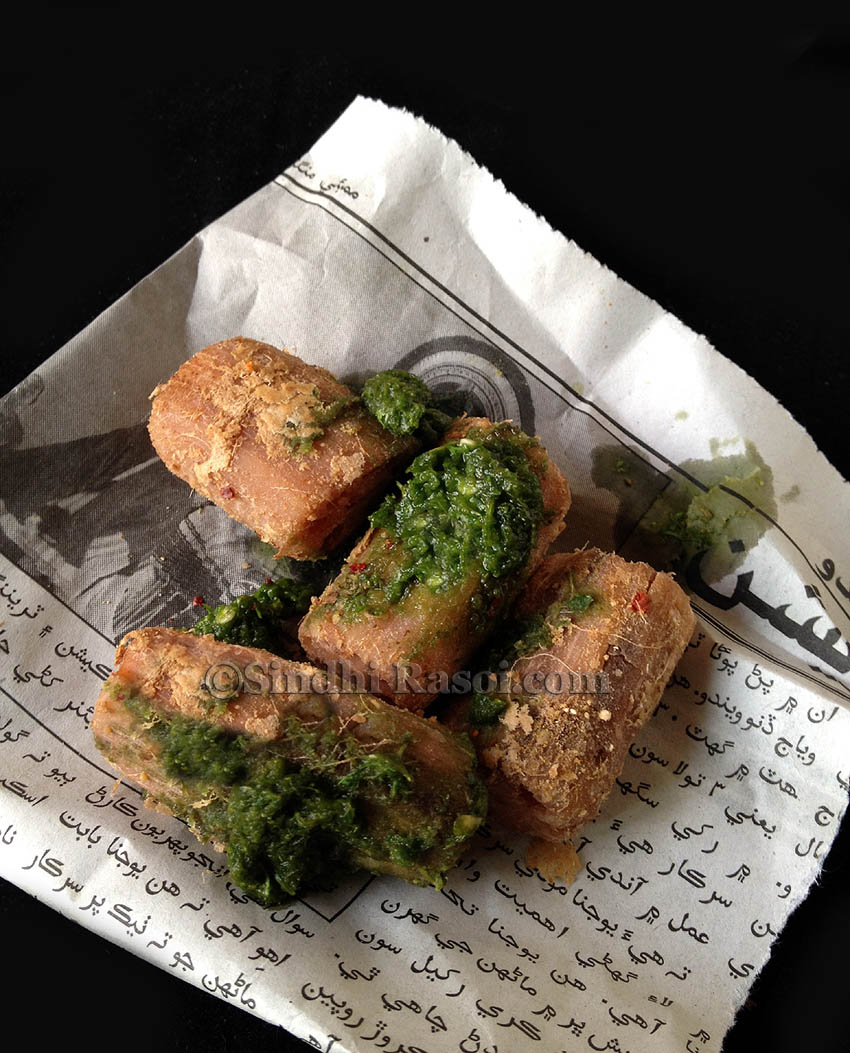
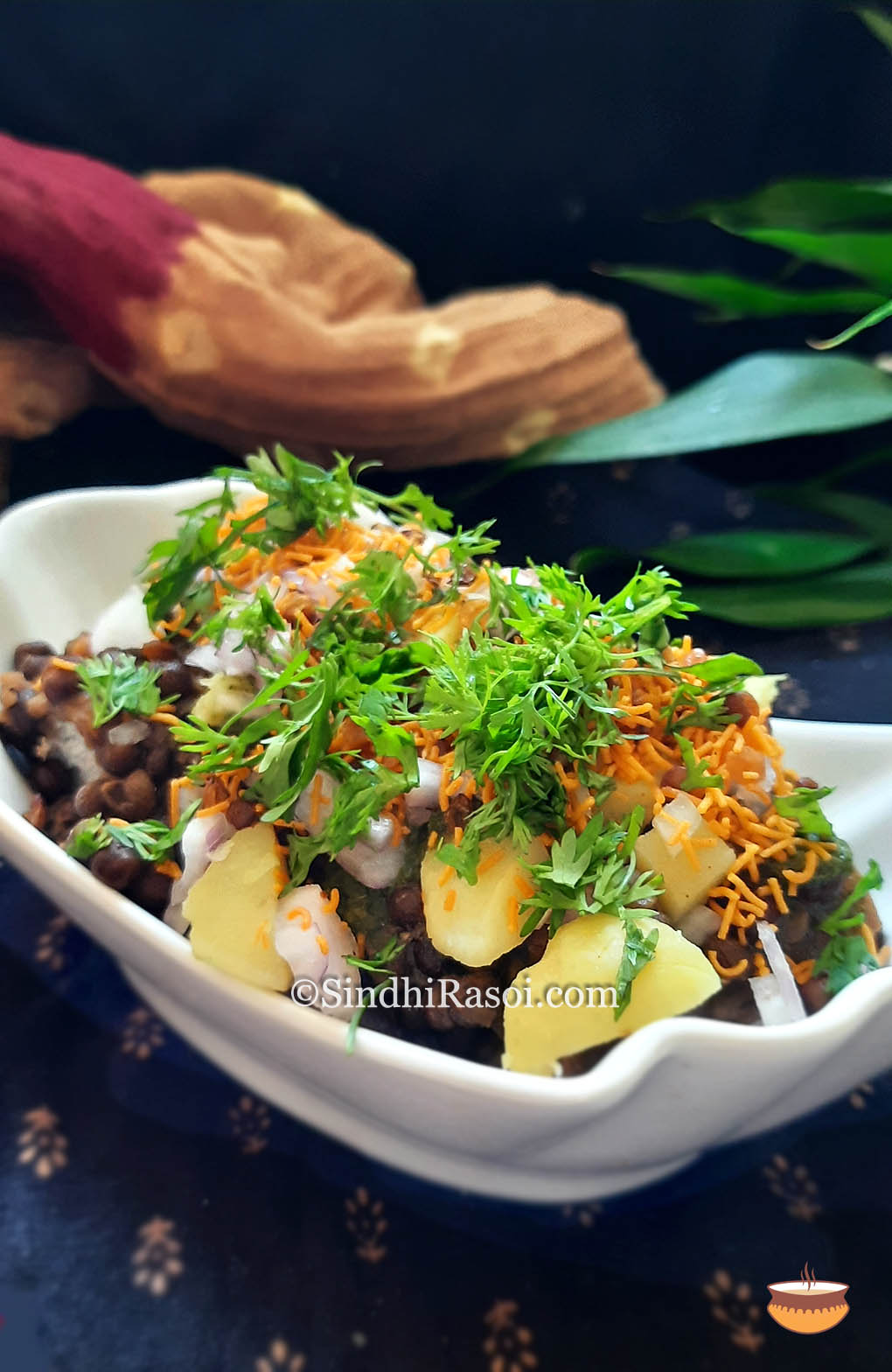
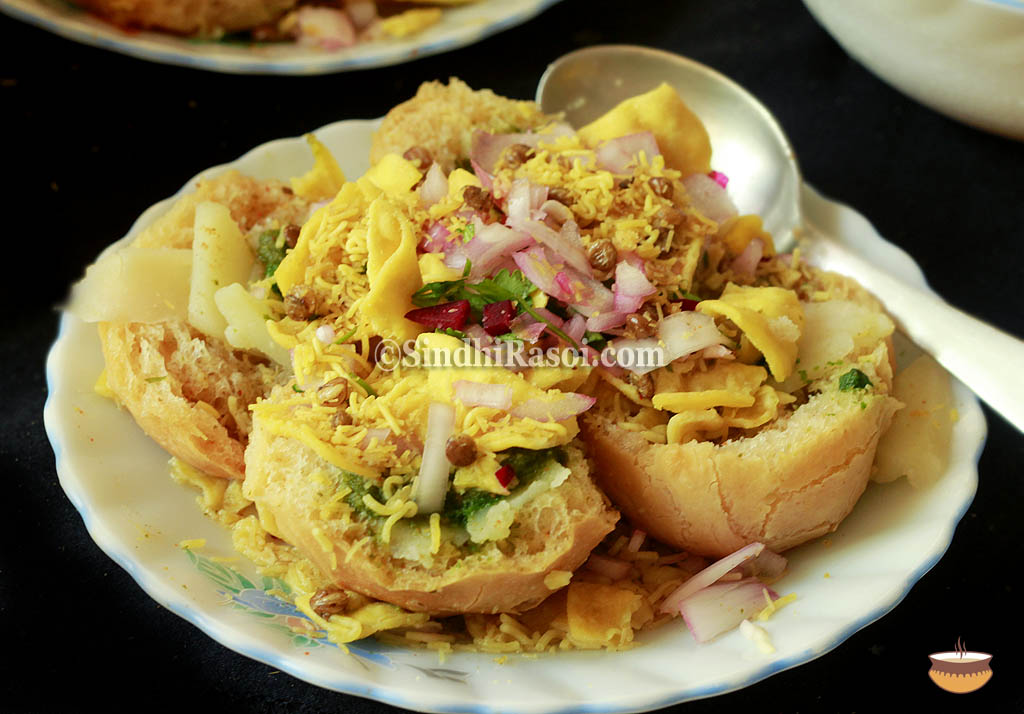
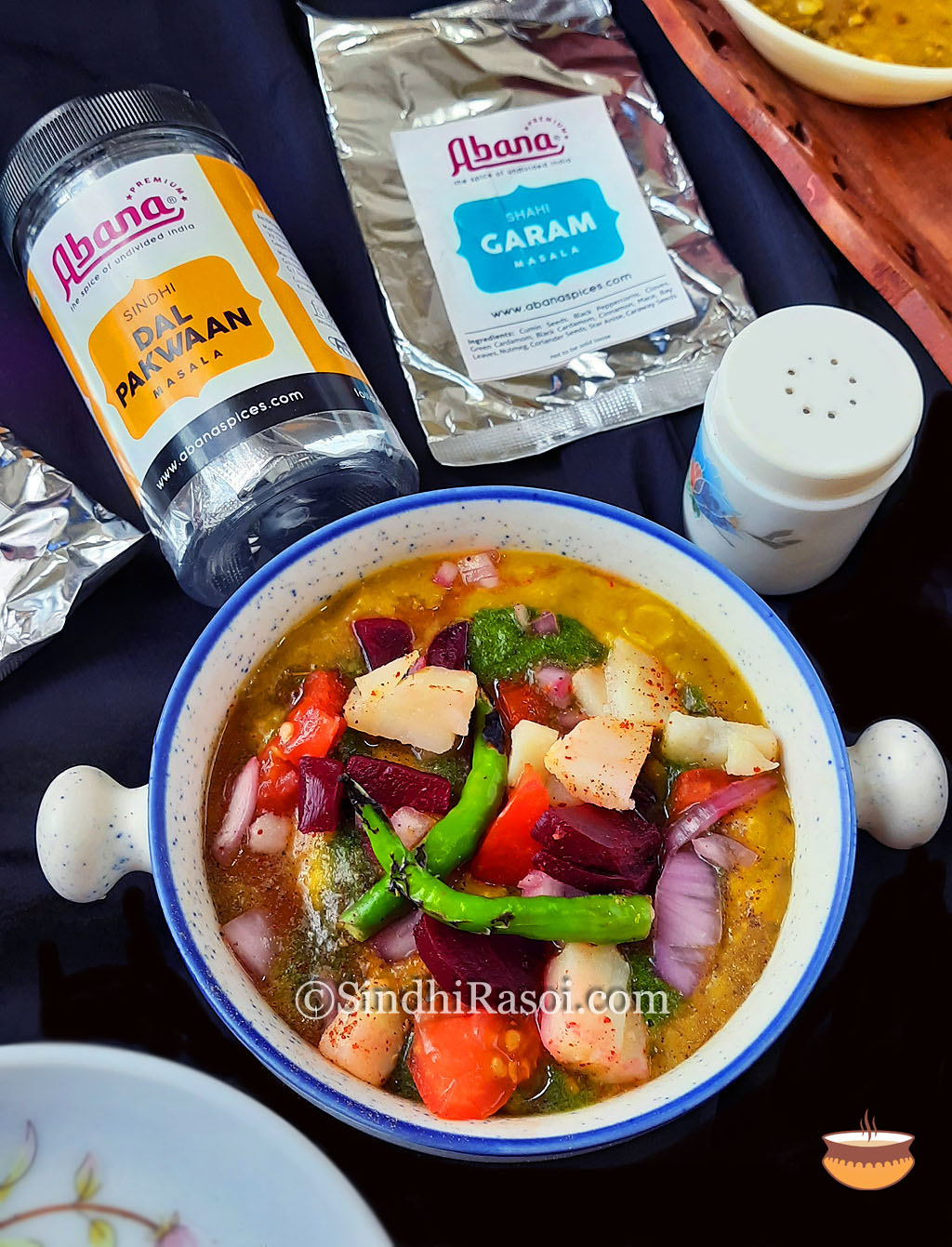
We have arrived at the 4th shape group in Sindhi Script with the 18th letter and it is د or ‘D~’ as in Daawat or as in Dehradun, in Roman Sindhi while द in Devanagari. To Check a recap for AlifBe series kindly click here ! The Sindhi dish starting with د is Dal Dimma or Dal mung! Folks from Sindhi populated areas might know how common it is for people to flock around the carts selling Dal pakwan, early mornings. Though traditionally Sindhi Pakwan is served with Chana dal, it is very common to find carts where you will get…
-
-
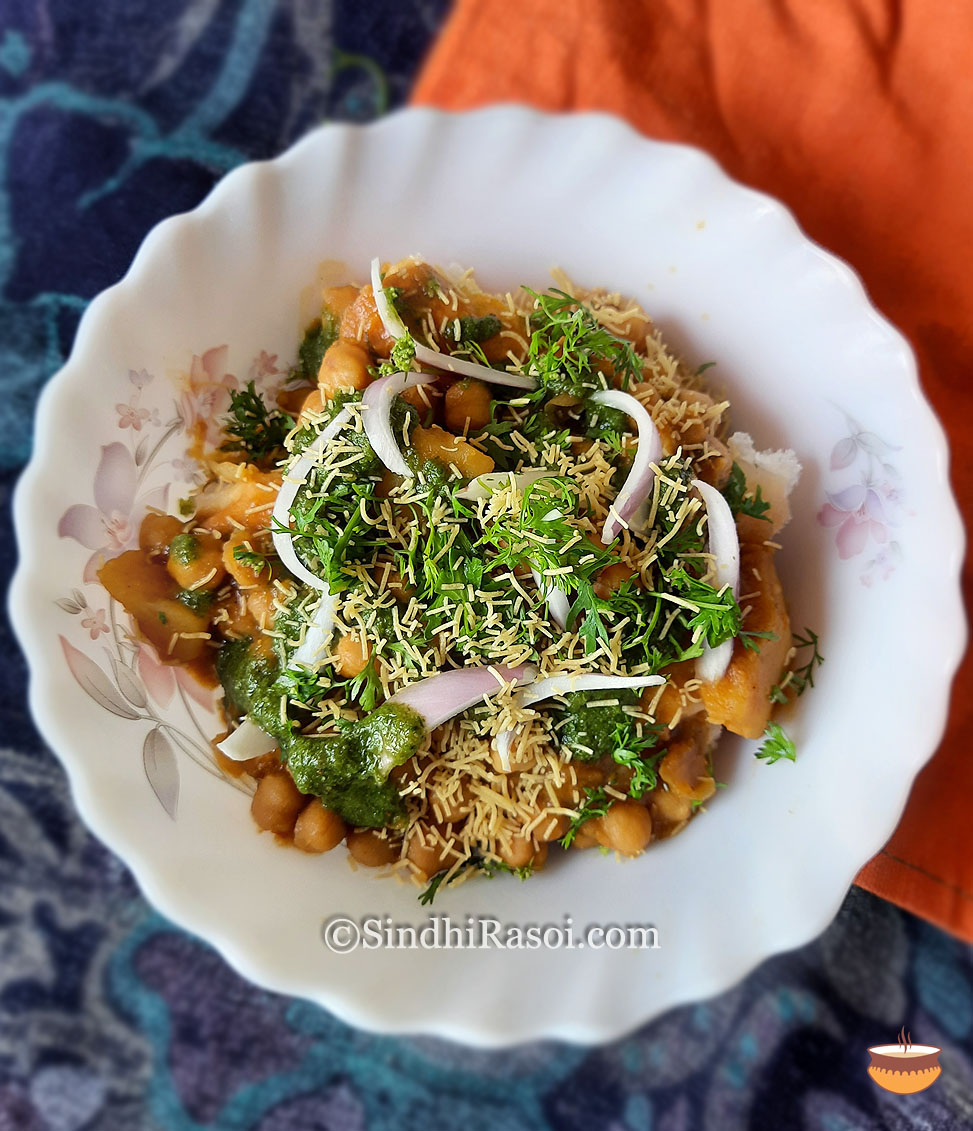
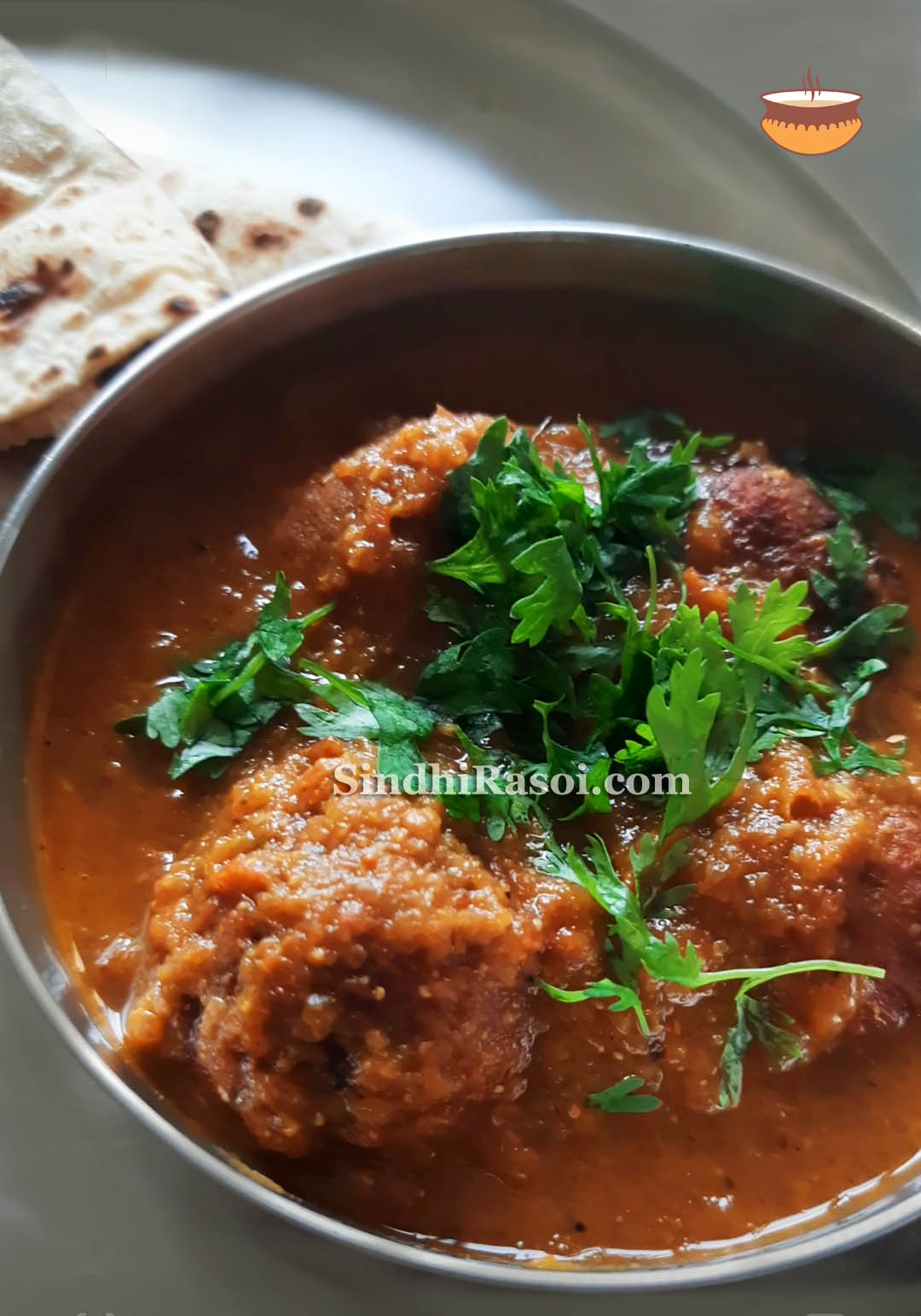
Chhola /Charaan i.e Kabuli Chana curry is a very popular dish in Sindhi cuisine and it is often had with rice, roti as well as with sliced bread and Pao (laadi paav) too. Sindhi style Chole (Chhole in Roman Sindhi) are made in basic onion tomato gravy style, though many cook it in just tomato gravy. No tea leaves are used (to give color) and also, traditionally, no chole masala (spice mix) is added. The curry gets its flavors from whole spices like Kamaal patt (Tej Patta), vadho photo (Black Cardamom) etc while tomatoes and tamarind (optional) provide tanginess. Few…
-
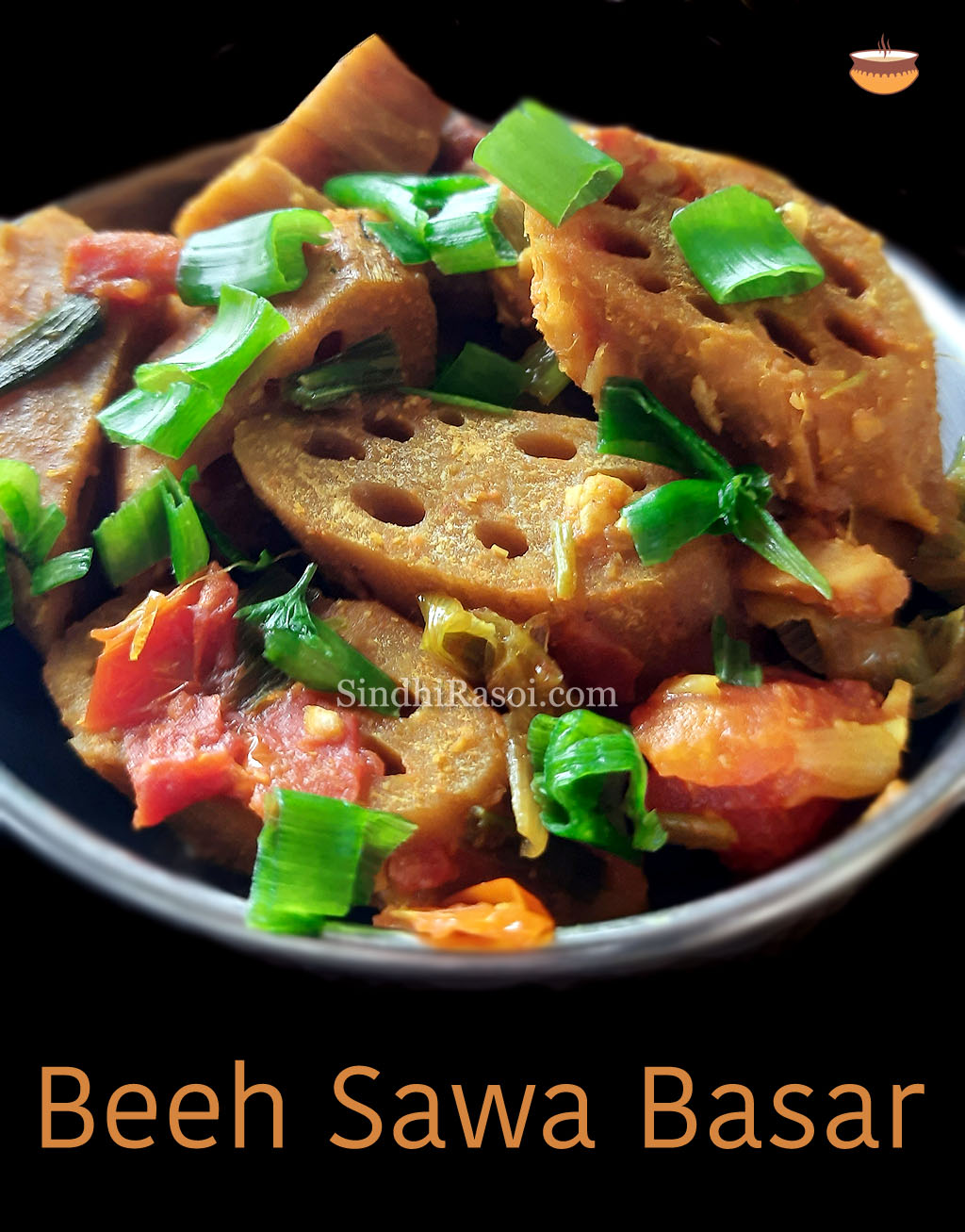
Apart from the quintessential Papad, pickle, Kadhi and Saibhaji, Sindhis are well known for their love for the lotus stem and they are the most avid eaters of this slightly nutty, mildly sweet, crunchy stem. Their insatiable appetite for Beeh is the reason that lotus stems are particularly found in markets in and around Sindhi populated areas. Beeh (Lotus stem), dhodhee/Pabhora (lotus seeds) and Lohr (corm) are the parts of Lotus plant that Sindhis eat with great relish. While our Beeh paalak is bit similar to Kashmiri Nadru paalak (Paalak nadir) and our gravy based beeh curries are similar to…
-
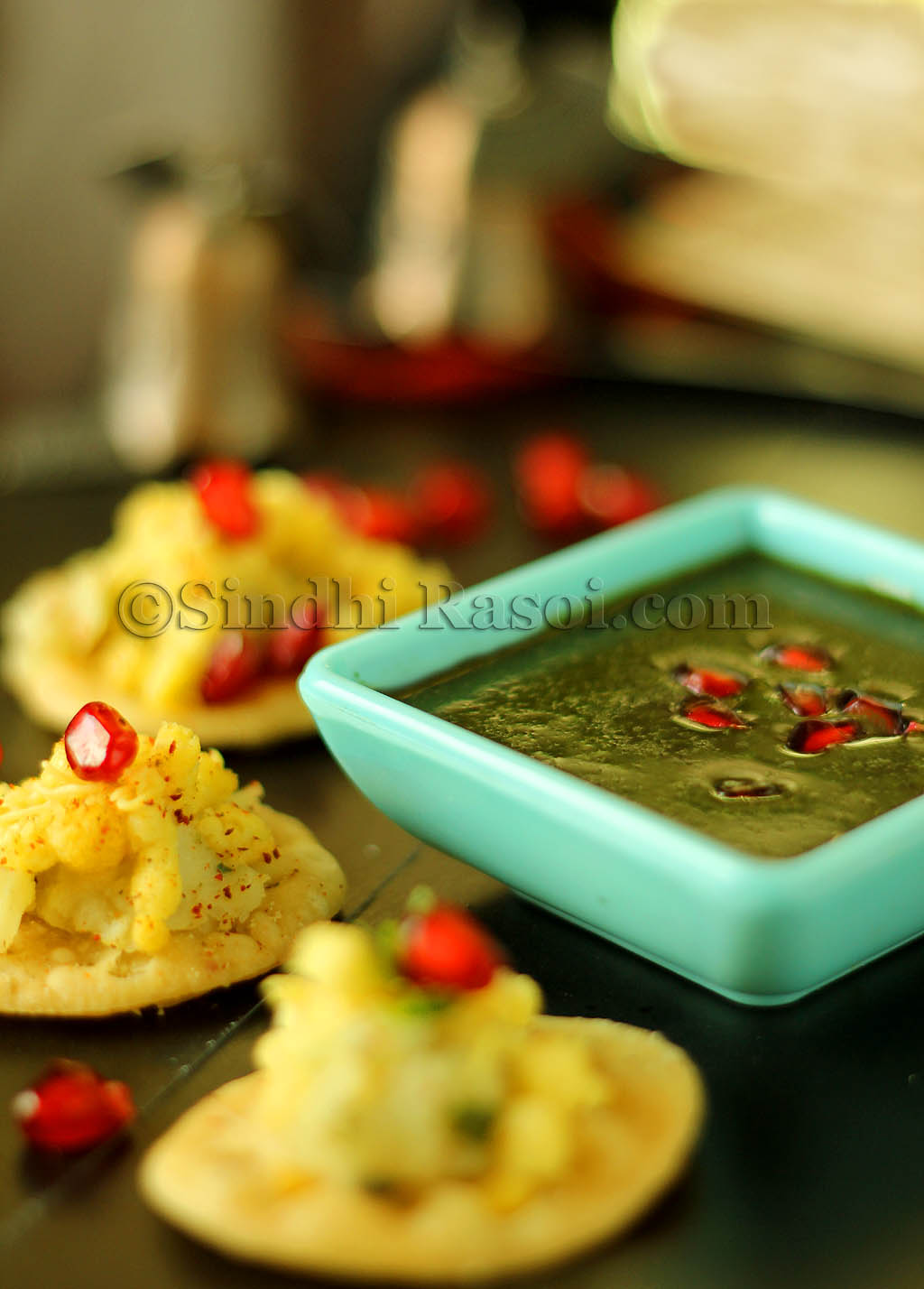
D^ar^oon or Pomegranate is yet another exotic ingredient used conventionally in Sindhi cuisine. Generally the dried seeds of Pomegranate, commonly known as D^ar^oon Khaata (Annardana) are used in popular Sindhi food like Koki , Sannah pakora, Tidali dal etc. But the chutney made from fresh pomegranate seeds is also served at many street food carts selling popular sindhi snacks like Pakora, samosas and even Panipuri. D^ar^oon Ji chutney has a very refreshing flavor imparted by fresh, juicy, sweetish, slightly tart pomegranate seeds and some earthiness from coriander leaves. The hint of minty flavor and aroma, and the heat of chillies, well…
-
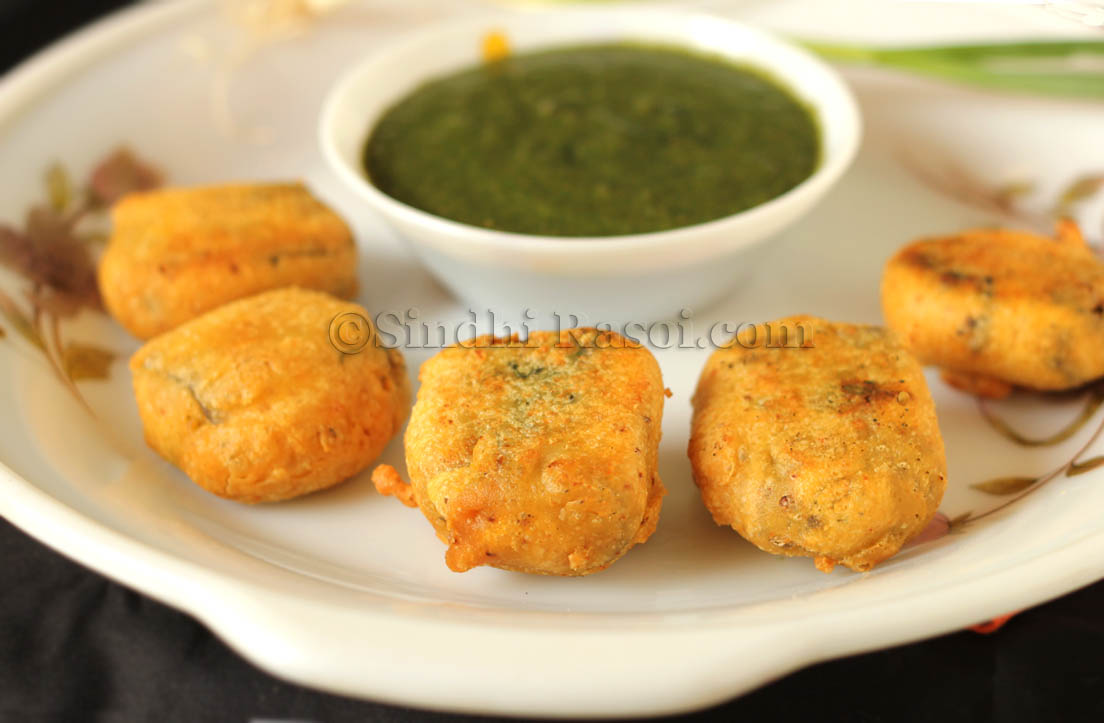
A Sindhi’s love for Lotus stem dates back to pre-partition era and our forefathers loved the nutty flavored, woodsy looking, stringy/hairy stem of Lotus flower so much that they started cultivating it here in India, around their homes, and hence this Lotus stem or Beeh is still found mostly in Sindhi dominated areas.Those who grew up in areas like Ulhasnagar, Chembur, Khar, Pune, Indore or such other Sindhi populated places, might have tasted, the stuffed Beeh tikki. A signature Sindhi snack, Beeha Ji tikki, is now hardly available in Sindhi eateries and is seldom cooked at homes. I still remember…
-
I often wonder, what it is that make certain food so evocative, decades later? The smell of besan being roasted, triggers the memories of my mother making Sindhi Kadhi on weekends. The sight of corn on the cob, being roasted on charcoal, reminds me of the monsoon evenings, when a lime with salt and chili powder rubbed over a hot corn on the cob, would turn it into a most delightful after- school snack. The luscious mulberries, takes my mind back to those vacation days, when me and my cousins would climb on the half wall to pluck the juicy…
-
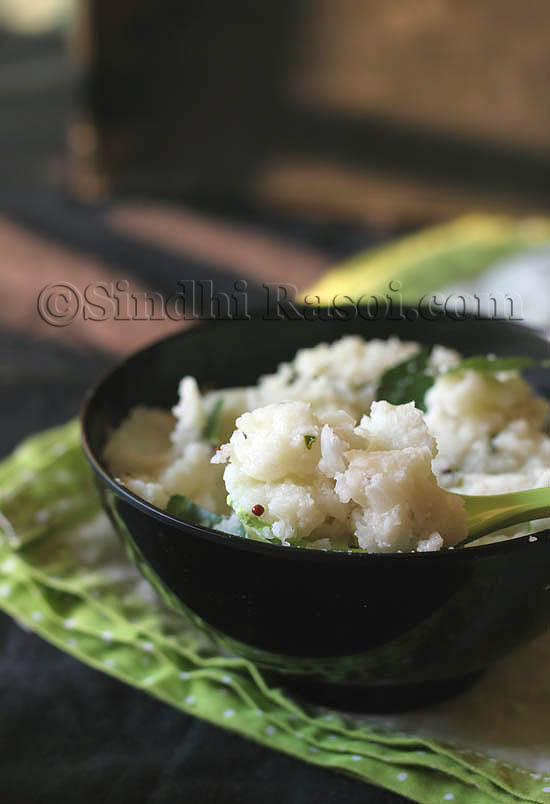
Kirng or Samo seeds rice is often used in India to cook ‘fasting foods. Also known as Bhagar or Moraia , Samo seeds are a kind of wild rice (seeds), hence named as ‘Jungle rice’. Botanically known as Echinochloa colona, it is actually a weed growing in rice fields. Samo is widely used in India, to prepare rice, sweet porridge and Upma. The samo flour is also used to make unleavened flat breads and is generally consumed during fast, when one needs to avoid grains like rice and wheat. I cooked it as a regular upma, replacing semolina with samo…