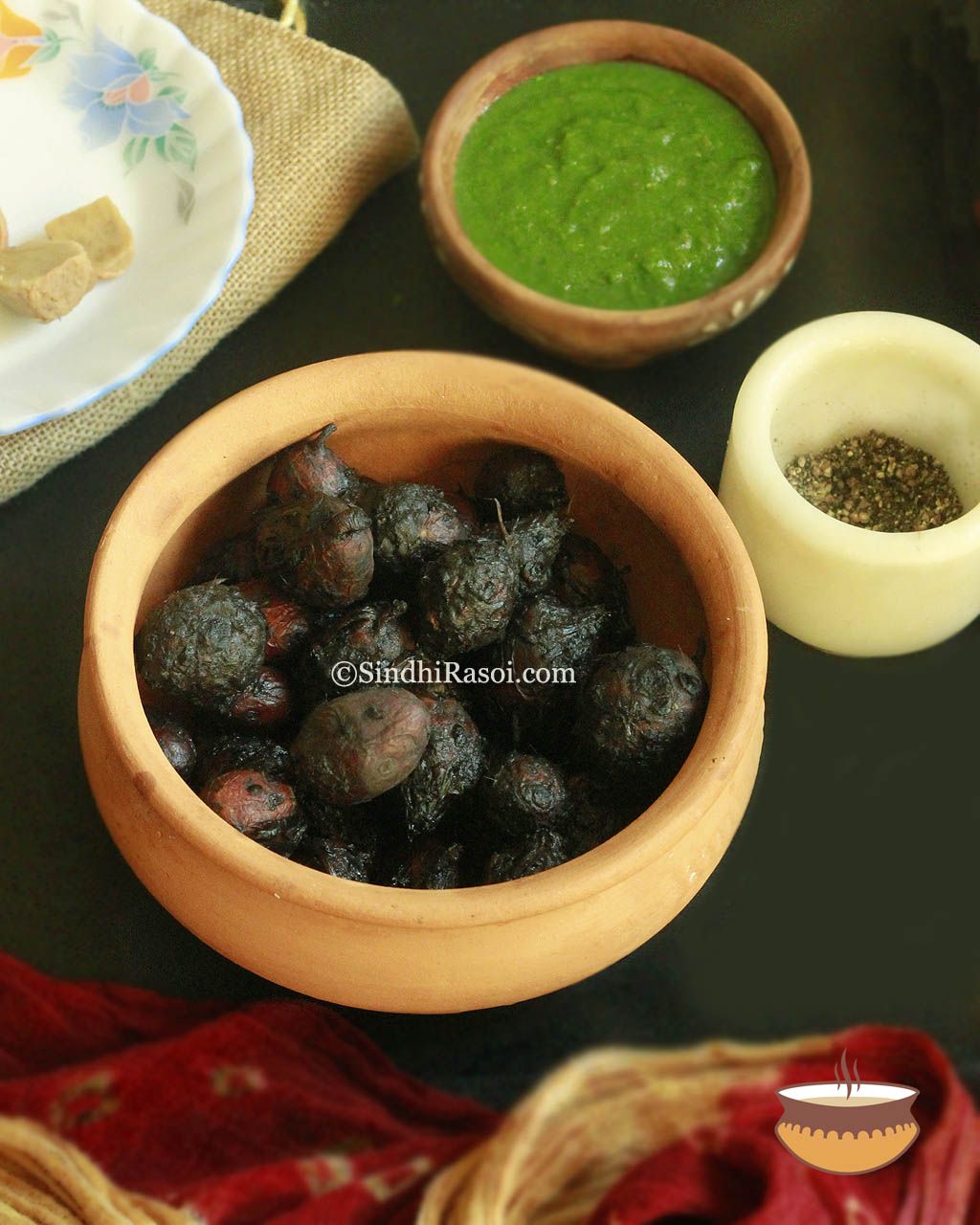
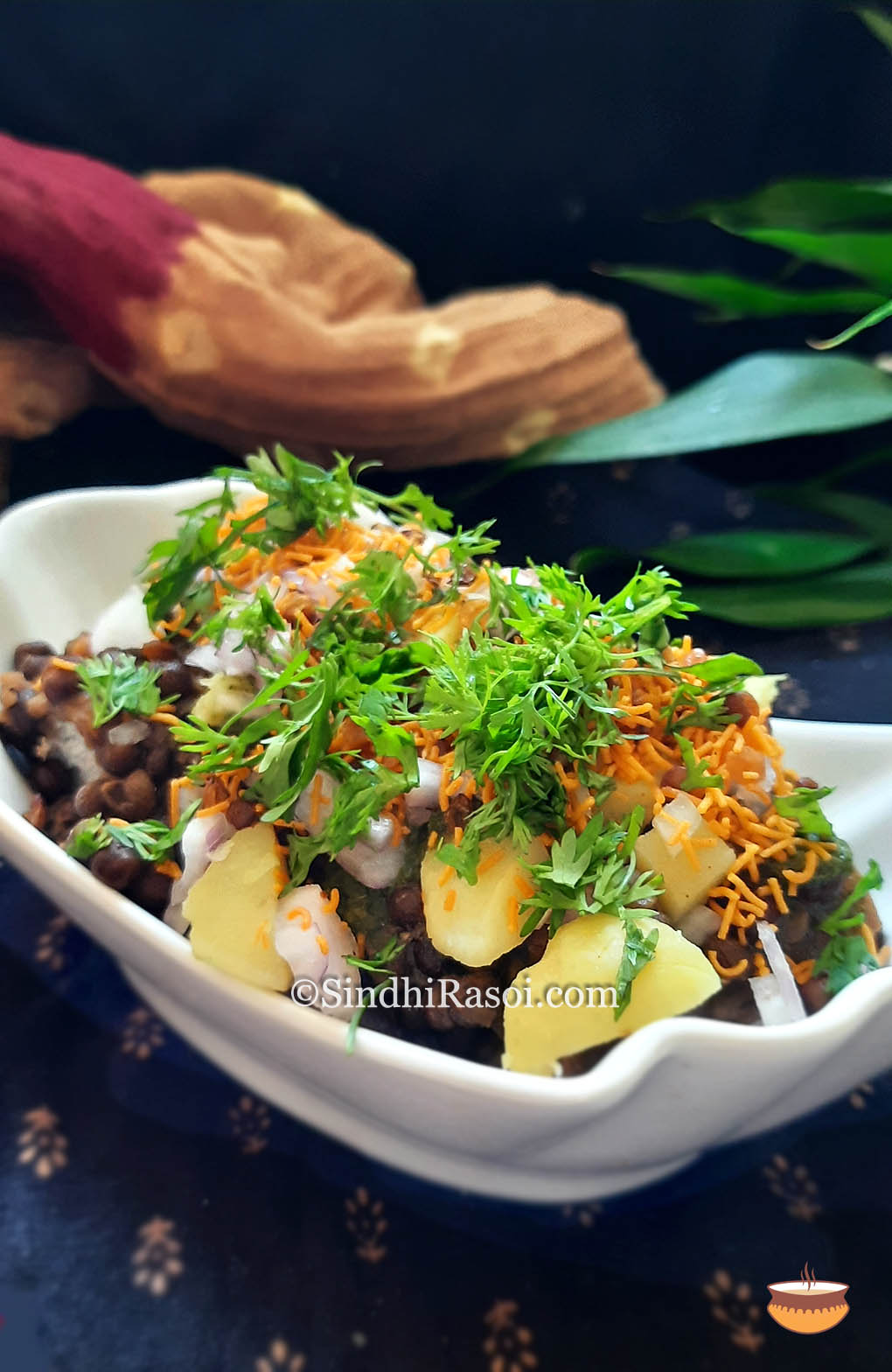
Matar Pao or the black vatana chaat is a classic street food dish from Ulhasnagar, my home town! It is made by cooking dried black peas (Kaala Matar/Vatana) with salt and water and the curry is generally flavoured with just pepper. A spicier version is made by adding garam masala powder by many vendors. The rustic flavours of the dish come from cooking vatana for longer duration, till soft and then by mashing some to make the gravy more thicker, homogenous and flavourful. Dried black peas take forever to cook and hence soaking these for 12 – 24 hours is…
-
-
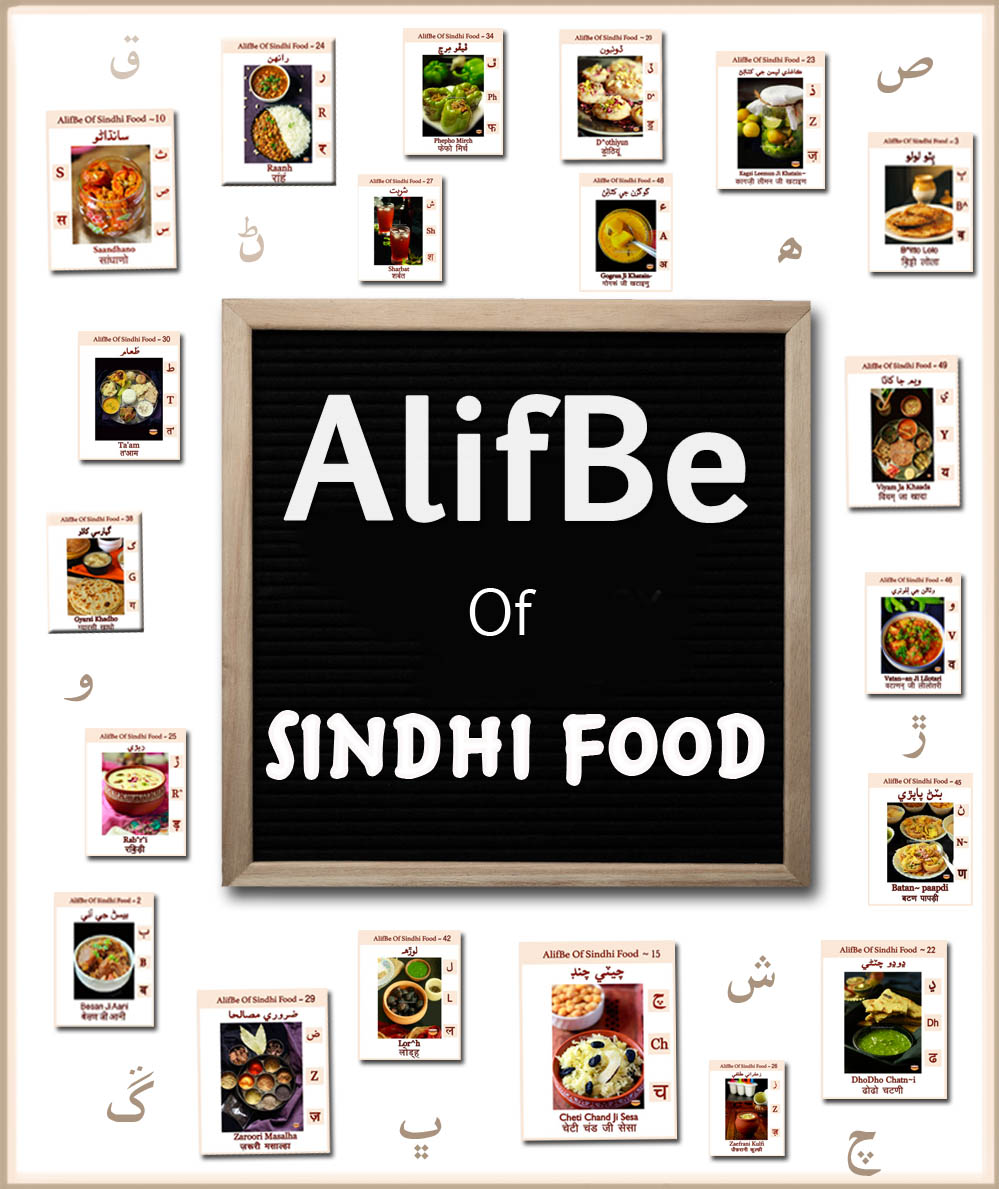
When I started working on my project about documenting ancient, traditional as well as lost recipes from Sindhi cuisine, a few years ago, the biggest challenge I faced was the lack of accessible information about the same. The limited documents that I could access, were in Arabic Sindhi, a script that I never could learn, despite of trying umpteen number of times, since my childhood. I felt stuck up. So the only way to move forward was to learn the Arabic script and to make sure that I don’t give up this time, I took up a challenge; The AlifBe…
-
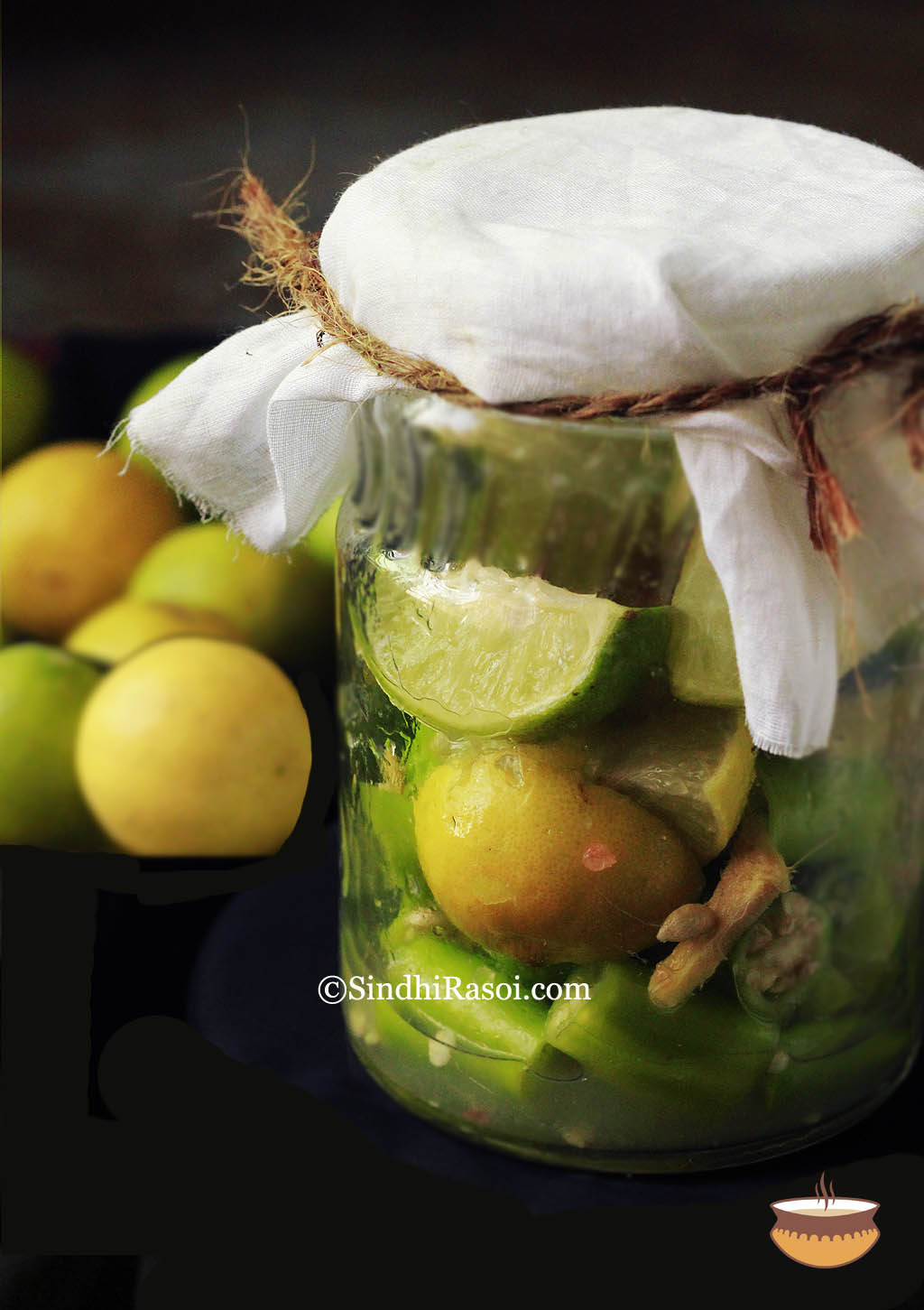
Want secret recipes of Batan Papdi Chutney and special Chaat masala? Do check the video recipe : AlifBe~ 45 The 45th Alphabet of Arabic Sindhi script is ڻ in Sindhi, ण in Devanagari and N~ in Roman Sindhi. In Hindi or Devanagari, no word starts with this particular alphabet. Same is the case with the Sindhi script and the ण appears in the middle or at the end of any word. In English it is generally denoted by ‘N’ as in Ramayan, Raavan, Brahman etc due to lack of proper corresponding alphabet for ण, in English. And I have picked…
-
Lor^h!! Lotus corms Not many of you might be aware of the Lor^h/Lor^hu/Lor^hiyun (लोड्ह/लोड्हु) from the Sindhi cuisine. Not many of you might have tasted the earthy, rustic Lor^h. Only a few of you may remember your grandparents or parents relishing these and I bet only a handful of you appreciate the flavours of these ugly looking corms (or bulbs) of Lotus plant. AlifBe # 42 The 42th alphabet of Arabic Sindhi script is ل in Sindhi, ल in Devanagari and ‘L‘ in Roman Sindhi. When I first made the list of dishes for the AlifBe of Sindhi food series,…
-
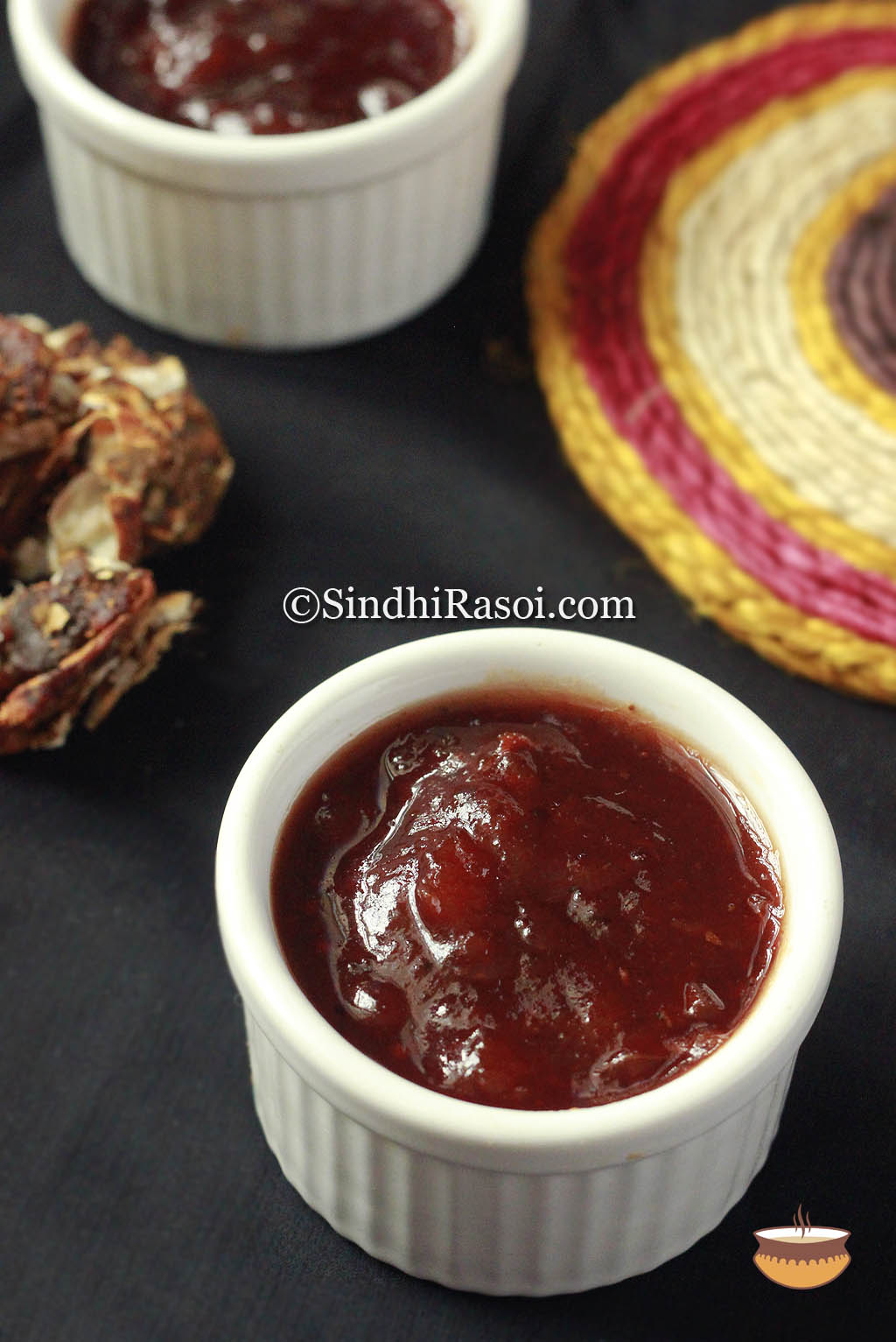
Chap Chatni (Chap-p chutney)… the name itself evokes a wave of nostalgia; of the times when sneaking out of the school gates to buy eatables during the recess (lunch break) was common. The carts loaded with seasonal Indian berries (Remember Ber/ Hiramoti?), cucumber, raw mangoes, fresh tamarind, starfruit etc would be buzzing with the kids buying stuff in a hurry. Of course there were Vada paos, Samose, Barf gola (Chuski), lemonade etc that our moms never approved of but were still bought with our ‘barely existing pocket money’! You can read more about the childhood memories of food sold outside…
-
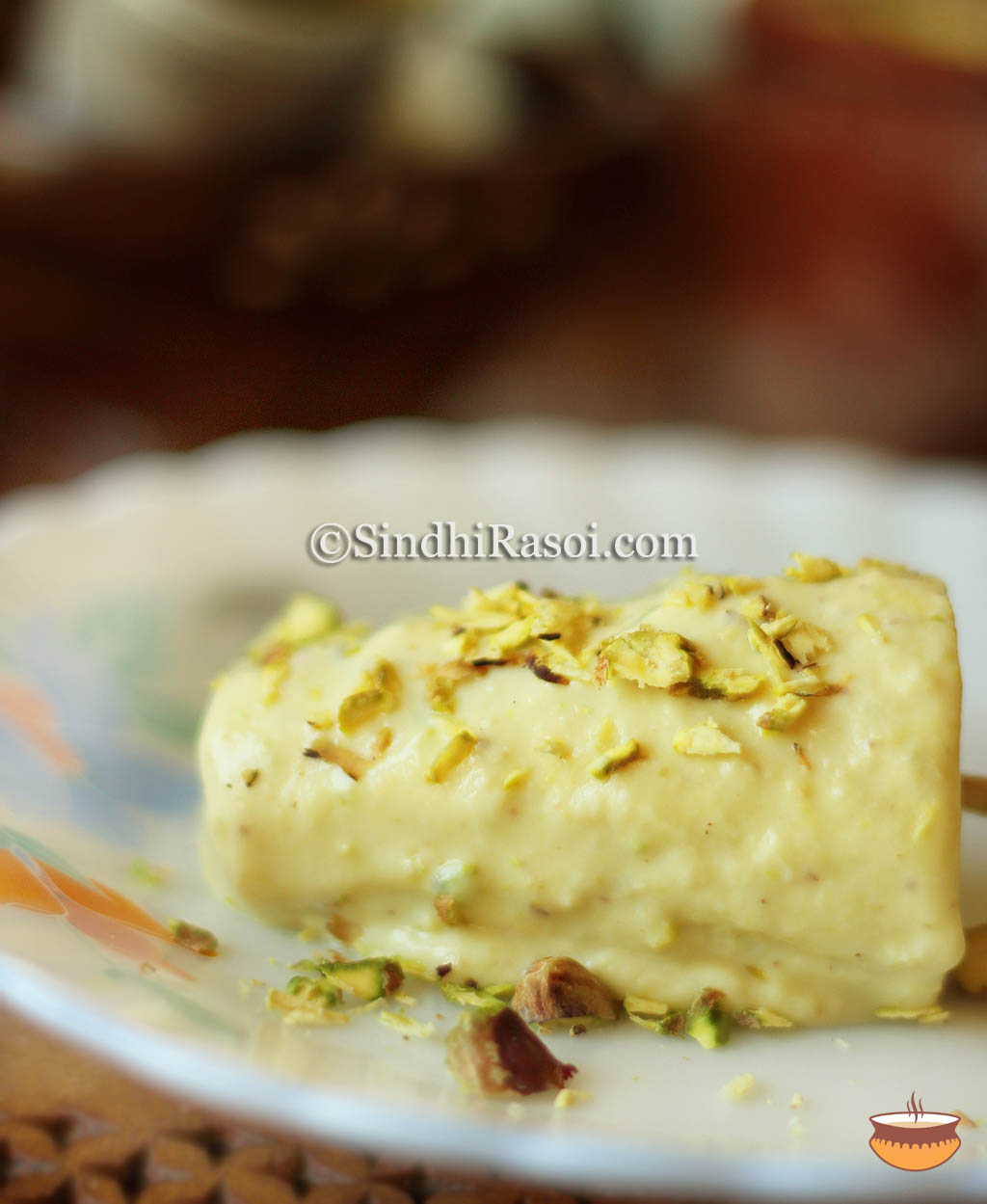
Long post alert: If you are interested only in the recipe then kindly scroll down to reach the recipe! If you are curious to know about saffron, its varieties and some interesting theories about Kulfi, then please read on! The 26th Consonant in Sindhi AlifBe is ز i.e Z in Roman Sindhi and ज़ in Devanagari. As mentioned in the earlier post, there are 4 different types of ‘Z’ used in Sindhi AlifBe. ذ as in Zaro (Little ), (ज़/Z) ز as in Zanzeer (Chain/shackles) (ज़/Z) ض as in Zaeef (Feeble) (ज़/Z) ظ as in Zalim (cruel/merciless) (ज़/Z) Kindly note…
-
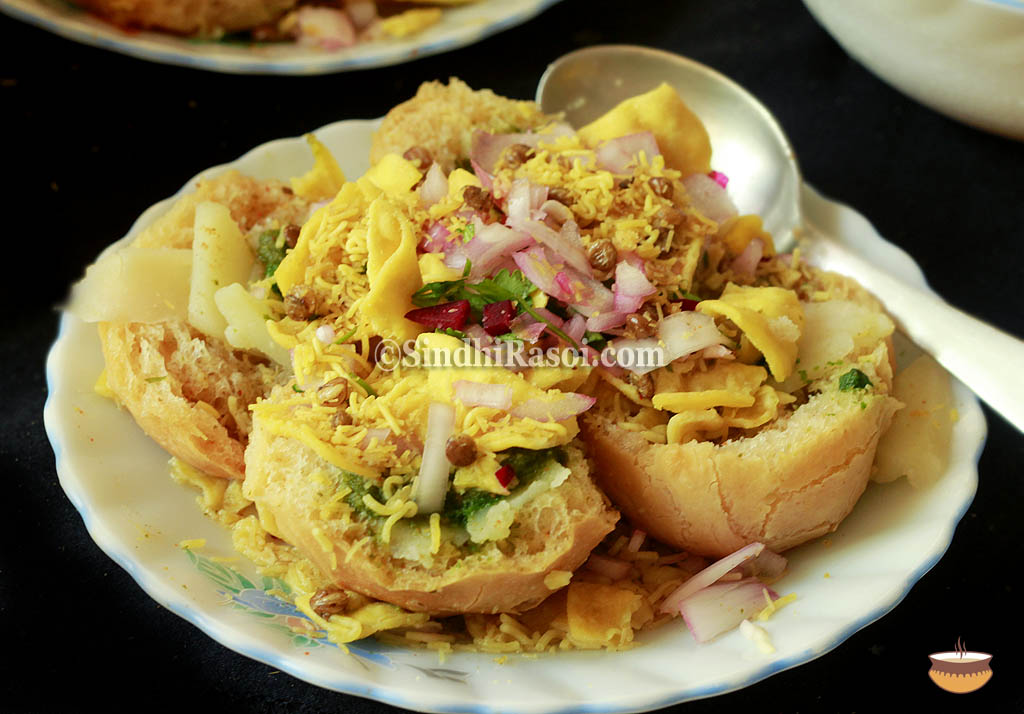
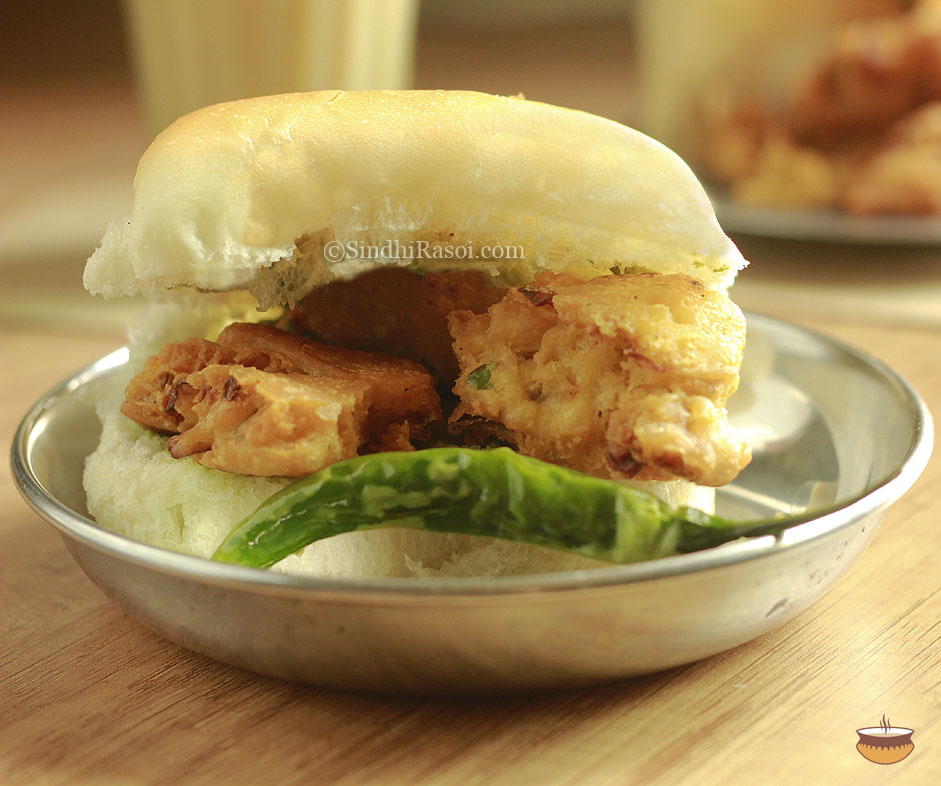
Alifbe of Sindhi Food, the series about A-Z of Sindhi food is now at the 21st letter; ڊ or D in Roman Sindhi and ड in Devanagari ! D as in Daddy, Dairy, Daily etc! And I couldn’t help but pick one of the most popular Sindhi street foods, the Dab^al Pakor^a (In Roman Sindhi) or Dabal Pakora (Pakora pao/sandwich) for ڊ ! The term Dabal is used for Double roti which could mean Pav/Pao or even the sliced bread, in Sindhi! Bread is being commonly used in Sindhi households since past many decades (probably even before the Partition happened)…