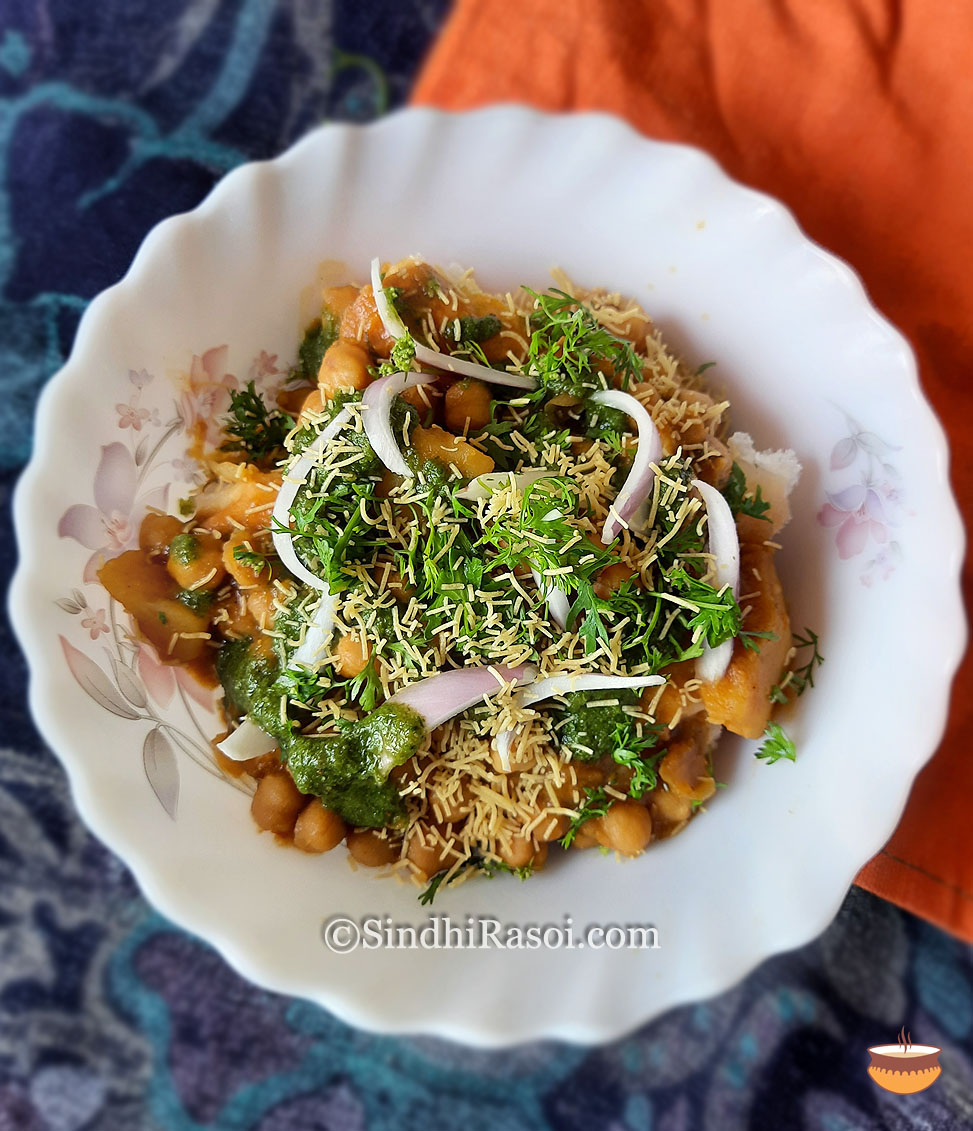
Chhola /Charaan i.e Kabuli Chana curry is a very popular dish in Sindhi cuisine and it is often had with rice, roti as well as with sliced bread and Pao (laadi paav) too. Sindhi style Chole (Chhole in Roman Sindhi) are made in basic onion tomato gravy style, though many cook it in just tomato gravy. No tea leaves are used (to give color) and also, traditionally, no chole masala (spice mix) is added. The curry gets its flavors from whole spices like Kamaal patt (Tej Patta), vadho photo (Black Cardamom) etc while tomatoes and tamarind (optional) provide tanginess. Few…
-
-
Third letter of #AlifBe i.e Sindhi alphabet is very interesting. The consonantal sound of this alphabet is used in only a handful-of languages spoken across the world like: Ega or the West African language spoken in South central Ivory coast or Vietnamese, Zulu etc if I am not wrong. The alphabet is ٻ and is written as B^ in Roman Sindhi. In English language the sounds of consonants are articulated when the air from lungs move outwards and hence such sounds are known as pulmonic sounds (Try saying A, B, C, D….and you will be able to relate). But in…
-
Long long ago when life was all about school, homework, friends, doll marriages, ludo, carom, skipping ropes, sibling fights and having crush on Bollywood stars, food was not a hyped fad and terms like Gourmet, Haute cuisine, Molecular gastronomy, were unheard of. Eating out was a luxury strictly indulged in, during Diwali and the family get- togethers meant a bunch of family members slogging all the day to prepare the feast. Festivals meant some extra cooking, little ahead of the D-day, to share food with friends, family and neighbors. Packaged food was nowhere in the scene and food was generally…
-
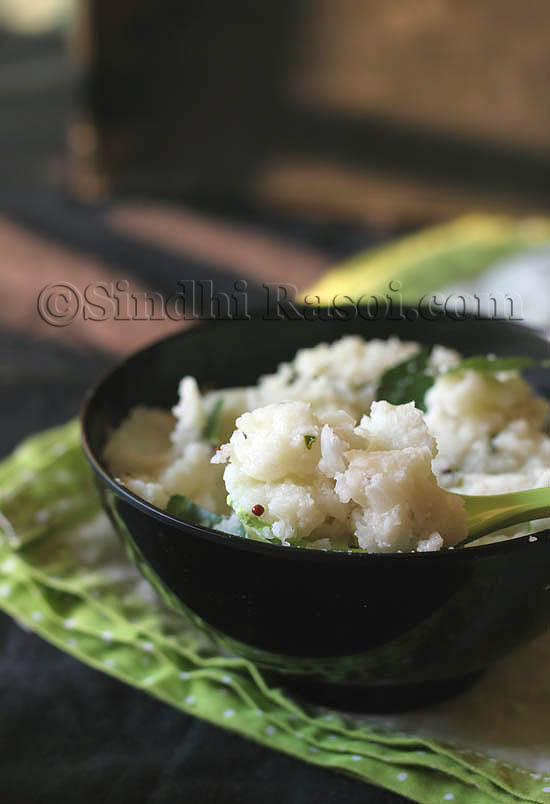
Kirng or Samo seeds rice is often used in India to cook ‘fasting foods. Also known as Bhagar or Moraia , Samo seeds are a kind of wild rice (seeds), hence named as ‘Jungle rice’. Botanically known as Echinochloa colona, it is actually a weed growing in rice fields. Samo is widely used in India, to prepare rice, sweet porridge and Upma. The samo flour is also used to make unleavened flat breads and is generally consumed during fast, when one needs to avoid grains like rice and wheat. I cooked it as a regular upma, replacing semolina with samo…
-
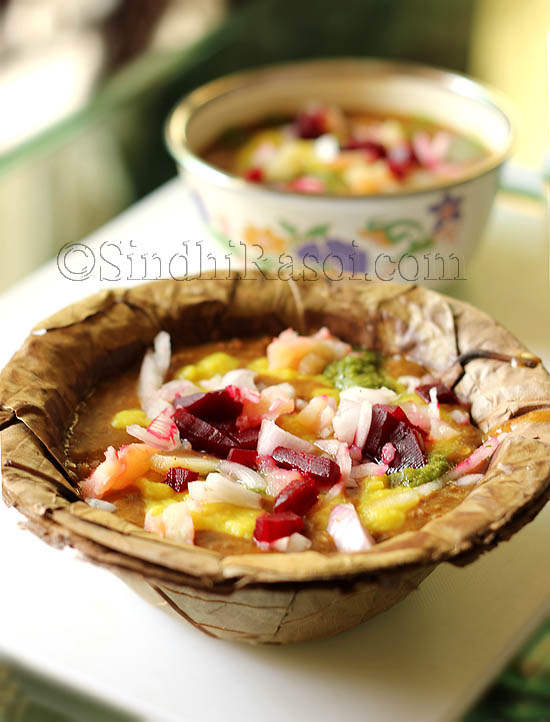
Dal Moth~ Many of you might confuse it with the snack Dal Moth (Farsan), but this isn’t it ! Generally Sindhis relish a hearty breakfast of Dal Moong and Koki, where Dal moong being yellow moong dal topped over whole green gram. Personally I find green grams bit bland and not much appealing to my palate. Technically too, I face a problem with green grams..if overcooked these turn slimy instead of creamy and if undercooked, the curry and moong stand separated and somehow the whole dish do not come together nicely. For this reason, I find Moth beans, known as…
-
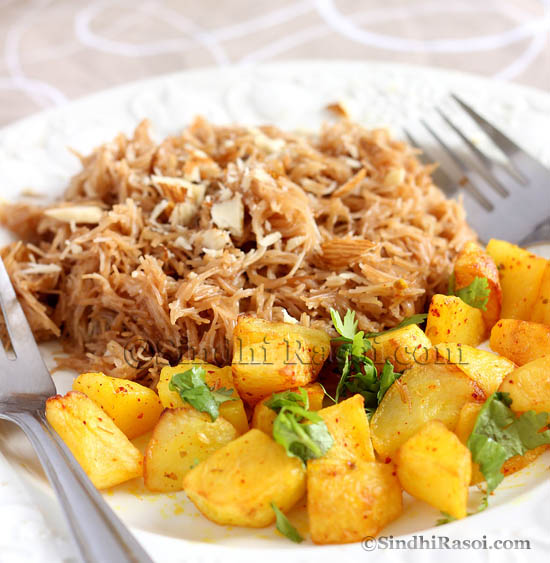
I can visualize many health conscious people, cringing at the food in the plate in above picture…but well yeah, Seyun i.e vermicelli cooked in desi ghee and sugar syrup, served with fried potatoes is relished by Sindhis for Breakfast.The sweet and savory flavors are a delight to eat, and though nothing much to say about the health (or unhealthy) quotient of this dish, I am not ashamed or afraid to say, I like this traditional combination of sweet sevaiyan with fried potatoes. Seyun Patata is almost mandatory to cook and offer to Brahmins during Shraadh (A Hindu ritual observed across…
-
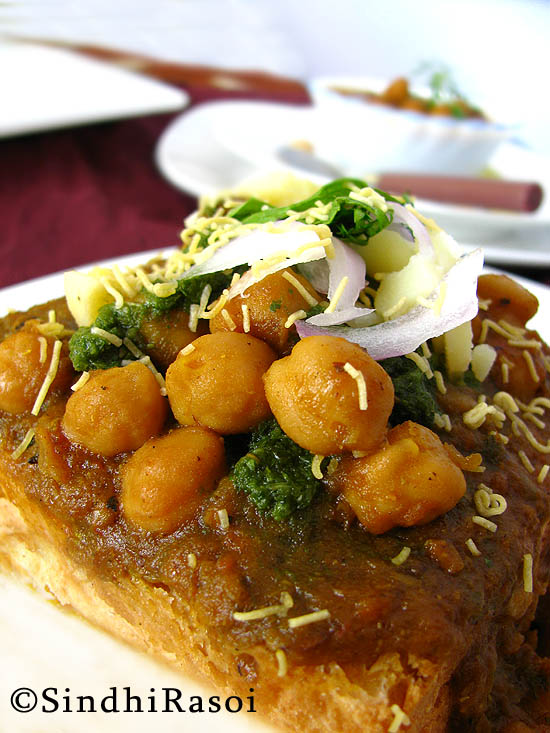
Many Sindhis begin their Sundays with a visit to roadside food cart for a hot, king sized, breakfast, fit to celebrate the holiday mood. The breakfast served on a lazy Sunday morning, at almost every nook and corner of Sindhi localities, happens to be either Dal pakwan, Dal moong, or else Chola Dabhal (Chola = Chickpeas or Garbanzo beans, and Dabhal = Bread). The cart selling this curry-bread, have a hot stove with a large Aluminum container, filled with Spicy garbanzo curry cooked in Indian style Onion and tomato curry, oozing with flavors of roasted Garam masala powder, arranged on…