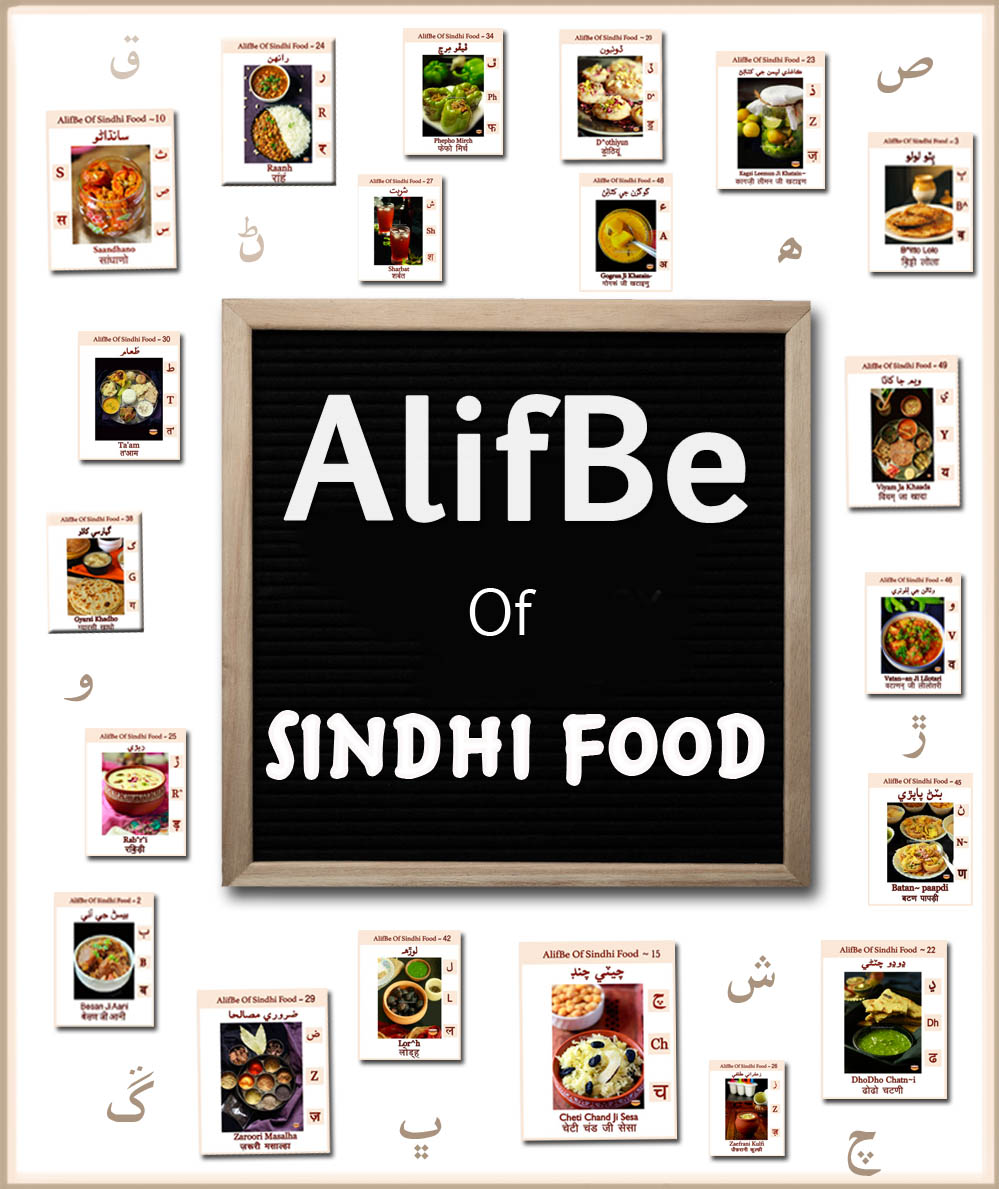
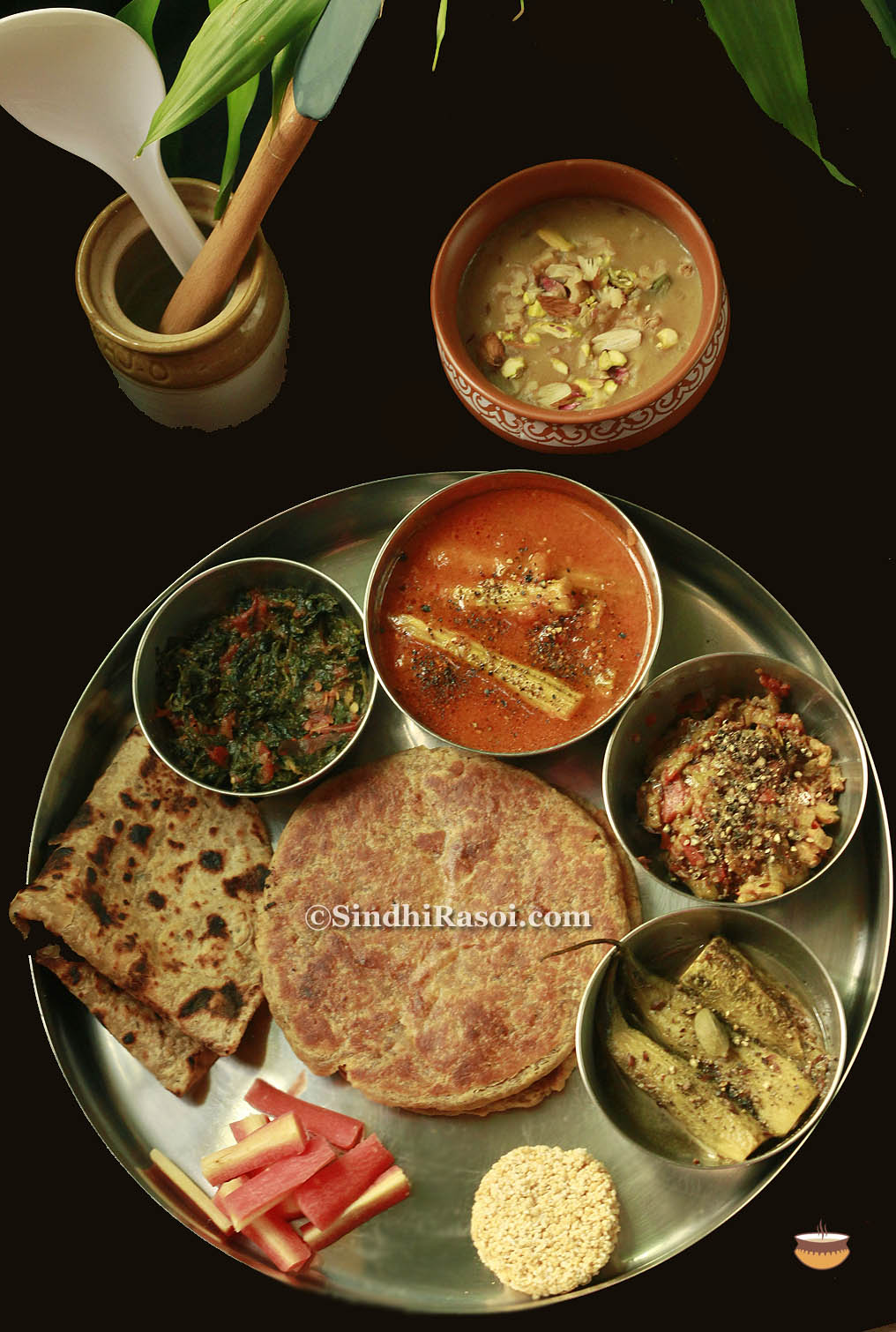
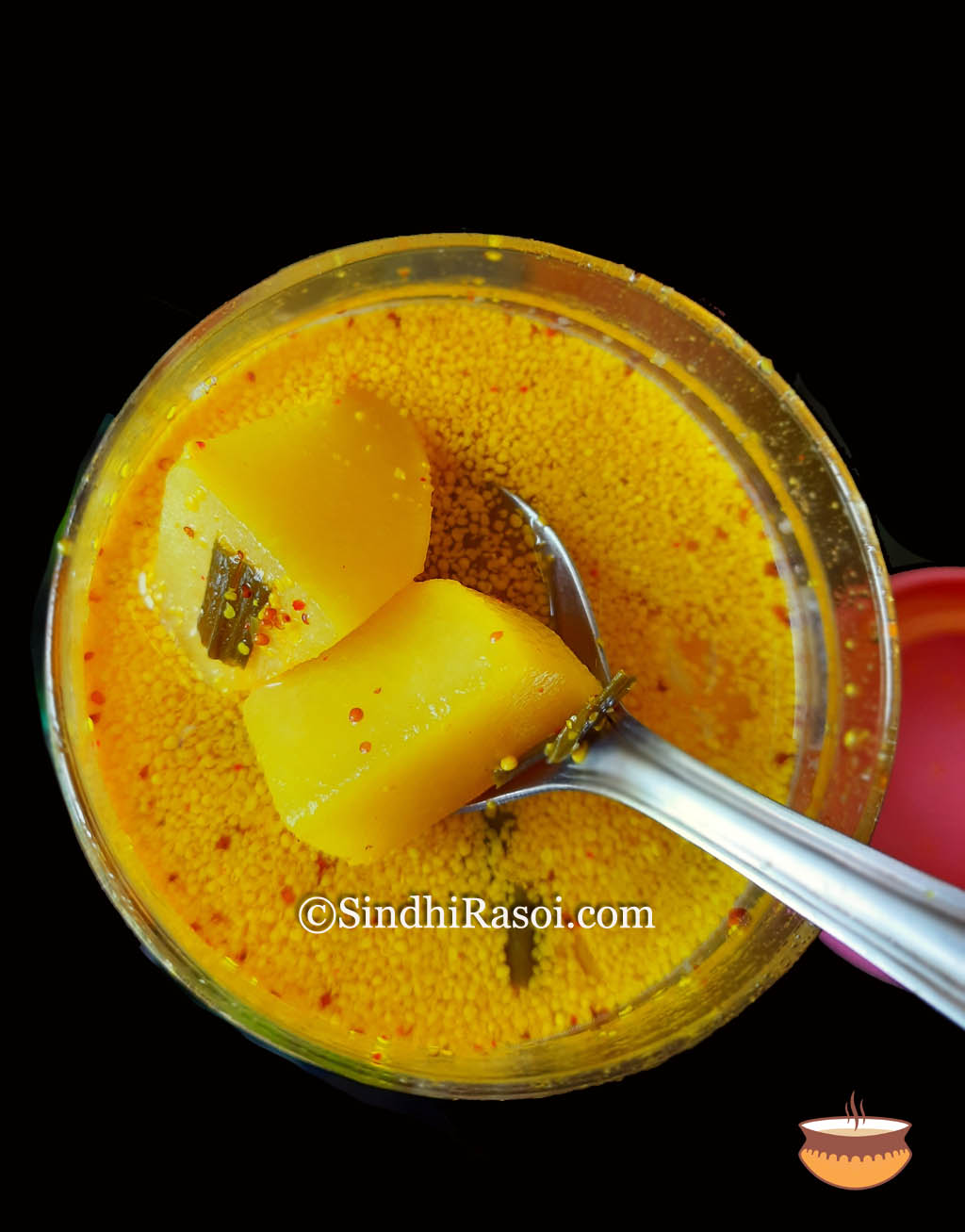
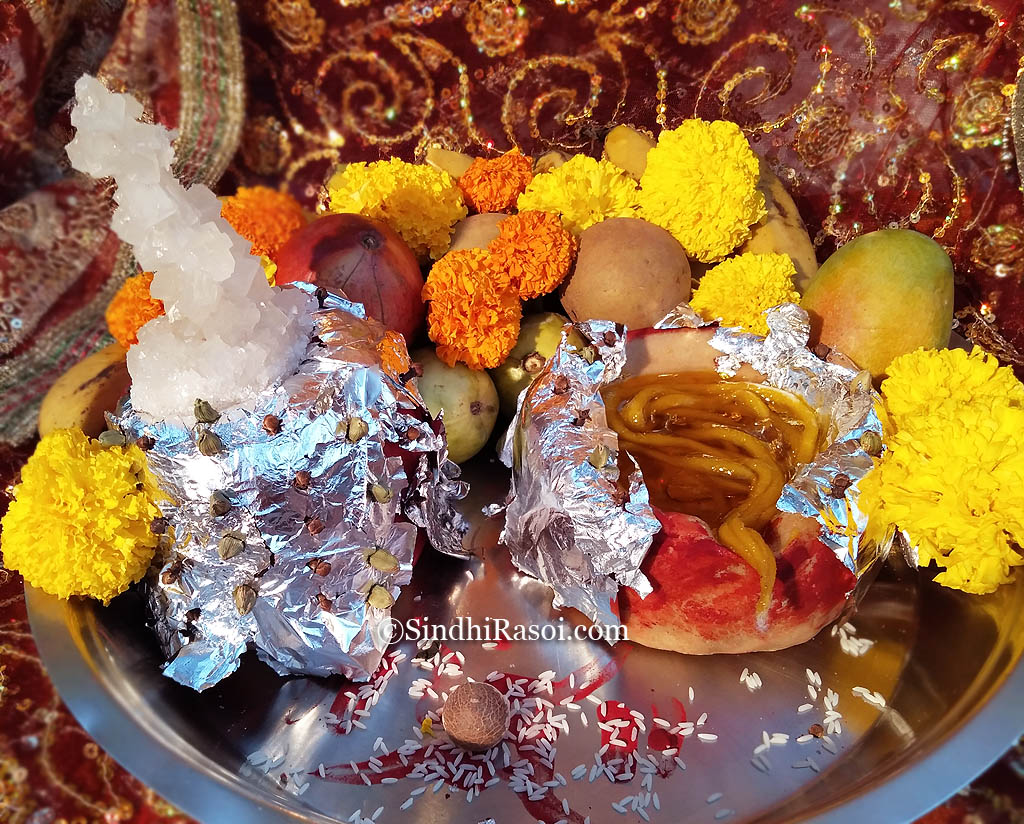
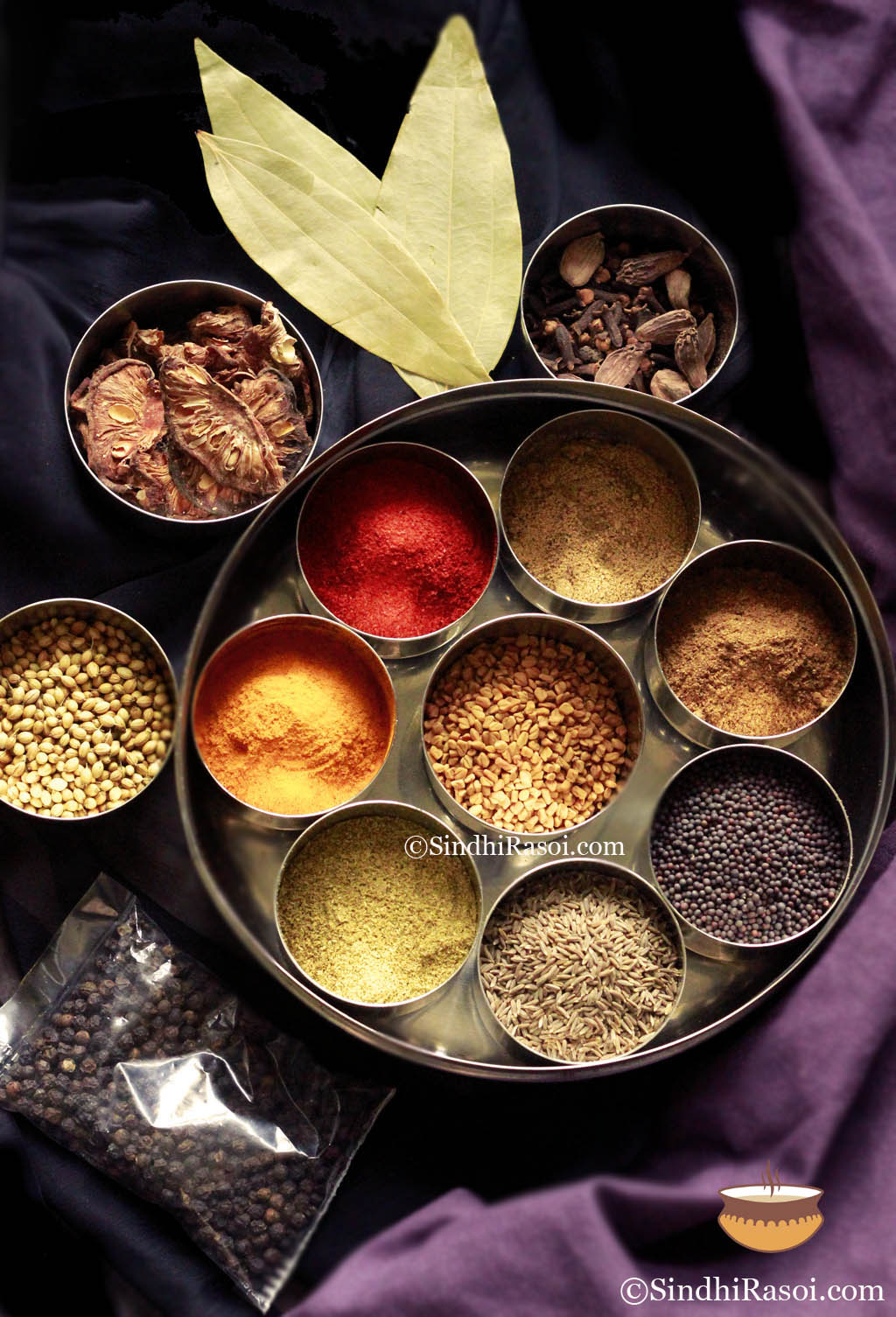
The 29th Consonant in Sindhi AlifBe is ض in Arabic Sindhi, ज़ in Devanagari and ‘Z‘ in Roman Sindhi. ‘Z’ as in ‘Zaroor‘ or ‘Zaroori‘! Yes, ‘Z’ is already covered in the AlifBe series but then, there are 4 variations of ‘Z’ in Persio Arabic Sindhi script. Do read the details here, in case you are interested! Coming back to the ض, since there is no Sindhi dish starting with this consonant, I am here today with a post about essential/important spices i.e ‘Zaroori Masalha ‘ in Sindhi cuisine, for AlifBe of Sindhi Food~29! I am yet to confirm the…
-
-
The next consonant in AlifBe (Sindhi ‘alphabet’) is ص in Arabic Sindhi, स in Devanagari and in Roman Sindhi it is ‘S’, as in ‘sandook’. If you have been following the AlifBe Series, you may remember the 10th post in which I have mentioned that in Arabic Sindhi there are three variants of ‘S’ namely; ث , ص, س . Out of these three, two alphabets i.e ث and ص are used only while writing Arabic or Urdu words in Sindhi script while س is used to write words of Sindhi origin. In Roman Sindhi and in Devanagari, these 3…
-
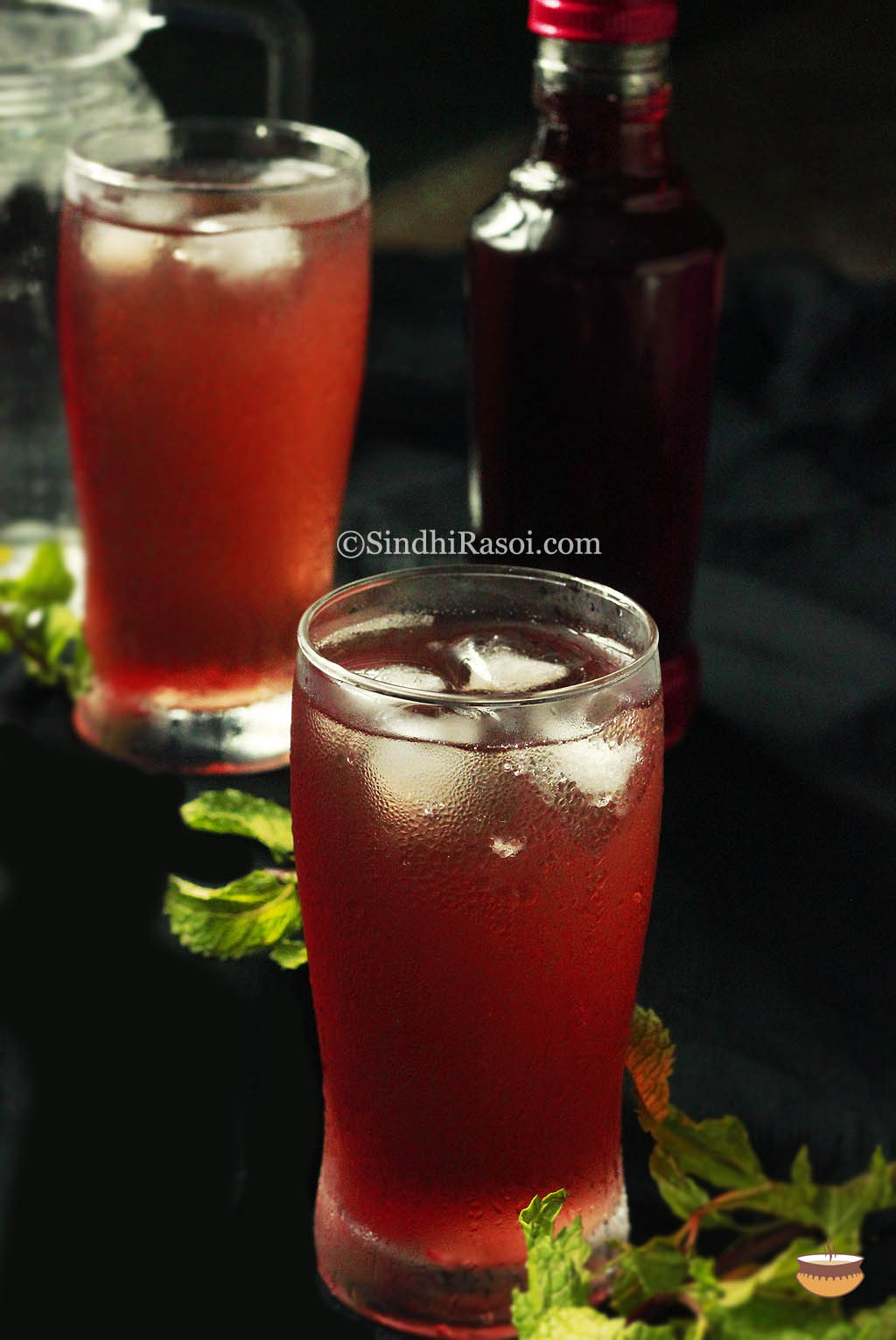
There are only two consonants in the sixth shape group of Sindhi AlifBe; س (s/स) and ش (Sh/श)! Actually the 27th consonant in Sindhi AlifBe is س but it is already covered in the 10th Post in AlifBe series. And hence we will consider the next consonant as the 27th one which is ش in Arabic Sindhi, श in Devanagari and in Roman Sindhi it is ‘Sh‘ as in Shimla! And the corresponding dish is Sharbat! In Sindhi language, Sharbat could mean both; the syrup as well as the Cordial (non alcoholic beverage)! Sharbat The word Sharbat comes from the…
-
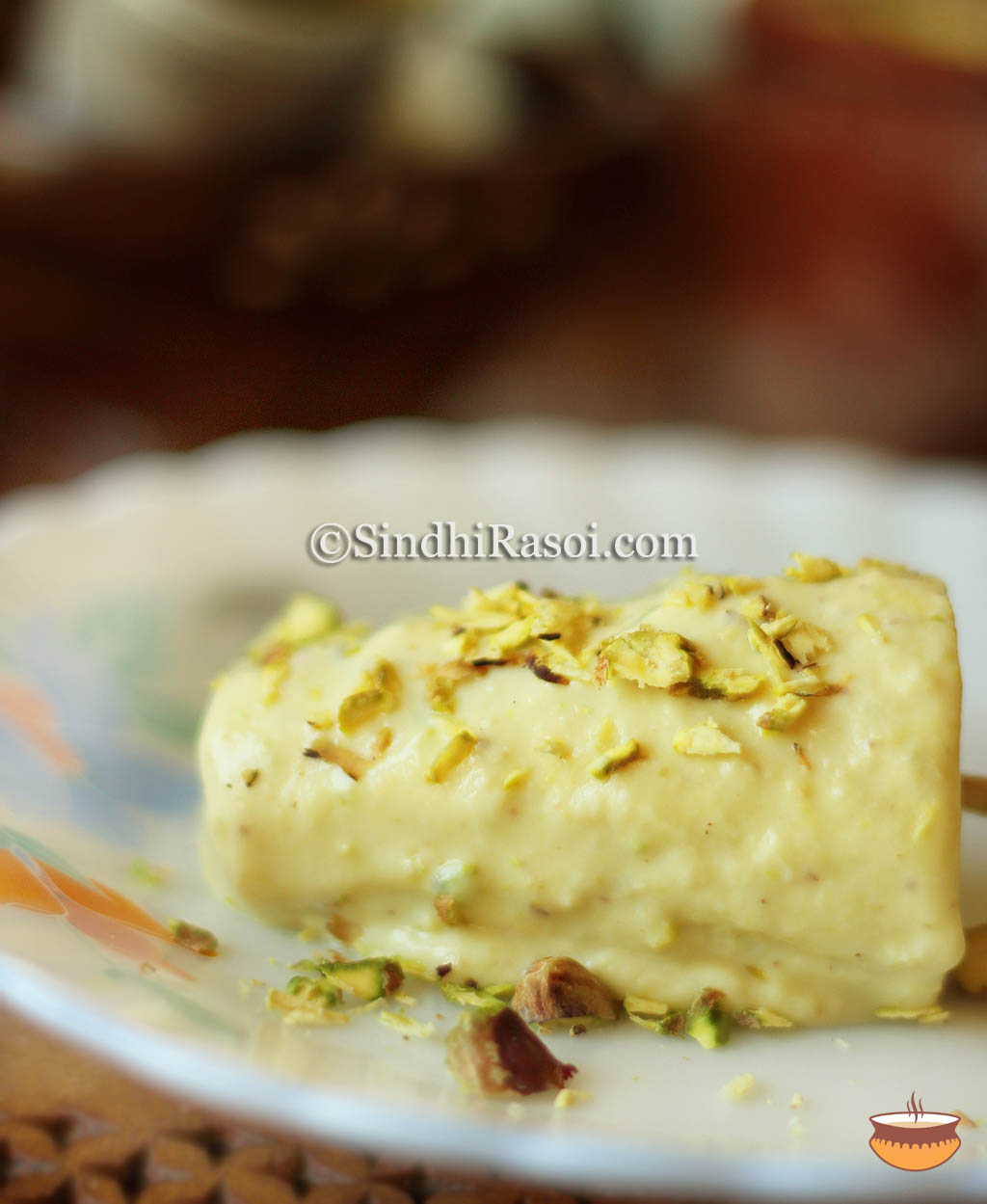
Long post alert: If you are interested only in the recipe then kindly scroll down to reach the recipe! If you are curious to know about saffron, its varieties and some interesting theories about Kulfi, then please read on! The 26th Consonant in Sindhi AlifBe is ز i.e Z in Roman Sindhi and ज़ in Devanagari. As mentioned in the earlier post, there are 4 different types of ‘Z’ used in Sindhi AlifBe. ذ as in Zaro (Little ), (ज़/Z) ز as in Zanzeer (Chain/shackles) (ज़/Z) ض as in Zaeef (Feeble) (ज़/Z) ظ as in Zalim (cruel/merciless) (ज़/Z) Kindly note…
-
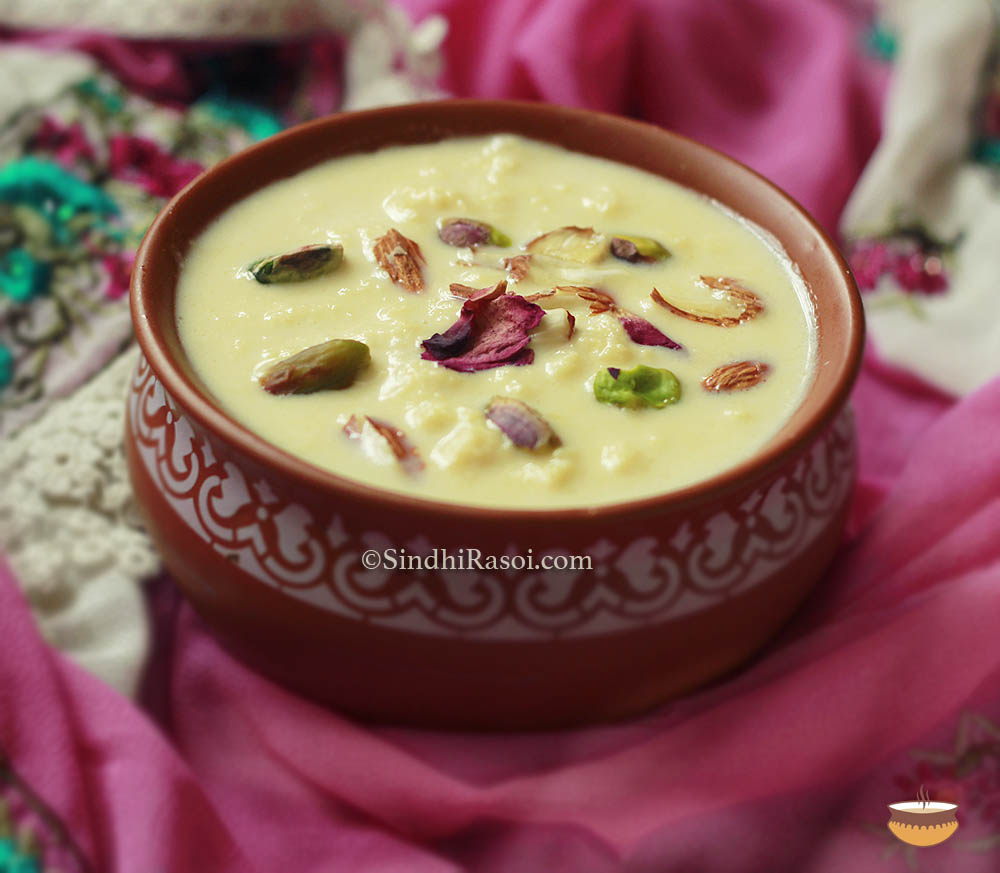
The Dairy products could be divided in many types, for example, heat desiccated (khoya), heat and acid coagulated (paneer, cheese), clarified butter (ghee), frozen (Ice cream), frozen concentrated milk (Kulfi variant) and condensed or concentrated products like Rabdi, Basundi etc. In the spotlight today is the Rabri or Rabdi or as many Sindhis call it, Reb^di! Rabri is a concentrated, sweetened whole fat milk and is considered to be of high nutritive value. It is a traditional preparation and its variations are mentioned in ancient food manuscripts, in food related accounts from 16th century and even in popular Mangal Kavyas…
-
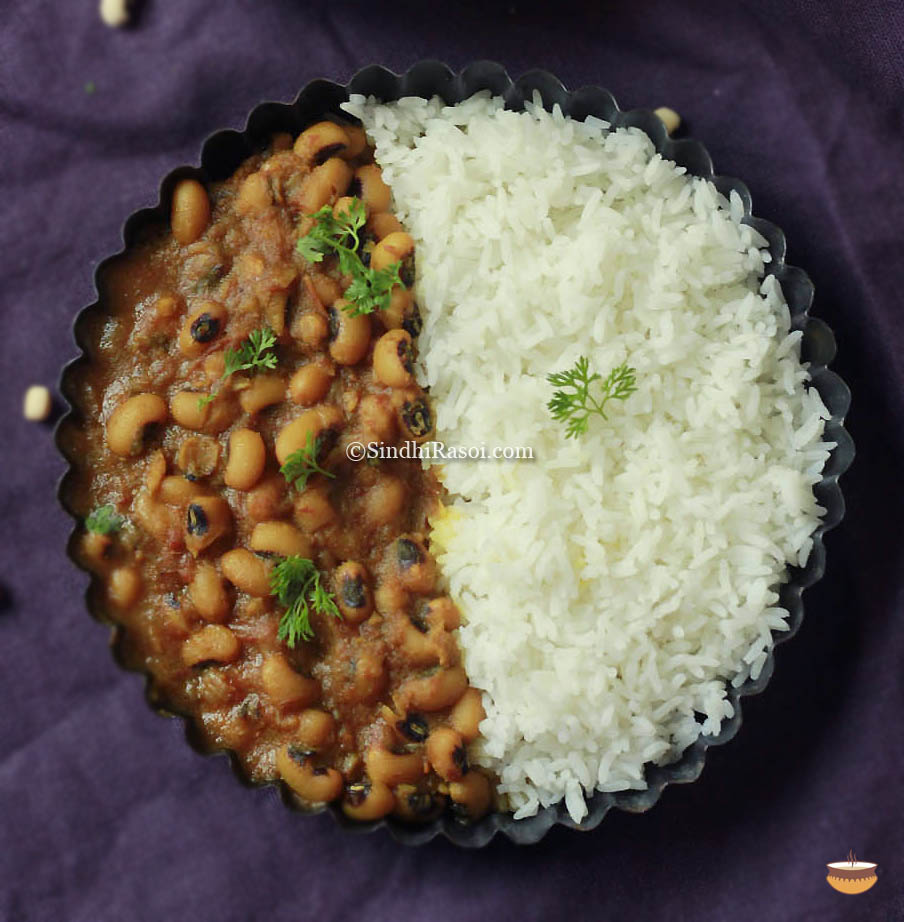
As mentioned many times in the AlifBe series, the 52 letters of Sindhi Alphabet are divisible into 16 shape groups and so far four shape groups are done and dusted! For the recap of the alphabets covered so far, please check this list! In the 5th shape group there are three letters and the first one in this group isر in Arabic Sindhi, र in Devanagari, while in Roman Sindhi it is R as in Ratnagiri/Rajasthan etc. And the corresponding Sindhi dish is Raanh, also called Chauran and Chawli for AlifBe of Sindhi Food #24 Raanh or Black eyed beans…
-
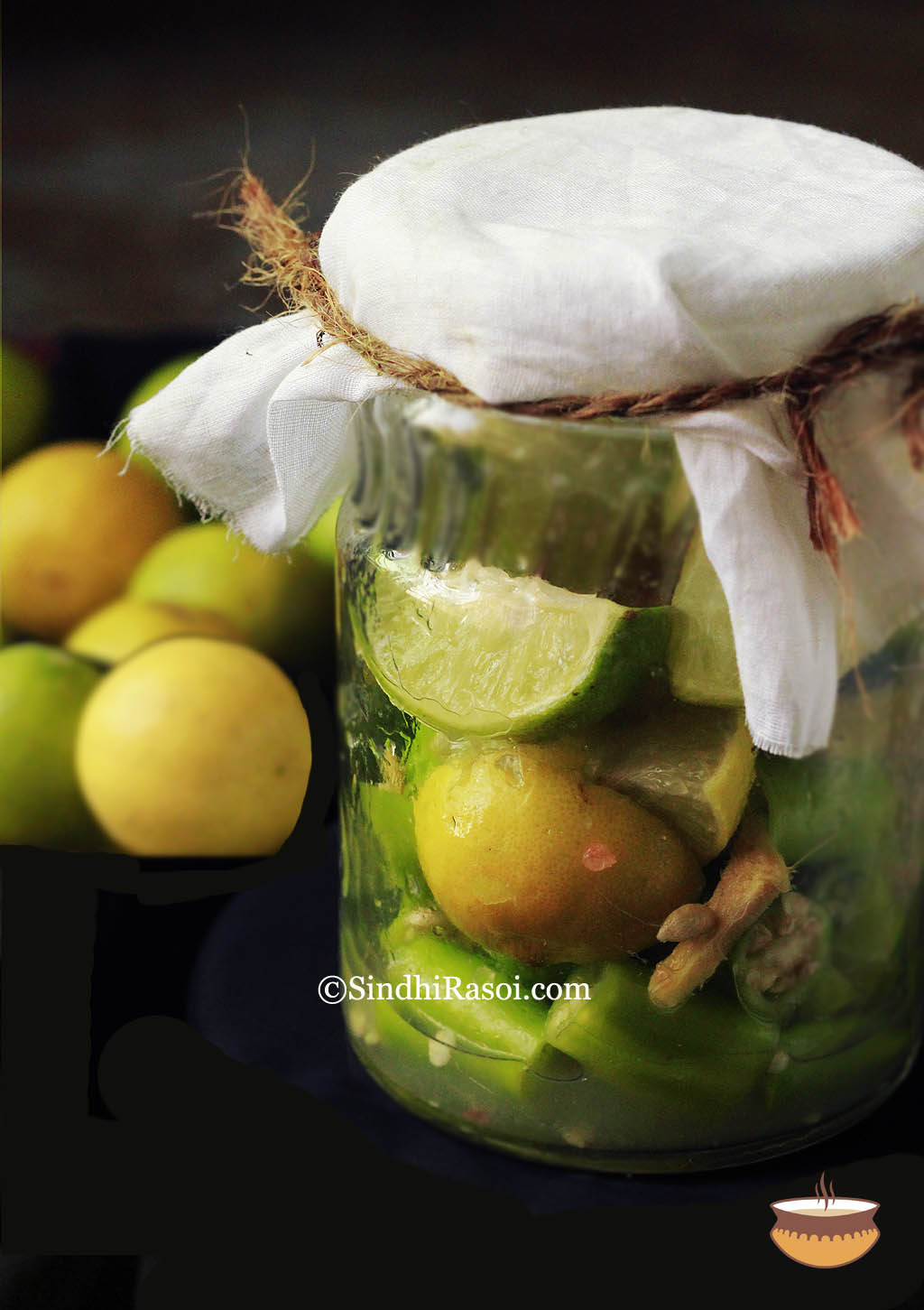
The 23rd letter in Sindhi Alphabet (AlifBe) is ذ i.e ज़ in Devanagari and in Roman Sindhi it is Z as in Zebra ! Ideally this Z i.e ذ is used in words that are not of Sindhi Origin. This Z is known as ‘Zaal‘ and is used in words like ‘Zaro‘(means ‘little’) or Kaagaz (Paper). Since no Sindhi Vegetarian dish starts with this particular Z (There are 3 more ‘Z’s in Arabic Sindhi) I was about to skip this one . But I realised that there is one traditional Sindhi pickle called ‘leemun Ji Khatain~’ (Lemon/lime Pickle) made using…