Took a small break to rejuvenate and to cope up with the seasonal allergies and stayed away from social media to relax and heal . Slowed down the pace of working on the projects that I am currently involved in, including the AlifBe and the recipe videos.
A lot happened in the last fortnight, some good, some bad, some ugly and some, almost surreal but life moved on!
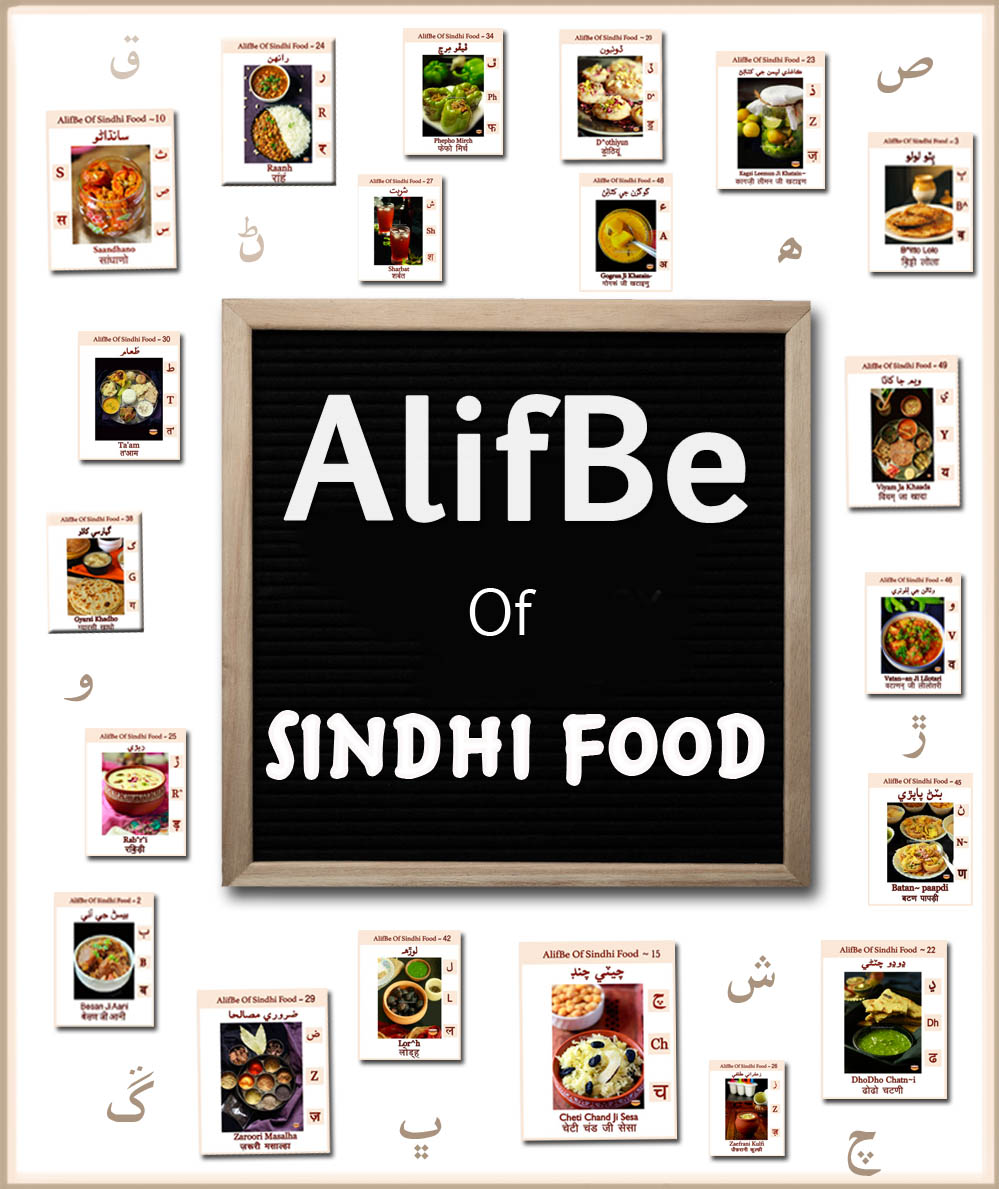
And here I am today, with the 37th alphabet of the Arabic Sindhi script ; ک i.e ख in Devanagari and Kh, as in Khajur, in Roman Sindhi.
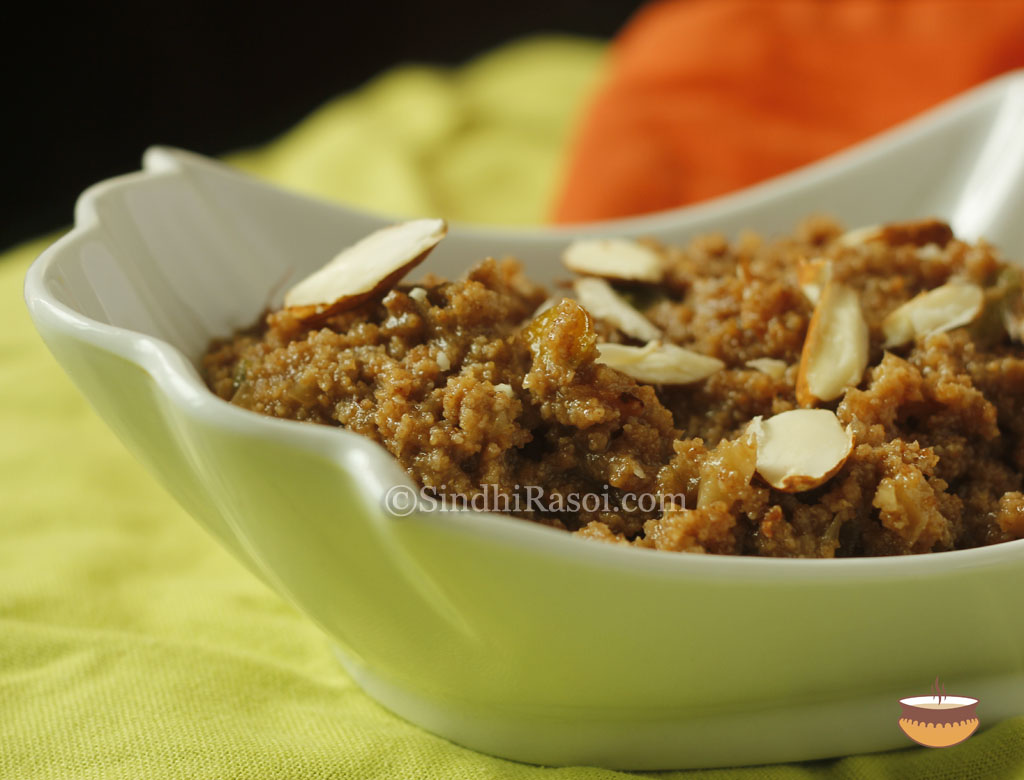
And the corresponding dish is Khoyo, a traditional fudge or a halwa like, made with poppy seeds and dried fruits/nuts, warm spices and milk.
I was confused about the term Khoyo as the dictionary that I refer, mentions Khohyo (and not the Khoyo) as the sweetmeat made from reduced milk. But due to the lack of enough of information, I approached my friend Amrita lal, who went out of the way to discuss the same with some literary experts and finally it was concluded that the term used is the Khoyo and not the Khohyo as mentioned in the dictionary. If you have some more information about this, kindly get in touch with me.
Thank you Amrita for always being there with me in my crazy journey of the AlifBe. Can never thank you and Barkha Di, enough!

Kindly do not confuse this with the Khoya (mawa) as both are different in terms of looks, texture and flavors.
Khoya:
The Khoya or Khoa (Mawa) that is generally used as the base for making sweets like Gulabjamun, Kalakand, barfi etc is a kind of heat desiccated milk product in which milk is reduced to obtain granular milk solids (dried evaporated milk solids) which is then used in the different traditional sweets.
The Sindhi style Khoyo, on the other hand is a halwa made with whole fat milk, ghee roasted poppy seeds and nuts, slow cooked for hours till it reaches a fudge like consistency. The unique add ons are Dharan jo magaz (coriander seeds/kernels, pounded) or Dhaniya magaz and black cardamoms, two spices that are not commonly used in sweet dishes.
While Dhaniya panjiri (made for the Janmashtmi in some communities) may sound similar to the Sindhi Khoyo, it is actually very different from it.
This Khoyo is ideally made at the onset of winter season and huge dhabbas (steel containers) are sent to the married daughters/sisters or aunts around Diwali.
I remember my mother making this every year and the memories of her sitting on the ‘sandhali‘ (wooden chowki used for sitting), making this Khoyo often warm the cockles of my heart.
The preparations would start a few days ahead. A child (mostly it would be me) was sent to the ration shop to procure Kerosene for the stove as the khoyo was always made on the kerosene stove that was placed on the floor of the living room (so that she can avoid standing in the kitchen for hours). The kerosene stove was used for few times a year to prepare Gogo, Thadri meals when one has to cook for hours at a stretch and hence it would be less tiring to cook while sitting on the floor.
An order for 5-7 litres of full fat milk would be placed with the milk man and dried fruits and nuts were stocked. The large Sipri (kind of vessel) would be taken out, cleaned and kept handy. The same sipri would travel to few homes around as it was not uncommon to borrow utensils from the neighbors.
My mom never wrote down a recipe. And though she was an amazing cook, she would reach out to the generous old lady, Chandra Aunty, in the neighbourhood to seek help regarding the quantities of ingredients used. Aunty would eye ball everything, suggest changes, if any and would leave only to return a few times to see how things are progressing. She would also pitch in for bhunoing the khoya so that mom could take a break. I really miss those days when neighbours would be so caring and generous.

Making Khoyo is a time consuming process and it generally takes anywhere from 3 – 5 hours to cook well.
Honestly speaking I never cared much about the Khoyo… firstly because I never had a sweet tooth and secondly, I find combination of Dhaniya magaz and the black cardamoms to be a misfit in the family of nutty poppy seeds, sweetish reduced milk and delicious soft, naturally sweet chuhara (kharik/dried dates) and nuts. Somehow the combination never worked for me yet I always ate a little of it, every year, when my mom would send in some, as a part of winter treats.

- 2 lit full fat milk
- 150 gm Khaskhas
- 15- 20 Chuhaara (dried dates/ kharik)
- 100 gm Almonds
- 80 - 100 gm unsalted pistachios
- 100 gm Cashews
- Few walnuts (optional)
- 10 Green cardamoms
- 2 black cardamoms
- 75 gm of Dhaniya magaz
- 400 - 500 gm of sugar ( I actually used around 250 gm but you can adjust as per your taste)
- 1 Cup ( at room temperature) of Ghee (Ideally around 400 gms of Ghee should be used)
- 1 gm Mace
- A pinch of nutmeg powder
- 2 gm of Moonh Lalai (Brown colored powder available at Pasari shops) or you can use some brown food color. I didn't use any.
- Soak the poppy seeds in water for 5 - 6 hours.
- In another bowl, soak the almonds in water for 5 hours. Later peel the almonds and cut open each into 2.
- Soak dried dates in lukewarm water for an hour or so, to soften it. Later, deseed and slice each into large chunks (can cut into 4-6 pieces each).
- Roughly chop pistachios, cashew nuts and walnuts.
- Strain the poppy seeds and rinse a few times, using the tea strainer to catch the seeds.
- The process of soaking poppy seeds and rinsing few times with water is believed to reduce the concentration of morphine or opium alkaloids, if present, in the poppy seeds.
- Strain well so as to get rid of as much of water as possible.
- Now using 2-3 tbsp of Ghee (from 1 cup of the Ghee set aside for the recipe) blend the poppy seeds till coarse. You can use milk to blend poppy seeds but then it tends to splutter a lot when you start cooking it.
- In a thick bottom pan add 2 lit of milk and add green cardamoms.
- Add chuhara (dried dates) and continue cooking the mix on moderate heat. Keep stirring at frequent intervals.
- In another pan, heat the remaining ghee and add the blended khaskhas paste.
- Keep stirring and continue cooking at medium heat. When the color of the khaskhas changes to light pink, add cashews, almonds, pistachios and stir nicely. The khaskhas should be cooked till faint brown. Add dhaniya magaz and mix well. After half a minute switch off the flame and pour this mix in the milk and dates mixture. (Beware of the spluttering).
- Add black cardamom, mace and nutmeg and allow the mix to simmer. Add color powder, if using. Keep stirring at intervals.
- The dried dates are to be cooked till soft. So if needed, add some more milk.
- When the dates turn soft and the milk is almost completely reduced, add sugar. Continue cooking on low flame.
- Cook till sugar is absorbed and the mix is dry.
- Some prefer the consistency of the khoyo to be little loose while others like to cook till it is dry (as in the picture).
- If refrigerated, the Khoyo has a shelf life of 10-15 days.
- Before serving, take out the required portion from the refrigerator and heat on low flame with a tbsp or so of milk. Can garnish with more nuts while serving.
- Traditionally the quantity oh the Ghee used in Khoyo is almost the double that I have used here but I don't like overpowering flavors of ghee in any dish hence less amount of fat is used here.
- If using low fat milk, please do increase the quantities of ghee for better flavors and texture.
- Buffalo milk is preferred for making Khoyo.
- If after soaking in water, the dried dates are not soft enough to cut, then just gently pound the dates using a mortar pestle. The dates will open up and could be de seeded easily. Roughly chop these or use a food processor but make sure to keep the dates chunkier.
- You can use green cardamom powder instead of whole pods. Add ¼ tsp of powder to the boiling milk and later add ¼ tsp when you add sugar.
And as always here is a short video about the how to write ک in Arabic Sindhi.